
The equine world captivates with its diversity, from the nimble grace of a Thoroughbred to the sturdy resilience of a Shetland pony. But among these magnificent creatures, a select few breeds stand out, not for their speed or agility, but for their sheer, awe-inspiring size. The question, “What breed of horse is the biggest?” isn’t as simple as it sounds, as “biggest” can refer to height, weight, or overall mass. However, a handful of draft horse breeds consistently dominate the discussion, embodying power, majesty, and a rich history inextricably linked to human endeavor.

These colossal horses, often referred to as “gentle giants,” once served as the engines of the world, powering agriculture, industry, and transportation before the advent of mechanization. Today, while their working roles have largely diminished, their presence remains a testament to their strength and enduring appeal. Exploring these breeds not only reveals fascinating biological distinctions but also uncovers intricate connections to modern technology, the dynamics of branding, and the complex economics that sustain their legacy in our contemporary world.
Unpacking the Giants: The Contenders for “Biggest Horse”
When we talk about the “biggest” horses, we are primarily referring to the heavyweight champions of the equine kingdom: the draft breeds. These animals were selectively bred over centuries for their strength, stamina, and imposing stature, capable of pulling immense loads and working long hours in fields and forests. While various breeds might claim individual records, a few consistently top the charts in terms of average height and weight.
The Shire: A Legacy of Grandeur
Hailing from the historic counties of England, the Shire horse is often considered the undisputed heavyweight champion of the equine world. Renowned for its immense size, strength, and gentle disposition, the Shire is a true testament to selective breeding for power. These magnificent animals typically stand between 16.2 and 17.2 hands (66-70 inches, 168-178 cm) at the shoulder, with many individuals exceeding 18 hands (72 inches, 183 cm). Their weight is equally impressive, often ranging from 1,800 to 2,400 pounds (816 to 1,089 kg), with some exceptional stallions pushing past 2,500 pounds (1,134 kg).
The Shire’s physical characteristics are as striking as its size. They possess a massive, muscular build with a deep girth, broad chest, and powerful hindquarters. Distinctive white “feathering” on their lower legs, combined with a proud head and intelligent eyes, gives them an aristocratic air. Their coat colors commonly include black, bay, or gray, often with white blaze and leg markings. The breed’s history can be traced back to the “Great Horse” of medieval England, used as a warhorse to carry heavily armored knights. Over time, as warfare evolved, their purpose shifted to agriculture and heavy hauling, playing a pivotal role in the industrial revolution by pulling canal barges, plows, and drays for breweries and freight companies. The most famous Shire horse in history, named Sampson (later renamed Mammoth), born in 1846, reportedly stood 21.2 hands (86 inches, 219 cm) and weighed an astonishing 3,360 pounds (1,524 kg), holding the record as the tallest and heaviest horse ever recorded.
The Belgian Draft: Power and Poise
While the Shire often takes the crown for height, the Belgian Draft horse frequently contends for the title of heaviest and most powerfully built. Originating from the Brabant region of Belgium, this breed is celebrated for its incredibly thick, muscular build, making it a living embodiment of strength. Belgians typically stand between 16 and 17 hands (64-68 inches, 163-173 cm) and weigh between 1,800 and 2,200 pounds (816-998 kg), though heavier individuals are not uncommon. One of the most famous examples, a Belgian gelding named Big Jake, held the Guinness World Record for the tallest living horse at 20 hands 2.75 inches (82.75 inches, 210.2 cm) before his passing in 2021, showcasing the breed’s potential for exceptional height as well.
Belgians are instantly recognizable by their immense size, relatively short legs compared to their body mass, and their characteristic chestnut or roan coat colors, often with a flaxen mane and tail. Unlike Shires, they typically have minimal feathering. Their temperament is another hallmark; despite their intimidating size, Belgians are renowned for their docile, willing, and gentle nature, making them popular choices for novice handlers and family farms alike. Historically, they were the backbone of Belgian agriculture, used extensively for plowing and farm work. Today, they remain popular for draft pulls, showmanship, and pleasure driving, particularly in North America where they are one of the most popular draft breeds.
Other Notable Giants: Clydesdales, Percherons, and Suffolk Punches
While Shires and Belgians frequently dominate the “biggest” discussion, several other draft breeds are also truly massive and deserve honorable mention:
- The Clydesdale: Originating from Lanarkshire, Scotland, Clydesdales are famous worldwide, largely due to their iconic association with Budweiser beer. They are known for their elegant, high-stepping gait, long, flowing feathering on their legs, and often striking bay coats with extensive white markings on the face and legs. Standing between 16 and 18 hands (64-72 inches, 163-183 cm) and weighing 1,600 to 2,200 pounds (726-998 kg), Clydesdales combine impressive size with a more athletic and refined build compared to the stockier Belgians.
- The Percheron: Hailing from the Perche region of France, Percherons are known for their versatility, intelligence, and active nature, making them ideal for both heavy work and more refined driving. They are typically gray or black, standing 15.2 to 17.3 hands (62-71 inches, 157-180 cm) and weighing 1,800 to 2,600 pounds (816-1,179 kg). Percherons are admired for their clean legs (minimal feathering) and powerful, muscular physique, making them capable of pulling significant loads with ease and agility.
- The Suffolk Punch: Another English breed, the Suffolk Punch is distinctive for its uniform chestnut color, often described as “golden chestnut.” These horses are renowned for their incredible power and stamina, despite often being slightly shorter than other draft breeds, typically 16.1 to 17.1 hands (65-69 inches, 165-175 cm). However, their massive barrel chest and compact, stocky build give them immense weight, often 1,800 to 2,200 pounds (816-998 kg). Sadly, the Suffolk Punch is one of the rarest horse breeds, facing endangered status, making conservation efforts crucial for its survival.
Each of these breeds, while sharing the common trait of immense size and strength, possesses unique characteristics, histories, and temperaments that have carved out their distinct places in the tapestry of the equine world.
Beyond Pure Size: The Enduring Legacy and Economic Impact of Draft Breeds
The monumental size of these horses is not merely a biological marvel; it’s a living testament to their profound impact on human civilization and a critical factor in their economic and cultural value, both historically and in the present day. From powering the agricultural revolution to becoming cherished symbols, their story is interwoven with the evolution of society.
A Legacy Forged in Labor: Historical Roles and Agricultural Powerhouses
For centuries, before the advent of the internal combustion engine, draft horses were the primary source of power for countless industries. They were the tractors, trucks, and locomotives of their time, literally moving the world forward. In agriculture, breeds like the Shire and Belgian were indispensable. Their immense strength allowed farmers to plow vast fields, sow seeds, and harvest crops with efficiency previously unimaginable. They pulled heavy reapers, binders, and cultivators, transforming small subsistence farms into more productive enterprises. Without these equine powerhouses, the scale and speed of agricultural development would have been severely hampered, impacting food production and population growth.

Beyond the farm, draft horses were crucial to industrial expansion. They hauled coal from mines, timber from forests, and goods from factories to markets. Brewery drays, pulled by magnificent Shires or Clydesdales, became iconic symbols of urban commerce. They were instrumental in construction, moving stone and building materials for infrastructure projects like roads, canals, and railways. This era highlights the direct economic utility of these breeds: they were capital assets, essential for production and transport, directly generating wealth and facilitating trade. Their market value was a direct reflection of their working capacity, and a powerful, healthy team of draft horses represented a significant investment and a critical component of any successful enterprise.
The Modern Draft Horse: From Farm to Show Ring
While tractors and trucks have largely replaced draft horses in industrial and large-scale agricultural settings, these magnificent animals have not disappeared. Instead, their roles have evolved, embracing new niches that celebrate their unique attributes. Many still perform practical work, particularly in sustainable forestry, small-scale organic farming, or vineyard management, where their lower environmental impact and ability to navigate challenging terrains are valued. Their gentle nature also makes them excellent for therapeutic riding programs, offering a calming and powerful presence to those seeking healing.
However, a significant portion of their modern existence revolves around spectacle, heritage, and leisure. Draft horse shows and competitions, where horses pull immense weights or demonstrate intricate driving patterns, are popular events that showcase their strength and grace. Breeds like the Clydesdale have become powerful brand ambassadors, as seen with the Budweiser team, symbolizing strength, tradition, and quality. Parades, historical reenactments, and carriage rides in tourist destinations also feature these horses prominently, connecting the public with a tangible piece of history. For many enthusiasts, owning and working with a draft horse is a passion, a way to connect with traditional skills, and an investment in a living heritage. This shift underscores a change in their economic value – from pure utility to cultural capital, leisure, and brand representation.
The Intersections of Equine Excellence: Tech, Brand, and Money in the World of Giant Horses
The world of these magnificent draft horses, while steeped in tradition, is far from static. Like all corners of the modern economy, it is increasingly influenced by technological advancements, sophisticated branding strategies, and careful financial management. These intersections are vital for the preservation, enhancement, and sustained relevance of these “gentle giants.”
Tech in the Stable: Optimizing Health, Breeding, and Performance
Technology plays an increasingly critical role in the care, breeding, and management of large horses. Given their immense size and the costs associated with their upkeep, optimizing their health and performance is paramount.
- Advanced Breeding Techniques: Modern reproductive technologies, such as artificial insemination (AI) and embryo transfer, allow breeders to broaden genetic diversity without the logistical challenges of transporting massive stallions. Genetic testing identifies desirable traits and screens for inheritable diseases, ensuring healthier lineages and improving the overall quality of the breed. This data-driven approach allows breeders to make informed decisions, reducing risks and maximizing the genetic potential of their stock.
- Health Monitoring and Diagnostics: Wearable technology, similar to fitness trackers for humans, is emerging for horses. Devices can monitor heart rate, activity levels, sleep patterns, and even early signs of lameness or colic. Thermal imaging cameras can detect subtle temperature changes indicative of inflammation or injury before visible symptoms appear. Sophisticated diagnostic tools, from advanced MRI and CT scans adapted for large animals to telemedicine platforms connecting owners with specialist veterinarians globally, are transforming equine healthcare.
- Farm Management Software: For operations managing multiple draft horses, specialized software systems streamline inventory management (feed, supplies), track veterinary records, schedule farrier visits, manage breeding cycles, and monitor individual horse performance data. This digital approach enhances efficiency, reduces waste, and provides valuable insights into the overall health and productivity of the herd.
- Digital Marketing and Outreach: The internet and social media platforms are indispensable tools for breeders and enthusiasts. High-quality videos showcasing a horse’s gait, temperament, or working ability can reach a global audience. Websites and online registries help preserve breed information, facilitate sales, and connect a community of owners and admirers. Virtual reality tours of farms or live streams of events offer immersive experiences, drawing new interest and investment into the world of draft horses.
Branding the Giants: Cultivating Heritage and Market Appeal
Beyond their practical uses, draft horses possess an inherent charisma that makes them powerful subjects for branding and identity. Both the breeds themselves and the organizations associated with them strategically leverage this appeal.
- Breed Associations as Brand Stewards: Organizations like the Shire Horse Society or the American Belgian Draft Horse Corporation are crucial brand stewards. They set breed standards, maintain registries, promote the breed’s unique history and characteristics, and organize events. Their branding efforts aim to solidify the breed’s identity, ensure genetic purity, and foster a strong, recognizable image that resonates with potential owners and the public.
- Leveraging Heritage for Appeal: The long history and traditional roles of draft horses provide a powerful narrative for branding. Showcasing their historical impact on agriculture and industry connects them to a sense of authenticity, strength, and heritage. This “heritage branding” is particularly effective in marketing products or experiences that evoke tradition and craftsmanship.
- Corporate Branding and Sponsorships: The most famous example is the Budweiser Clydesdales, which have become an enduring symbol of the brand, embodying strength, reliability, and quality. Other companies, from feed manufacturers to agricultural machinery businesses, often use images of draft horses to align their products with traits like power, endurance, and connection to the land. This strategic use of equine imagery taps into deep-seated cultural associations.
- Personal Branding for Equine Professionals: Breeders, trainers, and handlers of champion draft horses build strong personal brands based on their expertise, integrity, and success. Their reputation, often cultivated through years of dedication and showcased through digital channels, is critical for attracting clients, selling horses, and securing stud fees.
The Financial Mane: Investing in and Sustaining Equine Grandeur
The world of giant horses, like any specialized sector, involves significant financial considerations, from the initial investment to long-term operational costs and potential returns.
- Cost of Ownership and Investment: Acquiring a quality draft horse can range from a few thousand dollars for a basic companion animal to tens of thousands for top-tier breeding stock or show champions. The ongoing costs are substantial: a large horse consumes vast amounts of feed (hay, grain), requires specialized farrier care (due to their size), routine veterinary attention, and suitable stabling and pasture. Insurance, especially for high-value animals, is also a critical expense. Owners and breeders must view these animals as significant financial investments that require careful budgeting and resource allocation.
- Economic Impact of the Equestrian Industry: The draft horse sector contributes to the broader equestrian economy, which is a multi-billion-dollar industry globally. This includes revenue generated by feed suppliers, tack manufacturers, veterinary services, transportation companies, farriers, event organizers, and specialized equipment providers. The demand for products and services tailored to these large animals creates numerous employment opportunities and drives economic activity in rural communities.
- Income Streams and Financial Returns: For some, draft horses are not just a passion but a source of income. This can include stud fees from sought-after stallions, sales of foals and trained horses, winnings from competitive events, and fees for providing services like carriage rides, forestry work, or agritourism experiences. Specialized logging operations or heritage farms might utilize draft horses as a cost-effective and environmentally friendly alternative to machinery, generating revenue from their labor.
- Conservation and Funding: For endangered breeds like the Suffolk Punch, financial resources are critical for conservation efforts. This includes funding for breeding programs, genetic research, and public education initiatives aimed at raising awareness and encouraging new breeders. Grants, donations, and breed society memberships often play a vital role in sustaining these efforts, highlighting the intersection of cultural preservation and economic support.
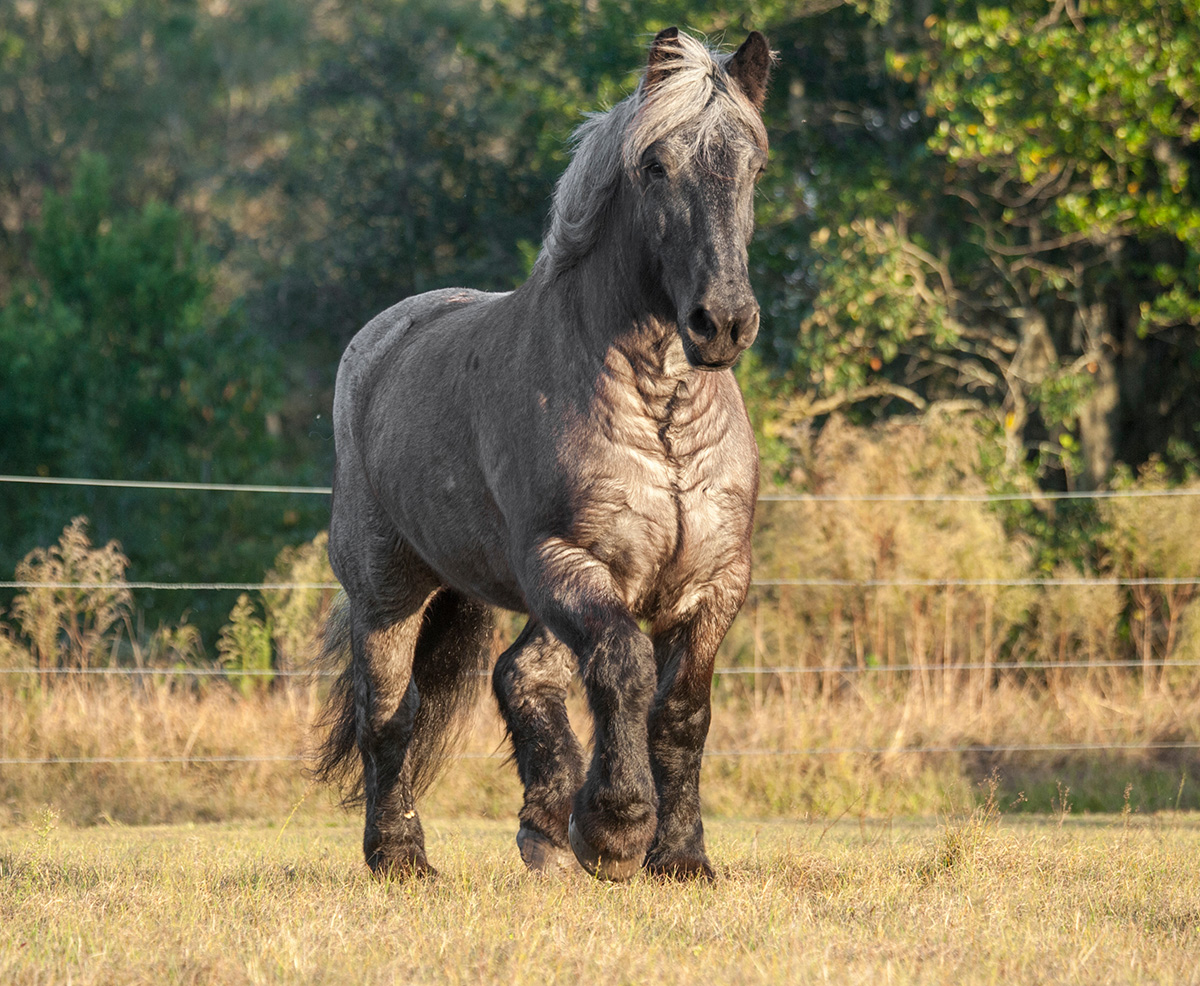
Conclusion: The Majesty of the Giants
The question “What breed of horse is the biggest?” leads us on a journey into the world of magnificent draft horses – the Shires, Belgians, Clydesdales, Percherons, and Suffolk Punches. These breeds are not just defined by their colossal size, but by their incredible strength, gentle temperaments, and the profound historical impact they have had on human civilization. From powering the agricultural and industrial revolutions to becoming symbols of heritage and grace in the modern era, their story is one of enduring partnership with humanity.
Today, their legacy continues, shaped by a dynamic interplay of innovation, identity, and economics. Technology offers new frontiers in genetic health, precision care, and global connectivity, ensuring these breeds can thrive in the 21st century. Branding strategies leverage their majestic presence and rich history, cementing their place in popular culture and corporate identity. And the intricate financial ecosystem surrounding their ownership, breeding, and conservation underscores their significant value, both as living assets and as irreplaceable cultural treasures.
The “gentle giants” of the equine world remain a powerful reminder of nature’s grandeur and the remarkable bond between humans and animals. Their enduring appeal is a testament not only to their impressive physical attributes but also to their timeless spirit, continuing to inspire awe and respect across generations.
aViewFromTheCave is a participant in the Amazon Services LLC Associates Program, an affiliate advertising program designed to provide a means for sites to earn advertising fees by advertising and linking to Amazon.com. Amazon, the Amazon logo, AmazonSupply, and the AmazonSupply logo are trademarks of Amazon.com, Inc. or its affiliates. As an Amazon Associate we earn affiliate commissions from qualifying purchases.