
When prospective owners ask which breed of dogs live the longest, they are often motivated by the emotional desire for a companion that will remain a part of the family for as long as possible. However, from a personal finance and wealth management perspective, canine longevity is a critical variable in the “Total Cost of Ownership” (TCO) equation. A dog that lives twenty years represents a significantly different financial commitment than one that lives eight. Understanding the actuarial data behind dog breeds allows for better long-term budgeting, smarter pet insurance selection, and more robust emergency fund planning.

The Economics of Canine Longevity: Why Breed Choice Matters for Your Portfolio
In the world of personal finance, a pet is often categorized as a discretionary expense, yet for most households, it functions as a fixed long-term liability. The lifespan of a dog dictates the duration of this liability. While many focus on the initial “purchase price” of a purebred puppy or the “adoption fee” of a rescue, these are negligible compared to the recurring costs of food, preventative medicine, grooming, and end-of-life care.
The “Large Breed Penalty” is a well-documented phenomenon in both biology and finance. Giant breeds like Great Danes or Saint Bernards typically have lifespans of 7 to 10 years. While their tenure is short, their annual maintenance costs are high due to the volume of food and higher dosages of medication required. Conversely, smaller breeds often live 15 to 20 years. For a financial planner, the small breed represents a “high-duration” asset. While the annual costs might be lower, the cumulative inflation-adjusted cost over two decades can exceed $50,000 when accounting for premium nutrition and senior veterinary care.
Strategic financial planning for a pet involves calculating the “Burn Rate”—the monthly cost required to maintain the animal’s health and lifestyle. A breed that lives longer requires a more sophisticated investment strategy, potentially involving dedicated high-yield savings accounts or “Sinking Funds” designed to cover the inevitable spike in medical costs that occurs in the final 20% of a dog’s life.
Actuarial Leaders: Breeds with the Highest ROI on Life Expectancy
When examining which breeds provide the most years of companionship for the capital invested, small and sturdy breeds consistently top the charts. From a financial risk management perspective, these breeds offer more predictability in their health profiles, provided they are sourced from reputable breeders who utilize genetic screening.
Small Breeds: The High-Yield Long-Term Assets
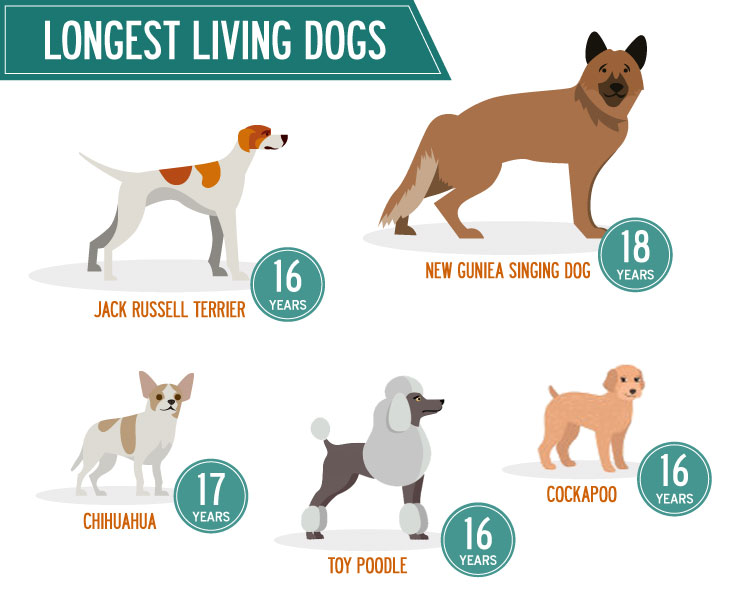
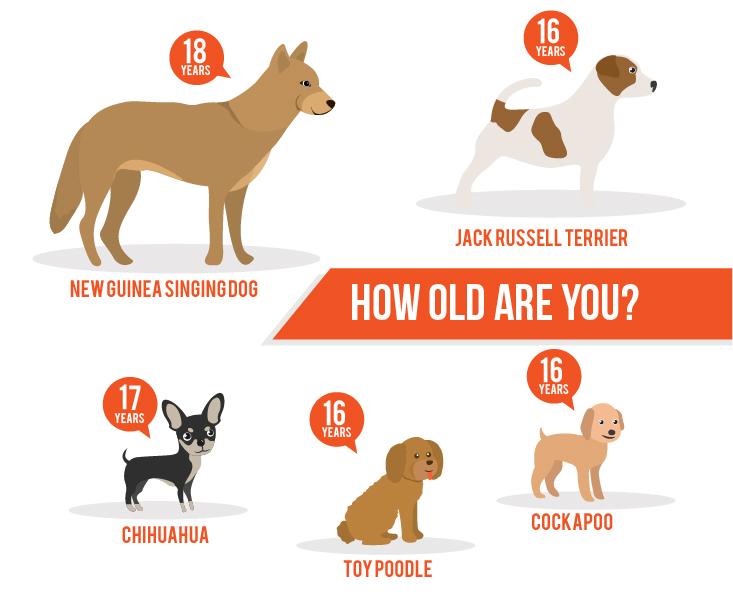
The Chihuahua, Toy Poodle, and Jack Russell Terrier are the “blue chips” of canine longevity. These breeds frequently reach 15 to 18 years, with some documented cases exceeding 20 years.
- Chihuahuas: Their financial advantage lies in their minimal caloric intake and portability, which reduces travel-related expenses. However, they are prone to dental issues, meaning owners must budget for professional cleanings to avoid expensive extractions later in life.
- Toy Poodles: Highly intelligent and long-lived, these dogs represent a higher “maintenance” cost due to professional grooming requirements. Over 17 years, grooming costs alone can total $15,000 to $20,000 depending on the region.
- Jack Russell Terriers: Known for their robust health, these dogs often have lower lifetime veterinary costs than other purebreds, assuming they are kept active and at a healthy weight.
The Working Class: Balancing Utility and Healthcare Costs
Medium-sized working breeds like the Australian Cattle Dog hold the record for some of the longest lifespans (including the famous “Bluey,” who lived to 29). From a financial standpoint, these breeds offer high “utility”—they are often capable of performing tasks or participating in high-level training that provides psychological value to the owner. Their health is generally robust, but their high energy levels can lead to orthopedic injuries, necessitating a robust emergency fund for potential surgeries like CCL repairs, which can cost between $3,000 and $6,000 per knee.
Managing the Financial Risk: Insurance and Emergency Funds for Aging Pets
Longevity is a double-edged sword in financial planning. While more years with a pet is the goal, the “tail-end” costs of a long-lived dog are the most significant financial hurdle. Veterinary medicine has advanced to the point where chronic conditions—such as kidney disease, heart murmurs, or cognitive dysfunction—can be managed for years, but the cost of this management is substantial.
Actuarial Tables and Breed-Specific Premiums
The pet insurance industry operates on complex actuarial tables similar to human life insurance. If you choose a breed known for longevity, your insurance strategy must be proactive.
- Early Enrollment: Locking in a policy while a dog is a puppy is the only way to avoid “pre-existing condition” exclusions.
- Premium Escalation: Owners of long-lived breeds must account for premium hikes. A policy that costs $40 a month at age two may cost $150 a month at age 14.
- Deductible Strategy: For long-lived breeds, a high-deductible plan coupled with a dedicated Health Savings Account (HSA)-style fund is often more cost-effective than a low-deductible, high-premium “comprehensive” plan.
The “Sinking Fund” for Senior Care
As a dog enters its “golden years” (typically after age 10 for small breeds), the financial focus shifts from prevention to maintenance. Specialist visits—oncologists, cardiologists, and neurologists—can cost $200 to $500 per consultation. Advanced diagnostics like MRIs can exceed $2,500. A dedicated investment account, perhaps holding low-risk liquid assets, should be built during the dog’s middle years to ensure that end-of-life decisions are based on ethics and quality of life rather than bank account balances.
The Macro Perspective: Investing in the Longevity Economy
The fact that certain dog breeds live longer is not just a point of interest for pet owners; it is a massive driver in the “Pet Economy,” a sector that has shown incredible resilience during economic downturns. Investors are increasingly looking at companies that cater to the “geriatric pet” demographic.
Veterinary Biotech and Life Extension Research
There is significant capital flowing into biotechnology companies focused on slowing the aging process in dogs. Companies like Loyal (Cellular Longevity, Inc.) are developing drugs specifically designed to extend the lifespan of large dogs and maintain the metabolic health of senior dogs. For the retail investor, tracking the progress of these FDA-cleared trials offers a glimpse into a future where the “long-lived” breeds might include even larger dogs. This shift would fundamentally change the pet insurance and veterinary services markets.
Market Trends in Premium Geriatric Care
As the lifespan of dogs increases, consumer spending on “Senior-Specific” products is skyrocketing. This includes:
- Therapeutic Diets: Prescription foods for joint health or renal support are high-margin products for companies like Royal Canin (Mars) and Hill’s Science Diet (Colgate-Palmolive).
- Assistive Technology: From orthopedic beds to mobility harnesses and home laser therapy kits, the market for senior dog tech is a growing niche within the broader pet gadget sector.
- Home Health Services: Mobile vets and at-home euthanasia services are seeing increased demand, representing a shift in how end-of-life capital is deployed in the veterinary space.
Strategic Planning for the Golden Years
In conclusion, knowing which breed of dogs live the longest is the first step in a sophisticated 15-to-20-year financial plan. Choosing a long-lived breed is a commitment to a multi-decade “subscription” to veterinary care, nutrition, and lifestyle maintenance.
To optimize this financial journey, owners should treat their pet’s health as a managed asset. This involves:
- Diversifying Risk: Using insurance for catastrophic events while self-insuring for routine care.
- Preventative Capital Expenditure: Spending more on high-quality nutrition and dental care in the early years to avoid massive “repair” costs in the final years.
- Inflation Hedging: Recognizing that veterinary inflation often outpaces the Consumer Price Index (CPI), and adjusting savings contributions accordingly.
By aligning breed choice with financial reality, owners can ensure that the long life of their canine companion is a source of joy rather than a source of financial stress. The longest-living dogs provide the greatest emotional return on investment, but they require the most disciplined financial stewardship to ensure those years are lived in comfort and health.
aViewFromTheCave is a participant in the Amazon Services LLC Associates Program, an affiliate advertising program designed to provide a means for sites to earn advertising fees by advertising and linking to Amazon.com. Amazon, the Amazon logo, AmazonSupply, and the AmazonSupply logo are trademarks of Amazon.com, Inc. or its affiliates. As an Amazon Associate we earn affiliate commissions from qualifying purchases.