
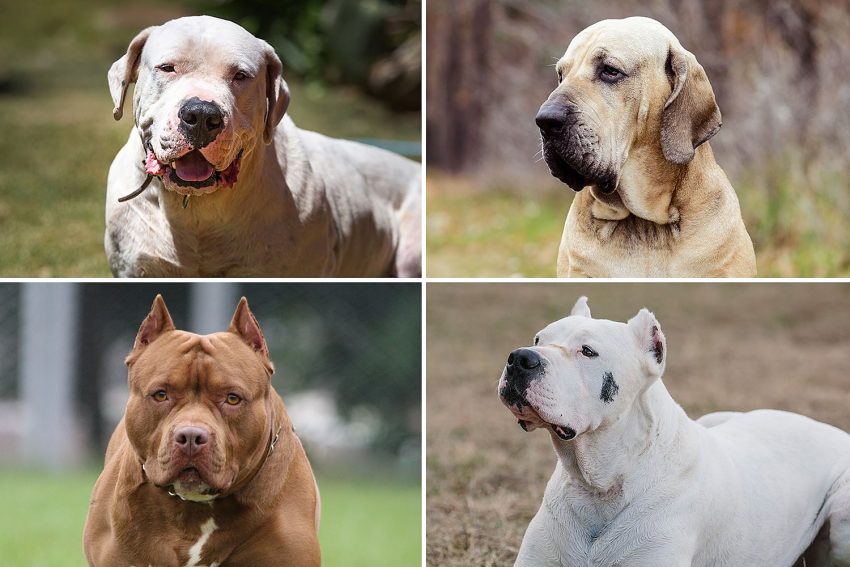
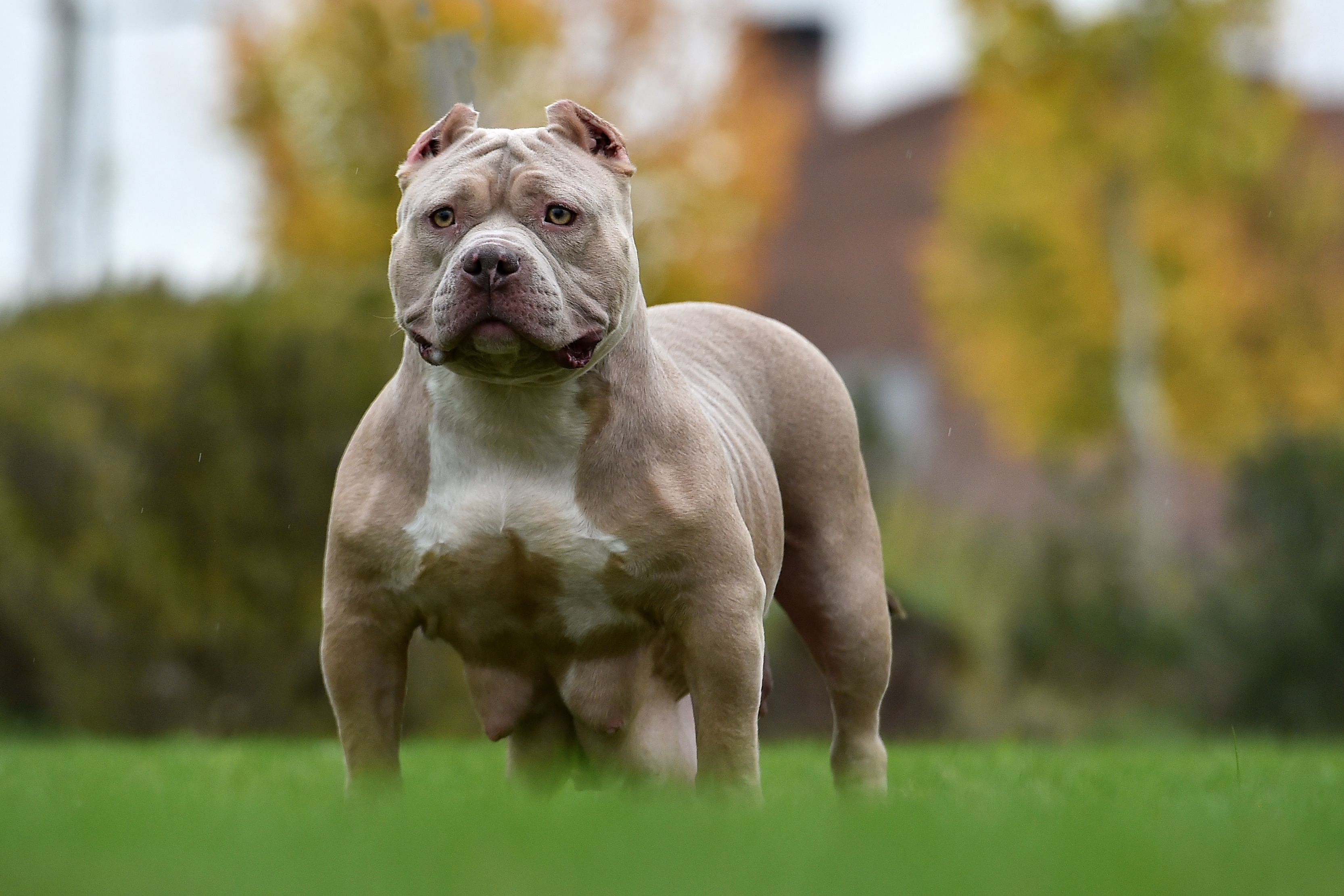
The recent expansion of the Dangerous Dogs Act 1991, particularly the inclusion of the XL Bully type, has sparked a national conversation that extends far beyond animal welfare. For pet owners, breeders, and the broader UK economy, the ban on specific dog breeds is not merely a legal hurdle; it is a significant financial event. Understanding which breeds are banned—the Pit Bull Terrier, Japanese Tosa, Dogo Argentino, Fila Brasileiro, and now the XL Bully—is the first step in identifying a complex web of personal finance risks, insurance liabilities, and public sector expenditures.
From a “Money” perspective, the ban creates a ripple effect across the pet industry, affecting everything from professional indemnity insurance for veterinarians to the resale value of specific lineages. This article explores the fiscal realities of the UK’s breed-specific legislation (BSL) and what it costs to navigate a landscape where certain biological assets are deemed illegal.
1. The Personal Finance Impact for Owners: The Price of Compliance
When a breed is added to the banned list, owners who wish to keep their pets are met with a series of mandatory expenses. These are not optional “upgrades” but statutory requirements to avoid criminal prosecution and the destruction of the animal.
Statutory Fees and the Exemption Process
To legally keep a banned breed, such as an XL Bully, owners in the UK must apply for a Certificate of Exemption. This process carries a direct application fee (currently £92.40). While this may seem nominal, it is merely the gateway to more substantial costs. To qualify for the certificate, the owner must provide proof of microchipping and neutering. In the case of large breeds, neutering surgeries can range from £200 to £500 depending on the veterinary clinic and the weight of the dog.
The Insurance Gap and Third-Party Liability
Perhaps the most significant ongoing cost is the requirement for third-party public liability insurance. For banned breeds, standard pet insurance policies—which usually cover veterinary bills—are often voided or unavailable. Owners are forced to seek specialist insurance, often through organizations like the Dogs Trust, which provides the necessary liability coverage as part of its membership. However, this coverage typically only protects the owner against damage or injury caused by the dog to others; it does not cover the dog’s own health issues. Consequently, owners of banned breeds face the “double hit” of paying for liability insurance while simultaneously self-funding all veterinary care, which for large breeds can reach thousands of pounds annually.
Equipment and Behavioral Maintenance
The law requires banned breeds to be muzzled and kept on a lead in public at all times. This necessitates the purchase of specialized, high-durability muzzles and harnesses. Furthermore, because these dogs cannot be exercised freely in public parks, many owners find themselves paying for “private field hire.” This emerging industry charges between £10 and £25 per hour to allow owners of restricted breeds a secure, legal space to exercise their animals, adding a recurring weekly expense to the household budget.
2. The Economic Burden on the UK Public Sector
The enforcement of breed-specific legislation is an expensive undertaking for the taxpayer. The financial machinery required to identify, seize, kennel, and potentially euthanize prohibited animals involves multiple branches of government and significant resource allocation.
Policing and Enforcement Costs
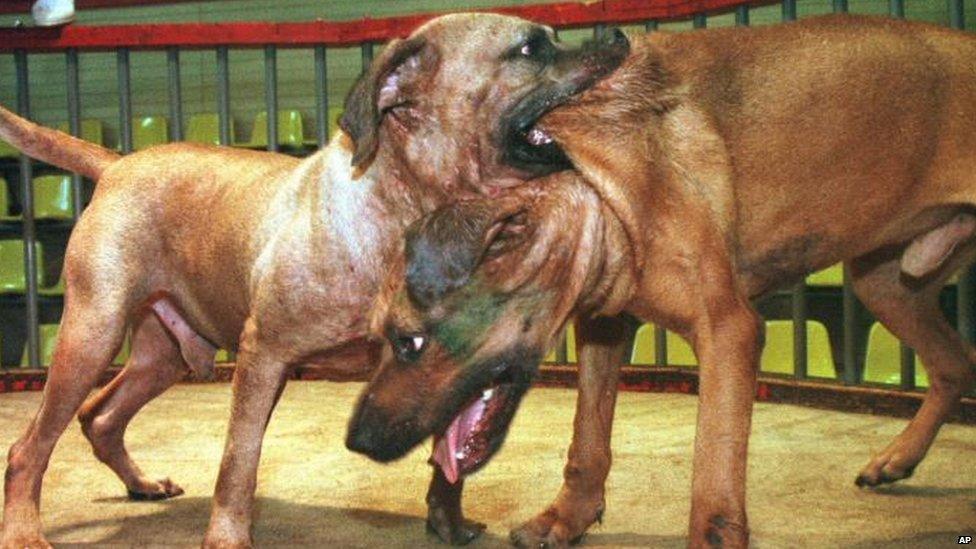
The Metropolitan Police and regional forces across the UK maintain dedicated Status Dogs Units. The cost of training officers to identify prohibited “types” and the operational expenses of seizing animals are substantial. According to freedom of information requests, the cost of kenneling seized dogs while court cases are pending has reached millions of pounds. Because the legal definition of a “type” (such as a Pit Bull) is based on physical measurements rather than DNA, legal battles over a dog’s status can drag on for months, with the public purse footed for the daily boarding fees.
The Cost of Euthanasia and Disposal
In instances where an owner does not apply for an exemption or a court deems a dog a danger to public safety, the state bears the cost of euthanasia and clinical waste disposal. While the government offered a £200 compensation voucher for owners of XL Bullies who chose to euthanize their pets before the ban took effect, the long-term administrative costs of managing these claims and the subsequent veterinary subsidies represent a significant localized government expenditure.
3. Professional Liability and the Pet Services Industry
The ban on specific breeds has forced a total recalibration of business models within the UK’s £3 billion pet care sector. Businesses must now account for increased risk and legal complexity when dealing with restricted breeds.
Veterinary Surgeons and the “Right to Refuse”
Veterinary practices operate as private businesses. The ban has introduced a financial and ethical dilemma: perform euthanasia on healthy animals or risk the liability of treating them. Many vets have had to update their professional indemnity insurance to ensure they are covered when handling restricted breeds. Additionally, the time required for administrative record-keeping regarding exempted dogs reduces the number of billable appointments available, impacting the bottom line of small practices.
Professional Dog Walkers and Boarding Kennels
For professional dog walkers and boarding facilities, the financial risk of handling a banned breed is often too high. Most standard business insurance policies for dog walkers explicitly exclude “banned types.” To include them, premiums can skyrocket, or the policy may require the walker to maintain a 1-to-1 ratio, eliminating the “pack walk” model that makes the business profitable. As a result, many businesses have simply banned these breeds from their client lists, leading to a loss of revenue and a narrowing of the market.
4. The Market Shift: Valuation and the Shadow Economy
Legislation invariably alters the market value of the subjects it regulates. The ban on specific breeds has caused a dramatic shift in the “pet economy,” affecting the valuation of animals and the rise of unregulated financial transactions.
The Collapse of Asset Value for Breeders
Before the ban, a high-pedigree XL Bully could be sold for anywhere between £2,000 and £10,000. Almost overnight, the legal market for these dogs vanished, as it became illegal to sell, gift, or rehome them. This represents a total loss of “inventory value” for legitimate breeders who were operating within the law prior to the announcement. This loss of income has pushed some breeders toward “legal alternatives”—breeding other large, non-banned mastiff types—which in turn drives up the market price for those breeds due to sudden high demand.
The Black Market and Underground Economy
When a commodity is banned but demand remains, a shadow economy inevitably forms. There is a financial incentive for unscrupulous actors to mislabel banned breeds as “legal” crosses (e.g., labeling a Pit Bull cross as a Staffordshire Bull Terrier) to circumvent the law and maintain high sale prices. This creates a “buyer beware” market where consumers risk losing their entire investment—and their pet—if the animal is later identified by authorities as a banned type.
Financial Penalties as a Deterrent
The UK legal system uses financial penalties as a primary tool for enforcing the Dangerous Dogs Act. Owners found in possession of an unregistered banned dog face unlimited fines. These fines are designed to be punitive, often exceeding the original “purchase price” of the dog. For the state, these fines recoup some enforcement costs, but for the individual, they can lead to significant debt or personal bankruptcy, especially when combined with the legal fees required for a defense.
Conclusion: The Long-Term Financial Outlook
The ban on specific dog breeds in the UK is a prime example of how legislative changes can disrupt a micro-economy. From the individual owner facing hundreds of pounds in annual compliance costs to the taxpayer-funded millions spent on police enforcement and kenneling, the financial footprint of the Dangerous Dogs Act is massive.
As the UK continues to refine its list of prohibited breeds, the pet industry must remain agile. For the savvy consumer or business owner in the pet space, “Money” management now requires a deep understanding of “Law.” Whether it is the rising cost of private exercise fields or the shifting landscape of liability insurance, the cost of owning a dog in the UK is increasingly dictated by the breed’s legal status. Compliance is no longer just a matter of safety—it is a significant financial commitment that requires careful budgeting and risk assessment.
aViewFromTheCave is a participant in the Amazon Services LLC Associates Program, an affiliate advertising program designed to provide a means for sites to earn advertising fees by advertising and linking to Amazon.com. Amazon, the Amazon logo, AmazonSupply, and the AmazonSupply logo are trademarks of Amazon.com, Inc. or its affiliates. As an Amazon Associate we earn affiliate commissions from qualifying purchases.