
The enduring fascination with wolves, those iconic symbols of the wild, often leads dog enthusiasts and researchers alike to ponder a fundamental question: which domestic dog breed retains the most significant genetic, behavioral, or morphological similarities to its lupine ancestors? While all dogs (Canis familiaris) are descendants of wolves (Canis lupus), the thousands of years of selective breeding have sculpted a bewildering array of breeds, each diverging to varying degrees from their wild origins. Exploring this fascinating query requires a multi-faceted approach, delving into cutting-edge technology, understanding the ‘brand’ perceptions surrounding these breeds, and acknowledging the significant financial implications of owning a truly primal companion.

The Ancient Echo: Unraveling Canine Ancestry Through Genetics and AI
The quest to identify the dog breed closest to the wolf is no longer solely reliant on subjective observation. Modern science, particularly advancements in technology, provides powerful tools to peer into the evolutionary past, offering objective data points for comparison. Genomics and artificial intelligence are revolutionizing our understanding of canine lineage, allowing us to trace the ancient echoes of the wolf in our modern companions.
Decoding DNA: The Genomic Blueprint of Wolf-Likeness
At the heart of identifying wolf-like breeds lies genetic analysis. Breakthroughs in DNA sequencing and bioinformatics have allowed scientists to map the canine genome, comparing specific genetic markers, mitochondrial DNA, and Y-chromosome patterns between various dog breeds and wild wolf populations. These studies have consistently pointed to several “ancient breeds” that show minimal genetic divergence from their wolf ancestors, often predating the intensive selective breeding practices that characterized later canine development.
Breeds like the Siberian Husky, Alaskan Malamute, Samoyed, Akita Inu, and Shiba Inu frequently appear in genetic studies as being among the oldest and most wolf-like. These dogs originate from regions where dogs coexisted with wolves for extended periods, and their lineage reflects fewer genetic bottlenecks or crosses with highly specialized domesticated breeds. The Chow Chow and Basenji also often feature on these lists, surprising many due to their distinctive appearances but validating their ancient origins. Beyond these, specific “wolf-like” breeds created through direct wolf-dog hybridization, such as the Czechoslovakian Wolfdog and the Saarloos Wolfdog, intentionally carry a high percentage of recent wolf DNA, making their genetic proximity undeniable, though they occupy a unique category distinct from naturally evolved breeds.
Genetic testing for consumers, widely available through services like Embark and Wisdom Panel, allows owners to delve into their dog’s ancestry, identifying breed compositions and even detecting specific health markers. For those curious about their dog’s wolf-likeness, these tests can confirm the presence of ancient breed genetics and, in some cases, even detect recent wolf hybridization. This technological democratisation of genetic insight empowers owners with a deeper understanding of their pet’s primal heritage, moving beyond mere appearance to scientific confirmation.
AI and Machine Learning: New Frontiers in Phenotypic and Behavioral Analysis
While genetics provide the deep historical link, artificial intelligence (AI) and machine learning offer complementary insights by analyzing the observable characteristics – both physical (phenotype) and behavioral. AI’s capacity to process vast amounts of data can help objectively compare dog breeds to wolves in ways human observers might miss or misinterpret.
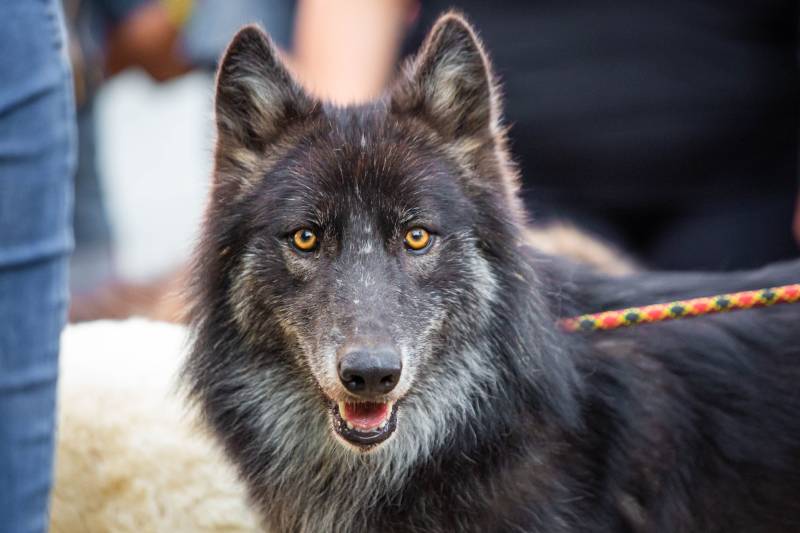
For physical traits, AI-powered image recognition software can analyze intricate details of skull structure, tooth alignment, coat texture and coloration, eye shape, and body proportions across thousands of images. By feeding these algorithms datasets of wild wolves and various dog breeds, the AI can identify patterns and quantitative measures of similarity. For example, the elongated muzzle, almond-shaped eyes, erect ears, and robust bone structure characteristic of many wolf breeds can be precisely quantified and compared to their lupine counterparts. Breeds like the German Shepherd, despite being a relatively modern creation, often score highly in phenotypic wolf-likeness due to intentional breeding for a particular look and working ability, even if their genetic distance from wolves is greater than some of the ancient Spitz breeds.
On the behavioral front, AI can analyze vocalizations, movement patterns, social interactions, and responses to stimuli. Machine learning models can be trained on documented wolf behaviors – such as specific howling patterns, predatory sequences, resource guarding, or denning instincts – and then used to evaluate domestic dogs. Wearable technology for dogs, equipped with accelerometers, GPS, and audio recorders, can gather objective behavioral data on activity levels, patrolling habits, and communication patterns. AI can then interpret this data, identifying similarities in the intensity of drives, independence, pack dynamics, and problem-solving skills that might mirror those found in wolves. While no domestic dog perfectly replicates wolf behavior, breeds known for their independence, strong prey drive, and vocal communication (like the Northern breeds) often exhibit behaviors that resonate more closely with their wild ancestors than, say, a Cavalier King Charles Spaniel. This blend of genetic and AI-driven phenotypic/behavioral analysis paints a comprehensive picture of what truly makes a dog “closest to the wolf.”
The Brand of the Breed: Marketing Primal Instincts in a Modern World
Beyond scientific classification, the perception and desirability of “wolf-like” dogs are heavily influenced by branding – how these breeds are presented, understood, and marketed to the public. This encompasses everything from responsible breeder branding to specialized pet product branding, all playing a role in shaping our interaction with these primal companions.
Cultivating Identity: Breeder Ethics and the Lure of the Wild
The “brand” of a wolf-like dog breed is a powerful magnet, drawing individuals seeking a connection to nature, an intelligent companion, or a visually striking animal. Reputable breeders understand this allure and strive to brand their kennels and dogs ethically. Their brand strategy often emphasizes health, temperament, and responsible ownership, acknowledging the unique challenges these breeds present. They focus on educating prospective owners about the commitment required, the need for extensive socialization, robust training, and adequate exercise to manage the strong instincts inherited from their wolf ancestors. The “brand promise” of such breeders is not just a wolf-like appearance, but a well-adjusted, healthy dog that can thrive in a domestic setting with the right guidance.
However, the powerful visual appeal of wolf-like dogs can also attract irresponsible breeders driven by profit, who prioritize aesthetics over health or temperament. These individuals might exploit the “lure of the wild” without proper regard for genetic health or the welfare of the animals, potentially leading to dogs with unstable temperaments or significant behavioral issues. This highlights the critical importance of a breeder’s brand reputation – a strong, ethical brand built on transparency and integrity is paramount when dealing with breeds that carry such significant primal traits. Breed clubs and associations play a vital role in cultivating the positive brand identity of these dogs, establishing breed standards, promoting ethical practices, and providing resources for responsible ownership. Their branding efforts aim to distinguish legitimate, healthy representatives of a breed from poorly bred or potentially dangerous animals, safeguarding the reputation of the entire breed category.

Product Innovation and Lifestyle Branding for Wolf-Alike Canines
The niche of wolf-like dogs has also spurred significant innovation in pet product and service branding. Owners of these breeds often require specialized solutions tailored to their dogs’ specific needs, which are often more akin to a wild animal than a typical house pet. This creates a fertile ground for brands focusing on durability, engagement, and advanced training.
Consider the branding of specialized training programs. Unlike standard obedience classes, training for wolf-like breeds often incorporates elements of positive reinforcement rooted in understanding canine pack dynamics, prey drive management, and independent problem-solving. Brands in this space position themselves as experts in “primal training” or “instinct-led education,” catering to owners seeking to channel their dog’s natural intelligence and energy constructively.
Similarly, pet product brands recognize the need for robust, engaging toys, high-quality, biologically appropriate nutrition, and specialized gear. Branding for these products often emphasizes durability (“wolf-proof”), mental stimulation (“enrichment for intelligent canines”), and natural ingredients (“fueling the wild spirit”). Digital content creators, influencers, and online communities also contribute to lifestyle branding, showcasing the adventures, training triumphs, and unique bond with their wolf-like companions. This lifestyle branding reinforces the idea that owning such a dog is not merely pet ownership, but an immersive experience requiring dedication, specialized knowledge, and a willingness to embrace the magnificent wildness within. This creates a distinct market segment where products and services are specifically designed and branded to meet the demands of a dog that is, in many ways, still very close to its wolf ancestor.
The Financial Footprint: Investing in a Wolf-Like Companion
Owning a dog that is genetically or phenotypically close to a wolf comes with a unique set of financial considerations that extend far beyond the initial purchase price. This investment reflects the specialized needs, challenges, and long-term commitments inherent in caring for a companion with pronounced primal instincts.
Beyond the Purchase Price: The True Cost of Primal Companionship
The initial cost of acquiring a wolf-like dog can vary widely. Reputable breeders of ancient breeds (like Huskies, Malamutes, Akitas) might charge anywhere from $1,000 to $3,000 or more, reflecting the quality of their breeding program, health screenings, and lineage. For actual wolfdogs or breeds specifically designed for wolf-likeness (e.g., Czechoslovakian Wolfdog), the price can be significantly higher, sometimes exceeding $5,000, due to rarity, specific breeding requirements, and increased demand. While rescuing offers a more affordable option, potential behavioral issues or unknown history might lead to higher subsequent costs.
However, the purchase price is often a small fraction of the total lifetime expenditure. Wolf-like breeds typically require high-quality, often specialized, nutrition tailored for their high energy levels and sometimes sensitive digestive systems. These premium foods can cost significantly more per month than standard kibble. Training is another major financial commitment. Due to their intelligence, independence, and strong instincts, these dogs often benefit from, or even require, professional training that goes beyond basic obedience. Specialized trainers experienced with working breeds or wolf-like temperaments command higher fees. Furthermore, extensive socialization classes and ongoing behavioral consultation can add hundreds to thousands of dollars to the budget.
Veterinary care, while necessary for all dogs, can also carry additional costs. While many wolf-like breeds are robust, some are prone to specific genetic conditions (e.g., hip and elbow dysplasia in large breeds, eye issues in Northern breeds). Moreover, their independent nature can sometimes lead to injuries during adventurous exploits. Pet insurance, though a wise investment, may also be more expensive or have breed-specific exclusions due to perceived higher risk. Lastly, the need for robust containment (tall, escape-proof fencing) and durable equipment (harnesses, leashes, chew-proof toys) adds to the setup and ongoing expenses, underscoring that the financial investment in these dogs is substantial and continuous.
Economic Opportunities and Ethical Considerations in the Wolf-Dog Niche
The specialized needs of wolf-like dogs have, in turn, created unique economic opportunities. Businesses catering specifically to these breeds flourish, including specialized boarding facilities equipped to handle powerful, active dogs, dog walking services trained in handling high-energy canines, and product manufacturers designing ultra-durable toys and gear. Online businesses selling specialized training guides, nutritional supplements, and interactive enrichment tools for intelligent and active breeds also tap into this niche market. Trainers who specialize in behavioral modification for wolf-like dogs are in high demand, offering valuable services that contribute significantly to responsible ownership.
However, the financial aspect also intertwines with critical ethical considerations, particularly regarding the breeding of wolfdogs. While there’s a market for these unique animals, the significant financial incentive can sometimes overshadow the immense commitment and potential welfare challenges involved. Wolfdogs, especially high-content ones, are often subject to breed-specific legislation, insurance restrictions, and can be challenging to rehome if owners are unprepared. The ethics of breeding animals that blur the line between wild and domestic for profit raises questions about responsible animal husbandry and the long-term well-being of these creatures.
For breeds that are merely “wolf-like” in appearance or genetics, the financial incentive for breeders to produce visually appealing puppies without proper health screening can perpetuate genetic health problems. This reinforces the ethical imperative for buyers to support reputable breeders whose financial model prioritizes health, temperament, and education over sheer volume or trend-driven breeding. Ultimately, the economic landscape surrounding wolf-like dogs is a double-edged sword: it offers opportunities for specialized care and products but also demands a strong ethical framework to ensure the well-being of these magnificent animals who carry the legacy of the wild.
Conclusion: Embracing the Wild Within
The question “what breed of dog is closest to the wolf?” is a gateway to a fascinating intersection of science, culture, and economics. From the genetic insights offered by DNA sequencing and the analytical power of AI, which highlight ancient breeds like the Siberian Husky, Alaskan Malamute, and Akita, to the intentional creation of wolf-hybrids like the Czechoslovakian Wolfdog, technology provides objective answers.
Yet, beyond the scientific data, the “brand” surrounding these wolf-like breeds shapes our perceptions and desires. Ethical breeders strive to educate and prepare owners for the unique challenges, while specialized products and services cater to the distinct needs of these primal companions. This entire ecosystem has significant financial implications, from the initial investment and ongoing specialized care to the ethical responsibilities of breeding and ownership.
Ultimately, owning a dog close to the wolf lineage is more than just having a pet; it’s a commitment to understanding and respecting the ancient instincts that still thrive within them. It requires a profound appreciation for their intelligence, independence, and energy, ensuring that their magnificent primal spirit is channeled into a fulfilling and harmonious life in the modern world.
aViewFromTheCave is a participant in the Amazon Services LLC Associates Program, an affiliate advertising program designed to provide a means for sites to earn advertising fees by advertising and linking to Amazon.com. Amazon, the Amazon logo, AmazonSupply, and the AmazonSupply logo are trademarks of Amazon.com, Inc. or its affiliates. As an Amazon Associate we earn affiliate commissions from qualifying purchases.