
In the late 1980s, a singular cinematic event transformed an obscure French working dog into an international icon. While audiences flocked to theaters to see the buddy-cop chemistry between Tom Hanks and a slobbering canine, the true success story lay in the strategic brand positioning of a specific animal. When people ask, “What breed is Hooch from Turner & Hooch?”, they are not just asking for a biological classification; they are inquiring about a brand identity that has endured for over three decades.
The Dogue de Bordeaux, the breed behind the character of Hooch, represents one of the most successful examples of accidental brand scaling in the history of the pet industry and Hollywood marketing. By analyzing this phenomenon through the lens of brand strategy, we can uncover how visual storytelling, character architecture, and market positioning can elevate a niche entity into a global household name.

Identity and Recognition: Beyond the Question of Breed
Before 1989, the Dogue de Bordeaux was virtually unknown outside of specialized circles in Europe. It was a “boutique” breed with ancient roots but zero market penetration in North America. The film Turner & Hooch acted as the primary vehicle for a massive brand launch, effectively introducing a new product to a global audience.
The Dogue de Bordeaux as a Niche Asset
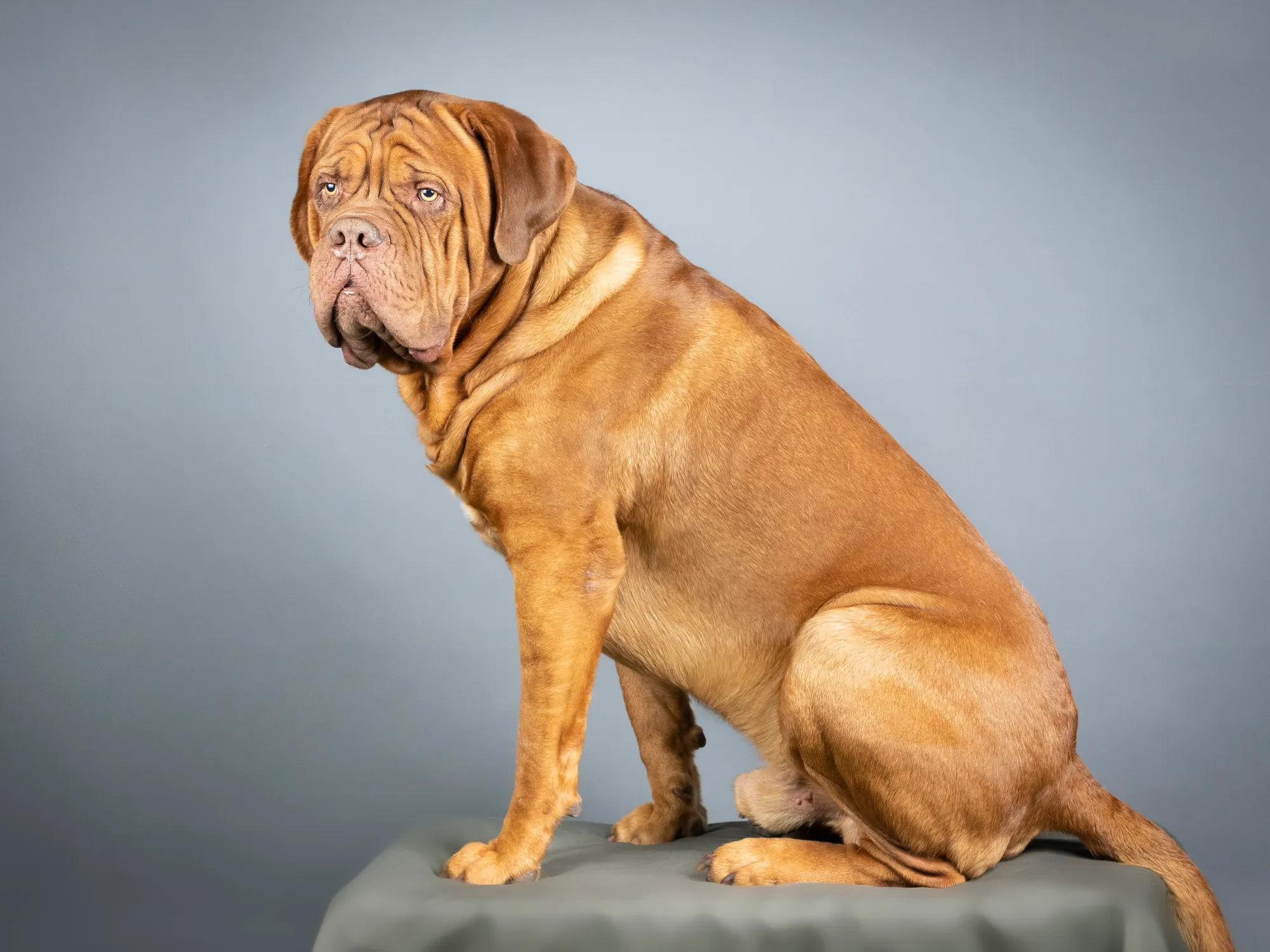
In brand strategy, a niche asset is something that possesses high distinctiveness but low awareness. The Dogue de Bordeaux—with its massive head, wrinkled brow, and mahogany coat—offered a visual profile that was entirely different from the more common Labradors or German Shepherds of the era. From a branding perspective, this distinctiveness provided a “Unique Selling Proposition” (USP). The producers didn’t just choose a dog; they chose a visual identity that could stand toe-to-toe with one of the world’s most recognizable movie stars.
From Obscurity to Household Name
The transition from a “French Mastiff” to “The Hooch Dog” is a classic case study in brand association. When a brand lacks its own recognition, it leverages the equity of a larger platform. By placing this rare breed alongside Tom Hanks and under the banner of a major Disney-distributed film (Touchstone Pictures), the breed’s identity became inextricably linked to the qualities of the film: grit, loyalty, and humor. This association created instant “brand recall,” where the breed itself became the visual shorthand for the movie’s emotional resonance.
Character Branding: The Architecture of the “Slobbering Hero”
A brand is more than a logo; it is a set of expectations and a personality. The “Hooch” brand was meticulously constructed to contrast with the character of Scott Turner. This contrast is a fundamental principle in brand strategy—using a “foil” to highlight specific attributes.
Visual Identifiers and Brand Consistency
The “Hooch” brand was defined by three primary visual identifiers: the size (power), the wrinkles (wisdom/character), and the drool (the “flaw” that makes it human). In modern branding, these are known as brand assets. The slobber, while arguably unappealing in a domestic setting, became a key brand signature that differentiated Hooch from the “perfect” dogs seen in previous cinematic history. This “authentic imperfection” is a strategy used by many modern lifestyle brands to build trust and relatability with their audience.

The Archetype of the Reluctant Partner
In the narrative of the film, Hooch is positioned as the “disruptor.” Every strong brand needs a narrative arc. Hooch disrupts Scott Turner’s sterile, organized life, eventually leading to a transformation. This mirrors how disruptive brands (like Uber or Airbnb) enter a market: they create initial friction but eventually become indispensable. By framing the Dogue de Bordeaux as a disruptive but ultimately loyal force, the film created an emotional blueprint for how the public perceived the breed’s temperament, regardless of the breed’s actual historical function as a guardian or hunter.
Market Positioning and the Legacy of “Turner & Hooch”
When a brand achieves the level of exposure seen in Turner & Hooch, the market reacts. The “Hooch Effect” led to a surge in demand for the Dogue de Bordeaux, presenting a fascinating look at how cinematic branding influences real-world supply and demand cycles.
The Commercial Impact on Breed Demand
In the years following the film’s release, the Dogue de Bordeaux saw a meteoric rise in registration numbers with kennel clubs worldwide. This is the “productization” of a living being. Investors and breeders recognized the “brand equity” generated by the film and moved to capitalize on it. However, because the Dogue de Bordeaux is a complex breed with significant health and training requirements, this surge in demand highlighted the dangers of a brand growing faster than its infrastructure could support.
Brand Dilution and the Risks of Hollywood Fame
One of the most critical risks in brand management is “brand dilution” or “brand fatigue.” When a breed becomes famous through a movie, the public often buys into the “fictional brand” (the well-behaved, heroic movie dog) rather than the “actual product” (the high-maintenance, massive mastiff). This disconnect often leads to a backlash. For the Dogue de Bordeaux, the legacy of Hooch meant that many owners were unprepared for the reality of the breed, leading to an increase in rescues and health issues. This serves as a cautionary tale for brand strategists: your marketing must align with the actual consumer experience, or the brand’s reputation will suffer in the long term.
Strategic Lessons for Modern Brand Management
The story of the Dogue de Bordeaux and Turner & Hooch provides several high-level insights for brand managers and marketing professionals today. It demonstrates the power of visual storytelling and the lasting impact of a well-executed identity launch.
Storytelling as a Catalyst for Awareness
The “Hooch” phenomenon proves that people do not buy products; they buy stories. The breed became popular not because of its physical specifications, but because of the story of loyalty and sacrifice portrayed on screen. In modern brand strategy, the most successful companies are those that can weave their product into a larger narrative that resonates with human emotions. Whether it is an AI tool or a luxury vehicle, the narrative is the bridge between a feature and a feeling.
Managing Long-Term Brand Perception
Decades after the film, the Dogue de Bordeaux is still referred to as “The Turner & Hooch Dog.” This is the ultimate achievement in brand stickiness. However, it also presents a challenge: how does a brand evolve beyond its original breakout moment? The breed community has worked for years to re-brand the Dogue de Bordeaux as a versatile, noble guardian, moving away from the “slobbering mess” caricature. This highlights the importance of “brand evolution”—the process of updating a brand’s identity to meet current market standards while respecting its heritage.
In conclusion, when we look at the Dogue de Bordeaux through the lens of the 1989 classic, we see more than just a dog breed; we see a masterclass in cinematic branding. The film took a rare “product” and gave it a face, a personality, and a global market. For professionals in brand strategy and marketing, the “Hooch Effect” remains a powerful reminder that with the right positioning, even the most obscure entity can become an enduring symbol of a culture’s collective imagination. Whether you are building a personal brand or a corporate identity, the lessons of Hooch—authenticity, disruptiveness, and emotional connection—remain timeless.
aViewFromTheCave is a participant in the Amazon Services LLC Associates Program, an affiliate advertising program designed to provide a means for sites to earn advertising fees by advertising and linking to Amazon.com. Amazon, the Amazon logo, AmazonSupply, and the AmazonSupply logo are trademarks of Amazon.com, Inc. or its affiliates. As an Amazon Associate we earn affiliate commissions from qualifying purchases.