
In the dynamic world of automotive branding, few names carry the weight of history and expectation quite like “Wagoneer.” For decades, it represented a pioneering spirit, a blend of rugged capability, and unexpected luxury. Its recent reintroduction into the market has sparked considerable discussion, not just about the vehicle itself, but more profoundly, about its brand identity. Is Wagoneer a standalone brand, a sub-brand of Jeep, or simply a premium model line? Understanding this complex brand architecture is crucial for anyone interested in strategic branding, corporate identity, and the nuanced ways companies position their offerings in a competitive landscape. The answer is less straightforward than a simple label; it’s a masterclass in brand evolution and strategic market segmentation by its parent company, Stellantis.
The Legacy of a Name: Wagoneer’s Storied Past
To comprehend the contemporary branding strategy behind Wagoneer, one must first appreciate its deep historical roots. The name “Wagoneer” isn’t a recent invention but a revival of an automotive icon that predates many of today’s luxury SUV contenders. Its initial foray into the market laid the groundwork for an entire vehicle segment, forever altering consumer perceptions of what a utility vehicle could be.
Pioneering the Luxury SUV Segment
The original Wagoneer, introduced in 1963, was revolutionary. At a time when utility vehicles were predominantly utilitarian and rugged, designed for farmers or off-road enthusiasts, the Wagoneer dared to inject a significant dose of comfort, style, and advanced features. It was arguably the world’s first true luxury SUV, offering automatic transmissions, power steering, air conditioning, and even an independent front suspension – amenities unheard of in its class. This audacious move by Willys Motors, which later became Kaiser-Jeep, then American Motors Corporation (AMC), created a new category: a vehicle that could conquer rough terrain during the week and transport families to country clubs on the weekend. This dual functionality, wrapped in an increasingly sophisticated package, established the Wagoneer as a premium offering and set a precedent for future SUVs to blend utility with elegance. Its brand identity was forged on innovation and a unique value proposition that fused practicality with prestige, making it an aspirational vehicle for a burgeoning suburban class.
From Willys to AMC: Early Brand Transitions
The ownership history of the Wagoneer is a testament to the turbulent, yet innovative, period of the American auto industry. Initially launched under the Willys brand, it quickly transitioned through various corporate hands. Willys Motors became Kaiser-Jeep in 1963, and in 1970, American Motors Corporation (AMC) acquired Kaiser-Jeep. Each transition brought subtle shifts in corporate strategy and branding emphasis, yet the core identity of the Wagoneer endured. AMC, in particular, recognized the unique appeal of the Wagoneer and invested in its continuous refinement. This period saw the introduction of more luxurious trims, further solidifying its high-end positioning. Despite the changes in corporate parentage, the “Wagoneer” name itself became a consistent beacon of quality and pioneering spirit, demonstrating how a strong product identity can transcend corporate restructuring and maintain its inherent brand equity.
The Jeep Era: Solidifying an Icon
Perhaps the most significant chapter in the original Wagoneer’s history began when it became firmly associated with the Jeep brand. Although it started under the Willys-Overland umbrella, its peak iconic status was achieved under the “Jeep Wagoneer” moniker, particularly the “Grand Wagoneer” variant introduced in 1984. This model, with its distinctive woodgrain paneling, plush interiors, and robust capabilities, became synonymous with American luxury and adventure. The Jeep brand’s global recognition for off-road prowess lent immense credibility and an adventurous spirit to the Wagoneer. Conversely, the Wagoneer elevated Jeep’s image into a more premium segment, proving that the brand could extend beyond purely rugged vehicles. This symbiotic relationship solidified Wagoneer’s status as a top-tier offering within the broader Jeep family, creating a powerful brand association that persists to this day and profoundly influences its current brand positioning.
The Modern Rebirth: Wagoneer as a Premium Extension
The decision by Stellantis (the parent company formed by the merger of Fiat Chrysler Automobiles and PSA Group) to revive the Wagoneer nameplate was a calculated strategic branding move. It wasn’t merely about bringing back a beloved name; it was about filling a perceived gap in their portfolio and capitalizing on a powerful legacy to target new market segments.
A Strategic Move by Stellantis
Stellantis identified a clear opportunity in the highly lucrative full-size, premium SUV market, a segment where competitors like Cadillac Escalade and Lincoln Navigator had long held sway. While the Jeep Grand Cherokee offered a taste of luxury, it couldn’t fully compete at the very top tier in terms of size, features, and price point. The Wagoneer and Grand Wagoneer were conceived to directly challenge these established players. This strategic decision showcases a sophisticated understanding of brand extension and market segmentation. Instead of simply pushing the existing Jeep brand beyond its perceived limits, Stellantis opted to leverage the historical equity of Wagoneer to create a distinct, yet related, premium offering. It’s a deliberate effort to expand market share by creating a brand vehicle that resonates with an affluent demographic seeking an American luxury alternative.
Elevating the Brand Experience Beyond Jeep
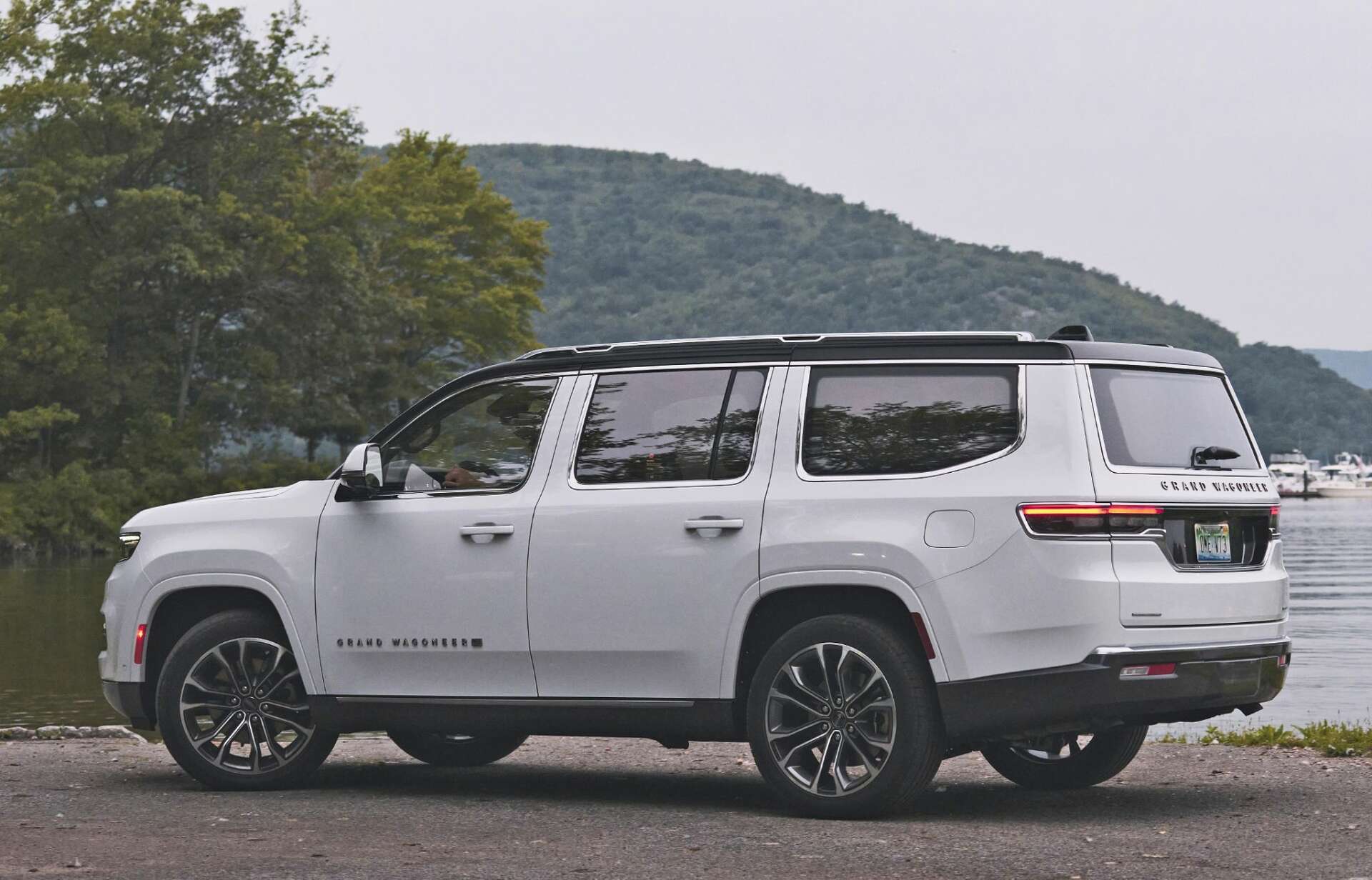
While undeniably rooted in the Jeep heritage of capability and adventure, the modern Wagoneer and Grand Wagoneer are positioned to offer a significantly elevated brand experience. This is evident in every facet of the vehicles, from their opulent interiors featuring premium materials and cutting-edge technology to their commanding road presence. The design language, though sharing some rugged cues with Jeep, is distinctly more refined and stately, emphasizing luxury and sophistication over pure off-road grit. The focus on passenger comfort, advanced safety features, and a seamless digital experience speaks to a consumer expecting world-class amenities. This deliberate differentiation in design, features, and overall feel aims to position Wagoneer not just as a “nicer Jeep,” but as a truly premium brand experience that stands on its own within the Stellantis ecosystem, catering to discerning buyers who might not traditionally consider a Jeep-badged vehicle.
Targeting a New Luxury Demographic
The reintroduction of Wagoneer is a direct play for a new demographic: customers who value spaciousness, advanced technology, refined aesthetics, and a prestige badge in the full-size SUV segment. These buyers might be cross-shopping against European luxury brands or domestic competitors known for their plush large SUVs. Stellantis aims to capture a slice of this market by offering an American-bred luxury SUV that can stand toe-to-toe with global rivals. The marketing strategy for Wagoneer is also distinct, often featuring more upscale imagery and messaging that emphasizes family comfort, sophisticated travel, and a sense of exclusive adventure, rather than the rugged, individualistic off-roading synonymous with the core Jeep brand. This targeted approach to branding ensures that the Wagoneer appeals to a specific, affluent customer base without diluting the core identity or market position of the broader Jeep brand.
Navigating Brand Hierarchy: Is Wagoneer a Standalone Brand or a Sub-Brand?
The most common question surrounding the Wagoneer’s identity centers on its precise position within the Stellantis brand hierarchy. Is it an entirely new, independent brand, or a high-end sub-brand under the established Jeep umbrella? The reality is nuanced, a sophisticated strategy that leverages both autonomy and association.
The Nuance of Brand Architecture

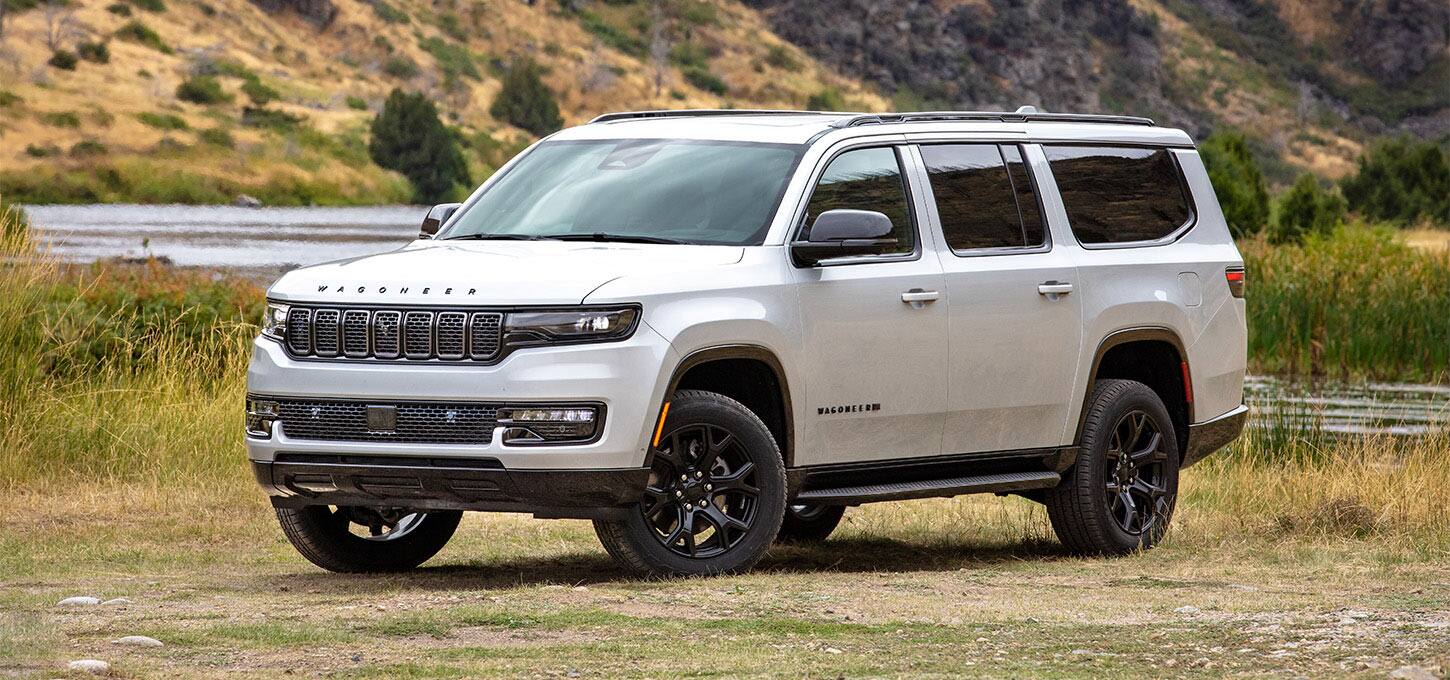
In brand architecture, a common model involves parent brands, sub-brands, and endorsement brands. The Wagoneer’s positioning skillfully dances between these definitions. While it’s largely considered a sub-brand of Jeep by many consumers due to shared dealerships and historical ties, Stellantis has made deliberate efforts to present it with a degree of independence. Dealers often display Wagoneer vehicles in separate showrooms or distinct areas, and the badging on the vehicles themselves prominently features “Wagoneer” or “Grand Wagoneer,” with the “Jeep” logo being much less conspicuous or absent on the exterior. This strategy creates a perception of elevated status and distinct identity, suggesting a shift towards an “endorsed brand” model where Jeep provides the underlying credibility and heritage, but Wagoneer maintains its own narrative and market positioning. This careful balancing act is essential for capturing new customers who might not be interested in the traditional Jeep image, while still leveraging the goodwill associated with the nameplate.
Distinguishing from Jeep: Design, Features, and Positioning
The distinction between Wagoneer and other Jeep models goes far beyond marketing collateral; it’s embedded in the product itself. From a design perspective, while both share some DNA, the Wagoneer’s aesthetics are more polished, grander, and undeniably geared towards luxury. Its interior layout, choice of materials, and advanced technological integration, such as multiple large displays, are designed to compete directly with high-end luxury SUVs, not just the rugged off-roaders that define much of the core Jeep lineup. Even the build quality and attention to detail aim for a higher standard commensurate with its premium pricing. This deliberate segmentation in product design and feature sets is critical in justifying its higher price point and differentiating its brand promise. It allows Stellantis to maintain the adventurous and accessible image of the main Jeep brand while offering a distinct, opulent proposition under the Wagoneer name.
Marketing the “Wagoneer” Brand: A Separate Narrative
The marketing campaigns for Wagoneer often adopt a tone and style distinct from traditional Jeep advertising. While Jeep campaigns frequently highlight rugged adventure, off-road capability, and a sense of freedom in the wilderness, Wagoneer advertising focuses on family journeys, sophisticated travel, spacious comfort, and advanced technology. It targets consumers who might drive a Mercedes-Benz GLS or Chevrolet Tahoe High Country, not necessarily those eyeing a Wrangler Rubicon. The narrative crafted around Wagoneer emphasizes its heritage of “American Premium” and “full-size luxury,” often featuring aspirational lifestyle imagery that conveys affluence and refinement. This separate narrative is a cornerstone of establishing Wagoneer’s independent brand identity, allowing it to cultivate its own unique emotional connection with its target audience without being overshadowed by the powerful, yet distinct, Jeep brand persona.
The Branding Implications: Risks and Rewards of This Strategy
Every significant branding move carries inherent risks and potential rewards. Stellantis’s strategy with Wagoneer is a high-stakes gamble aimed at expanding its footprint in a lucrative segment, but it requires careful navigation to maintain brand integrity across its portfolio.
Protecting the Core Jeep Identity
One of the primary risks of elevating Wagoneer into a near-independent luxury offering is the potential dilution or confusion of the core Jeep brand identity. Jeep is globally recognized for its ruggedness, off-road capability, and adventurous spirit. By creating a highly luxurious, pavement-oriented Wagoneer that shares some lineage, there’s a delicate balance to strike. Stellantis must ensure that Wagoneer’s premium positioning doesn’t inadvertently soften Jeep’s iconic tough image or make it seem less authentic to its heritage. The reward, however, is that a successful Wagoneer can elevate the perception of quality and capability for the entire Jeep family, proving the brand’s versatility and engineering prowess without forcing existing Jeep models into a luxury segment they weren’t designed for. This allows Jeep to maintain its authentic brand promise while the Wagoneer captures a new, upscale niche.
Attracting New Customers Without Alienating Loyalists
The Wagoneer’s strategy is fundamentally about attracting new customers to the Stellantis fold – those who previously might have overlooked a Jeep-branded vehicle for a more traditional luxury SUV. The distinct branding, premium features, and elevated experience are designed to appeal to this demographic. The risk, however, lies in alienating loyal Jeep customers who cherish the brand’s rugged, accessible, and often more affordable ethos. If the Wagoneer is perceived as too detached or exclusive, it could create a disconnect with the core brand values. The reward, if managed correctly, is a significant expansion of market reach, bringing new buyers into the Stellantis ecosystem and potentially cross-selling other brands or models over time. This requires a clear communication strategy that emphasizes Wagoneer’s unique position while reaffirming Jeep’s core values to its existing customer base.
The Long-Term Vision for Wagoneer’s Autonomy
The long-term vision for Wagoneer’s brand autonomy is still unfolding. Stellantis appears to be testing the waters, gradually establishing Wagoneer as a distinct premium brand rather than just another trim level. The potential reward here is the creation of a powerful new luxury marque that commands high margins and brand loyalty, eventually standing on its own, much like Lexus did for Toyota or Acura for Honda. The risk is that if the market doesn’t fully embrace Wagoneer as a standalone luxury proposition, or if it struggles to differentiate itself sufficiently from its competitors, the investment in a separate branding strategy could prove costly. The success of this vision hinges on consistent product excellence, targeted marketing, and a clear, compelling brand story that resonates with its intended audience over time, solidifying its place as a distinct and respected nameplate in the luxury SUV market.
Competitive Landscape and Brand Perception
The re-entry of Wagoneer into the market is not just an internal branding exercise for Stellantis; it’s a direct challenge to established players in the full-size luxury SUV segment. Its success hinges on its ability to carve out a unique identity and shape consumer perceptions effectively.
Vying for Market Share in the Luxury SUV Segment
The full-size luxury SUV segment is fiercely competitive, populated by well-entrenched brands like Cadillac (Escalade), Lincoln (Navigator), GMC (Yukon Denali), Mercedes-Benz (GLS), BMW (X7), and Land Rover (Range Rover). For Wagoneer to succeed, it must demonstrate compelling differentiation in terms of features, design, and most importantly, brand value. It needs to offer a distinct reason for consumers to choose it over decades-old rivals with strong brand loyalty. Its unique proposition often centers on combining American heritage and rugged capability (inherited from Jeep) with contemporary luxury, spaciousness, and advanced technology. This positions it as an appealing alternative for buyers seeking domestic luxury that doesn’t compromise on comfort or adventure.
Shaping Consumer Perceptions of Premium American Design
A crucial aspect of Wagoneer’s branding strategy is to re-establish and elevate consumer perceptions of “American Premium” design and engineering. For a period, European and Asian luxury brands often dominated the narrative around high-end vehicle craftsmanship. Wagoneer aims to prove that American automotive brands can deliver uncompromising luxury, sophisticated design, and cutting-edge technology that rivals the best in the world. Its bold styling, expansive interiors, and focus on integrated digital experiences are all designed to project an image of contemporary American luxury, distinct from both its European competitors and its own Jeep siblings. This requires a consistent message and product delivery that reinforces this premium perception at every touchpoint.
The Future of Brand Differentiation within Stellantis
The success of Wagoneer will undoubtedly influence future brand differentiation strategies within Stellantis. If Wagoneer effectively establishes itself as a profitable and respected premium marque, it could pave the way for similar brand extensions or reintroductions leveraging other historical names or creating new sub-brands. This strategy allows Stellantis to cast a wider net, addressing diverse customer needs and price points without forcing a single brand to be all things to all people. The long-term impact of Wagoneer’s branding will be observed in its ability to sustain sales, maintain high resale values, and cultivate a strong brand community that distinguishes it from both its luxury competitors and its own legendary Jeep lineage, ultimately solidifying its unique place in the automotive landscape.
aViewFromTheCave is a participant in the Amazon Services LLC Associates Program, an affiliate advertising program designed to provide a means for sites to earn advertising fees by advertising and linking to Amazon.com. Amazon, the Amazon logo, AmazonSupply, and the AmazonSupply logo are trademarks of Amazon.com, Inc. or its affiliates. As an Amazon Associate we earn affiliate commissions from qualifying purchases.