
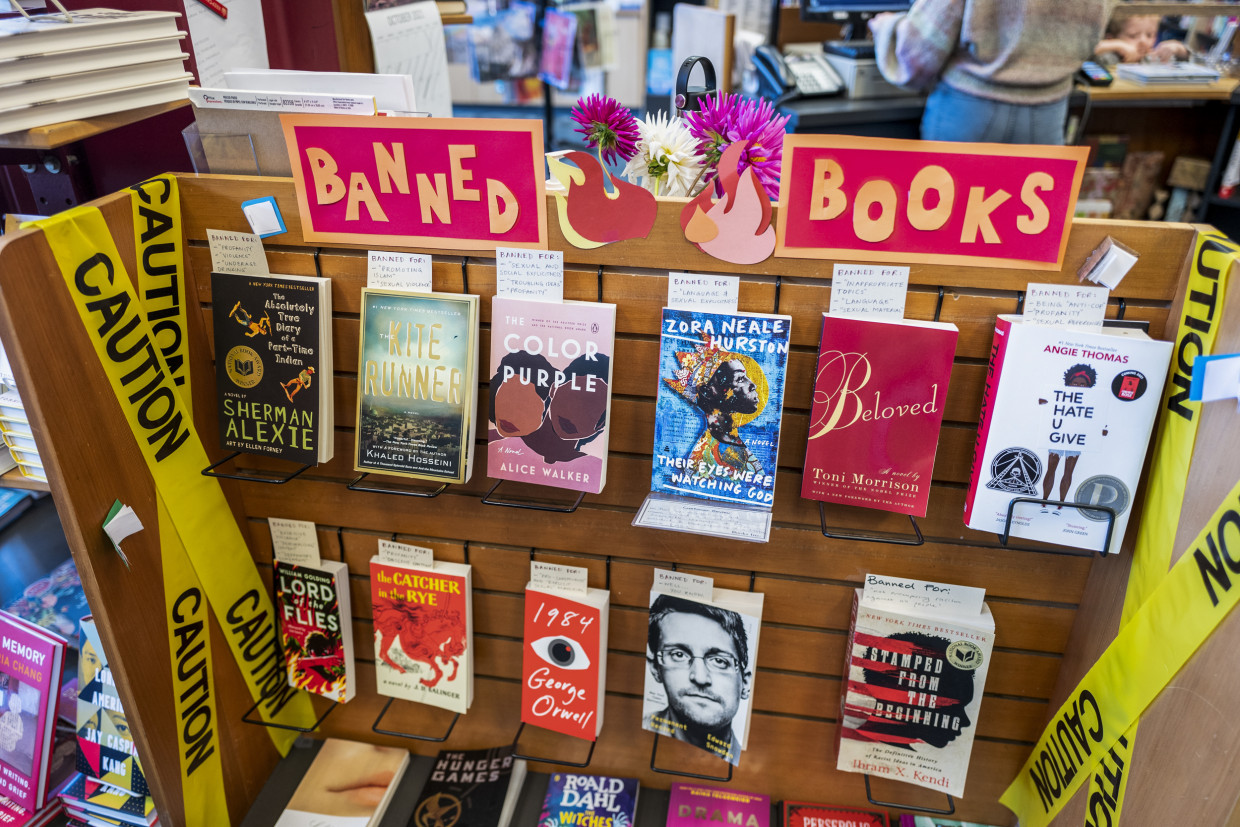
The landscape of literary access in the United States is currently undergoing a significant and often contentious shift. What books are being banned in the US is a question that probes the heart of intellectual freedom, educational priorities, and parental rights, manifesting in a surge of challenges to library and school materials. While the term “banned” is often used broadly, it typically refers to the removal of books from shelves or curriculum due to objections based on content. This phenomenon is not entirely new, but the scale and nature of recent challenges have raised widespread alarm among educators, librarians, civil liberties advocates, and readers alike. The motivations behind these book bans are multifaceted, often stemming from deeply held beliefs about morality, social values, and the appropriate material for young minds. Understanding the scope and impact of these bans requires a detailed examination of the types of books being targeted, the reasons cited for their removal, and the broader implications for free expression and access to information.
The Shifting Terrain of Literary Censorship
Book bans in the US are not a monolithic event; they are a dynamic and evolving issue. While historically censorship often targeted works deemed politically subversive or sexually explicit in a general sense, the contemporary wave exhibits a more focused, and often more pervasive, strategy. This shift can be attributed to several factors, including the increased organization of advocacy groups, the leveraging of social media for mobilization, and a growing polarization of societal viewpoints regarding sensitive topics. The impact is felt most acutely within educational institutions, where the selection of curriculum and library resources is subject to intense scrutiny.
The Rise of Organized Book Challenges
A defining characteristic of the current wave of book challenges is the increased level of organization behind them. Groups dedicated to reviewing and challenging library and school materials have become more vocal and effective. These organizations often provide curated lists of books and suggested strategies for parents and community members to voice their objections. This coordinated effort has led to a significant uptick in the number of formal challenges filed, overwhelming school districts and libraries with requests for review. The speed at which information and mobilization can occur through digital platforms has amplified the reach and impact of these groups, making the issue of book bans a national conversation rather than isolated incidents.
Targeting K-12 Education and Public Libraries
The primary battlegrounds for book bans in the US are K-12 school districts and public libraries. These institutions are seen as crucial gatekeepers of information and formative environments for young people. The challenges often arise from parents who express concerns about the age-appropriateness of certain content or who believe specific books promote ideologies they disagree with. School boards and library boards find themselves in the difficult position of balancing parental rights with the principles of intellectual freedom and the professional judgment of educators and librarians. The selection of books in these settings is often scrutinized for themes related to race, gender, sexuality, and historical events, reflecting broader societal debates.
Trends in Targeted Content: What’s on the Banned List?
The books currently facing the most challenges and removals tend to address themes that are central to contemporary social and political discourse. While the specific titles vary, a discernible pattern emerges concerning the subject matter that is most frequently deemed controversial. This focus is not random; it reflects anxieties and disagreements about how society should address issues of identity, history, and social justice.
Books Addressing Race, Racism, and American History
A significant portion of challenged books deals with the complexities of race, racism, and the historical experiences of marginalized communities, particularly Black Americans. Titles that explore slavery, the Civil Rights Movement, and the ongoing impact of systemic racism are frequently targeted. Critics often argue that these books are divisive, promote guilt, or present a biased view of American history. Proponents, however, contend that these works are essential for fostering a comprehensive understanding of the nation’s past and present, promoting empathy, and equipping students with the critical thinking skills needed to navigate a diverse society. The debate often centers on whether historical narratives should be presented in a way that avoids discomfort or in a manner that encourages critical engagement with difficult truths.
LGBTQ+ Themes and Representation
Books featuring LGBTQ+ characters, relationships, and themes are another prominent category facing challenges. This includes stories that explore gender identity, sexual orientation, and the experiences of LGBTQ+ youth. Objections are frequently framed around concerns about age-appropriateness, the perceived promotion of a particular lifestyle, or the belief that such content undermines traditional family values. Advocates for these books argue that they are vital for providing representation and validation to LGBTQ+ young people, fostering a more inclusive and understanding environment, and educating all students about the diversity of human experience. The debate often pits the desire for inclusive representation against deeply held moral or religious beliefs.
Discussions of Gender and Sexuality
Beyond explicit LGBTQ+ themes, books that delve into broader discussions of gender, puberty, and sexuality are also frequently challenged. This can encompass titles that explore puberty in a frank manner, discuss consent, or address topics like gender roles and stereotypes. The objections here can range from concerns about premature sexualization to a belief that certain discussions are the purview of parents alone. Conversely, supporters argue that comprehensive education on these topics is crucial for the well-being and safety of young people, empowering them to make informed decisions and understand their bodies and relationships.

The Rationale Behind the Bans: Motivations and Arguments
The reasons cited for challenging books are diverse, but they often coalesce around a few core anxieties and philosophical stances. Understanding these motivations is key to grasping the full scope of the book ban movement. While the surface-level arguments might seem straightforward, they frequently tap into deeper cultural and political divides.
Parental Rights and Control Over Education
A central argument for book bans is the assertion of parental rights. Proponents believe that parents have the ultimate authority to determine what their children are exposed to, especially within the confines of a school environment. They argue that schools and libraries should not introduce materials that contradict parental values or introduce topics that parents deem inappropriate for their child’s age or developmental stage. This perspective often emphasizes the idea that the home is the primary locus of moral and ideological formation, and that external institutions should not usurp this role.
Protecting Children from “Harmful” Content
Another prevalent rationale is the desire to protect children from what is perceived as harmful or inappropriate content. This can encompass a broad spectrum of concerns, from explicit sexual content and profanity to themes that critics believe could be psychologically damaging or promote dangerous ideas. The definition of “harmful” is subjective and often influenced by cultural and political leanings. For some, this includes content that challenges traditional social norms or introduces concepts that are considered too mature or complex for young audiences.
Ideological and Political Objections
In many cases, book challenges are driven by ideological and political objections. Books that are perceived as promoting “divisive concepts,” critical race theory, or a particular political agenda are often targeted. This can be a response to broader cultural shifts and anxieties about perceived threats to established social orders or national identity. The debate here often involves differing interpretations of history, social justice, and the role of education in shaping civic understanding.
The Broader Implications: Intellectual Freedom and Access to Information
The phenomenon of book banning in the US extends far beyond the immediate impact on individual titles. It raises fundamental questions about the principles of intellectual freedom, the role of libraries and schools as public forums, and the long-term health of a democratic society that relies on informed citizenry. The cumulative effect of these challenges can create an environment where self-censorship becomes prevalent, and the diversity of voices and perspectives is diminished.
The Chilling Effect on Authors and Educators
The constant threat of book challenges can create a “chilling effect” on authors, publishers, educators, and librarians. Authors may hesitate to tackle controversial or nuanced topics for fear of backlash, potentially leading to a less diverse and less challenging literary landscape. Educators and librarians, under pressure from school boards and community groups, may feel compelled to self-censor or remove materials preemptively, even if they believe the books are valuable and appropriate. This can stifle creativity and limit the exploration of important issues in educational settings.
The Importance of Diverse Perspectives and Critical Thinking
Libraries and schools are intended to be spaces where individuals can encounter a wide range of ideas and perspectives, fostering critical thinking and informed discourse. When books are banned, especially those that offer diverse viewpoints or grapple with complex social issues, this crucial function is undermined. Access to a broad spectrum of literature allows individuals to develop their own informed opinions, understand different experiences, and engage constructively with societal challenges. The removal of books, particularly those from marginalized voices, can lead to a narrowed and less representative understanding of the world.

The Legal and Ethical Battles Over Censorship
The ongoing wave of book bans has also led to significant legal and ethical battles. Civil liberties organizations, such as the American Civil Liberties Union (ACLU) and the American Library Association (ALA), actively advocate against censorship, citing First Amendment protections for freedom of speech and the importance of access to information. These organizations often challenge book bans in court and provide resources and support to educators and librarians facing pressure. The legal framework surrounding book bans is complex, often involving balancing the rights of students and the public with the responsibilities of educational institutions. The ethical considerations revolve around the principles of open inquiry, professional expertise, and the responsibility to serve diverse communities.
aViewFromTheCave is a participant in the Amazon Services LLC Associates Program, an affiliate advertising program designed to provide a means for sites to earn advertising fees by advertising and linking to Amazon.com. Amazon, the Amazon logo, AmazonSupply, and the AmazonSupply logo are trademarks of Amazon.com, Inc. or its affiliates. As an Amazon Associate we earn affiliate commissions from qualifying purchases.