
The electrifying spectacle of Hamilton: An American Musical has captivated audiences worldwide, transcending the traditional theatre experience to become a cultural phenomenon. Its groundbreaking blend of hip-hop, R&B, pop, and traditional show tunes, coupled with Lin-Manuel Miranda’s masterful storytelling, has reimagined American history for a new generation. But beyond the dazzling performances and infectious melodies lies a foundational text that birthed this masterpiece: Ron Chernow’s definitive biography, Alexander Hamilton.
While the musical breathes vibrant life into the historical figure, its narrative arc, key characters, and pivotal moments are all meticulously drawn from Chernow’s exhaustive research. For those who engage with the world of Tech, Brand, and Money, understanding the genesis of Hamilton offers fascinating parallels and insights into strategy, innovation, and the enduring power of a compelling narrative. This article will delve into the book that inspired the musical, exploring how its dense historical tapestry was ingeniously translated into a Broadway blockbuster, and what lessons can be extracted for our own pursuits in the digital age.
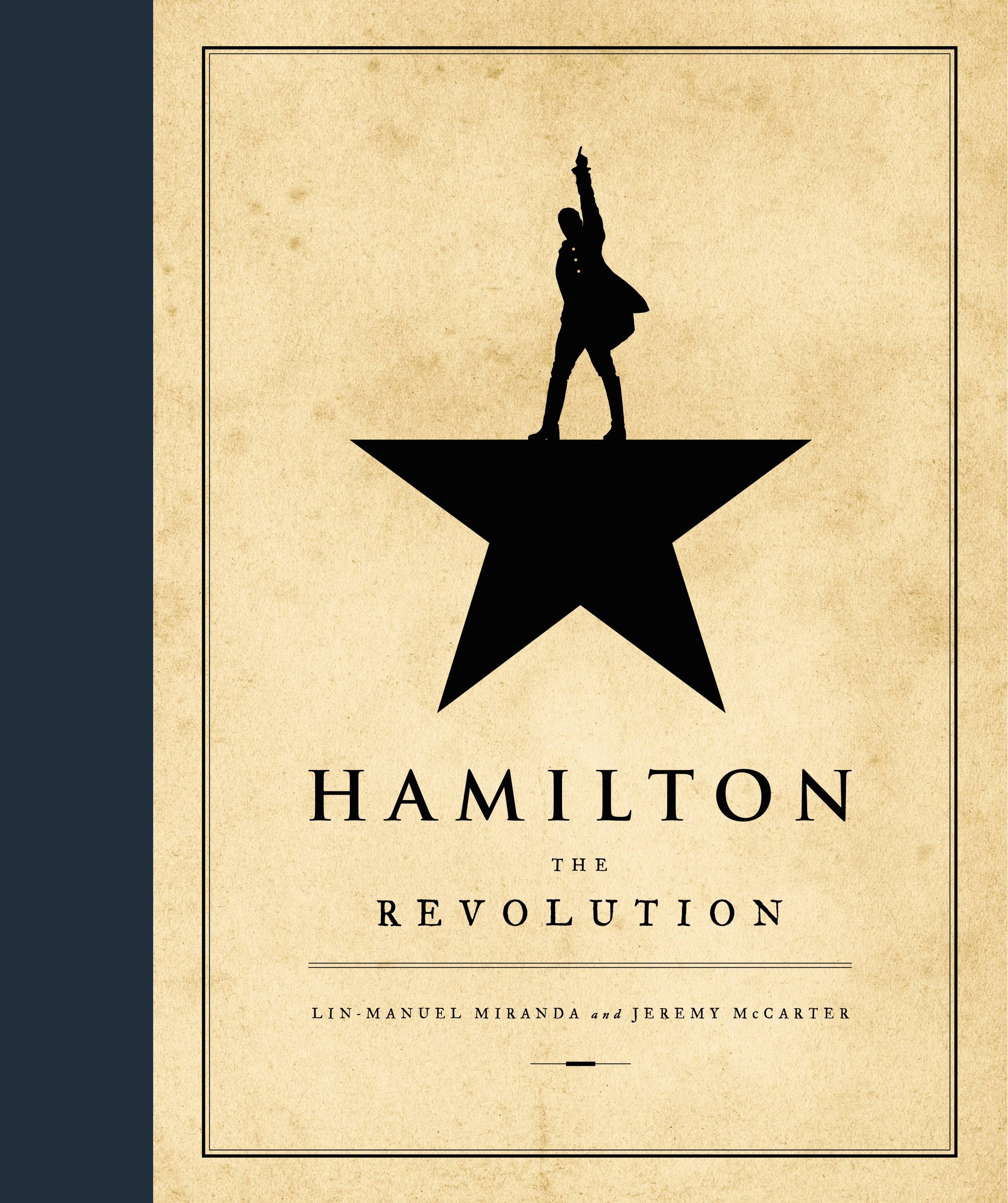
The Literary Bedrock: Ron Chernow’s Alexander Hamilton
To truly appreciate the genius of Hamilton the musical, one must first acknowledge the monumental work that provided its blueprint. Ron Chernow’s Alexander Hamilton, published in 2004, is not just a biography; it’s an immersive journey into the life and times of one of America’s most complex and influential Founding Fathers. Clocking in at over 800 pages, this scholarly tome is the result of years of meticulous research, drawing on a vast array of primary sources, personal correspondence, and historical documents.
Chernow’s aim was to present a nuanced and comprehensive portrait of Hamilton, moving beyond the traditional, often one-dimensional, portrayals. He meticulously details Hamilton’s humble origins as an orphaned immigrant from the Caribbean, his meteoric rise through the ranks of the Continental Army, his crucial role in shaping the nascent United States government as the first Secretary of the Treasury, and his tragic, untimely death in a duel with Aaron Burr.
The biography dives deep into Hamilton’s intellectual prowess, his relentless ambition, and his often controversial political ideologies. Chernow doesn’t shy away from Hamilton’s personal life either, exploring his passionate marriage to Elizabeth Schuyler Hamilton, his complex relationships with other prominent figures of the era, and the scandals that plagued him. It’s this rich, multifaceted depiction that provided Lin-Manuel Miranda with an embarrassment of riches, a fertile ground from which to cultivate his revolutionary musical.
From Page to Stage: The Art of Adaptation
The challenge of adapting a lengthy, scholarly biography into a dynamic, two-and-a-half-hour musical is immense. Lin-Manuel Miranda, a self-proclaimed admirer of Chernow’s work, faced the daunting task of distilling a lifetime of events, political machinations, and personal dramas into a narrative that was both historically accurate and dramatically compelling. The success of Hamilton is a testament to Miranda’s extraordinary skill as a librettist, composer, and lyricist, but it also highlights the power of Chernow’s original narrative.
Miranda’s genius lay in his ability to identify the core conflicts and character arcs within Chernow’s biography and translate them into a modern vernacular. He recognized that Hamilton’s story, with its themes of ambition, legacy, immigration, and the fight for one’s place in the world, resonated deeply with contemporary issues. The decision to cast actors of color in the roles of the Founding Fathers was a deliberate choice, mirroring Hamilton’s own immigrant experience and speaking to the diverse tapestry of modern America.
Crucially, Miranda understood which elements of Chernow’s magnum opus were essential for the musical’s narrative momentum. The rivalries with Thomas Jefferson and Aaron Burr, Hamilton’s complex relationship with George Washington, and his unwavering devotion to his wife Eliza are all central pillars of the musical, directly informed by Chernow’s detailed accounts. The duels, the political debates, the personal betrayals – these dramatic beats, so vividly described in the biography, were ripe for musical interpretation.
Key Elements Borrowed from the Book:
- Hamilton’s Rise from Obscurity: Chernow’s portrayal of Hamilton’s impoverished and orphaned childhood in the Caribbean, and his relentless drive to educate himself and escape his circumstances, forms the very foundation of the musical’s opening numbers. This narrative of self-made success is a powerful hook for audiences.
- The “Room Where It Happens”: The intense political machinations and debates surrounding the formation of the U.S. financial system, particularly the Compromise of 1790, are a significant focus in Chernow’s book and are dramatized with palpable tension in the musical, personifying the backroom deals and strategic maneuvering.
- The Hamilton-Burr Rivalry: The deep-seated animosity and eventual fatal confrontation between Alexander Hamilton and Aaron Burr are extensively chronicled by Chernow. The musical amplifies this, transforming it into a central dramatic conflict that drives the latter half of the story.
- The Schuyler Sisters and Eliza Hamilton: Chernow’s detailed account of Hamilton’s marriage to Elizabeth Schuyler and his interactions with her formidable sisters, Angelica and Peggy, provides the emotional core for many of the musical’s most poignant moments, particularly Eliza’s enduring legacy.
- Hamilton’s Political Philosophy and Legacy: The musical grapples with Hamilton’s vision for a strong federal government, his economic policies, and his enduring impact on American democracy, all extensively explored and debated in Chernow’s biography.

Insights for the Modern Innovator: Lessons from Hamilton and Its Source Material
The success of Hamilton, from its literary origins to its Broadway triumph, offers a wealth of insights applicable to professionals in Tech, Brand, and Money. The journey of transforming a dense historical biography into a universally acclaimed musical is, in itself, a masterclass in innovation, strategic communication, and the power of storytelling.
For the Tech Innovator: Disrupting the Status Quo
Lin-Manuel Miranda’s approach to Hamilton is remarkably akin to disruptive innovation in the tech world. He didn’t just retell a story; he fundamentally reimagined the medium through which it was told.
- Challenging Conventions: Just as tech startups disrupt established industries by questioning existing paradigms, Miranda disrupted musical theatre by integrating hip-hop and rap. This bold move, much like a groundbreaking software update or a revolutionary new gadget, challenged the audience’s preconceived notions of what a musical could be.
- Leveraging Existing Technology (Narrative): Chernow’s biography provided the robust “code” and established “infrastructure.” Miranda, the skilled “developer,” then built upon this foundation with a novel “user interface” – the music, lyrics, and casting. This highlights how even the most forward-thinking innovations often build upon existing knowledge and frameworks.
- Data-Driven Storytelling: Chernow’s extensive research is akin to a vast dataset. Miranda meticulously analyzed this data to identify the most compelling narratives, character arcs, and thematic threads, much like a data scientist unearthing actionable insights. The musical’s success demonstrates that a deep understanding of the source material, even historical, can lead to powerful, resonant stories.
- Scalability and Reach: The goal of many tech products is to achieve global reach. Similarly, Hamilton, by its very nature, has transcended geographical and cultural boundaries, proving that a well-crafted narrative, even one rooted in a specific historical context, can resonate universally when presented in an accessible and engaging manner.
For the Brand Strategist: Crafting an Enduring Legacy
The enduring popularity of Hamilton and the foundational strength of Chernow’s biography offer invaluable lessons in brand building and reputation management.
- Authenticity and Depth: Chernow’s biography provides an unparalleled depth of research, lending an air of authenticity and gravitas to the historical narrative. In branding, authenticity is paramount. A brand that is rooted in genuine values and transparent communication builds trust and fosters loyalty.
- Repositioning and Reimagining: Hamilton successfully repositioned a historical figure and a bygone era for a contemporary audience. This is a powerful branding strategy. Brands can revitalize their image by finding new ways to connect with current values and cultural trends, without sacrificing their core identity.
- Storytelling as a Brand Pillar: The musical is a masterclass in narrative branding. It uses the compelling story of Alexander Hamilton to build an emotional connection with its audience, conveying themes of ambition, resilience, and the pursuit of greatness. Brands that tell compelling stories about their origins, their values, or the impact they have on customers are far more memorable and engaging.
- Building a Franchise: The success of the musical has spawned merchandise, a touring production, and even a Disney+ film. This demonstrates how a strong core narrative and brand can be leveraged to create a sustainable and expanding franchise, much like how successful tech companies build ecosystems around their core products.
- Navigating Controversy: Both Hamilton in his time and the musical in its reception have faced criticism and controversy. Chernow’s biography offers a balanced perspective, and Miranda’s adaptation has navigated these challenges by focusing on the enduring power of the narrative and its universal themes. For brands, understanding how to address criticism with transparency and a commitment to core values is crucial for maintaining a positive reputation.
For the Financial Strategist: The Power of Investment and Legacy
The themes of ambition, financial acumen, and the pursuit of legacy that are central to Alexander Hamilton’s life resonate deeply within the realm of personal and business finance.
- Strategic Investment (of Time and Talent): Hamilton’s life was characterized by a relentless pursuit of opportunity and a strategic investment of his intellect and ambition. Lin-Manuel Miranda similarly invested years of his life and immense talent into researching, writing, and producing Hamilton. This highlights the principle that significant returns often require substantial upfront investment of time, effort, and resources.
- Building a Financial System (and Legacy): Hamilton’s most significant contribution as Secretary of the Treasury was establishing the foundational financial systems of the United States. This echoes the importance of sound financial planning and strategic capital management for individuals and businesses. Building a strong financial foundation, much like Hamilton’s work, has long-lasting implications.
- The Value of Intellectual Capital: Hamilton’s brilliance as a writer and thinker was his greatest asset. In today’s economy, intellectual capital – knowledge, skills, and creativity – is increasingly valuable. Both Chernow’s meticulous research and Miranda’s innovative songwriting demonstrate the immense return on investment that can be generated from intellectual pursuits.
- Long-Term Vision vs. Short-Term Gains: Hamilton was often focused on the long-term stability and prosperity of the nation. This aligns with the financial principle of prioritizing long-term wealth creation over immediate gratification. The musical itself, a long-term project, has yielded immense financial and cultural rewards.
- The Enduring Impact of Financial Decisions: The musical, informed by Chernow’s biography, showcases how financial decisions made centuries ago continue to shape the present. For individuals and businesses, understanding the long-term consequences of financial choices is crucial for building a sustainable future.

Conclusion: A Timeless Story for the Modern Age
Ron Chernow’s Alexander Hamilton is more than just a historical account; it’s a testament to the complexity of human ambition, the intricacies of nation-building, and the enduring power of a compelling life story. Lin-Manuel Miranda’s musical adaptation took this rich source material and, through sheer innovation and artistic brilliance, transformed it into a cultural touchstone.
For those navigating the fast-paced worlds of Tech, Brand, and Money, the journey from Chernow’s exhaustive biography to the electrifying stage of Hamilton offers a powerful reminder that at the heart of every successful venture lies a strong narrative, strategic execution, and a deep understanding of one’s foundational principles. Whether you’re developing the next groundbreaking app, building a brand that resonates, or making sound financial investments, the lessons embedded within this remarkable historical adaptation are as relevant today as they were in the founding of a nation. The story of Alexander Hamilton, as told through Chernow’s meticulous scholarship and Miranda’s revolutionary artistry, continues to inspire, educate, and entertain, proving that some narratives are truly timeless.
aViewFromTheCave is a participant in the Amazon Services LLC Associates Program, an affiliate advertising program designed to provide a means for sites to earn advertising fees by advertising and linking to Amazon.com. Amazon, the Amazon logo, AmazonSupply, and the AmazonSupply logo are trademarks of Amazon.com, Inc. or its affiliates. As an Amazon Associate we earn affiliate commissions from qualifying purchases.