
In the landscape of automotive engineering, few powerplants command as much respect and technical fascination as the BMW V8. Known internally by codes such as the N63, S63, and the newly minted S68, these engines represent the pinnacle of internal combustion technology. For decades, BMW has utilized the V8 configuration not just as a source of raw power, but as a laboratory for pioneering technologies that eventually trickle down to the rest of the automotive industry. As we move into an era of unprecedented digital integration and electrification, the BMW V8 remains a cornerstone of the brand’s “Tech-First” philosophy, blending intricate mechanical hardware with sophisticated engine management software.
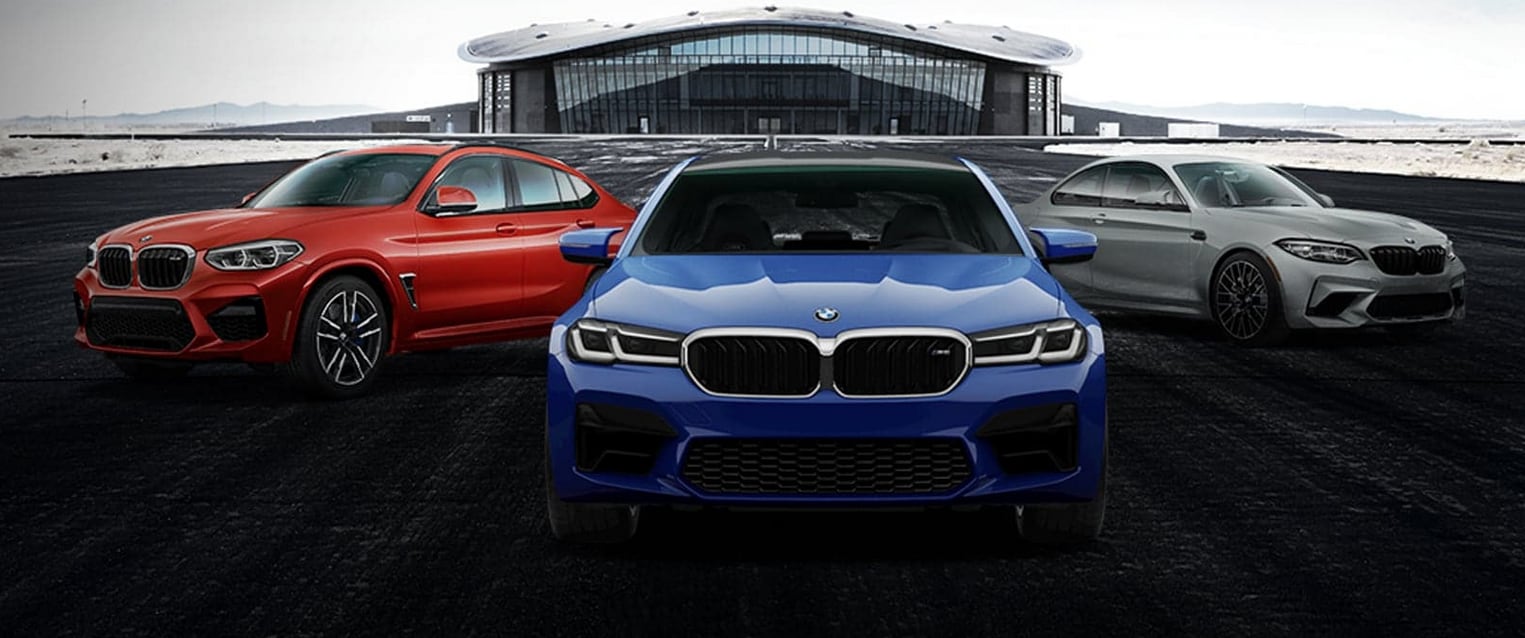
The Architecture of Power: Understanding BMW’s V8 Hardware
The modern BMW V8 is a marvel of thermal management and fluid dynamics. Unlike traditional V8 engines of the past, BMW’s contemporary units utilize a unique “Hot-V” configuration. This design choice is a testament to the brand’s commitment to efficiency and packaging technology.
The Hot-V Configuration: A Masterclass in Thermal Efficiency
In a conventional V8, the exhaust manifolds are located on the outside of the engine block, with the intake system sitting in the “valley” between the cylinder banks. BMW flipped this script with the introduction of the N63 engine. By placing the turbochargers and exhaust manifolds inside the “V” of the cylinder banks, BMW engineers achieved two critical technical goals. First, it makes the engine significantly more compact, allowing it to sit lower and further back in the chassis for better weight distribution. Second, it drastically reduces the distance the exhaust gases must travel to reach the turbochargers. This results in near-instantaneous throttle response and a reduction in “turbo lag,” a common technical hurdle in high-performance forced induction engines.
Precision Injection and Valvetronic Technology
Beyond the turbocharging layout, the tech inside the combustion chamber is equally advanced. BMW utilizes High-Precision Injection (HPI), a direct injection system that operates at pressures exceeding 5,000 PSI. This allows for incredibly fine fuel atomization, ensuring complete combustion and reduced emissions. Complementing this is Valvetronic and Double-VANOS technology. Valvetronic is a variable valve lift system that replaces the traditional throttle butterfly for load control, allowing the engine to “breathe” more freely and reducing pumping losses. When combined with Double-VANOS (variable camshaft timing on both intake and exhaust sides), the V8 can adjust its internal geometry in real-time to optimize for either fuel efficiency or maximum torque.
Digital DNA: The Software and ECU Behind the V8 Experience
While the hardware provides the muscle, the Digital Motor Electronics (DME) provides the brains. Modern BMW V8 engines are governed by some of the most powerful Electronic Control Units (ECUs) in the consumer tech world, capable of processing millions of data points per second to ensure the engine operates at peak performance under any condition.
Engine Management Systems: Processing Thousands of Data Points
The DME is the central nervous system of the V8. It monitors everything from ambient air temperature and fuel quality to individual cylinder pressures and turbocharger vane positions. One of the most impressive technical feats of the BMW V8 software is its “knock control” system. Using ultra-sensitive acoustic sensors, the ECU can detect the earliest signs of pre-detonation in an individual cylinder and adjust ignition timing for that specific cylinder in milliseconds. This level of granular control allows the engine to run high compression ratios and high boost pressures safely, pushing the boundaries of what a 4.4-liter engine can achieve.
Customization via iDrive: Digital Control of Mechanical Power
The integration between the engine’s hardware and the vehicle’s user interface—specifically the iDrive system—allows for a level of technical customization previously reserved for race cars. Through the “M Setup” or “Drive Mode” menus, users can digitally alter the engine’s mapping. This isn’t just a cosmetic change; the software reconfigures the wastegate behavior of the turbos, the sensitivity of the throttle pedal’s digital potentiometer, and even the cooling system’s priority. In “Sport Plus” modes, the software instructs the cooling pumps to run at maximum capacity preemptively, anticipating the heat soak associated with high-performance driving.
The High-Tech Performance Lineup: Which BMWs Carry the V8?

For consumers and tech enthusiasts asking “which BMWs have a V8,” the answer is found in the upper echelons of the brand’s portfolio. BMW reserves the V8 for its flagship models, where the complexity and power of the engine can be fully utilized.
The M-Series Powerhouses: M5, M8, and X5 M
The “S” designated V8 engines (like the S63 and S68) are the high-performance variants developed by the M Division. Currently, the BMW M5 (G90), M8 Coupe/Gran Coupe, and the X5 M and X6 M Competition models are the primary torchbearers for V8 technology. These vehicles utilize a cross-bank exhaust manifold, a complex piece of engineering that pairs exhaust pulses from opposite cylinder banks to ensure a constant, smooth flow of air to the twin-scroll turbochargers. This technical nuance gives the M-series V8s their distinctive linear power delivery and high-redline capabilities.
The Luxury Flagships: 7 Series and 8 Series Tech Specs
In the luxury-focused segment, the V8 serves a different technical purpose: effortless, silent torque. The BMW 760i xDrive and the M850i models utilize the “N” or “M-Performance” versions of the V8. In these applications, the tech is tuned for refinement. The software focuses on “torque filling”—using the turbochargers to provide a flat torque curve from as low as 1,800 RPM. This ensures that the vehicle can accelerate with minimal gear changes and nearly zero vibration, a hallmark of BMW’s luxury engineering.
Electrification and the Future: The Hybrid V8 Frontier
The most significant tech shift in BMW’s V8 history is happening right now. As the industry moves toward sustainability, BMW is not abandoning the V8; instead, it is digitizing it through advanced hybridization. This new era is defined by the S68 engine, a clean-sheet design that integrates electric propulsion directly into the V8 drivetrain.
The S68 Engine and 48V Mild-Hybrid Integration
The new S68 engine, found in the X7 M60i and the new 7 Series, introduces a 48V mild-hybrid system. Unlike previous systems that used a belt-driven starter generator, this tech integrates the electric motor directly into the eight-speed Steptronic transmission. This allows the motor to assist the V8 during pull-away and gear shifts, smoothing out the power delivery and providing a “boost” function. Technically, this allows the V8 to shut down completely during coasting, restarting in a fraction of a second via the electric motor, significantly improving thermal efficiency without sacrificing the V8’s power profile.
Beyond Combustion: The XM and High-Performance PHEV Tech
The ultimate expression of BMW’s V8 tech is found in the BMW XM. This vehicle utilizes a Plug-in Hybrid (PHEV) system paired with the 4.4-liter V8. The technical complexity here is staggering: a high-voltage lithium-ion battery powers an electric motor that works in tandem with the twin-turbo engine to produce upwards of 738 horsepower in the “Label” trim. The software required to manage the transition between pure electric driving and V8 combustion is some of the most sophisticated ever coded for a production vehicle, ensuring that the mechanical and electrical components work as a singular, cohesive unit.

Maintenance Tech: Predictive Diagnostics for High-Performance Engines
Owning a high-tech V8 requires equally high-tech maintenance. BMW has integrated Condition Based Service (CBS) into its V8 models, moving away from fixed interval oil changes to a predictive model.
The vehicle’s onboard computer uses algorithms to monitor engine load, cold starts, and average operating temperatures. If the software detects that the engine has been driven hard on a track, it will automatically adjust the service countdown, notifying the owner via the BMW App. Furthermore, modern BMW V8s feature “Over-the-Air” (OTA) update capabilities. This means that BMW engineers can remotely recalibrate engine management software to improve efficiency or address potential technical bugs without the vehicle ever visiting a service center.
In conclusion, the BMW V8 is far more than an assembly of pistons and turbos. It is a sophisticated piece of technology that sits at the intersection of mechanical excellence and digital innovation. From the “Hot-V” hardware that defies heat to the hybrid systems that point toward a sustainable future, the V8 remains the definitive expression of BMW’s engineering prowess. Whether in an M5 or a luxury 7 Series, the V8 continues to be the heart of the “Ultimate Driving Machine,” evolved for the digital age.
aViewFromTheCave is a participant in the Amazon Services LLC Associates Program, an affiliate advertising program designed to provide a means for sites to earn advertising fees by advertising and linking to Amazon.com. Amazon, the Amazon logo, AmazonSupply, and the AmazonSupply logo are trademarks of Amazon.com, Inc. or its affiliates. As an Amazon Associate we earn affiliate commissions from qualifying purchases.