
In the relentless battle against cancer, early detection remains a cornerstone of successful treatment and improved patient outcomes. While traditional diagnostic methods have long relied on imaging and tissue biopsies, the landscape of cancer detection is being revolutionized by advancements in blood-based diagnostics, commonly known as bloodwork. Far from being a simple laboratory test, modern bloodwork leverages cutting-edge technology, sophisticated software, and powerful artificial intelligence to peer into the body’s most intricate biological processes, revealing the subtle signatures of malignancy. This exploration delves into the technological marvels that empower blood tests to show cancer, transforming them into a frontier of non-invasive, precise, and potentially life-saving diagnostic tools.
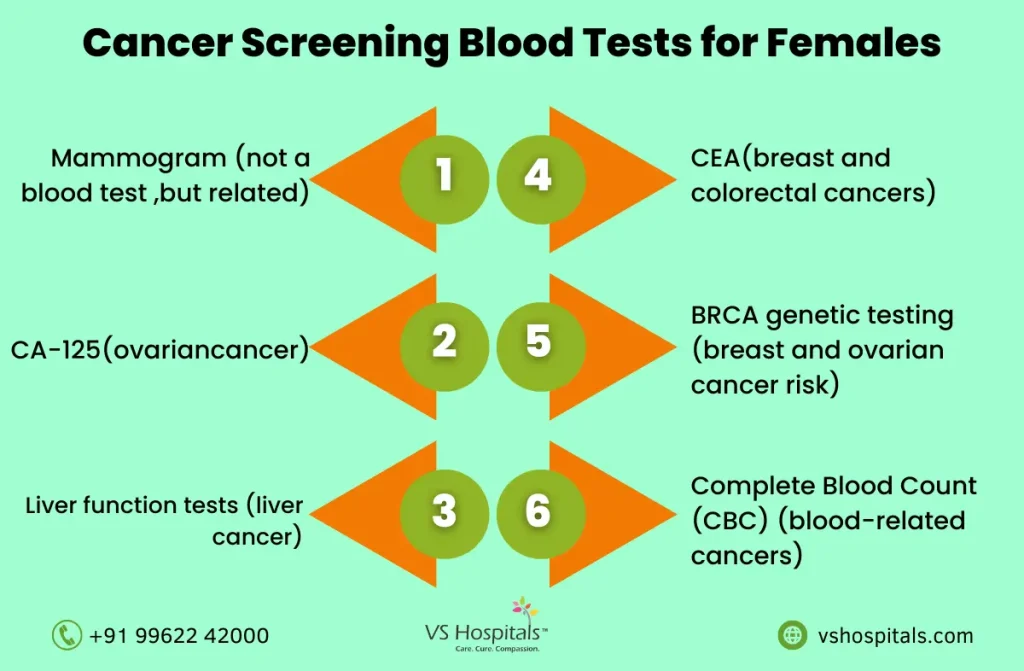
The Digital Evolution of Blood Diagnostics: From Benchtop to Biochip
The journey of blood-based cancer detection has been one of continuous technological innovation, evolving from labor-intensive manual processes to highly automated and sensitive digital platforms. Understanding this evolution is key to appreciating the current capabilities and future potential of bloodwork in oncology.
From Manual Microscopy to Automated Analyzers
Historically, blood analysis was a meticulous, manual process, heavily reliant on the skill of laboratory technicians examining samples under a microscope. While foundational, this approach was limited in its throughput, reproducibility, and the breadth of information it could extract. The first wave of technological transformation arrived with automated hematology and chemistry analyzers. These sophisticated machines, incorporating robotics, fluidics, and spectrophotometry, enabled rapid, high-volume analysis of blood components. For instance, they could quickly quantify white blood cells, red blood cells, and platelets, or measure levels of liver enzymes and kidney function markers – all of which can indirectly hint at systemic issues, including some cancers. These early automated systems laid the groundwork for standardized, efficient diagnostic workflows, improving accuracy and reducing human error. They transformed the lab into a more data-driven environment, generating numerical insights that clinicians could track and compare.
The Precision Revolution: High-Throughput Screening and Molecular Diagnostics
The true “digital revolution” in blood diagnostics for cancer began with the advent of molecular biology techniques and high-throughput screening. Technologies like Polymerase Chain Reaction (PCR) allowed for the amplification and detection of minute quantities of genetic material, opening the door to identifying specific DNA or RNA sequences indicative of cancer. Microarray technology further expanded this, enabling the simultaneous analysis of thousands of genetic markers from a single blood sample. More recently, Next-Generation Sequencing (NGS) has emerged as a game-changer. NGS platforms can rapidly sequence entire genomes or specific panels of genes from circulating DNA, offering an unprecedented level of detail about a tumor’s genetic mutations and chromosomal aberrations. These technologies are not merely about automation; they represent a fundamental shift towards digitalizing biological information, converting complex molecular interactions into interpretable data points, which are then processed by powerful bioinformatics software. This capability to analyze a vast array of molecular targets at high speed has been pivotal in moving bloodwork beyond general health indicators to specific cancer biomarkers.
Liquid Biopsies: Decoding Cancer’s Genetic Fingerprint in Blood
Perhaps the most significant technological leap in blood-based cancer detection is the development of “liquid biopsies.” This advanced form of bloodwork allows oncologists to analyze tumor-derived material circulating in the bloodstream, offering a non-invasive alternative to traditional tissue biopsies.
Circulating Tumor DNA (ctDNA): A Non-Invasive Window
The core of many liquid biopsy technologies lies in detecting circulating tumor DNA (ctDNA). As cancer cells grow and die, they shed fragments of their DNA into the bloodstream. These ctDNA fragments carry the unique genetic mutations and epigenetic alterations characteristic of the tumor. Advanced sequencing technologies, coupled with highly sensitive detection algorithms, can isolate and identify these minute quantities of ctDNA from a standard blood draw. This technological prowess enables clinicians to:
- Detect cancer early: ctDNA can be present even when tumors are too small to be detected by imaging.
- Monitor treatment response: Changes in ctDNA levels can indicate whether a tumor is shrinking or growing in response to therapy, often weeks or months before imaging can confirm.
- Identify resistance mutations: As tumors evolve, they can develop new mutations that confer resistance to targeted therapies. ctDNA analysis can rapidly identify these resistance mechanisms, allowing for timely adjustments to treatment.
- Track minimal residual disease (MRD): After surgery or treatment, ctDNA can help identify if any cancer cells remain, guiding decisions about adjuvant therapy.
The technology behind ctDNA detection involves highly optimized extraction protocols, ultra-sensitive amplification techniques, and sophisticated bioinformatics pipelines to distinguish tumor-derived DNA from normal DNA. This requires powerful computational resources and algorithms capable of filtering out noise and identifying rare somatic mutations.
Circulating Tumor Cells (CTCs) and Exosomes: Beyond DNA
While ctDNA offers invaluable genetic insights, liquid biopsies also harness other tumor-derived components circulating in the blood. Circulating Tumor Cells (CTCs) are intact cancer cells that have detached from the primary tumor and entered the bloodstream. Technologies for isolating and analyzing CTCs are highly specialized, often employing microfluidics, immunoaffinity capture, and advanced imaging systems to detect these extremely rare cells among billions of blood cells. Analyzing CTCs can provide information on tumor viability, metastatic potential, and protein expression.
Furthermore, exosomes – tiny vesicles released by cells, including cancer cells – are emerging as another promising target. Exosomes carry a cargo of proteins, RNA, and DNA from their parent cells, offering a snapshot of the tumor’s biological state. Technologies for exosome isolation and cargo analysis are rapidly advancing, utilizing ultracentrifugation, size-exclusion chromatography, and specific binding assays, followed by mass spectrometry or sequencing for detailed molecular profiling. These diverse liquid biopsy technologies complement each other, offering a multi-faceted view of the tumor’s biology from a simple blood sample.
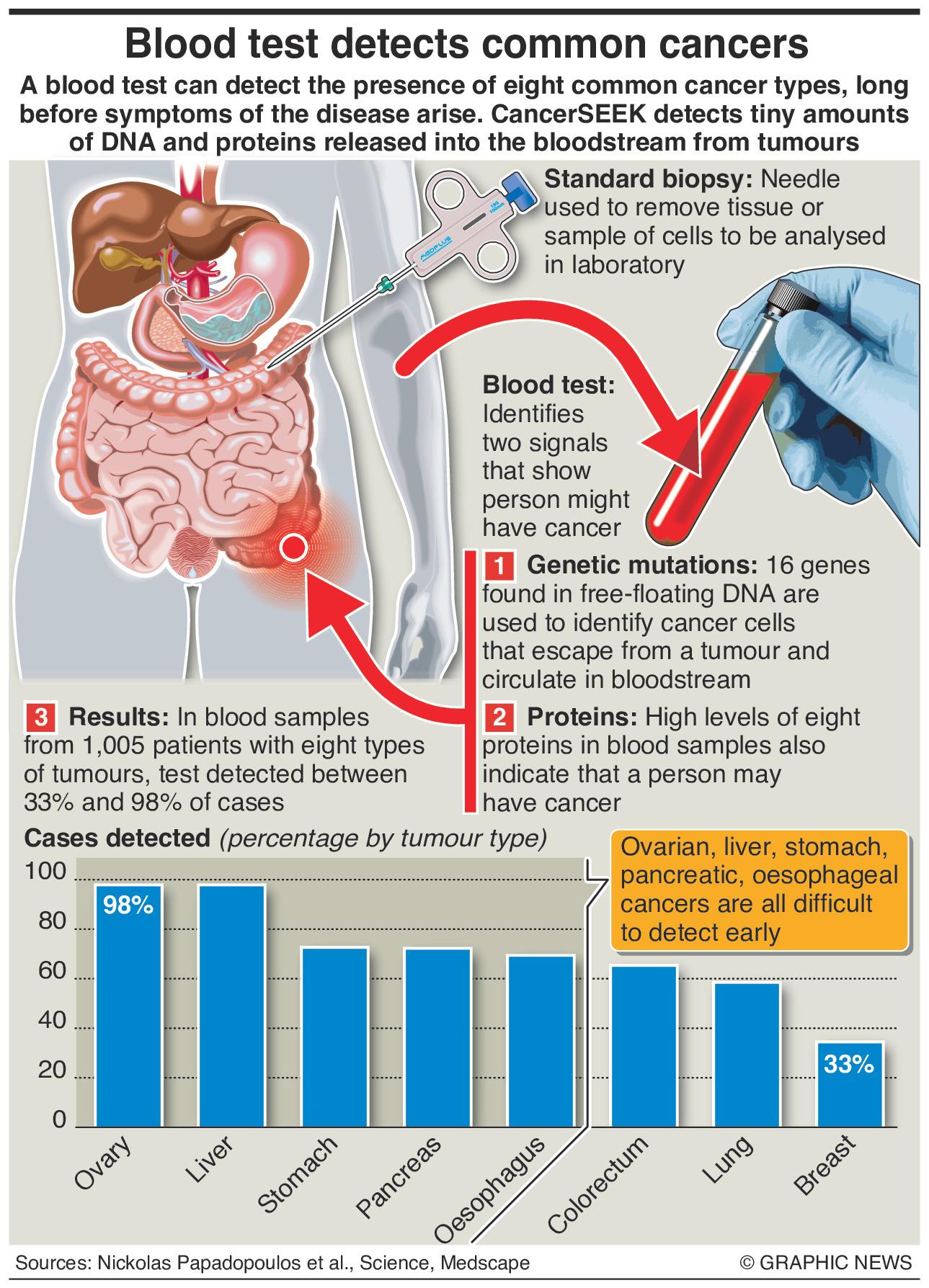
AI and Machine Learning: Powering Predictive Bloodwork Analysis
The sheer volume and complexity of data generated by advanced bloodwork technologies necessitate powerful analytical tools. Artificial intelligence (AI) and machine learning (ML) have emerged as indispensable partners in transforming raw biological data into actionable clinical insights, fundamentally changing how bloodwork shows cancer.
Pattern Recognition in Biomarker Data
Traditional biomarker analysis often relies on predefined cut-off values for individual markers. However, cancer is a heterogeneous disease, and its signatures can be subtle, multifaceted, and vary significantly between individuals. AI algorithms excel at identifying complex patterns and correlations within large datasets that might be imperceptible to the human eye. By training on vast repositories of patient data – including genomic sequences, proteomic profiles, and clinical outcomes – ML models can learn to recognize the nuanced combinations of biomarkers that indicate the presence of cancer, its specific subtype, or its aggressive potential. This includes analyzing the interplay between multiple proteins, the presence of specific methylation patterns in ctDNA, or the overall mutational burden, none of which can be fully appreciated in isolation.
Enhancing Diagnostic Accuracy and Speed
AI-driven analytics dramatically enhance the accuracy and speed of cancer diagnosis from bloodwork. For instance, in liquid biopsy analysis, ML algorithms can rapidly process NGS data, filter out sequencing errors, identify somatic mutations, and quantify ctDNA levels with high precision. In early detection scenarios, AI models can integrate data from multiple blood tests (e.g., combining genetic markers with protein levels and even demographic information) to calculate a personalized risk score for cancer. This predictive capability allows for earlier intervention, potentially before the disease has progressed significantly. Furthermore, AI systems can continually learn and improve as more data becomes available, making them increasingly effective at distinguishing cancerous from non-cancerous signals and refining diagnostic criteria. This iterative learning process is a hallmark of sophisticated AI applications in medicine, constantly pushing the boundaries of diagnostic capability.
Personalized Treatment Pathways Through AI-Driven Insights
Beyond initial diagnosis, AI algorithms applied to bloodwork data are pivotal in guiding personalized cancer treatment. By analyzing the genetic mutations, gene expression patterns, and protein profiles derived from a patient’s liquid biopsy, AI can predict how a tumor might respond to different targeted therapies or immunotherapies. For example, specific mutations identified in ctDNA can indicate susceptibility to a particular drug, while the absence of other markers might suggest resistance. This allows clinicians to move away from a “one-size-fits-all” approach, selecting therapies that are most likely to be effective for an individual patient’s unique tumor biology. AI also helps in monitoring treatment efficacy by tracking changes in these blood-based biomarkers over time, flagging potential resistance, and recommending alternative treatment strategies, thereby optimizing patient care in real-time.
The Future Landscape: Integrating Multi-Omics and Smart Platforms
The trajectory of technological advancements in bloodwork for cancer detection points towards an even more integrated, comprehensive, and proactive approach. The future will likely see a convergence of multi-omics data with smart monitoring platforms, pushing the boundaries of what bloodwork can show.
Convergence of Technologies for Comprehensive Screening
The next wave of innovation will involve the seamless integration of different “omics” data – genomics (DNA), proteomics (proteins), metabolomics (metabolites), and transcriptomics (RNA) – all derived from blood samples. Imagine a single blood test that, through a combination of NGS, mass spectrometry, and advanced analytical software, can simultaneously profile a tumor’s genetic mutations, protein expression patterns, metabolic alterations, and gene activity. This multi-omic approach would provide an unparalleled holistic view of the tumor’s biology, improving diagnostic accuracy, subtyping, and personalized treatment selection. The technological challenge lies in standardizing data formats, developing robust algorithms to integrate disparate data types, and presenting these complex insights in a clinically actionable manner.
Wearable Tech and Continuous Monitoring: A Glimpse into Early Detection
Looking further ahead, the integration of advanced blood testing capabilities with wearable technology and continuous monitoring devices holds immense promise. While not directly “bloodwork” in the traditional sense, non-invasive sensors could potentially track physiological changes and even specific biomarkers in interstitial fluid or sweat that correlate with early cancer development. Imagine smart patches that continuously monitor for minute changes in glucose metabolism (a hallmark of some cancers) or inflammatory markers, alerting individuals to consult their doctor for confirmatory blood tests. While still in nascent stages, the convergence of biosensor technology, microfluidics, and data analytics promises a future where early cancer detection becomes an ongoing, passive process, leading to diagnoses at the earliest, most treatable stages.
Ethical Considerations and Data Security in Advanced Diagnostics
As bloodwork technologies become increasingly sophisticated and intertwined with AI and large datasets, critical ethical and data security considerations come to the forefront. The vast amounts of sensitive genetic and health information generated by these tests require robust cybersecurity measures to protect patient privacy. Furthermore, the interpretation of AI-driven diagnostic results raises questions about algorithmic bias, transparency, and accountability. Ensuring equitable access to these advanced technologies and addressing the potential for “over-diagnosis” (identifying slow-growing cancers that may never cause harm) will be crucial as these innovations become more widespread. Establishing clear regulatory frameworks and ethical guidelines will be essential to harness the full potential of technologically advanced bloodwork while safeguarding patient interests.
In conclusion, “what bloodwork shows cancer” is a story of profound technological advancement. From automated analyzers to liquid biopsies, and from the computational power of AI to the future promise of multi-omics integration, blood tests are continually evolving into highly sophisticated tools. These innovations are not just improving our ability to detect cancer; they are fundamentally reshaping the landscape of oncology, ushering in an era of precision medicine where early detection and personalized treatment are becoming increasingly attainable for millions.
aViewFromTheCave is a participant in the Amazon Services LLC Associates Program, an affiliate advertising program designed to provide a means for sites to earn advertising fees by advertising and linking to Amazon.com. Amazon, the Amazon logo, AmazonSupply, and the AmazonSupply logo are trademarks of Amazon.com, Inc. or its affiliates. As an Amazon Associate we earn affiliate commissions from qualifying purchases.