
In the not-so-distant past, discovering your blood type required a formal visit to a clinical laboratory, a needle-drawn vial of blood, and several days of waiting for a technician to manually cross-match your samples with reagents. Today, the question “What blood type do I have?” has shifted from a purely clinical inquiry to a technological one. As we move deeper into the era of personalized medicine and digital health, the technology used to identify, store, and utilize our hematological data has undergone a massive transformation.
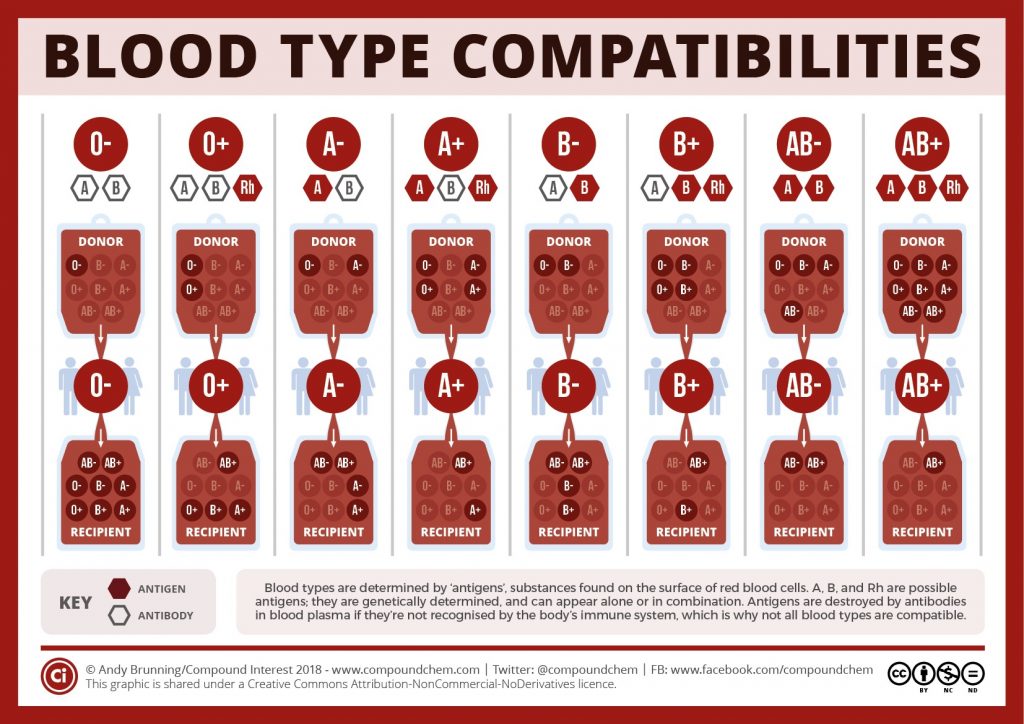
From rapid-response diagnostic gadgets to AI-driven genomic sequencing, technology is making it easier than ever for individuals to access their biological blueprints. This article explores the tech-driven landscape of blood typing, the hardware making it possible, and the digital infrastructure securing our most private biological information.
The Digital Evolution of Blood Typing Technology
The fundamental science of blood typing—identifying A, B, AB, and O groups along with the Rh factor—remains constant, but the delivery mechanism has evolved through high-tech innovation. We are no longer reliant on slow, manual processes; instead, we are seeing the rise of automated systems and consumer-facing hardware.
From Manual Labs to Automated Serology
Traditional blood typing involved a technician looking for “agglutination” (clumping) in a petri dish. Modern pathology labs now utilize high-throughput automated analyzers. These machines use microplate technology and sophisticated optical sensors to identify blood types with 99.9% accuracy in a fraction of the time. These systems are integrated with Laboratory Information Systems (LIS), ensuring that once your blood type is identified, it is instantly digitized and accessible across a hospital’s entire network. This automation reduces human error, which is the leading cause of transfusion-related complications.
The Rise of Direct-to-Consumer (DTC) Diagnostic Kits
Perhaps the most significant tech shift for the average consumer is the availability of Direct-to-Consumer (DTC) kits. Companies are now leveraging advanced microfluidic technology to allow users to test themselves at home. These kits often come with companion apps that guide the user through the process. By using a small lancet and a specially treated card or digital reader, a user can sync their results directly to their smartphone. This democratization of health data allows individuals to answer the question “What blood type do I have?” without ever stepping foot in a doctor’s office.
Wearables and Real-Time Health Monitoring
While knowing your blood type is a “static” piece of information, the technology we use to monitor our blood health is becoming increasingly “dynamic.” We are entering an age where wearable tech doesn’t just track steps; it tracks the very chemistry of our life force.
Integrating Blood Data into Health Ecosystems
Tech giants like Apple, Google, and Samsung are aggressively expanding their health ecosystems. While current consumer smartwatches cannot yet “detect” your blood type through the skin, they serve as the central repository for this data. Through Health Records on iPhone or similar features on Android, users can pull their verified lab results directly from healthcare providers into their encrypted digital wallets. Having your blood type and Rh factor accessible via a “Medical ID” on a lock screen is a life-saving technological integration, ensuring first responders have critical data during the “Golden Hour” of emergency care.
The Future of Continuous Biomarker Monitoring
Beyond basic blood typing, the tech industry is pivoting toward continuous monitoring. We already see this with Continuous Glucose Monitors (CGMs) like those from Dexcom or Abbott. The next technological frontier is the “multisensor” wearable capable of monitoring various blood biomarkers. Research is currently underway into non-invasive sensors that use Raman spectroscopy—a technique using lasers to identify molecular vibrations—to detect blood components. In the future, your wearable might not only know your blood type but could provide real-time alerts if your blood chemistry fluctuates due to illness or dehydration.
AI and Machine Learning in Hematology Diagnostics
Artificial Intelligence (AI) is the “brain” behind the modern diagnostic revolution. It is being applied to hematology to solve problems that were previously too complex for human technicians or standard software.
Predictive Analysis of Rare Blood Phenotypes
There are hundreds of rare blood antigens beyond the standard ABO/Rh system. For patients with rare blood types, finding a match is a needle-in-a-haystack problem. AI algorithms are now being used to scan massive genomic databases to predict rare phenotypes. By analyzing the DNA sequences of millions of donors, machine learning models can identify potential matches for rare blood types that traditional testing might miss. This technology is vital for treating conditions like sickle cell anemia, where patients require highly specific blood matches to avoid adverse reactions.
Improving Donor Matching through Global Digital Databases
The logistics of blood supply are incredibly complex. Tech platforms now use predictive analytics to manage blood inventories globally. AI can predict when a specific region might face a shortage of O-negative blood (the universal donor) based on historical data, weather patterns, and local events. By using these digital tools, blood banks can proactively reach out to donors with the required blood type via automated SMS and app notifications, ensuring that the right blood type is in the right place at the right time.
Data Security and Privacy in Personal Bio-Data
As the answer to “What blood type do I have?” moves from a paper file to a cloud-based server, the conversation must shift toward digital security. Your blood type is a piece of permanent biological identity, and its digitization carries both risks and responsibilities.
Protecting Your Hematological Fingerprint
Medical data is significantly more valuable on the dark web than credit card information because it cannot be changed. If your blood type and associated genomic data are leaked, that information is permanent. Tech companies are responding by implementing end-to-end encryption for health data. Using Zero-Knowledge Proofs (ZKP), some emerging health-tech startups allow users to prove they have a certain blood type or health status without actually revealing their full medical identity to the verifying party. This layer of abstraction is critical for maintaining privacy in a hyper-connected world.
The Ethical Implications of Digital Health Records
The integration of blood data into “Big Data” raises ethical questions. Who owns the data generated by your home testing kit? Is it you, or the company that manufactured the device? As we move toward a future where health insurance premiums could theoretically be adjusted based on biological data found in the cloud, the tech industry must lead the way in establishing “Digital Bio-Ethics.” Technologies like Blockchain are being explored as a way to give patients total “sovereignty” over their blood data, allowing them to grant or revoke access to their medical records via digital smart contracts.

Conclusion: A Future Defined by Biological Connectivity
The question “What blood type do I have?” is no longer a mystery to be solved by a distant laboratory. It has become a digital data point that sits at the intersection of hardware, software, and human biology. Through the evolution of automated lab tech, the convenience of home diagnostic kits, the integration of wearables, and the power of AI, we are more connected to our biological selves than ever before.
As technology continues to advance, the focus will shift from simple identification to sophisticated utilization. We are moving toward a world where your blood type is just the beginning—a baseline upon which a lifetime of real-time, tech-driven health insights will be built. However, as we embrace these tools, we must remain vigilant about the security of our digital biological footprint, ensuring that the tech that empowers us also protects us. The future of health is digital, and it is flowing through our veins.
aViewFromTheCave is a participant in the Amazon Services LLC Associates Program, an affiliate advertising program designed to provide a means for sites to earn advertising fees by advertising and linking to Amazon.com. Amazon, the Amazon logo, AmazonSupply, and the AmazonSupply logo are trademarks of Amazon.com, Inc. or its affiliates. As an Amazon Associate we earn affiliate commissions from qualifying purchases.