
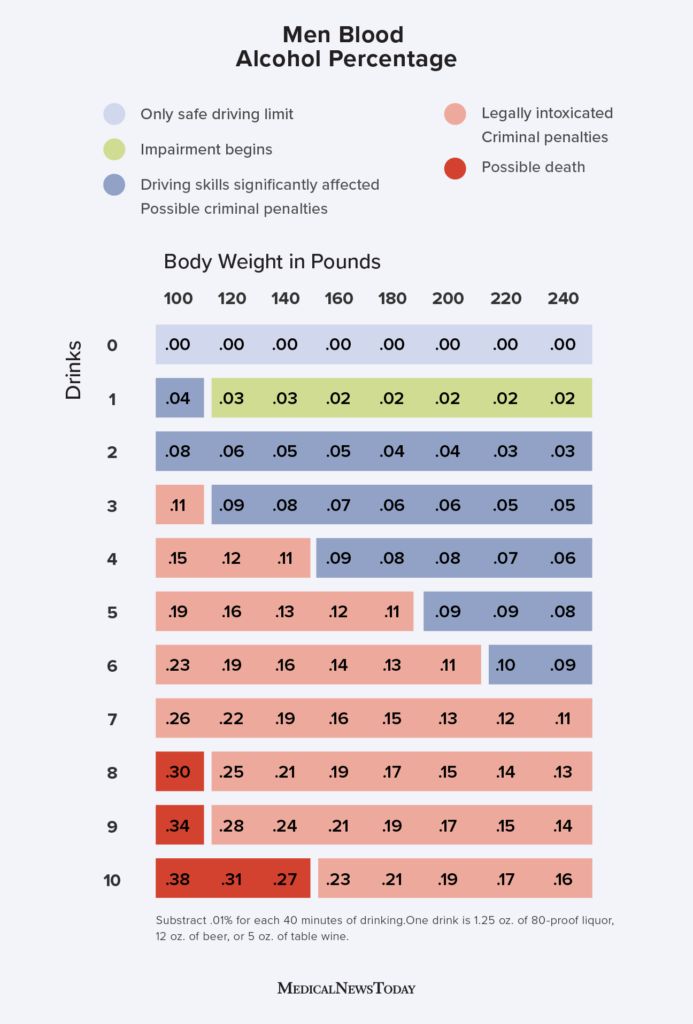
The question of “what blood alcohol content (BAC) can kill you” has traditionally been a matter for emergency rooms and forensic toxicologists. Historically, a BAC of 0.40% or higher is considered the “lethal zone,” where the central nervous system begins to shut down, leading to respiratory failure or cardiac arrest. However, in the modern era, this critical biological threshold is no longer just a medical statistic—it has become a focal point for the rapid evolution of safety technology, wearable sensors, and predictive algorithms.
As we move toward a hyper-connected world, the intersection of hardware and human physiology is redefining how we understand and prevent alcohol-related fatalities. This article explores the technological landscape designed to monitor blood alcohol levels, the software predicting lethal limits, and the future of digital intervention.

The Evolution of BAC Monitoring Technology
To understand how technology prevents us from reaching lethal limits, we must first look at the hardware used to measure it. The transition from bulky, laboratory-grade equipment to palm-sized, high-precision gadgets has been one of the most significant shifts in personal safety tech over the last decade.
From Analog Breathalyzers to Digital Precision
The original “Dräger” tubes of the mid-20th century were rudimentary chemical reactions. Today, professional-grade digital breathalyzers utilize fuel cell sensor technology. These sensors work by an electrochemical process: the alcohol in a breath sample is oxidized, creating an electrical current. The strength of this current is directly proportional to the amount of alcohol, allowing a microprocessor to calculate the BAC with incredible accuracy. This digital precision is the first line of defense in identifying when a user is approaching the 0.30%–0.40% range that necessitates immediate medical intervention.
Fuel Cell vs. Infrared Spectrometry in Mobile Tech
While fuel cell sensors are the gold standard for portable tech, another layer of technology—Infrared (IR) Spectrometry—is often used in stationary “evidential” devices. These devices detect how alcohol molecules absorb specific wavelengths of light. The tech industry is currently miniaturizing these IR sensors to fit into smartphone peripherals and automotive cabins. By integrating these high-end optics into everyday hardware, technology is making it harder for individuals to unknowingly reach life-threatening levels of intoxication.
Wearable Tech and Real-Time Physiological Tracking
The most significant tech trend in the health and wellness sector is the move from “reactive” testing to “proactive” monitoring. Wearable devices are shifting the paradigm from blowing into a tube to passive, continuous tracking of blood alcohol levels.
Transdermal Sensors: Monitoring BAC Through the Skin
Transdermal technology measures the tiny amount of alcohol excreted through the skin via sweat. Companies like BACtrack and various research startups have developed “skintrack” wearables that monitor alcohol molecules in real-time. These sensors utilize a digital “PID” (Proportional-Integral-Derivative) controller to manage the data flow, sending alerts to a user’s smartphone when their BAC begins to climb toward dangerous levels. Unlike a breathalyzer, which provides a snapshot in time, transdermal tech provides a “trend line,” showing the rate of increase—vital for preventing a spike into the lethal zone.
Smartwatch Integration and Predictive Safety Alerts
The next frontier for the Apple Watch and specialized fitness trackers is the integration of non-invasive alcohol monitoring. While the hardware is still in the refinement phase (utilizing optical sensors similar to heart rate monitors), the software side is already here. App developers are creating integrations that combine heart rate variability (HRV), skin temperature, and sleep data to estimate intoxication levels. If the sensors detect the physiological “red flags” of acute alcohol poisoning—such as a plummeting respiratory rate or erratic heart rhythm—the tech can automatically trigger emergency SOS calls to first responders.
AI and Machine Learning: Predicting the “Lethal Zone”
The sheer volume of data collected by wearables is meaningless without the intelligence to interpret it. Artificial Intelligence (AI) and Machine Learning (ML) are now being used to create personalized metabolic profiles that predict how close a specific individual is to a fatal BAC.
Algorithmic Modeling of Alcohol Poisoning Risks
No two bodies process alcohol the same way. A BAC of 0.35% might be fatal for a 120-pound novice drinker but “functional” for a long-term alcoholic. AI algorithms can now ingest variables such as body mass index (BMI), age, hydration levels, and historical consumption data to build a custom risk profile. These models use “deep learning” to recognize the subtle changes in a user’s data that precede a total systemic shutdown. By analyzing thousands of data points, these AI tools can predict a “lethal trajectory” long before the user reaches the point of no return.
Personalized Health Profiles and Metabolic Variables
Modern health apps are beginning to use “digital twins”—virtual models of a user’s metabolism. By inputting data into these models, tech can simulate how a certain number of drinks over a specific period will impact the user’s blood chemistry. This predictive power moves the conversation from “how much have I had?” to “how much can my specific biology handle?” This is a massive leap forward in digital safety, allowing the software to act as a “digital guardian” that locks ride-sharing apps or sends “stop drinking” notifications based on real-time metabolic stress.
The Future of Consumer Safety and IoT
The Internet of Things (IoT) is creating an ecosystem where our environment can actively prevent us from reaching fatal alcohol levels. This “smart environment” approach shifts the burden of safety from the individual to the network.
Smart Ignition Interlock Systems (IIDs)
Ignition Interlock Devices (IIDs) have been around for years, but the newest versions are masterpieces of IoT engineering. Modern IIDs are equipped with cameras, GPS, and real-time cellular data uplinks. They don’t just prevent a car from starting; they use facial recognition to ensure the correct user is testing and can relay data to health monitors or legal authorities if a “lethal range” BAC is detected. The integration of IIDs with autonomous vehicle tech suggests a future where a car might detect an intoxicated driver and automatically take control to drive them to a hospital.
Data Privacy and the Ethics of Biometric Monitoring
As we develop tech that can track when we are at risk of death from alcohol, a significant tech-industry debate arises: who owns this data? Digital security and privacy are paramount when dealing with biometric data that indicates illegal or dangerous behavior. The “Tech” niche is currently grappling with the balance between “lifesaving intervention” and “surveillance.” Blockchain technology is being proposed as a solution, allowing users to store their BAC data in a decentralized, encrypted ledger that only grants access to emergency medical technicians in the event of a life-threatening crisis.

Conclusion: Hardware as a Life-Saving Intervention
Understanding what blood alcohol content can kill you is no longer a matter of guesswork or waiting for a tragedy to occur. Through the lens of modern technology, we are seeing a shift toward a world where the “lethal zone” is a digitally mapped territory. Between high-precision fuel cell sensors, transdermal wearables, and AI-driven metabolic modeling, the tools to prevent alcohol poisoning are becoming more sophisticated and integrated into our daily lives.
The tech industry’s role in this space is clear: to provide the data, the alerts, and the automated interventions necessary to ensure that a biological limit is never breached. As software continues to learn the nuances of human metabolism and hardware becomes increasingly non-invasive, the “digital safety net” will only grow stronger, potentially making the concept of a fatal BAC a relic of the past.
aViewFromTheCave is a participant in the Amazon Services LLC Associates Program, an affiliate advertising program designed to provide a means for sites to earn advertising fees by advertising and linking to Amazon.com. Amazon, the Amazon logo, AmazonSupply, and the AmazonSupply logo are trademarks of Amazon.com, Inc. or its affiliates. As an Amazon Associate we earn affiliate commissions from qualifying purchases.