
In the digital era, the intersection of ancient scripture and modern technology has transformed how the faithful interact with the Word of God. For the Catholic Church, the question of which Bible translation is “official” is not just a matter of theological preference, but one of liturgical standards, intellectual property licensing, and digital integration. As smartphones replace missals and AI-driven apps facilitate daily prayer, understanding the specific translations authorized by the Church is essential for developers, scholars, and tech-savvy parishioners alike.
The Catholic Church does not rely on a single translation globally; rather, it authorizes specific versions for liturgy, study, and private devotion based on regional linguistic needs and the “Imprimatur” (official approval). From a technical perspective, these translations form the “data layer” of Catholic software, influencing everything from the user interface (UI) of prayer apps to the search algorithms of theological databases.
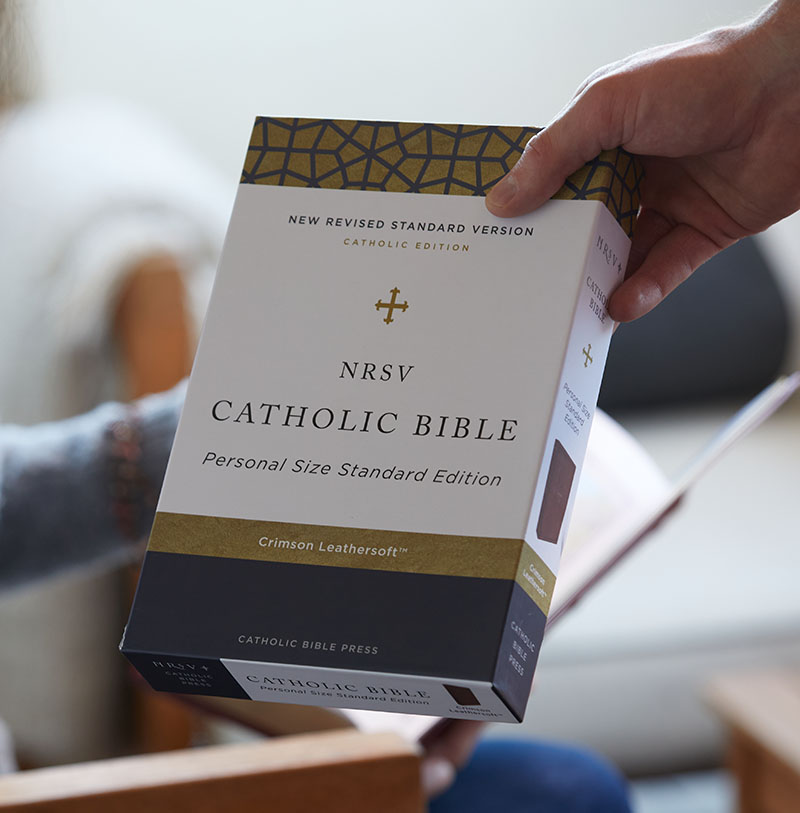
The Standard Bearers: Understanding Authorized Translations
Before exploring the technological ecosystem, we must identify the core datasets—the translations themselves. Unlike the fragmented world of secular literature, the Catholic Church maintains a rigorous vetting process to ensure translations remain faithful to the original Greek and Hebrew while aligning with Latin tradition.
The New American Bible Revised Edition (NABRE)
In the United States, the NABRE is the most significant translation for the tech-heavy American market. It is the version used for the Lectionary—the cycle of readings used during Mass. For developers building apps intended for liturgical prep, the NABRE is the “source of truth.” Technically, the NABRE is unique because of its extensive footnotes and cross-references, which require a sophisticated database schema to display correctly on mobile devices without cluttering the screen.
The Revised Standard Version, Catholic Edition (RSV-CE)
Favored by scholars and increasingly by popular digital platforms like the “Bible in a Year” podcast, the RSV-CE (and its second edition, the RSV-2CE) is known for its formal equivalence—a “word-for-word” translation philosophy. In the world of Bible software (like Logos or Verbum), the RSV-CE is often the default translation because its syntax maps more cleanly to original languages, making it ideal for word-study tools and interlinear digital displays.
The Douay-Rheims and the Vulgate Legacy
For the “Traditional Tech” niche, the Douay-Rheims remains a staple. Translated from the Latin Vulgate, it represents the Church’s historical linguistic backbone. Many digital archives and Open Source Bible projects use the Douay-Rheims because its older copyright status makes it easier to distribute in public domains compared to modern translations licensed by bishops’ conferences.
Digital Integration: How Tech Platforms Deliver the Word
The transition from leather-bound books to cloud-based applications has changed the “delivery mechanism” of the Bible. Today, the translation used is often determined by the API (Application Programming Interface) or the licensing agreement of the software in use.
The Rise of Catholic Prayer Apps (Hallow, Laudate)
Apps like Hallow and Laudate have revolutionized the user experience (UX) of Scripture. Hallow, which has seen explosive growth in the FinTech and App Store rankings, utilizes the RSV-2CE for its audio-guided meditations. This choice is strategic: the rhythmic, formal language of the RSV-2CE lends itself well to high-quality audio production. From a technical standpoint, these apps use Content Delivery Networks (CDNs) to stream high-definition audio versions of the Bible to millions of users simultaneously, requiring robust backend infrastructure to handle peak traffic during seasons like Lent.
API Integration and Scriptural Databases
For developers building Catholic tools, accessing these translations requires navigating the world of Digital Rights Management (DRM). Unlike the King James Version, which is in the public domain, modern Catholic Bibles are copyrighted by organizations like the United States Conference of Catholic Bishops (USCCB). This has led to the development of specialized APIs that allow apps to fetch specific verses while ensuring the integrity of the text is maintained. This ensures that a user reading a verse on an Apple Watch sees the exact same authorized text as someone reading the physical Lectionary at the pulpit.
The UX of Sacred Text
Designing a UI for the Bible involves unique challenges. Developers must balance “Readability” with “Reference.” This involves using “Dynamic Type” so elderly users can increase font sizes, and implementing “Dark Mode” to accommodate low-light environments in churches. The choice of translation affects this; a version with long, complex sentences requires a different text-wrap logic than a version optimized for modern readability.
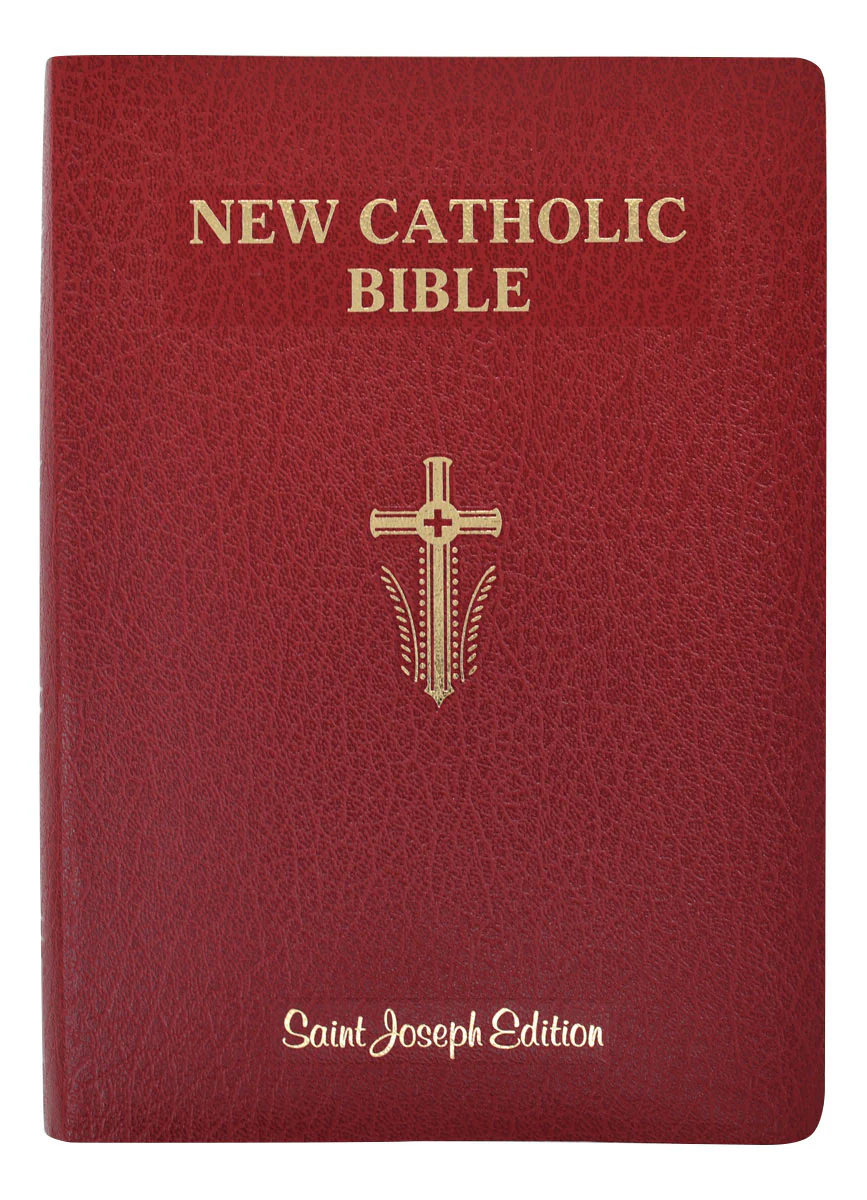
The Software of Scholarship: AI and Translation Tech
As we move deeper into the 21st century, Artificial Intelligence and Machine Learning are playing an increasing role in how the Church manages and translates its sacred texts.
Machine Learning in Ancient Text Recovery
The Vatican Apostolic Library houses thousands of manuscripts. Tech initiatives are now using Optical Character Recognition (OCR) powered by AI to digitize these texts. By training models on the Latin Vulgate and early Greek codices, researchers can cross-reference the translations used today (like the NABRE) with the earliest available digital “footprints.” This ensures that the digital translation remains an “authentic copy” of the historical original.
Digital Translation Management Systems (TMS)
The Catholic Church is a global institution, necessitating translations into hundreds of languages. To maintain consistency, the Church employs sophisticated Translation Management Systems. These software suites use “Translation Memories”—databases of previously translated phrases—to ensure that theological terms like “Transubstantiation” or “Consubstantial” are translated identically across different documents. This reduces the “human error” variable and maintains the “Brand” of Catholic orthodoxy across linguistic digital borders.
AI-Powered Biblical Search and Semantic Analysis
We are seeing the emergence of “Theological LLMs” (Large Language Models). These are AI systems trained specifically on Catholic datasets, including the Bible, the Catechism, and Papal Encyclicals. When a user asks an AI, “What does the Bible say about social justice?”, the system must prioritize the authorized Catholic translations to provide a response that aligns with Church teaching. The technical challenge here is “hallucination” prevention—ensuring the AI doesn’t mix a Catholic query with a non-Catholic translation.
Cybersecurity and the Integrity of Sacred Texts
In a world of “fake news” and digital manipulation, protecting the integrity of the Bible is a cybersecurity priority for the Church. If a malicious actor were to hack a popular Bible app and subtly change a verse, the theological implications would be profound.
Blockchain and the Digital Imprimatur
There is growing interest in using blockchain technology to “hash” or timestamp authorized versions of the Bible. By creating a decentralized ledger of the NABRE or the RSV-CE, the Church could provide a “Digital Imprimatur.” An app could verify its local database against the blockchain to prove to the user that the text has not been tampered with. This “Proof of Authenticity” is the digital equivalent of the Bishop’s seal on the inside cover of a printed Bible.
Protecting Digital Archives
The Vatican has been a target of high-level cyberattacks. Protecting the digital “Master Copies” of Catholic translations requires enterprise-level security, including multi-factor authentication (MFA) for editors, encrypted cloud storage, and air-gapped backups. As the Church moves its historical records into the “Global Graph” of linked data, the tech stack protecting these translations must be as rigorous as that of a major financial institution.
The Future of Scripture in a Hyper-Connected World
The question of which Bible translation the Catholic Church uses will eventually move beyond the screen and into more immersive tech environments.
VR and Immersive Scriptural Experiences
Virtual Reality (VR) and Augmented Reality (AR) are the next frontiers for Scripture. Imagine a VR experience where a user can “stand” on the Mount of Beatitudes while the text of the NABRE scrolls in their field of vision. Developing these experiences requires high-fidelity spatial computing and “Spatial Audio” that syncs with the specific cadence of the authorized translation.
The Internet of Sacred Things
As smart home technology evolves, we may see the “Internet of Sacred Things”—devices like smart speakers or digital icons that recite the “Daily Bread” from authorized Catholic versions. The technical integration here relies on “Voice UI” (VUI) design, where the AI must be trained to pronounce Biblical names and liturgical terms correctly according to Catholic tradition, rather than defaulting to generic phonetic patterns.

Conclusion: The Synergy of Faith and Code
Ultimately, the Catholic Church uses translations like the NABRE and RSV-CE because they provide a stable, authoritative foundation for faith. In the realm of technology, these translations act as the “standardized protocols” that allow diverse apps, websites, and AI models to speak the same spiritual language. By leveraging modern software development, cybersecurity, and AI, the Church ensures that these ancient texts remain accessible, uncorrupted, and integrated into the daily lives of a global, digital-first congregation. Whether it is through a 5G stream of a Papal Mass or a locally cached verse on a smartphone, the “Tech Stack of the Church” continues to be built on the bedrock of these carefully guarded translations.
aViewFromTheCave is a participant in the Amazon Services LLC Associates Program, an affiliate advertising program designed to provide a means for sites to earn advertising fees by advertising and linking to Amazon.com. Amazon, the Amazon logo, AmazonSupply, and the AmazonSupply logo are trademarks of Amazon.com, Inc. or its affiliates. As an Amazon Associate we earn affiliate commissions from qualifying purchases.