
In the modern financial landscape, a credit card is far more than a simple plastic or metal rectangle used for transactions. It is a sophisticated financial tool that, when used strategically, can serve as a primary engine for wealth management, travel optimization, and consumer protection. However, the market is saturated with hundreds of options, ranging from entry-level “no-frills” cards to elite, invitation-only products. Determining what the “best” credit card to have is not a one-size-fits-all endeavor; rather, it is a calculation based on your spending habits, financial goals, and credit profile.
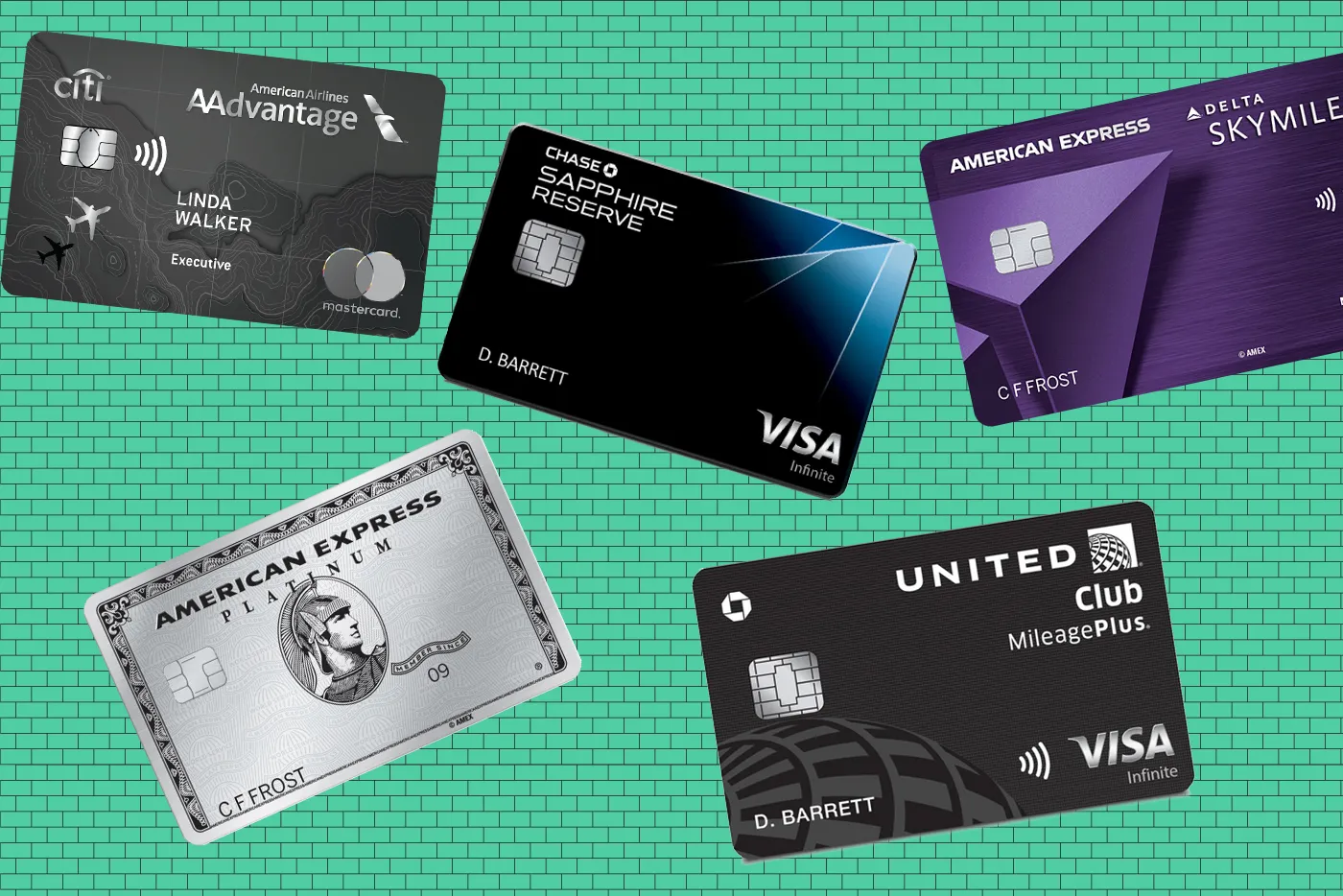
The right card can provide thousands of dollars in value annually through cash back, travel points, and insurance benefits. Conversely, the wrong card—or one used incorrectly—can lead to high-interest debt and damaged credit scores. To find your ideal match, you must look beyond the flashy sign-up bonuses and evaluate the long-term utility of the card within your personal ecosystem.
Identifying Your Financial Archetype and Spending Habits
The first step in selecting the best credit card is a rigorous self-audit of your financial life. Banks design credit cards for specific “personas.” If you choose a card that doesn’t align with your actual lifestyle, you will likely find yourself paying an annual fee for benefits you never use, or earning rewards in a currency that holds no value for you.
Cash Back vs. Travel Rewards
The most fundamental divide in the credit card world is between cash back and travel rewards. Cash back cards are the gold standard for simplicity. They offer a fixed percentage of your purchase back in dollars, which can be applied as a statement credit or deposited into a bank account. This is often the best choice for individuals who want a “set it and forget it” approach to their finances.
On the other hand, travel rewards cards earn points or miles that can be transferred to airline and hotel partners. While these require more effort to manage, they often provide a higher “cents-per-point” value, especially for those who frequent premium cabins or luxury hotels. If your goal is to fund a dream vacation using daily expenses like groceries and gas, a travel rewards card is your strongest ally.
Evaluating Annual Fees
Many of the most lucrative credit cards come with annual fees ranging from $95 to $695. For a novice, a high annual fee can be a deterrent. However, professional financial management involves looking at the “net effective cost.” If a card has a $550 annual fee but provides a $200 hotel credit, a $200 airline fee credit, and a $100 lifestyle credit, the card effectively costs $50. If the rewards earned on that card exceed $50, the card is a “keeper.” If your spending is modest, a no-annual-fee card is likely the best foundation for your wallet to ensure you are never “underwater” on a financial product.
The Role of Credit Scores
Your current credit score is the primary gatekeeper to the best credit cards. Generally, cards with the highest rewards and lowest interest rates require a “Good” to “Excellent” score (typically 670–850). If you are in the “Fair” or “Poor” range, the best credit card to have is a “secured” card or a credit-builder card. In this stage of your financial journey, the goal is not rewards, but rather the establishment of a positive payment history that will eventually grant you access to premium financial products.
Top Categories for Reward Optimization
Once you understand your spending profile, you can categorize cards by their primary utility. Most financial experts recommend a “multi-card strategy” to ensure you are earning the maximum return on every dollar spent.
The Best Cards for Everyday Essentials
For the average household, the largest expenses outside of housing are often groceries and gasoline. “Category-specific” cards offer elevated rewards (frequently 3% to 6%) in these areas. Having a card dedicated exclusively to the supermarket can result in hundreds of dollars in annual savings. These cards often feature “bonus caps,” meaning you earn high rewards up to a certain spending limit each year, making them ideal for standard family budgets.

Premium Travel and Lifestyle Cards
For the frequent flyer or the business traveler, premium cards offer more than just points; they offer “soft benefits” that enhance the quality of travel. These include access to airport lounges, Global Entry or TSA PreCheck fee credits, and elite status at major hotel chains. In the context of business finance, these cards also provide robust expense tracking and high credit limits, which are essential for managing cash flow.
Flat-Rate “Catch-All” Cards
While category-specific cards are great, there are many expenses (like a trip to the dentist or a new set of tires) that don’t fall into categories like “dining” or “travel.” For these, the best card to have is a flat-rate card that earns at least 1.5% to 2% on every single purchase. This ensures that you are never earning the “standard” 1% back, effectively giving you a 2% discount on your entire life.
Evaluating Key Features and Consumer Protections
A credit card’s value is not solely defined by the rewards it generates. Some of the most significant financial benefits are “invisible,” providing a safety net that can save you from major losses in the event of theft, damage, or travel interruptions.
APR and Interest Management
In any discussion regarding the “best” credit card, it must be stated that rewards are irrelevant if you carry a balance. Credit card interest rates (APR) are among the highest in the consumer finance world. If you are currently carrying debt, the best card for you is a 0% APR Balance Transfer card. These cards allow you to move high-interest debt to a new account with a 0% interest period for 12 to 21 months, allowing you to pay down the principal faster. For those who pay their balance in full every month, the APR is a secondary concern, but for those managing debt, it is the only metric that matters.
Ancillary Benefits: Insurance and Protections
High-end credit cards often come with a suite of insurance products that would be expensive to purchase separately. These include:
- Primary Rental Car Insurance: Saves you $15–$30 per day on rental insurance.
- Trip Cancellation/Interruption Insurance: Reimburses non-refundable travel expenses if your trip is cut short.
- Purchase Protection: Covers new items against theft or accidental damage for the first 90 days.
- Extended Warranty: Adds an additional year to a manufacturer’s warranty on electronics and appliances.
When selecting a card, evaluate which of these protections align with your lifestyle. A homeowner might value extended warranties, while a digital nomad will prioritize travel protections.
Strategic Card Management and Long-Term Health
Owning the best credit card is only half the battle; managing it effectively is what separates those who build wealth from those who struggle with it. Your credit card strategy should be integrated into your broader personal finance plan.
The 30% Utilization Rule
Your “credit utilization ratio”—the amount of credit you are using compared to your total limit—accounts for 30% of your FICO score. To maintain a healthy score, you should never use more than 30% of your available limit, though staying under 10% is even better. This means that as your income grows, you should periodically request credit limit increases or add a new card to your portfolio to increase your total available credit, thereby lowering your utilization.
Maximizing Sign-Up Bonuses (SUBs)
The fastest way to gain value from a new card is through the sign-up bonus. Banks offer these to attract high-value customers, often requiring you to spend a specific amount (e.g., $4,000) within the first three months. The savvy consumer aligns their card applications with “big-ticket” life events—such as moving into a new home or booking a wedding—to meet these spending requirements naturally without overspending.
Auditing Your Portfolio Annually
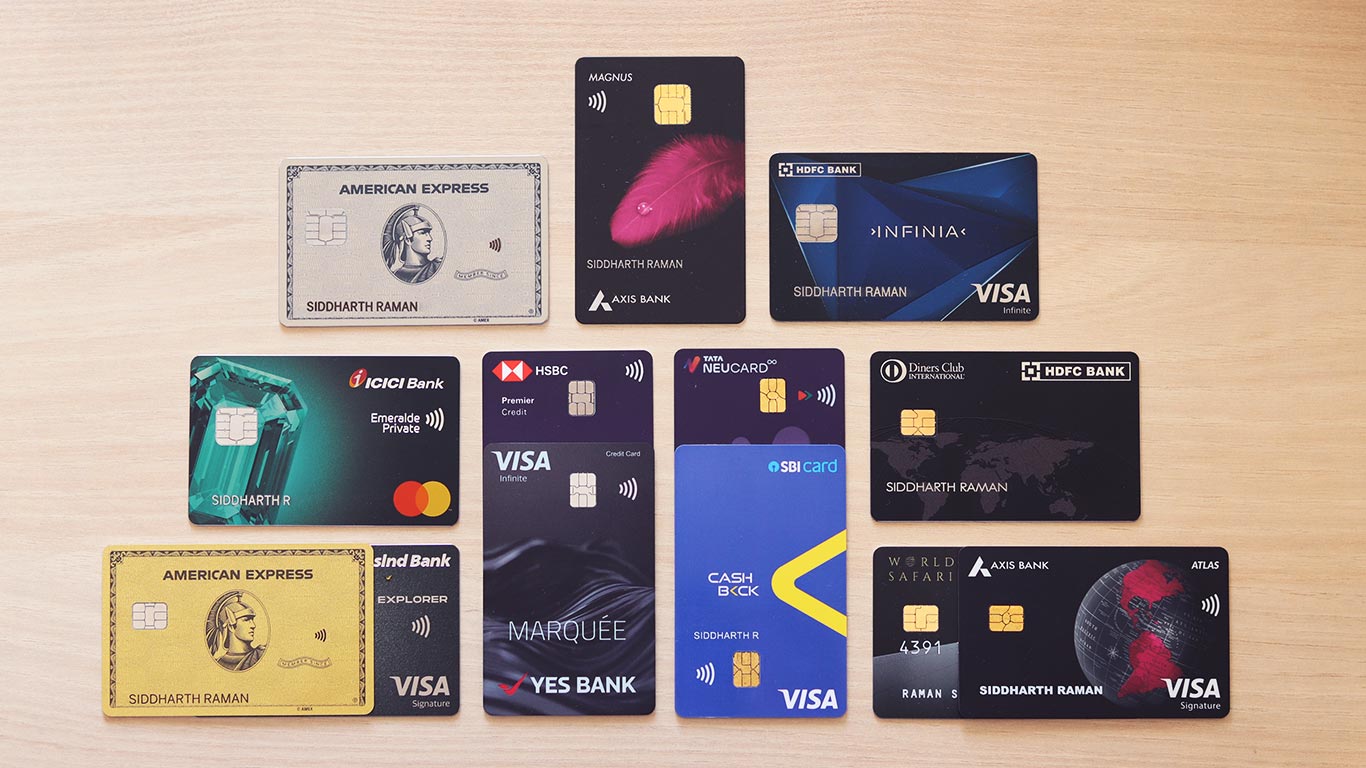
The “best” card for you today may not be the best card for you in three years. Life changes—you might change jobs, stop traveling as much, or have a child. Financial experts recommend an annual “Keep, Cancel, or Downgrade” audit. If a card’s annual fee is no longer justified by its rewards or benefits, you should consider “downgrading” it to a no-fee version within the same bank. This allows you to keep the account’s age (benefitting your credit score) without the ongoing cost.
Ultimately, the best credit card to have is the one that rewards you for the spending you were already going to do. By matching a card’s strengths to your personal habits and remaining disciplined with your payments, you transform your credit card from a liability into a powerful asset that supports your long-term financial health.
aViewFromTheCave is a participant in the Amazon Services LLC Associates Program, an affiliate advertising program designed to provide a means for sites to earn advertising fees by advertising and linking to Amazon.com. Amazon, the Amazon logo, AmazonSupply, and the AmazonSupply logo are trademarks of Amazon.com, Inc. or its affiliates. As an Amazon Associate we earn affiliate commissions from qualifying purchases.