
Smoke alarms are indispensable guardians of our homes and lives, providing critical early warning in the event of a fire. Their effectiveness, however, hinges entirely on a reliable power source. Understanding the different types of batteries that power these essential safety devices, along with best practices for their maintenance, is crucial for ensuring continuous protection. Far from a one-size-fits-all answer, the battery requirements for smoke alarms can vary significantly based on the unit’s design, age, and features. Navigating these distinctions is key to maintaining a vigilant safety system in any modern dwelling.
Understanding Smoke Alarm Power Sources
Before delving into specific battery types, it’s important to differentiate how various smoke alarms receive their primary and secondary power. This distinction dictates not only the kind of battery needed but also the frequency of maintenance.
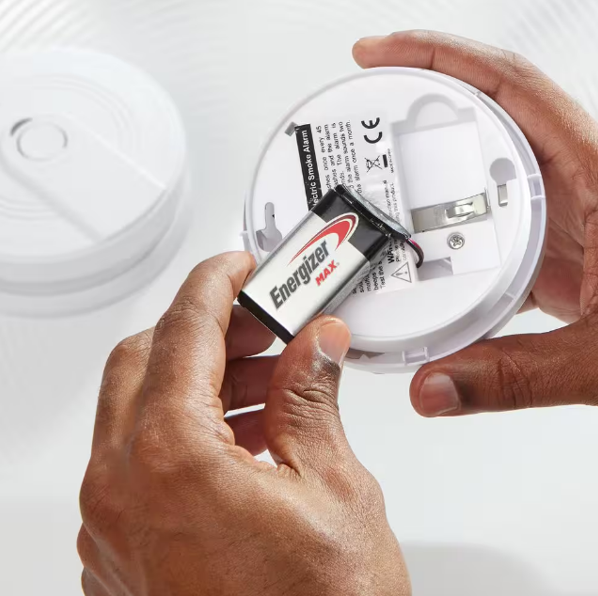
Primary Battery-Powered Alarms
These are the most common and often the simplest type of smoke alarm, relying solely on batteries for their operation. They are portable, easy to install without electrical wiring, and ideal for locations where hardwiring isn’t feasible or desired. Their main drawback is the necessity for consistent battery replacement, as they have no alternative power source once the batteries deplete. These units are typically found in older homes or as supplementary detectors in areas like garages or sheds. The technology within these alarms ranges from basic ionization sensors, which detect invisible fire particles, to photoelectric sensors, which are more responsive to smoldering fires. The battery choice here is paramount, as it directly impacts the device’s operational lifespan.
Hardwired Alarms with Battery Backup
A prevalent choice in newer constructions and mandated by many building codes, hardwired smoke alarms are connected directly to a home’s electrical system. This provides a continuous power supply, eliminating the need for frequent battery changes for primary operation. However, virtually all hardwired alarms are also equipped with a battery backup. This critical feature ensures that the alarm remains fully functional even during power outages, a time when fire risk can sometimes increase or emergency services might be delayed. The battery in these units acts as a safety net, guaranteeing uninterrupted vigilance. While the primary power comes from the grid, the integrity of the battery backup is just as important, requiring periodic checks and replacements.
Sealed-Unit 10-Year Battery Alarms
Representing a significant advancement in smoke alarm technology and convenience, sealed-unit alarms come with a non-replaceable, long-life battery designed to power the device for its entire lifespan, typically 10 years. These units are designed to be tamper-proof, eliminating the possibility of battery removal or incorrect installation. Once the 10-year period is complete, the entire unit is replaced. This type of alarm significantly reduces the hassle of battery changes and the risk of alarms failing due to neglected maintenance, making them an increasingly popular and often recommended option for modern homes. The internal battery is usually a specialized lithium type, optimized for longevity and consistent power output over a decade.
The Standard Battery Types for Smoke Alarms
The specific battery type required for a smoke alarm depends largely on whether it’s a primary battery-powered unit or a hardwired unit with battery backup, excluding the sealed 10-year models. Each battery type offers distinct characteristics in terms of voltage, capacity, and cost-effectiveness.
The Ubiquitous 9-Volt Battery
For decades, the 9-volt battery has been the workhorse for many standalone battery-powered smoke alarms and as the backup power source for numerous hardwired units. Its compact, rectangular shape and characteristic two terminals (one positive, one negative, both on one end) are instantly recognizable. These batteries typically provide sufficient power for a smoke alarm to operate for approximately six months to a year, depending on the alarm’s power draw and the battery’s quality.
- Alkaline 9-Volt: These are the most common and affordable 9-volt batteries. They offer a good balance of cost and performance for typical smoke alarm use. However, their voltage gradually declines over time, which can lead to the alarm “chirping” a low-battery warning well before it completely dies.
- Carbon-Zinc 9-Volt: Less common now, these are cheaper but offer significantly less capacity and shorter lifespan than alkaline batteries, making them unsuitable for critical safety devices like smoke alarms.
- Lithium 9-Volt: While more expensive, lithium 9-volt batteries offer superior performance. They provide a more consistent voltage throughout their life and boast a significantly longer lifespan, often up to five years, making them an excellent choice for reducing battery replacement frequency. Their stable discharge characteristics are particularly beneficial for sensitive electronic devices.
AA and AAA Alkaline Batteries
Increasingly, some newer models of battery-powered smoke alarms, particularly those with more advanced features or sleeker designs, are utilizing AA or AAA alkaline batteries. These cylindrical batteries are often used in multiples (e.g., two or three AA batteries) to achieve the necessary voltage and capacity. The shift to AA/AAA can sometimes be driven by design aesthetics, allowing for slimmer alarm profiles, or to take advantage of the widespread availability and cost-effectiveness of these battery sizes. While individually smaller, using multiple AA/AAA batteries can collectively provide a similar or even longer lifespan than a single 9-volt battery, depending on the alarm’s power consumption and the battery chemistry. The convenience of using common household battery sizes is also a factor.
Lithium Batteries: The Long-Lasting Choice
Beyond the 9-volt form factor, lithium battery technology plays a pivotal role in the extended life of modern smoke alarms.
- Integrated Lithium Cells (10-Year Alarms): As mentioned, sealed 10-year smoke alarms incorporate specialized, high-capacity lithium cells (often 3V or similar configurations) that are designed to provide consistent power for the entire decade-long life of the unit. These are not user-replaceable and are engineered for optimal performance and safety within the sealed housing. The chemistry is often lithium-manganese dioxide or a similar long-life variant.
- Replaceable Lithium Batteries (e.g., CR123A): A few high-end or specialized smoke detectors might use cylindrical lithium cells like CR123A (3V) for their backup power or primary power. These batteries offer excellent shelf life, operate well in extreme temperatures, and provide a stable high voltage, making them suitable for devices requiring consistent, long-term power. However, they are typically more expensive and less universally available than standard alkaline options.
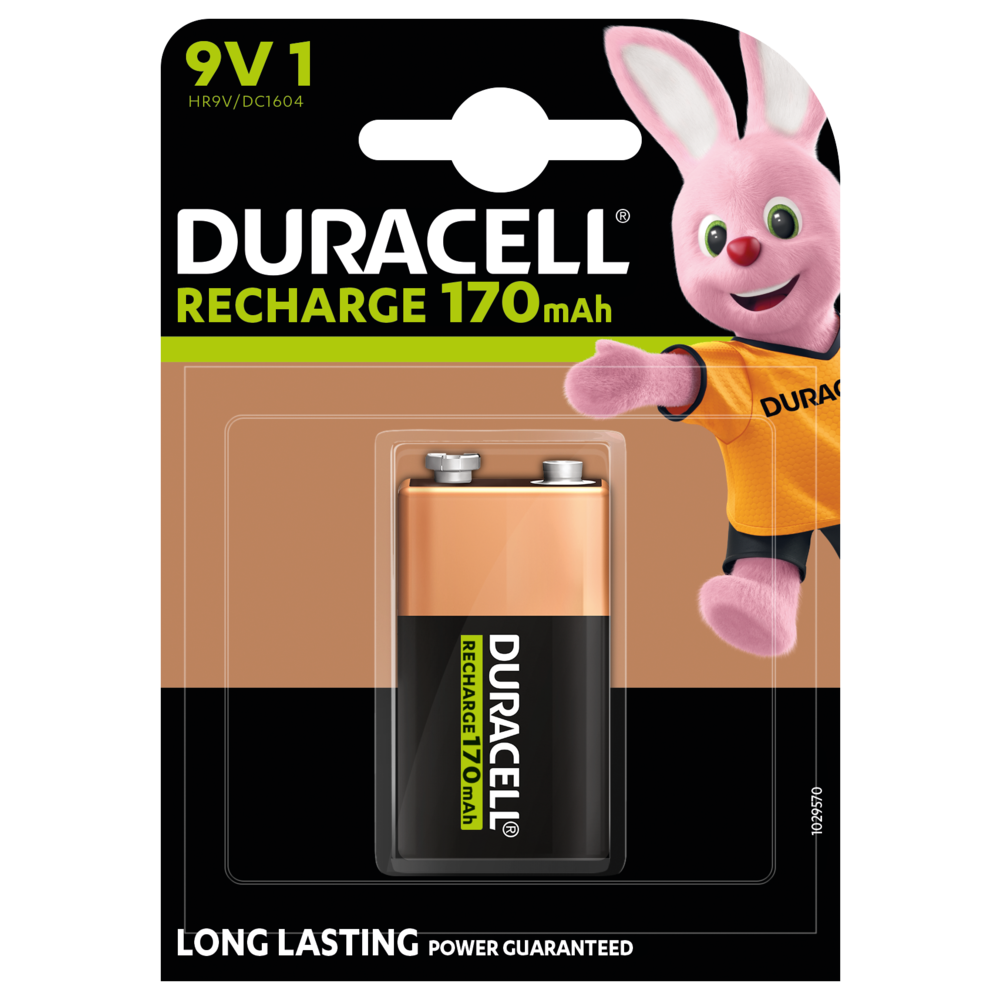
The choice of lithium, whether integrated or replaceable, underscores a move towards greater reliability and reduced maintenance burden for essential safety equipment.
Best Practices for Smoke Alarm Battery Maintenance
Regardless of the specific battery type or alarm model, diligent maintenance is paramount to ensuring your smoke alarms are always ready to protect your home and family. Neglecting battery checks or replacements is a leading cause of smoke alarm failure.
Regular Testing is Crucial
The most fundamental maintenance practice is regular testing. Manufacturers, fire safety organizations, and building codes universally recommend testing all smoke alarms at least once a month. This simple procedure involves pressing and holding the “Test” button on each alarm until a loud siren sounds. This confirms that the alarm’s circuitry, sensor, and battery are all functioning. If the alarm does not sound, it’s an immediate indicator of a problem, often a dead or improperly installed battery. This routine check is non-negotiable for safety.
The “Twice a Year” Rule
A widely recognized guideline for battery replacement, particularly for alarms using alkaline 9-volt or AA/AAA batteries, is to change them at least twice a year. A common mnemonic is to replace them when you change your clocks for Daylight Saving Time (spring forward and fall back). This ensures that batteries are replaced proactively, before they have a chance to fully deplete and trigger nuisance chirps or, worse, fail when needed most. For hardwired alarms with battery backup, even though the primary power is constant, the backup battery still needs this twice-yearly attention. While many alkaline batteries might last longer than six months, this proactive replacement schedule eliminates guesswork and provides a consistent safety buffer.
Why You Shouldn’t Ignore the Chirp
The “chirp” is a smoke alarm’s cry for help. It’s a low-battery warning, a deliberate audible signal designed to alert occupants that the power source is nearing depletion. Ignoring this intermittent beep is incredibly dangerous. Many fire fatalities occur in homes where smoke alarms were present but not functioning, often due to dead batteries that were not replaced after chirping. When an alarm chirps, replace the battery immediately. Do not postpone it, and do not assume it will last “a little longer.” It’s a critical safety signal that demands immediate action. In some cases, a chirp can also indicate a malfunctioning unit or the end of a sealed unit’s 10-year life, signaling it’s time for full replacement.
Proper Disposal of Used Batteries
Once batteries are removed, responsible disposal is important from an environmental perspective. Most household batteries (alkaline, carbon-zinc) can generally be disposed of with regular trash, though local regulations may vary. However, lithium batteries and rechargeable batteries should always be recycled at designated collection points. Many electronics stores, municipalities, and hazardous waste facilities offer battery recycling programs. Check with your local waste management services for specific guidance. Proper disposal prevents harmful chemicals from leaching into the environment and allows for the recovery of valuable materials.
Advanced Considerations and Smart Smoke Alarms
As technology evolves, so too do the capabilities of our home safety devices. Modern smoke alarms are integrating increasingly sophisticated features, impacting their power requirements and maintenance strategies.
Interconnected Systems
Many contemporary homes utilize interconnected smoke alarm systems. In these setups, if one alarm detects smoke, all alarms in the system will sound simultaneously, regardless of where the fire is located. This provides a much louder and more comprehensive warning, especially in larger homes or multi-story dwellings. Interconnected systems can be hardwired (using a dedicated wire between units) or wireless (communicating via radio frequencies). For wireless interconnected systems, battery life can be a more complex consideration, as the communication modules draw additional power. It’s essential to follow the manufacturer’s recommendations for battery types and replacement schedules very closely for these advanced systems to ensure seamless operation across all units.
Smart Smoke Alarms and Connectivity
The advent of smart home technology has extended to smoke alarms, bringing enhanced features and remote monitoring capabilities. Smart smoke alarms, such as those from Nest Protect or Kidde, connect to a home’s Wi-Fi network. They can send alerts to your smartphone when smoke or carbon monoxide is detected, even when you’re away from home. Some offer voice alerts, automatically test themselves, and integrate with other smart home devices.
These advanced features often mean a more robust power supply. While many smart alarms are hardwired with battery backup, some may be entirely battery-powered, utilizing specialized long-life lithium batteries (sometimes proprietary) to support their Wi-Fi radios and processing capabilities. The power consumption of a Wi-Fi module can be significant, so the internal batteries in these units are specifically engineered for this demand. Understanding the particular battery needs for a smart smoke alarm is crucial, as using an incorrect or low-quality battery could compromise its connectivity and smart features. Furthermore, maintaining an active Wi-Fi connection and ensuring the device’s firmware is up to date are additional “tech” maintenance tasks for these advanced units.

Professional Installation and Monitoring
For complex smart home setups or large properties, professional installation and monitoring services for smoke alarms can offer an extra layer of peace of mind. These services ensure that alarms are correctly placed, interconnected, and maintained. For hardwired systems, professional electricians ensure proper wiring and adherence to electrical codes. Monitoring services can automatically alert emergency services upon fire detection, a critical feature for occupants who may be away or incapacitated. While this doesn’t directly relate to battery types, it does speak to the broader technological ecosystem surrounding smoke alarm efficacy and the importance of ensuring every component, including the power source, is optimized for peak performance. The reliability of power is a foundational element that even the most advanced smart systems cannot function without.
aViewFromTheCave is a participant in the Amazon Services LLC Associates Program, an affiliate advertising program designed to provide a means for sites to earn advertising fees by advertising and linking to Amazon.com. Amazon, the Amazon logo, AmazonSupply, and the AmazonSupply logo are trademarks of Amazon.com, Inc. or its affiliates. As an Amazon Associate we earn affiliate commissions from qualifying purchases.