
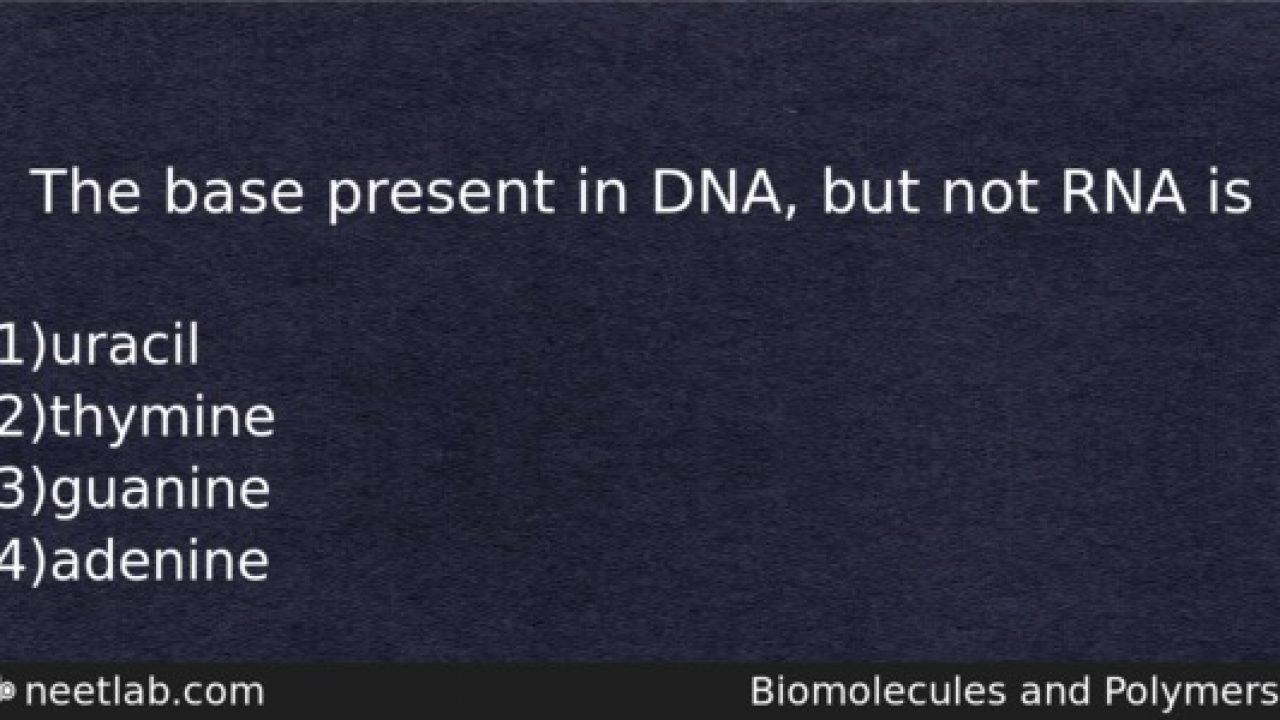
In the rapidly evolving landscape of data technology, the quest for the ultimate storage medium has led scientists and engineers away from traditional silicon and toward the very building blocks of life. When we ask the fundamental biological question—what base is found in DNA but not in RNA?—the answer is Thymine. While this may seem like a trivia point for a high school biology exam, in the world of cutting-edge technology, software engineering, and digital security, the presence of Thymine is the defining characteristic that makes DNA the most sophisticated “hard drive” ever discovered.
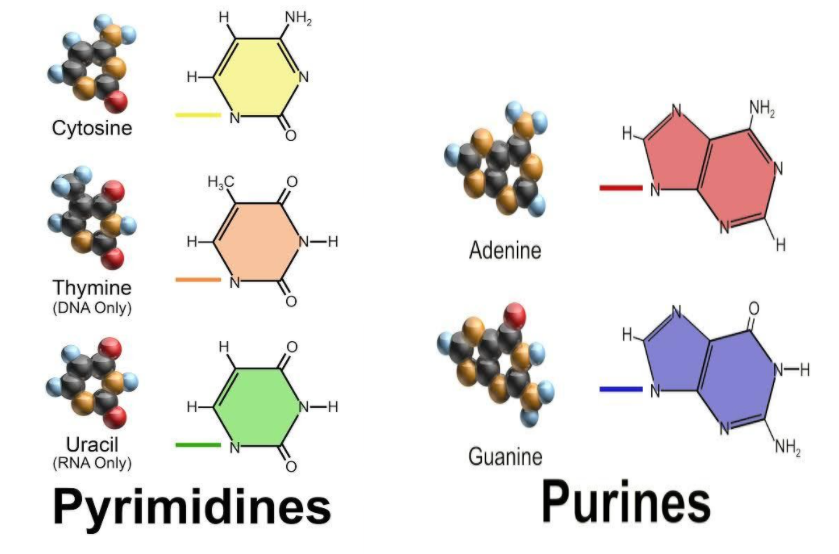
As we reach the physical limits of traditional magnetic and flash storage, the technology sector is increasingly looking at DNA as a medium for long-term data archiving. Understanding why Thymine exists in DNA, while its counterpart Uracil is found in RNA, provides crucial insights into the stability, error correction, and longevity required for the next generation of digital repositories.
The Architecture of Biological Storage: Why Thymine is the Tech Stack’s Foundation
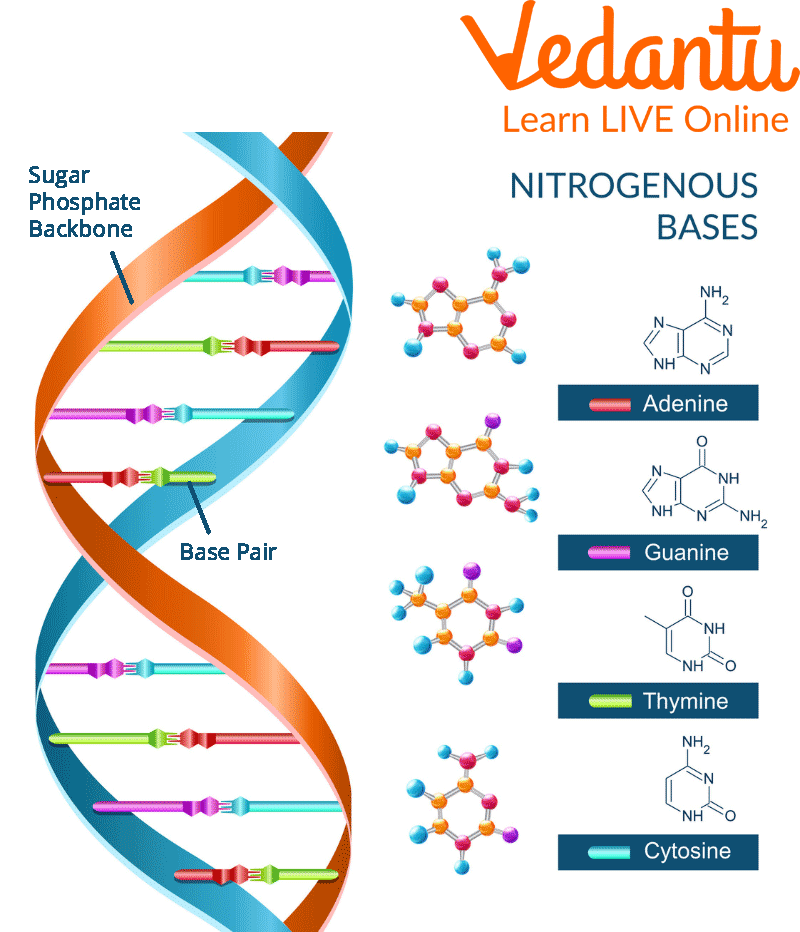
In computer science, we deal with binary: zeros and ones. In biological computing, the “code” is quaternary, consisting of four nitrogenous bases. DNA utilizes Adenine (A), Cytosine (C), Guanine (G), and Thymine (T). RNA, conversely, replaces Thymine with Uracil (U). For a technology professional, this substitution isn’t just a chemical quirk; it is a fundamental design choice that dictates the “uptime” and reliability of the data.
The Stability Protocol: DNA as the “Cold Storage”
Thymine is essentially a methylated version of Uracil. This small structural addition makes DNA significantly more stable than RNA. In technological terms, if DNA is the ultra-secure, long-term archival server (Cold Storage), RNA is the volatile RAM or the temporary “message” sent to a peripheral device. Because DNA contains Thymine, it is less susceptible to spontaneous decay. This stability is the primary reason why tech giants like Microsoft and Twist Bioscience are investing millions into DNA data storage—they are leveraging the chemical “redundancy” provided by Thymine to ensure data remains readable for thousands of years.
Error Detection and the “Uracil Glitch”
One of the most critical aspects of digital security and data integrity is error detection. In biological systems, Cytosine can occasionally lose an amino group and transform into Uracil. If DNA naturally contained Uracil, the cell’s “software” wouldn’t know if the Uracil was supposed to be there or if it was a corrupted Cytosine. By using Thymine as its standard base, the DNA “operating system” can immediately identify any Uracil as a “bit flip” or a data error and trigger a repair mechanism. This natural error-correction protocol is a gold mine for developers looking to build self-healing data structures.
DNA vs. RNA: Comparing Long-term Storage and Flash Memory
In the hierarchy of information technology, we categorize storage based on speed, volatility, and capacity. When we analyze the difference between DNA (featuring Thymine) and RNA (featuring Uracil), we see a perfect parallel to the modern enterprise data center.
High-Latency, High-Density Archiving
DNA is the ultimate high-density storage. A single gram of DNA can theoretically store 215 petabytes of data. However, the “latency”—the time it takes to write (synthesize) and read (sequence) the data—is currently very high. Like an LTO tape drive or a deep-glacier cloud storage tier, DNA is not meant for the active processing of day-to-day applications. Its reliance on Thymine ensures that once the data is “burned” into the molecular chain, it stays there. Tech innovators are currently developing “molecular controllers” that can navigate these DNA strands to retrieve specific files without having to sequence the entire “drive.”
RNA as the Volatile Intermediate Software
If DNA is the source code stored in a secure repository, RNA is the executable script that runs in the environment. Because RNA uses Uracil, it is intentionally designed to be short-lived. In tech terms, RNA is “stateless.” It carries instructions from the DNA to the ribosomes (the hardware) and then degrades. For developers interested in transient computing or ephemeral messaging apps, the RNA model offers a blueprint for data that exists only as long as it is needed, preventing the “data bloat” that plagues modern software ecosystems.
The Rise of DNA Data Storage: Engineering the Next Generation of Servers
The tech industry is currently facing a “data zettabyte” crisis. We are producing data faster than we can manufacture silicon-based storage. This has pushed the conversation regarding Thymine-based DNA storage from the realm of science fiction into corporate boardrooms.
Software for Synthesis: Writing Binary to Biology
The process of DNA storage involves converting digital 0s and 1s into A, C, G, and T. Modern software tools are being developed to optimize this encoding. For instance, to avoid “read errors,” algorithms ensure that there are no long runs of the same base (like TTTTTT), which can confuse sequencing machines. These encoding tools are essentially the new “compilers” for biological hardware. By utilizing the specific properties of Thymine, these software suites can ensure that the “written” data is chemically optimized for long-term survival in a synthetic environment.
The Role of AI in Sequencing and Retrieval
Artificial Intelligence is the primary driver behind making DNA storage viable. Reading DNA (sequencing) produces massive amounts of “noisy” raw data. AI models are trained to recognize the patterns of the four bases—specifically looking for Thymine to distinguish the “master file” from any transient RNA noise. Machine learning algorithms are now being used to speed up the “random access” of DNA storage, allowing users to search for a specific “base-coded” keyword within a pool of biological molecules.
Security and Stability: The Role of Thymine in Data Integrity
In an era of rampant cyberattacks and data corruption, the “security” of the storage medium itself is paramount. The presence of Thymine in DNA provides a level of physical data security that no magnetic disk can match.
Resistance to “Bit Rot” and Environmental Factors
“Bit rot” is the slow decay of data on storage media over time. Hard drives fail, and SSDs lose their charge. However, DNA—thanks to the stability of the Thymine base—can remain intact in cool, dry conditions for millennia. From a digital security perspective, this offers a “write-once, read-forever” (WORF) capability. For governments and financial institutions, this means that historical records or encryption keys can be stored in a medium that is physically immune to electromagnetic pulses (EMP) or power failures.
Biological Encryption and Steganography
The quaternary nature of DNA (A, T, C, G) allows for complex encryption layers. Because the difference between DNA and RNA is just the base Thymine vs. Uracil, tech-security experts are exploring “biological steganography.” This involves hiding encrypted DNA data (containing Thymine) within a sea of decoy RNA (containing Uracil). To an unauthorized observer or a standard “scanner,” the data appears as biological noise. Only the party with the correct “sequencing key” can isolate the Thymine-based strands and decrypt the digital information.
The Future of Bio-Computing: Moving Beyond Traditional Silicon
As we look toward the 2030s, the “Tech” sector is no longer just about chips and wires; it is about “wetware.” The distinction between Thymine and Uracil is the cornerstone of a new field: Biocomputing.
Hybrid Systems: Silicon Meets DNA
The most likely future for tech infrastructure is a hybrid model. Silicon-based processors will handle high-speed logic and real-time calculations, while DNA-based “biomedium” will handle the massive, immutable datasets. We are seeing the development of “DNA-on-a-chip” technology, where traditional software can interface directly with synthetic DNA strands. These chips use the unique signatures of Thymine to verify that the long-term data hasn’t been tampered with or degraded by thermal fluctuations.
Sustainability and the Green Data Center
Traditional data centers consume an astronomical amount of electricity and require rare earth metals. DNA storage is incredibly sustainable. It requires no power to maintain data once written and is biodegradable. By focusing on the “Thymine-based” DNA model, the tech industry is moving toward a circular economy where data storage is as natural as the cells in our bodies. This shift represents a major trend in “Green Tech,” where biological efficiency is the new benchmark for software and hardware performance.
In conclusion, while the question “what base is found in DNA but not in RNA?” has its roots in molecular biology, its answer—Thymine—is the key to the future of the technology industry. Thymine provides the stability, error-correction, and durability that make DNA the ultimate medium for the digital age. As we continue to bridge the gap between software engineering and synthetic biology, the “Thymine-standard” will likely become the foundation for how we preserve the sum of human knowledge for the next thousand years.
aViewFromTheCave is a participant in the Amazon Services LLC Associates Program, an affiliate advertising program designed to provide a means for sites to earn advertising fees by advertising and linking to Amazon.com. Amazon, the Amazon logo, AmazonSupply, and the AmazonSupply logo are trademarks of Amazon.com, Inc. or its affiliates. As an Amazon Associate we earn affiliate commissions from qualifying purchases.