
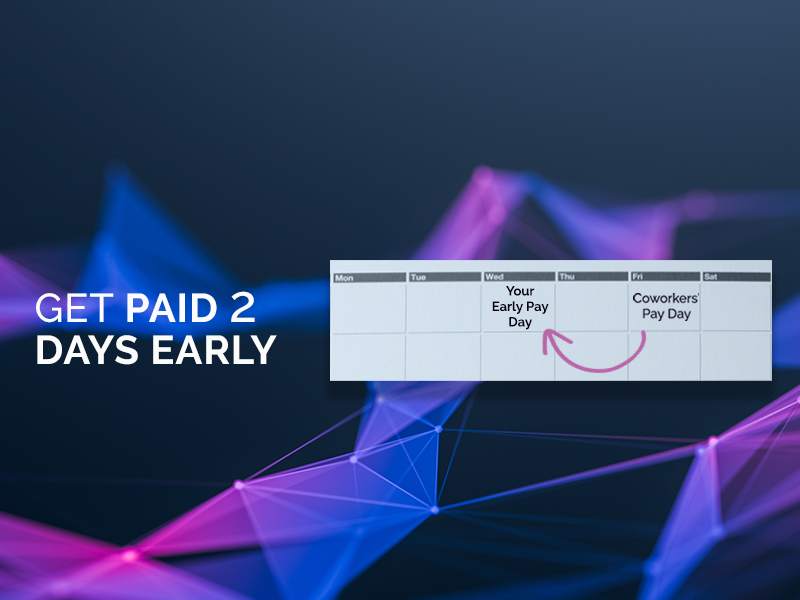
In an increasingly fast-paced world where immediate gratification often dictates consumer preferences, the traditional banking model of waiting for payday has begun to feel antiquated to many. The advent of “early direct deposit” — a feature allowing account holders to access their paychecks up to two days before their scheduled payday — has emerged as a significant disruptor, fundamentally altering how millions manage their personal finances. This innovation is not merely a perk; it’s a strategic offering by financial institutions designed to address real-world financial pain points, enhance customer loyalty, and ultimately, reshape the landscape of personal banking. For consumers, understanding which banks offer this feature, how it works, and its broader implications for financial health is crucial for optimizing their financial strategies.
The Rise of Early Direct Deposit: A Game-Changer for Personal Finance
The concept of early access to funds might seem revolutionary, but it’s a logical evolution in response to consumer demand for greater control and flexibility over their money. Historically, direct deposits were subject to the Automated Clearing House (ACH) network’s processing times, which typically meant funds became available on the official payday. Early direct deposit circumvents some of these traditional delays, providing a tangible benefit to those living paycheck to paycheck or simply seeking better cash flow management.
Understanding Early Pay Access
Early pay access, at its core, refers to a banking service that makes funds from an incoming direct deposit available to the recipient’s account sooner than the standard settlement date. While the most common offering is “up to two days early,” some institutions may even offer earlier access or frame it as soon as the bank receives notification of an incoming payment from the employer. This isn’t the bank lending you money; rather, it’s the bank making your funds available based on the processing of the payment file, often before the actual settlement date stipulated by the ACH network. The key is that the bank trusts the incoming payment is legitimate and will settle, allowing them to front the funds.
How This Feature Differs from Traditional Banking
Traditional banking operates on a strict schedule. When an employer initiates payroll, the funds are sent via the ACH network. This process involves multiple steps and takes a few business days for the funds to fully settle in the recipient’s account. While the funds might appear as “pending,” they are typically not available for withdrawal or use until the designated payday. Early direct deposit effectively bypasses this waiting period by making the funds available immediately upon receiving the payroll file from the employer, sometimes even before the employer’s official payment date to their bank. This subtle but significant difference grants consumers a head start on managing their finances for the week or month ahead.
The Consumer Demand for Faster Funds
The demand for early access to funds is driven by several socio-economic factors. A significant portion of the population lives paycheck to paycheck, where unexpected expenses or a slight delay in funds can lead to overdrafts, late fees, or an inability to meet essential obligations. Early direct deposit acts as a buffer, providing a crucial two-day window that can alleviate financial stress, prevent costly fees, and offer greater peace of mind. Beyond financial distress, even financially stable individuals appreciate the convenience and enhanced control over their cash flow, enabling better budgeting and proactive financial planning. This feature speaks directly to the modern consumer’s desire for immediacy and convenience, making it a powerful tool for attracting and retaining banking customers.
Key Players and Their Early Pay Offerings
The landscape of early direct deposit is diverse, with both challenger banks and increasingly, traditional financial institutions, vying for customers by offering this sought-after feature. Understanding which institutions provide this service and their specific terms is vital for consumers looking to leverage this benefit.
Challenger Banks Leading the Charge
Neobanks, often referred to as challenger banks, were among the first to widely adopt and popularize early direct deposit. Companies like Chime, Varo, and Current built their business models around offering modern, mobile-first banking solutions that include features designed to appeal to younger demographics and those underserved by traditional banks. Chime, for instance, became synonymous with “get paid up to 2 days early,” making it a cornerstone of their marketing and value proposition. These digital-only banks often have lower overheads and more agile technology stacks, allowing them to innovate faster and offer features that traditional banks struggled to implement quickly due to legacy systems. Their focus on user experience and direct solutions to common financial frustrations has made them highly competitive.
Traditional Banks Adapting
Initially, traditional banks were slower to adopt early direct deposit, partly due to the complexities of integrating new features into vast, established systems and perhaps a conservative approach to risk. However, as the competitive pressure from neobanks mounted and consumer demand became undeniable, many larger institutions have begun to follow suit. While not all traditional banks offer a standard “2-day early” policy across the board, many are introducing similar features or are subtly speeding up their direct deposit processing. For example, some banks like Bank of America with their “Balance Assist” or other similar initiatives, are exploring ways to provide earlier access or bridge financial gaps, even if not explicitly marketing a “2 days early” feature for every account type. Wells Fargo and Chase are also making strides, with features that effectively make funds available faster, sometimes ahead of the official payday, depending on their internal processing and employer payroll submission times. It’s becoming increasingly common for traditional banks to highlight faster availability of funds as a competitive advantage, though the explicit “2 days early” guarantee is still more prevalent among neobanks. Consumers should always check the specific terms and conditions of their chosen bank.
Eligibility and Account Requirements
While early direct deposit is a fantastic feature, it’s not universally available without some prerequisites. Typically, eligibility hinges on having an active checking account with direct deposit set up. Most banks require that a direct deposit (e.g., from an employer or government benefits) is regularly made into the account. Some institutions might have minimum deposit amounts or frequency requirements. For example, some banks may only offer early access if your direct deposit amount is above a certain threshold, or if you maintain a minimum balance. Additionally, certain account types or tiers within a bank might offer preferential early access, while basic accounts might have standard processing times. Always review the terms and conditions provided by the financial institution, as these can vary significantly and may change over time.
The Tangible Benefits of Receiving Pay Early
The impact of receiving one’s paycheck early extends far beyond mere convenience. It offers a suite of tangible benefits that can profoundly improve an individual’s financial stability, reduce stress, and open doors to better financial management practices.
Enhanced Budgeting and Cash Flow Management
One of the most immediate and significant benefits is the improvement in budgeting and cash flow management. Having access to funds two days earlier provides a valuable buffer period. Instead of waiting until Friday to pay bills due on Monday, individuals can pay them on Wednesday, ensuring they are not late. This extra time allows for a more relaxed and thoughtful approach to allocating funds, enabling individuals to plan their spending, saving, and investing more effectively without the pressure of an impending payday. It turns a reactive financial management style into a proactive one, reducing the likelihood of impulsive financial decisions.
Avoiding Overdraft Fees and Late Payments
For those living paycheck to paycheck, the two-day head start can be a lifesaver. It dramatically reduces the chances of incurring overdraft fees or late payment penalties. An unexpected expense or a miscalculated budget item can often lead to a depleted account balance just before payday. With early access, those funds arrive just in time to cover pending transactions, avoid non-sufficient funds (NSF) fees, and ensure bills like rent, utilities, or loan payments are settled on time. Considering that overdraft fees can range from $25 to $35 per instance, avoiding even one or two such fees can result in significant savings over a year.
Reduced Financial Stress and Improved Well-being
The psychological impact of early direct deposit cannot be overstated. Financial stress is a pervasive issue, affecting mental and physical health. The constant worry about making ends meet, avoiding fees, or managing a tight budget can be incredibly draining. Knowing that your paycheck will arrive a couple of days early can significantly alleviate this anxiety. It provides a sense of control and predictability, fostering greater financial confidence and overall well-being. This reduction in stress allows individuals to focus more on their work, family, and personal lives, rather than constantly agonizing over their financial situation.
Opportunities for Early Saving and Investing
While often viewed as a tool for immediate expenses, early direct deposit also presents unique opportunities for proactive saving and investing. That two-day window can be strategically used to transfer funds directly into a savings account, an emergency fund, or even an investment account before the money is mentally earmarked for spending. This “pay yourself first” approach becomes easier to implement when funds are available sooner, reducing the temptation to spend it. Over time, consistently leveraging this early access for saving can lead to substantial financial growth and a stronger financial safety net, accelerating progress towards long-term financial goals.
Practical Implications and Considerations
While the benefits of early direct deposit are clear, it’s important for consumers to understand the underlying mechanics and consider potential implications to fully leverage this feature without encountering unforeseen challenges.
Understanding the Mechanics: ACH vs. Instant Payments
The early direct deposit feature typically operates by making funds available as soon as the bank receives the ACH pre-notification file from your employer. This file, containing details about the upcoming payment, often arrives a day or two before the actual settlement date on the ACH network. Banks offering early access essentially credit your account based on this reliable pre-notification, trusting that the actual funds will follow. It’s important to distinguish this from “instant payments,” which involve real-time transfer and settlement of funds, like those facilitated by services such as Zelle or the upcoming FedNow service. While both offer speed, early direct deposit is still tied to the ACH system’s batch processing, but with the bank taking on the interim risk. This distinction is crucial for understanding why “two days early” is common and why “instant” full payroll settlement isn’t yet universal.
Potential Impact on Bill Pay Schedules
Receiving your pay early can subtly shift your personal bill pay schedule. While this is generally a positive, providing more flexibility, it requires conscious adjustment. If you’ve historically scheduled bill payments for your traditional payday, you might now be able to move them up by a day or two. This can be beneficial for avoiding late fees, but it also means you need to be mindful of these new timings. If you rely on automated bill pay features, ensure that the due dates for your bills align with your adjusted “new payday.” A lack of coordination could inadvertently lead to funds being unavailable for scheduled payments if you spend the early accessed funds before a bill is due, or if you don’t adjust your bill payment calendar.
No-Fee vs. Fee-Based Early Access Options
The vast majority of early direct deposit offerings from neobanks and traditional institutions are provided as a free service. It’s a competitive feature designed to attract and retain customers, often tied to a basic checking account with no monthly maintenance fees. However, it’s always prudent to confirm this with your bank. In some instances, early access might be part of a premium account package, or some alternative financial service providers might charge a small fee for instant access to funds, which is slightly different from the standard early direct deposit feature. Always read the terms and conditions carefully to ensure you understand any associated costs, though free early direct deposit is the prevailing model for most reputable banks.
Security and Reliability of Early Direct Deposit
The security and reliability of early direct deposit are generally very high. Because the bank is acting on information received from your employer’s payroll provider via the ACH network, the system is built on established financial infrastructure. The funds are effectively “fronted” by the bank based on a strong expectation of settlement, making it a reliable process. However, as with any financial transaction, robust security measures are in place to protect your account and personal information. Users should continue to practice good digital hygiene, such as using strong passwords, enabling two-factor authentication, and being wary of phishing attempts, regardless of whether they use early direct deposit or not. The reliability of the “two days early” promise is also contingent on the employer submitting payroll files on time, which is generally consistent for most employers.
Strategic Financial Planning with Early Pay Access
Leveraging early direct deposit effectively goes beyond just getting funds sooner; it involves integrating this feature into a broader, more strategic approach to personal finance. When utilized thoughtfully, early pay access can become a powerful tool for achieving financial goals and building long-term security.
Optimizing Your Budget Calendar
The two-day head start provides an excellent opportunity to recalibrate and optimize your budget calendar. Instead of making frantic financial decisions on actual payday, you can use the early access window to review your upcoming expenses, allocate funds to different categories, and make necessary transfers. This proactive approach allows for a more accurate reflection of your spending habits and ensures that critical bills are accounted for before discretionary spending occurs. Consider creating a mini-budget for the “early access period” to ensure you’re making the most of those extra two days, perhaps by prioritizing immediate needs and then planning for the rest of the pay period.
Building an Emergency Fund Faster
One of the most impactful ways to use early direct deposit strategically is to accelerate the growth of your emergency fund. By having funds available sooner, you can immediately transfer a predetermined amount to a dedicated savings account or emergency fund, effectively “paying yourself first” before the temptation to spend arises. Even small, consistent transfers two days earlier each pay cycle can add up significantly over time, helping you reach your emergency savings goals much faster than if you waited until payday, when other expenses might already be vying for those funds. This disciplined approach can create a robust financial safety net, providing critical protection against unforeseen financial shocks.
Leveraging Early Access for Debt Reduction
For individuals carrying high-interest debt, such as credit card balances or personal loans, early direct deposit can be a valuable asset in accelerating debt reduction. By having funds available earlier, you can make debt payments ahead of schedule, potentially reducing the total interest paid over the life of the loan. This strategy, combined with a disciplined debt repayment plan, can significantly shorten the time it takes to become debt-free. The psychological boost of seeing debt balances decrease sooner can also provide powerful motivation to stick to a repayment plan. It’s about turning a competitive banking feature into a personal finance advantage.

Future Trends: The Evolution of Payroll and Banking
The widespread adoption of early direct deposit is just one indicator of a broader trend towards faster, more flexible, and more consumer-centric banking. As technology continues to evolve, we can anticipate even more innovations in how individuals access and manage their money. Real-time payments (like FedNow in the US or similar initiatives globally) could further diminish the concept of traditional “paydays” by making funds available almost instantaneously upon disbursement. This shift will likely push banks to offer even more tailored and agile financial tools, focusing on predictive insights, automated savings, and hyper-personalized financial advice. The competition among financial institutions will only intensify, pushing the boundaries of what consumers can expect from their banking partners in terms of speed, convenience, and financial empowerment. For consumers, staying informed about these developments will be key to continually optimizing their financial health in an ever-evolving digital economy.
aViewFromTheCave is a participant in the Amazon Services LLC Associates Program, an affiliate advertising program designed to provide a means for sites to earn advertising fees by advertising and linking to Amazon.com. Amazon, the Amazon logo, AmazonSupply, and the AmazonSupply logo are trademarks of Amazon.com, Inc. or its affiliates. As an Amazon Associate we earn affiliate commissions from qualifying purchases.