
In the modern financial landscape, the personal loan has emerged as one of the most versatile tools for managing debt, financing major life events, or covering unexpected expenses. While the rise of “FinTech” startups and peer-to-peer lending platforms has captured much of the headlines, traditional banks remain a cornerstone of the lending industry. They offer a sense of security, competitive interest rates, and the benefit of established relationships that many digital-only lenders cannot match.
However, not every bank offers personal loans. In recent years, several major national institutions have pivoted away from unsecured personal lending to focus on credit cards or home equity lines of credit. For a consumer, knowing which banks still offer these products—and what they require for approval—is essential to making an informed financial decision.
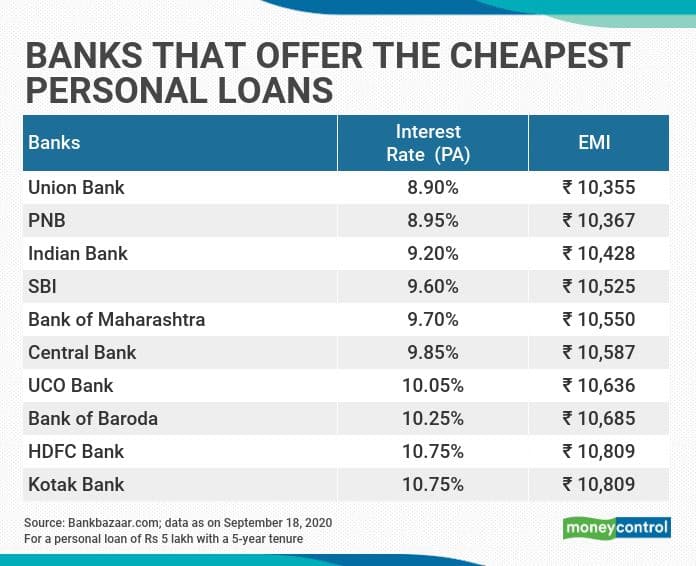
The Landscape of Major National Banks for Personal Loans
When searching for a personal loan, many borrowers instinctively look toward the “Big Four” and other national institutions. While the availability of personal loans in this sector has fluctuated, several key players continue to provide robust lending options for qualified borrowers.
Wells Fargo: Flexibility for Existing Customers
Wells Fargo stands as one of the most prominent national banks that continues to prioritize personal loans. They offer both secured and unsecured options, with loan amounts typically ranging from $3,000 to $100,000. One of the primary advantages of Wells Fargo is its accessibility; they provide a streamlined application process for existing customers, often resulting in faster funding times—sometimes as soon as the next business day. Their rates are competitive, particularly for those with “excellent” credit, making them a top choice for debt consolidation.
Citibank: Competitive Rates for High Credit Scores
Citibank is another major player that offers personal loans to both existing customers and, in some cases, new clients (though existing relationship benefits are significant). Citi is known for its fixed-rate loans with no origination fees, which can save borrowers hundreds of dollars upfront. Their loan terms are flexible, usually extending from 12 to 60 months. However, Citi is generally more selective, targeting borrowers with strong credit histories and stable income profiles.
U.S. Bank: Accessible Terms for Non-Customers
Unlike some national banks that restrict personal loans to existing account holders, U.S. Bank offers lending products to the general public. Their “Simple Loan” product is designed for smaller, short-term needs, while their standard personal loans cater to larger expenses like home improvements. U.S. Bank is often praised for its transparent fee structure and the ability to pre-qualify online without a hard hit to your credit score, allowing you to shop for rates safely.
Community Banks and Credit Unions: The Local Advantage
While national banks offer scale and advanced digital platforms, community banks and credit unions represent a vital segment of the personal loan market. These institutions often operate with a different philosophy, prioritizing the character of the borrower and the local economic impact.
Why Consider Local Institutions?
Local community banks often have more flexibility in their underwriting processes. Because they are smaller, they may take the time to look at a borrower’s entire financial picture rather than relying solely on an automated credit score. This can be a lifeline for individuals who may have a “thin” credit file but a strong history of local employment and a solid relationship with the bank. Furthermore, because these banks are locally owned, the interest you pay often stays within the community, supporting local growth.
Credit Unions vs. Traditional Banks
Though technically member-owned cooperatives rather than “banks,” credit unions are essential to discuss in this niche. Federal credit unions have a statutory cap on the interest rates they can charge (currently 18%), which can be significantly lower than the maximum rates at some commercial banks or online lenders. Institutions like Navy Federal Credit Union or Pentagon Federal Credit Union (PenFed) are famous for offering some of the lowest APRs in the nation. To access these loans, you must become a member, which usually involves a small deposit into a savings account and meeting specific eligibility criteria.
Digital-First Banking: The Evolution of Personal Lending
The line between “traditional bank” and “tech company” has blurred. Several major banking institutions have launched digital-only arms or specialized lending brands to compete with the speed and ease of FinTech.

Marcus by Goldman Sachs: Fee-Free Simplicity
Perhaps the most famous example of a traditional powerhouse entering the modern personal loan space is Marcus by Goldman Sachs. Marcus offers entirely digital personal loans with a unique selling point: no fees whatsoever. This includes no origination fees, no late fees, and no prepayment penalties. This transparent approach has made them a favorite for borrowers looking to consolidate high-interest credit card debt into a single, predictable monthly payment.
Discover Bank: Consolidation and Convenience
While many associate Discover with credit cards, Discover Bank is a major provider of personal loans. They specialize in debt consolidation and even offer a service where they pay your creditors directly, simplifying the process of cleaning up your balance sheet. Discover is known for its high customer service ratings and its “30-day money-back guarantee,” where if you return the loan amount within 30 days, you pay no interest.
American Express: Tailored Loans for Cardmembers
American Express offers personal loans specifically tailored for its existing cardmembers. This is a highly targeted “closed” ecosystem where the bank uses the data it already has on your spending and payment habits to offer pre-approved loans with very little paperwork. Because Amex already understands your risk profile, the application process can be completed in minutes, with funds disbursed shortly thereafter.
How to Choose the Right Bank for Your Loan
Identifying which banks offer loans is only the first step; the second is determining which bank offers the right loan for your specific financial situation. Not all personal loans are created equal, and the “best” bank is often subjective.
Interest Rates and APR
The Annual Percentage Rate (APR) is the most critical factor. It includes both the interest rate and any fees (like origination fees). A bank might offer a low interest rate but charge a 5% origination fee, making the loan more expensive than a competitor with a slightly higher rate but no fees. Always compare the APR, not just the base interest rate.
Loan Terms and Repayment Flexibility
Consider the length of the loan. A longer term (e.g., 72 months) will lower your monthly payment but increase the total interest you pay over the life of the loan. A shorter term (e.g., 24 months) will save you money on interest but requires a higher monthly cash flow. Look for banks that offer “no prepayment penalties,” allowing you to pay the loan off early if you come into extra cash.
The Value of an Existing Relationship
If you have maintained a checking or savings account at a bank for several years, that institution should be your first stop. Many banks offer “relationship discounts”—often 0.25% to 0.50% off your APR—simply for having an account or setting up automatic payments from that account. This loyalty bonus can make a traditional bank significantly cheaper than a random online lender.
Preparing Your Application: Boosting Your Approval Odds
Banks are generally more conservative than FinTech lenders. To secure the best rates from the institutions mentioned above, you need to present a strong financial profile.
Credit Score Requirements
Most major banks require a “Good” to “Excellent” credit score (typically 690 or higher) to qualify for their best rates. If your score is in the “Fair” range (630-689), you may still be approved, but the interest rate will be higher. Before applying, check your credit report for errors and pay down any high-utilization credit cards to give your score a temporary boost.
Debt-to-Income (DTI) Ratio
Banks look closely at your DTI ratio—the percentage of your gross monthly income that goes toward paying debts. Ideally, banks prefer a DTI below 36%, though some will go up to 45% or 50% if your income is high. If your DTI is too high, a bank may deny your application regardless of your credit score, as they want to ensure you have enough “wiggle room” in your budget to afford the new payment.

Documentation Needed
Unlike some “instant” apps, banks often require verified documentation. Be prepared to provide:
- Proof of Identity: Driver’s license or passport.
- Proof of Income: Recent pay stubs, W-2s, or tax returns (especially if self-employed).
- Employment Verification: Contact information for your current employer.
- Bank Statements: To verify your assets and cash flow.
By understanding the landscape—from the massive reach of Wells Fargo and Citi to the member-focused approach of credit unions and the streamlined digital experience of Marcus—you can navigate the world of personal loans with confidence. Whether you are looking to renovate your home, consolidate debt, or finance a major life milestone, the banking sector offers a variety of paths to achieve your financial goals. Always remember to compare multiple offers, read the fine print regarding fees, and ensure the monthly payment fits comfortably within your long-term financial plan.
aViewFromTheCave is a participant in the Amazon Services LLC Associates Program, an affiliate advertising program designed to provide a means for sites to earn advertising fees by advertising and linking to Amazon.com. Amazon, the Amazon logo, AmazonSupply, and the AmazonSupply logo are trademarks of Amazon.com, Inc. or its affiliates. As an Amazon Associate we earn affiliate commissions from qualifying purchases.