
Navigating the world of government assistance can sometimes feel complex, especially when it comes to accessing the financial aid you’re entitled to. For many individuals and families, the Electronic Benefits Transfer (EBT) card is a vital tool for managing food assistance (SNAP) and cash benefits (TANF). While the food portion of EBT is straightforwardly used at grocery stores and farmers’ markets, accessing cash benefits raises a common and critical question: “What banks can I get cash off my EBT card?”
Understanding where and how to withdraw cash from your EBT card is crucial for managing your personal finances effectively. This guide will demystify the process, detailing the types of financial institutions and retailers that facilitate EBT cash withdrawals, explaining potential fees, and offering valuable tips for responsible money management.

Understanding Your EBT Card and Cash Benefits
Before delving into specific locations, it’s essential to grasp the nature of your EBT card and the benefits it carries. Not all EBT cards function identically, as they can carry different types of aid.
EBT Cards: A Gateway to Essential Support
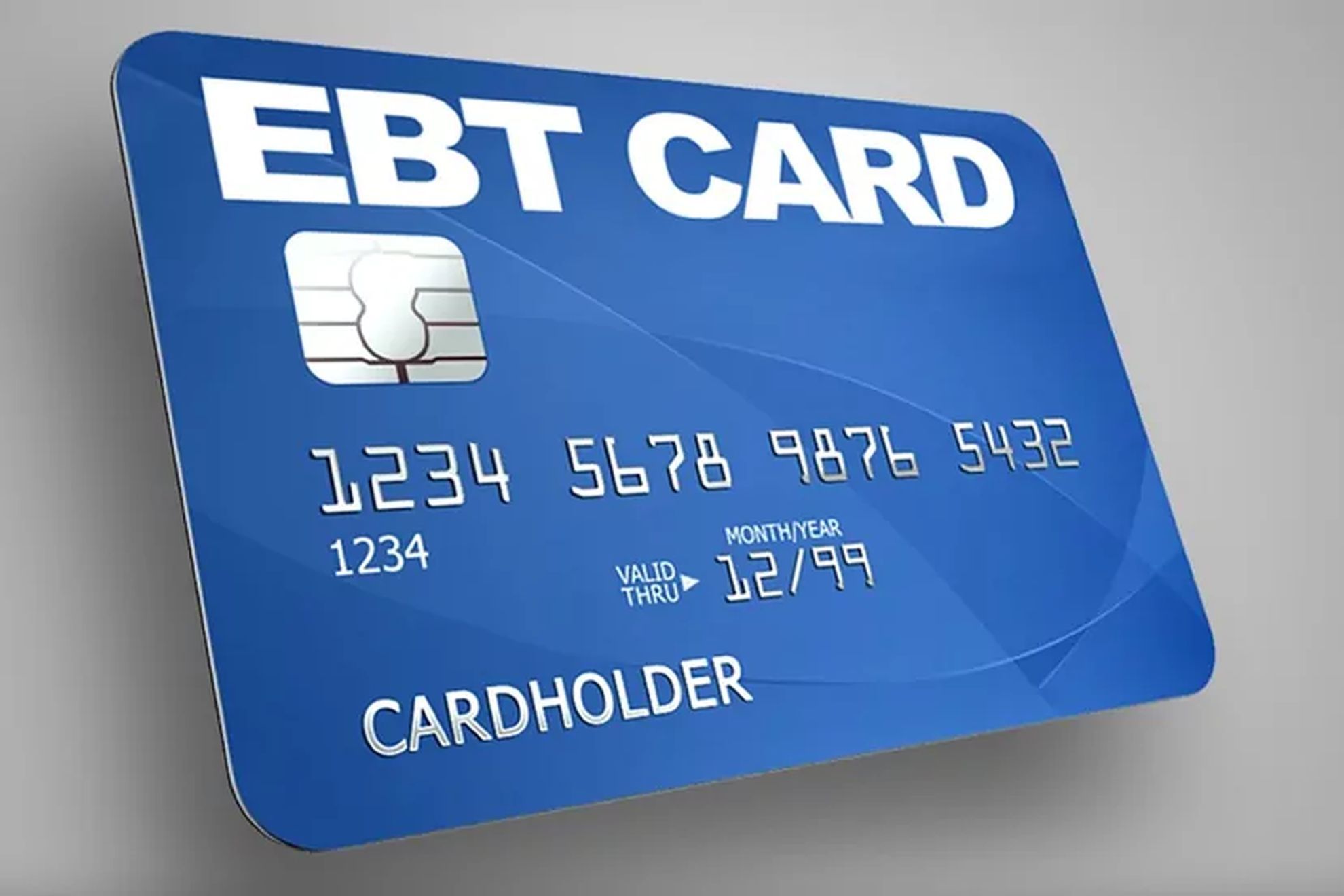
An EBT card looks and operates much like a standard debit card. It’s an electronic system that allows state welfare departments to issue benefits via a plastic card, eliminating the need for paper coupons or checks. When you receive an EBT card, it’s pre-loaded with your approved benefits. Each time you make a purchase or withdrawal, the amount is deducted electronically from your available balance.
Differentiating SNAP and Cash Benefits (TANF)
A critical distinction to make is between Supplemental Nutrition Assistance Program (SNAP) benefits and Temporary Assistance for Needy Families (TANF) cash benefits.
- SNAP Benefits (Food Stamps): These funds are exclusively for purchasing eligible food items. They cannot be converted to cash, nor can they be used at ATMs.
- Cash Benefits (TANF, General Assistance, etc.): If your EBT card includes cash benefits, these funds can be withdrawn as cash. These benefits are typically provided through programs like TANF, which aims to help families achieve self-sufficiency. It’s these cash benefits that this article primarily addresses when discussing ATM and over-the-counter withdrawals. It’s important to remember that not all EBT cards come with cash benefits; some are solely for SNAP.
The Importance of PIN Security
Just like a debit card, your EBT card requires a Personal Identification Number (PIN) for all transactions, including cash withdrawals. Your PIN is vital for protecting your benefits from unauthorized use. Never share your PIN with anyone, and always be discreet when entering it at ATMs or point-of-sale terminals. If your PIN is compromised, report it immediately to your state’s EBT customer service.
Navigating ATM Access for EBT Cash Withdrawals
ATMs are often the most convenient way to access cash benefits from your EBT card. However, not all ATMs are created equal when it comes to EBT compatibility and potential fees.
Identifying Surcharge-Free ATMs
The primary concern for EBT cardholders using ATMs is avoiding fees. While your state EBT agency generally doesn’t charge for withdrawals, the ATM owner might impose a surcharge. These fees can quickly deplete your limited benefits.
- Networks: EBT cards typically operate on major debit card networks, such as Quest®, NYCE®, Pulse®, and Star®. Look for these logos displayed on ATMs. Most ATMs that display these logos will accept your EBT card for cash withdrawals.
- Bank Branches: Many major banks, and even smaller community banks, have ATMs that accept EBT cards. While some bank ATMs might charge a fee, many do not, especially if they are part of a surcharge-free network. The key is to look for ATMs that explicitly state they are surcharge-free, or check your state’s EBT website for a list of preferred or fee-free ATM networks.
- Online EBT Locators: Most states provide an online EBT cardholder portal or a dedicated website that includes an ATM locator. These tools are invaluable for finding nearby ATMs that accept EBT and, crucially, identifying those that are surcharge-free. Always check your state’s official EBT website first.
Banks and ATM Networks That Accept EBT
While EBT cards are generally accepted across major ATM networks, it’s rare for a specific “bank” to be the only option. Instead, it’s about the network they belong to. Large banks like Chase, Bank of America, Wells Fargo, and smaller regional banks typically have ATMs that are part of these broader networks. The critical factor is the Quest® logo, or any of the other common debit network logos (NYCE, Pulse, Star). If you see one of these, the ATM should accept your EBT cash benefits. However, remember that acceptance doesn’t guarantee a fee-free transaction.
Transaction Limits and Fees to Expect
- Withdrawal Limits: EBT cash withdrawals often come with daily limits set by your state or the ATM owner. These limits can vary significantly, often ranging from $100 to $500 per day. It’s important to know your state’s specific limits.
- ATM Surcharges: As mentioned, ATM surcharges are the biggest financial concern. These fees, typically between $1.50 and $3.50 per transaction, are levied by the ATM owner and are separate from any state-imposed fees (which are rare for EBT cash). Always pay attention to prompts on the ATM screen that inform you of a potential surcharge. You usually have the option to cancel the transaction if a fee is too high.
- Out-of-Network Fees: While less common for EBT, some banks might charge an “out-of-network” fee if you use an ATM not affiliated with their institution, even if that ATM doesn’t levy a surcharge itself. This is another reason to consult your state’s EBT website for recommended ATM networks.
Checking Your Balance Before You Withdraw
Always check your EBT cash balance before attempting a withdrawal. You can typically do this through:
- Your state’s EBT customer service phone number (usually on the back of your card).
- Your state’s online EBT portal.
- Some ATMs allow you to check your balance, though this may sometimes incur a small fee.
Knowing your balance helps prevent declined transactions and potential frustration or unnecessary fees.
Over-the-Counter Cash Back at Participating Retailers
Beyond ATMs, many retailers offer the option to get cash back with your EBT card at the point of sale (POS). This can often be a more cost-effective way to access your cash benefits, as these transactions are frequently surcharge-free.
Beyond ATMs: Getting Cash at the Register
When using your EBT card at a grocery store or other participating retailer, you can often ask for cash back. This works similarly to getting cash back with a debit card: when you make a purchase, you tell the cashier how much extra cash you’d like to receive, and that amount is added to your total and then handed to you. However, you do not need to make a purchase to get cash back with your EBT cash benefits in most cases. You can simply ask for a cash withdrawal.
Finding Stores That Offer EBT Cash Back
Many large retail chains and supermarkets offer EBT cash back. Think of stores like Walmart, Target, Kroger, Safeway, Albertsons, and many other grocery stores. Convenience stores and dollar stores might also participate. Look for the Quest® logo at the checkout lane, or simply ask the cashier if they provide EBT cash withdrawals. Often, these transactions are processed without any fees from the retailer, making them an attractive alternative to fee-charging ATMs.
Understanding Retailer Policies and Limits
- Retailer Discretion: While many stores offer cash back, it’s ultimately up to the individual retailer to decide if they will provide this service and what their limits will be. Some stores may have a maximum cash back amount per transaction (e.g., $20, $50, or $100), which may be lower than ATM limits.
- No Purchase Necessary: In most instances, you do not need to make a purchase to get cash back from your EBT cash benefits at a participating retailer. You can simply inform the cashier you wish to make an EBT cash withdrawal.
- Availability of Cash: Retailers must have enough physical cash on hand to fulfill your request. During busy periods or late at night, they might have limited funds.
Common Challenges and Solutions When Accessing EBT Cash
Despite the systems in place, EBT cardholders can encounter issues. Knowing how to address them can save time and stress.
What to Do If Your Card is Lost, Stolen, or Damaged
If your EBT card is lost, stolen, or damaged, it’s imperative to report it immediately.
- Contact Your State EBT Customer Service: The phone number is usually on the back of your card, or you can find it on your state’s EBT website. Report the loss or theft to have the card deactivated and prevent unauthorized use.
- Request a Replacement Card: A new card will be mailed to you, usually within 5-10 business days.
- Understand Benefit Protection: In most states, once you report your card lost or stolen, your benefits are protected from further unauthorized use. However, benefits that were used before you reported the card may not be reimbursed.
Resolving Transaction Issues and Disputes
- Declined Transactions: If your transaction is declined, first check your balance. If you have sufficient funds, there might be an issue with the ATM, the retailer’s system, or your card itself. Try another ATM or retailer.
- Incorrect Deductions: If you notice an incorrect deduction or a transaction you didn’t authorize, contact your state’s EBT customer service immediately to dispute the charge. Keep records of dates, times, and amounts.
State-Specific Regulations and Resources
EBT programs are administered at the state level, meaning rules, limits, and available resources can vary. Always refer to your specific state’s EBT website or customer service line for the most accurate and up-to-date information regarding:
- Daily withdrawal limits.
- Approved ATM networks and fee policies.
- Lists of participating retailers for cash back.
- Procedures for reporting issues or requesting a new card.
Maximizing Your EBT Cash Benefits: Smart Financial Practices
Accessing your EBT cash is just one part of the equation; managing it wisely is equally important for your financial well-being.
Budgeting Your Cash Assistance Effectively
Cash benefits are intended to help cover essential living expenses beyond food. Creating a simple budget can ensure these funds are allocated efficiently.
- Track Income and Expenses: List all your sources of income, including your EBT cash benefits. Then, track all your expenditures, categorizing them (e.g., transportation, utilities, household supplies, personal care).
- Prioritize Needs: Allocate funds to essential needs first before considering discretionary spending.
- Plan Ahead: If you know certain expenses are coming up, set aside a portion of your benefits in advance.
Avoiding Unnecessary Fees
Every dollar saved on fees is a dollar that can be used for your necessities.
- Utilize Surcharge-Free Options: Make it a priority to use ATMs that are known to be surcharge-free or opt for cash back at participating retailers.
- Consolidate Withdrawals: Instead of making multiple small withdrawals and incurring repeated fees, plan to take out a larger, necessary amount at once (within your daily limits).
- Check Balance Regularly: Avoid failed transactions at ATMs that might charge a fee just for a balance inquiry or a declined attempt.

Integrating EBT into Your Overall Personal Finance Strategy
Think of your EBT cash benefits as one component of your broader financial picture.
- Emergency Fund (if possible): While EBT benefits are often designed for immediate needs, if you ever find yourself with a small surplus, consider setting it aside for unexpected emergencies.
- Financial Literacy: Seek out free financial literacy resources offered by community organizations, non-profits, or government agencies. Understanding basic budgeting, saving, and debt management can significantly improve your financial stability.
- Long-Term Goals: Even with limited resources, setting small, achievable financial goals (like saving for a specific item or reducing a small debt) can provide motivation and a sense of control over your finances.
In conclusion, accessing cash from your EBT card, specifically your cash benefits, is a straightforward process once you understand the system. By identifying surcharge-free ATMs, leveraging cash-back options at retailers, and practicing smart financial habits, you can ensure your EBT benefits serve their intended purpose effectively, contributing to your household’s stability and financial security. Always consult your state’s official EBT resources for the most accurate and personalized information.
aViewFromTheCave is a participant in the Amazon Services LLC Associates Program, an affiliate advertising program designed to provide a means for sites to earn advertising fees by advertising and linking to Amazon.com. Amazon, the Amazon logo, AmazonSupply, and the AmazonSupply logo are trademarks of Amazon.com, Inc. or its affiliates. As an Amazon Associate we earn affiliate commissions from qualifying purchases.