
The question of whether a local bank branch is open remains a critical query for millions of consumers, despite the rapid proliferation of digital-first fintech solutions. While mobile apps have streamlined daily transactions, the physical bank branch remains a cornerstone of the personal finance ecosystem for complex needs such as securing a cashier’s check, accessing a safe deposit box, or obtaining a notary public’s signature. Understanding the landscape of banking hours, holiday schedules, and the digital tools used to locate physical branches is essential for any savvy consumer managing their personal liquidity and financial health.
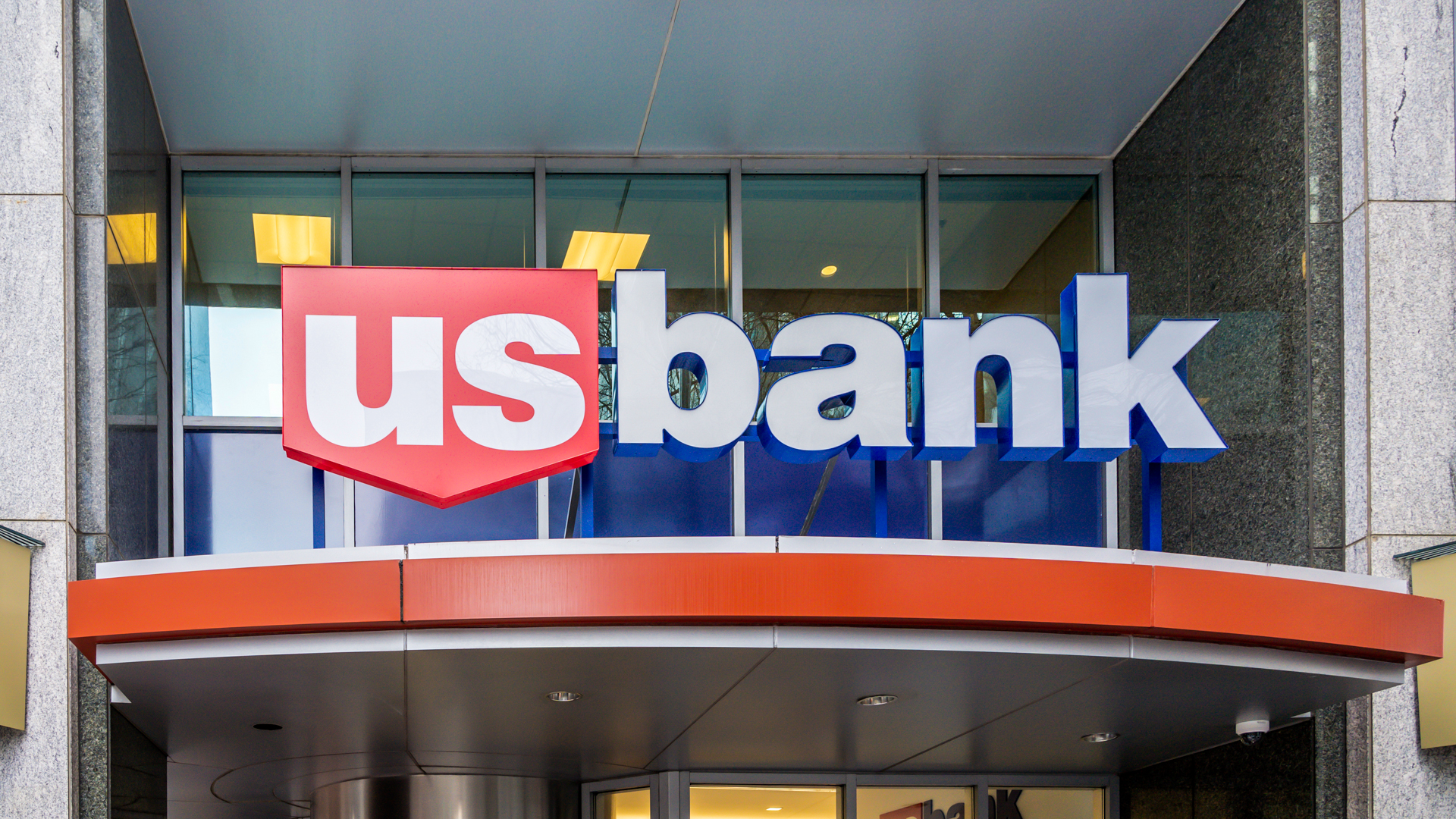
Navigating the Landscape of Physical Banking Hours
The traditional “banker’s hours”—once strictly defined as 9:00 AM to 3:00 PM—have evolved significantly to meet the demands of a 24/7 economy. However, physical branch availability still fluctuates based on the institution’s size, its location, and the specific services required. Most major retail banks in the United States, such as JPMorgan Chase, Bank of America, and Wells Fargo, typically maintain a standard schedule of 9:00 AM to 5:00 PM on weekdays.
Standard vs. Extended Retail Hours
Many larger institutions have recognized the need for evening and weekend accessibility to cater to the working population. It is now common to find branches that remain open until 6:00 PM or 7:00 PM on Fridays to accommodate end-of-the-week payroll needs. Saturday hours have also become a standard feature for high-traffic branches, though these are often limited to morning and early afternoon windows, such as 9:00 AM to 1:00 PM.
A unique segment of the market includes “in-store” branches. These are bank locations situated inside major grocery stores or retail outlets like Walmart or Kroger. Because these branches operate within the ecosystem of a larger retailer, they often boast the most flexible hours in the industry, staying open later into the evening and frequently offering Sunday service. For a consumer asking “what bank near me is open” on a Sunday afternoon, these in-store locations are often the only viable solution.
Federal Holidays and Closures
In the United States, banking hours are heavily influenced by the Federal Reserve System’s holiday schedule. When the Federal Reserve is closed, the infrastructure required for processing interbank transfers and clearing checks is paused. Consequently, most retail banks close their physical doors on these days.
Key holidays to keep in mind include New Year’s Day, Martin Luther King Jr. Day, Presidents’ Day, Memorial Day, Juneteenth, Independence Day, Labor Day, Indigenous Peoples’ Day (Columbus Day), Veterans Day, Thanksgiving Day, and Christmas Day. It is important to note that when a holiday falls on a Sunday, banks typically close on the following Monday. Conversely, if a holiday falls on a Saturday, the bank may remain open on the preceding Friday but operate with limited staff or reduced hours.
Digital Tools for Real-Time Location and Status Tracking
In the age of information, finding an open bank is no longer a matter of trial and error. The convergence of geolocation technology and real-time data allows consumers to pinpoint the nearest open branch with high precision.
Bank-Specific Mobile Applications
The most reliable source of information for your specific financial institution is its proprietary mobile app. These applications do more than just display a map; they provide real-time updates on branch status. For example, if a branch is closed unexpectedly due to maintenance, staffing issues, or inclement weather, the app is usually the first place this information is updated. Furthermore, modern banking apps often allow users to see current wait times or schedule an appointment with a banker, ensuring that even if the bank is open, your time there is managed efficiently.
Search Engines and Map Integrations
Google Maps and Apple Maps have become the default tools for answering “what bank near me is open.” These platforms integrate directly with bank databases to provide hours of operation, contact information, and even “busy-ness” metrics that show when a branch is most crowded.
However, a professional tip for managing personal finance is to always verify the “Last Updated” tag on these hours. During holiday seasons or local emergencies, search engine data can sometimes lag behind the bank’s actual operational changes. Clicking through to the bank’s official website via the map link is a secondary step that can save a wasted trip.
ATM Locators and Third-Party Networks
If your need is simply for cash or a deposit, finding an “open bank” may actually mean finding a compatible ATM. Many banks participate in surcharge-free networks like Allpoint or MoneyPass. These networks have their own apps and locators that point you to thousands of retail locations—such as pharmacies or convenience stores—where you can perform basic banking functions 24/7, long after the traditional branches have locked their doors.
Beyond the Brick and Mortar: When You Don’t Need an Open Branch
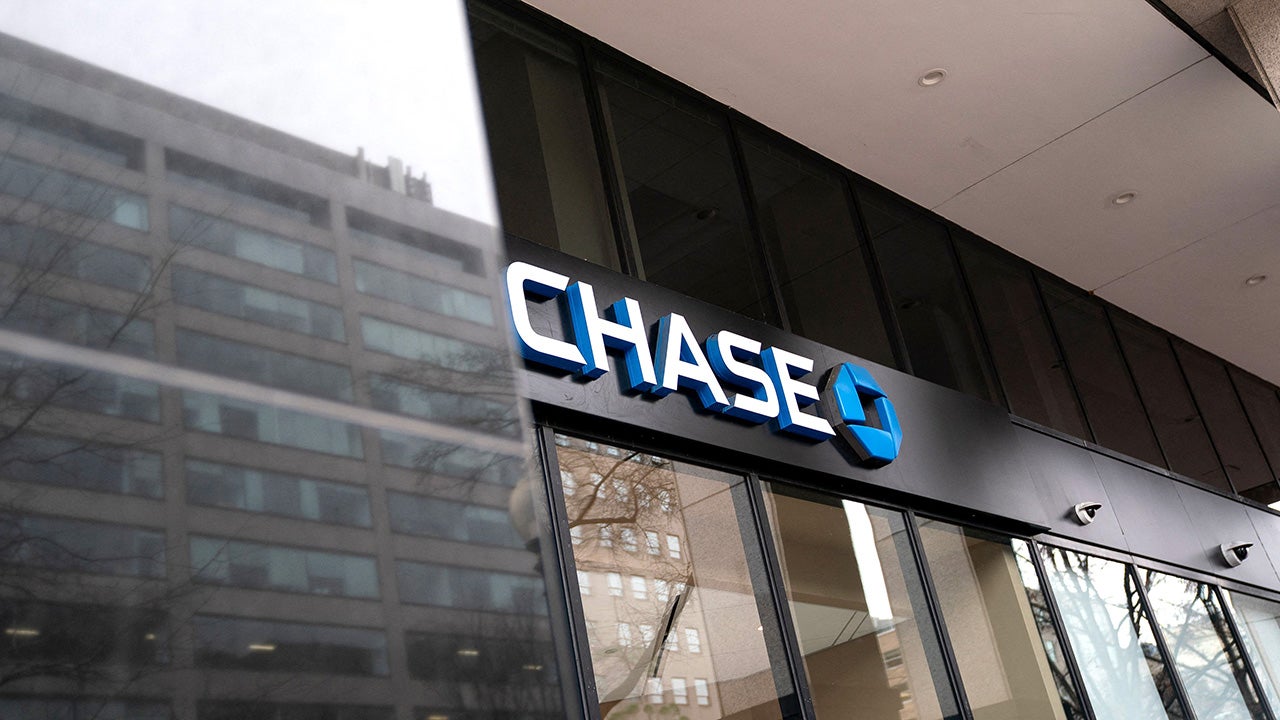
As digital banking matures, the list of reasons why one must visit a physical branch is shrinking. For many consumers, the frustration of finding an open bank can be mitigated by mastering digital financial tools that operate outside of standard business hours.
Mobile Check Deposits and Limits
One of the most common reasons people search for an open bank is to deposit a physical check. Most modern banking apps now offer mobile check deposit features using a smartphone camera. While these services are available 24/7, it is important to understand the “cutoff times” and “holding periods.”
Even though you can deposit a check at 11:00 PM on a Sunday, the funds may not begin processing until the next business day. Furthermore, mobile deposits often have daily or monthly limits. If you are dealing with a large settlement check or a high-value real estate transaction, the mobile deposit limit might be $5,000, necessitating a visit to a physical branch during business hours for any amount exceeding that threshold.
P2P Payments and Digital Wallets
For those looking to transfer money to another individual, the need for a physical bank is virtually non-existent. Tools like Zelle, which is integrated into the apps of most major banks, allow for near-instant transfers of funds between bank accounts. Unlike standard ACH transfers, which can take days to clear, Zelle operates on the “Faster Payments” rails, making it an ideal tool when you need to settle a debt or share an expense outside of banking hours.
Cashless Transactions and Digital Liquidity
The rise of digital wallets like Apple Pay, Google Pay, and Samsung Pay has reduced the immediate need for physical cash. In many urban environments, “what bank near me is open” is a question prompted by the need for cash for a specific vendor. By shifting toward digital payments, consumers can maintain liquidity and purchasing power regardless of whether a bank branch is open.
When a Physical Visit is Mandatory: High-Stakes Financial Services
Despite the digital revolution, there are several “Money” category tasks that legally or practically require a face-to-face interaction at a physical branch. Knowing these can help you plan your banking visits more strategically.
Notary Public and Medallion Signatures
A Notary Public is often required for the execution of legal documents, such as mortgage papers or power of attorney forms. While mobile notaries exist, most bank branches provide this service for free or for a nominal fee to their customers.
Even more specialized is the Medallion Signature Guarantee. This is a specific type of certification used for the transfer of securities (stocks and bonds). Unlike a standard notary, a Medallion Signature involves the bank taking financial liability for the authenticity of the signature. This service is almost never available online and usually requires an appointment at a physical branch with a certified officer.
Safe Deposit Box Access
If you store physical assets—such as gold, jewelry, or original birth certificates—in a safe deposit box, you are strictly bound by the branch’s operating hours. There is no digital workaround for physical access to these vaults. If you anticipate needing these items for an early Monday morning meeting, you must plan your visit for the preceding Friday or Saturday.
Large Cash Transactions and Currency Exchange
While ATMs can provide small amounts of cash, they have strict daily withdrawal limits (often between $300 and $1,000). If you are purchasing a vehicle via a private sale or need a large amount of cash for an emergency, you must visit a teller. Similarly, if you need to exchange US dollars for foreign currency before an international trip, physical branches (especially those in larger cities or near airports) are the primary source for this service.
The Evolution of the “Financial Center”
The future of the bank branch is not disappearing; rather, it is transforming. Major institutions are moving away from the “transaction-heavy” model of the past and toward a “consultation-heavy” model. This shift impacts when and how branches are open.
The Rise of the Bank Cafe
Capital One pioneered the “Bank Cafe” model, which blends a traditional coffee shop environment with financial services. These locations often have much longer hours than a traditional bank and are designed to be community hubs where people can discuss financial planning in a relaxed setting. This model acknowledges that while people don’t want to stand in line to deposit a check, they do want a physical space to discuss mortgage rates or investment strategies.
Appointment-Based Banking
To optimize staffing and provide better service, many banks are moving toward an “appointment preferred” model. Even if a bank is open, the specific specialist you need (such as a mortgage officer or a small business consultant) might not be available for a walk-in. Using a bank’s website to schedule a time ensures that the branch is not only open but ready to serve your specific financial needs.

Summary of Strategic Banking
Finding an open bank is a blend of utilizing real-time digital locators and understanding the cycles of the financial industry. By leveraging mobile apps for routine deposits and transfers, you can reduce your dependency on branch hours. However, for those moments when only a physical branch will do—whether for a notary, a large withdrawal, or a safe deposit box—checking the institution’s official app and considering “in-store” retail branches remains the most efficient path to managing your personal finances effectively.
aViewFromTheCave is a participant in the Amazon Services LLC Associates Program, an affiliate advertising program designed to provide a means for sites to earn advertising fees by advertising and linking to Amazon.com. Amazon, the Amazon logo, AmazonSupply, and the AmazonSupply logo are trademarks of Amazon.com, Inc. or its affiliates. As an Amazon Associate we earn affiliate commissions from qualifying purchases.