
The question “What bank is Capital One?” might seem straightforward, yet its answer unveils a dynamic and multifaceted financial institution that has carved out a unique identity in the competitive banking landscape. Far from being just another bank, Capital One Financial Corporation has evolved significantly since its inception, merging the traditional functions of a bank with an innovative, technology-driven approach, primarily known for its extensive credit card offerings but also a significant player in consumer and business banking, as well as auto lending.
At its core, Capital One is a federally chartered bank and a bank holding company, operating under the supervision of federal regulators such including the Office of the Comptroller of the Currency (OCC) and the Federal Reserve. This classification is crucial, signifying that deposits made with Capital One are insured by the Federal Deposit Insurance Corporation (FDIC) up to the standard limits, offering consumers the security and peace of mind associated with traditional banking institutions. However, to truly understand Capital One, one must look beyond this basic definition to appreciate its strategic evolution, diverse product portfolio, and distinct operational philosophy.

Capital One’s Unique Position in the Financial Landscape
Capital One’s journey from a nascent financial services provider to a major national bank is a testament to its adaptive strategies and willingness to challenge industry norms. Unlike many legacy banks, Capital One built its foundation on data and analytics, a characteristic that continues to define its operations and customer engagement.
From Niche Player to Financial Powerhouse
Founded in 1994 by Richard Fairbank and Nigel Morris, Capital One originated as a spin-off from Signet Financial Corp. Its initial strategy focused heavily on the credit card market, using sophisticated data analysis to identify and target specific customer segments with tailored product offerings. This analytical prowess allowed them to assess risk and price products more effectively than many competitors, rapidly expanding their market share in a highly competitive sector.
The transition from a pure credit card issuer to a full-service bank began with a series of strategic acquisitions, most notably the purchase of McLean, Virginia-based direct bank Bank One, N.A., and later, Hibernia National Bank in Louisiana and North Fork Bancorporation in New York. These acquisitions provided Capital One with a substantial branch network and a robust deposit base, transforming it into a formidable player in consumer and business banking. This expansion was not merely about growth but about diversification, aiming to stabilize revenues and fund its lending activities with lower-cost deposits, a hallmark of a traditional bank.
The Hybrid Model: Bank, Credit Card Issuer, and Tech Innovator
What truly differentiates Capital One is its successful integration of distinct business models. It operates simultaneously as:
-
A Top-Tier Credit Card Issuer: This remains its most visible and profitable segment. Capital One is consistently ranked among the largest credit card providers globally, known for a wide array of cards catering to various credit profiles, from subprime to super-prime, often with competitive rewards programs.
-
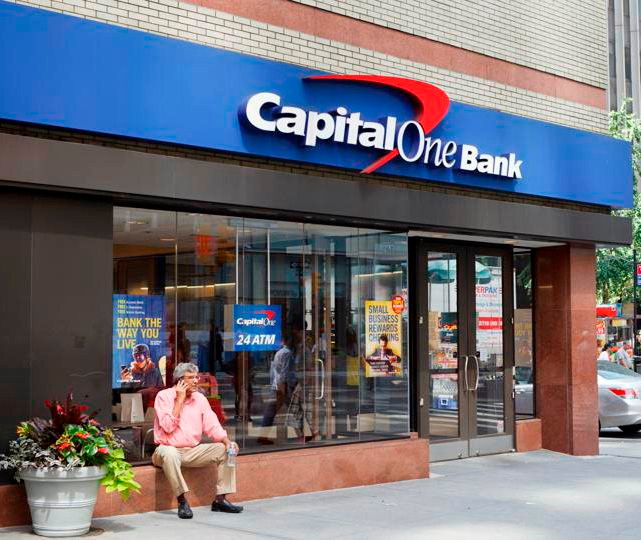
A Full-Service Retail Bank: Through its digital platforms and a network of physical branches (including its distinctive “Cafés”), Capital One offers checking accounts, savings accounts, money market accounts, and certificates of deposit (CDs). Its digital-first approach to banking has made it particularly appealing to a younger, tech-savvy demographic.
-
A Significant Auto Lender: Capital One provides direct and indirect auto financing, partnering with dealerships across the country to offer loans for new and used vehicles.
-
A Technology-Driven Company: Perhaps its most defining characteristic, Capital One has heavily invested in technology and digital innovation, often describing itself as a “tech company that happens to be a bank.” This investment permeates all aspects of its operations, from customer service chatbots and mobile banking apps to advanced fraud detection and underwriting algorithms.
This hybrid model allows Capital One to leverage synergies across its business lines, using its data capabilities developed in credit cards to inform banking and lending decisions, and funding its lending activities with its growing deposit base.
Navigating Regulatory Classifications
As a bank holding company, Capital One Financial Corporation (COF) is subject to stringent regulatory oversight from the Federal Reserve. Its banking subsidiaries, such as Capital One, N.A., are supervised by the Office of the Comptroller of the Currency (OCC). This dual layer of regulation ensures financial stability, consumer protection, and adherence to anti-money laundering and fair lending practices. The FDIC insurance on deposits, up to $250,000 per depositor per ownership category, underscores its status as a legitimate and secure banking institution. For consumers, this means that Capital One offers the same level of security and regulatory compliance as any other traditional bank.
Core Financial Services Offered by Capital One
Capital One’s broad range of financial products and services caters to a diverse clientele, from individual consumers managing their daily finances to small businesses seeking growth capital.
Consumer Banking: Checking, Savings, and CDs
Capital One provides a comprehensive suite of consumer banking products designed for everyday financial management and long-term savings. Its checking accounts often come with features like no monthly fees, fee-free overdraft options (for certain accounts), and robust mobile banking capabilities. The emphasis on digital tools makes managing funds, paying bills, and transferring money highly convenient.
Savings accounts and money market accounts from Capital One are often lauded for their competitive interest rates, particularly compared to traditional brick-and-mortar banks, reflecting its lower operational costs due to a more streamlined branch presence. Its Certificates of Deposit (CDs) offer various terms and interest rates, providing a secure option for individuals looking to grow their savings over a fixed period. The availability of online account opening and management further enhances accessibility for customers nationwide.
Leading the Charge in Credit Cards
This is arguably where Capital One shines brightest. As one of the largest issuers in the U.S., its portfolio is vast, featuring cards tailored for:
-
Rewards Enthusiasts: Offering cashback, travel miles, or points that can be redeemed for various benefits. Cards like the Capital One Venture X Rewards Credit Card or Capital One SavorOne Cash Rewards Credit Card are popular examples.
-
Building Credit: Secured credit cards and cards designed for individuals with limited or fair credit history, providing a pathway to improved financial standing.
-
Students: Cards specifically designed to help college students establish credit responsibly.
-
Business Owners: Business credit cards that offer rewards and tools for managing business expenses.
Capital One’s credit card strategy is deeply rooted in its analytical heritage, allowing it to offer targeted products that meet specific consumer needs while effectively managing risk.
Auto Loans and Other Lending Products
Beyond credit cards, Capital One maintains a significant presence in the auto lending market. It offers both direct auto loans to consumers and indirect financing through a vast network of dealerships. This segment provides a crucial revenue stream and diversification to its lending portfolio.
While not as prominent as its consumer banking or credit card offerings, Capital One also engages in certain small business lending activities, providing lines of credit and term loans to help businesses manage cash flow and invest in growth.
Business Banking Solutions
Capital One’s business banking arm supports small to medium-sized enterprises with a range of financial tools. This includes business checking and savings accounts, tailored to the operational needs of various businesses, often with features like multiple user access, online bill pay, and integration with accounting software. They also offer business credit cards designed to help entrepreneurs manage expenses, earn rewards, and track spending more efficiently. For larger businesses, Capital One provides specialized commercial banking services, including treasury management and commercial real estate financing.
Capital One’s Competitive Edge and Market Strategy

Capital One’s success stems from a strategic blend of technological innovation, targeted customer focus, and a distinctive operational model.
Data-Driven Approach and Digital Innovation
From its earliest days, Capital One distinguished itself by leveraging data analytics to understand consumer behavior, assess credit risk, and personalize product offerings. This analytical DNA is still at the heart of its operations. The company has heavily invested in technology, building a robust digital infrastructure that supports its mobile banking apps, online platforms, and customer service channels. This includes significant advancements in cloud computing, machine learning, and artificial intelligence, which are used to enhance security, improve fraud detection, and personalize customer experiences. Its “tech company that happens to be a bank” mantra reflects this deep commitment to digital transformation, aiming to provide seamless, intuitive, and efficient financial services.
Focus on Specific Customer Segments
Rather than trying to be all things to all people, Capital One has historically excelled at identifying and serving specific customer segments. While it has broadened its appeal over time, its initial success in credit cards was driven by its ability to offer competitive products to various credit tiers, including those underserved by traditional banks. Today, this focus translates into designing products and services that resonate with digitally-native consumers, small business owners, and individuals seeking straightforward, rewarding financial tools. Its Capital One Cafés, which combine banking services with a coffee shop experience, represent another attempt to engage specific customer demographics in a novel way.
Customer Experience and Branch Transformation
While digital services are paramount, Capital One also recognizes the importance of customer experience, even within its physical footprint. Its innovative Capital One Cafés represent a departure from traditional bank branches. These hybrid spaces offer a relaxed environment where customers can bank digitally, get financial advice from “Coaches,” or simply enjoy a cup of coffee. This strategy aims to create a more inviting and less intimidating banking experience, particularly for younger customers, while reducing the overhead associated with large, traditional branch networks. This blend of digital convenience and human connection is a key part of its strategy to build lasting customer relationships.
Understanding Capital One’s Financial Health and Impact
As a publicly traded company (NYSE: COF), Capital One’s financial health is subject to scrutiny by investors, analysts, and regulators. Its performance and strategic decisions have a tangible impact on the broader financial market.
Key Financial Metrics and Performance Indicators
Investors and analysts closely monitor Capital One’s financial performance, focusing on metrics such as:
-
Net Interest Income (NII): The difference between the interest earned on assets (loans) and the interest paid on liabilities (deposits).
-
Loan Growth: Especially in its key segments like credit cards and auto loans.
-
Credit Quality: Measured by charge-off rates, delinquency rates, and provisions for credit losses, which indicate the health of its loan portfolios.
-
Deposit Growth: Essential for funding its lending activities and reducing reliance on more expensive wholesale funding.
-
Efficiency Ratio: Operating expenses as a percentage of revenue, indicating how efficiently the company is managed.
Capital One generally maintains a strong capital position, well above regulatory requirements, signifying its ability to absorb potential losses and continue operations smoothly.
Role in the Broader Economy
As one of the largest financial institutions in the U.S., Capital One plays a significant role in the economy by:
-
Providing Credit: Facilitating consumption and investment through credit cards, auto loans, and business loans, which are vital for economic activity.
-
Mobilizing Savings: Attracting deposits from consumers and businesses, channeling these funds into productive investments.
-
Employment: Employing tens of thousands of individuals in various roles, contributing to local and national economies.
-
Technological Advancement: Its investments in financial technology often drive innovation that benefits the broader fintech ecosystem.
Future Outlook and Adaptability in a Dynamic Market
The financial services industry is in constant flux, driven by technological advancements, changing consumer expectations, and evolving regulatory landscapes. Capital One’s future outlook hinges on its continued ability to adapt. Its strong digital foundation and analytical capabilities position it well to navigate trends such as the rise of digital banking, the increasing demand for personalized financial solutions, and the ongoing competition from both traditional banks and fintech startups. Challenges include managing credit risk in varying economic conditions, intense competition for deposits and loans, and the ever-present need to innovate to stay ahead.
Making Informed Financial Decisions with Capital One
For consumers and businesses alike, understanding “what bank is Capital One” extends to evaluating whether its products and services align with their specific financial goals and needs.
Evaluating Capital One Products for Your Needs
When considering Capital One, it’s essential to:
-
Assess your primary needs: Are you looking for a high-yield savings account, a credit card to build credit, or a robust business checking solution? Capital One’s strengths lie in different areas.
-
Compare interest rates and fees: Especially for checking, savings, and loan products, compare Capital One’s offerings to competitors to ensure you’re getting competitive terms.
-
Review rewards programs: For credit cards, understand the value of the rewards program and whether it aligns with your spending habits.
-
Evaluate customer service options: Consider its blend of digital support, phone assistance, and (where available) in-person Café services.
Comparing Capital One with Traditional and Neo-banks
Capital One often sits in a unique middle ground:
-
Vs. Traditional Banks (e.g., Chase, Bank of America): Capital One typically offers more competitive interest rates on deposits and a stronger digital experience, often with fewer fees. Traditional banks might have more extensive physical branch networks.
-
Vs. Neo-banks/Fintechs (e.g., Chime, Ally Bank): Capital One provides the regulatory security and FDIC insurance of a fully chartered bank, which some pure fintechs might not directly offer. It often bridges the gap between the digital-first approach of neo-banks and the stability of established institutions.
The Importance of Due Diligence
Ultimately, making informed financial decisions requires thorough research. While Capital One is a legitimate, FDIC-insured bank offering a wide array of products, individual experiences can vary. Reading reviews, understanding terms and conditions, and comparing multiple options will ensure you choose the financial institution and products best suited to your unique circumstances.
In conclusion, Capital One is much more than just “a bank.” It is a major, federally regulated financial institution with a distinct identity, characterized by its innovative blend of credit card leadership, comprehensive consumer and business banking, significant auto lending, and a foundational commitment to technology and data analytics. It stands as a testament to how traditional banking functions can be reimagined and delivered in the digital age, offering a compelling choice for millions of consumers and businesses navigating their financial journeys.
aViewFromTheCave is a participant in the Amazon Services LLC Associates Program, an affiliate advertising program designed to provide a means for sites to earn advertising fees by advertising and linking to Amazon.com. Amazon, the Amazon logo, AmazonSupply, and the AmazonSupply logo are trademarks of Amazon.com, Inc. or its affiliates. As an Amazon Associate we earn affiliate commissions from qualifying purchases.