
The question “what bank is better?” is one that resonates with nearly every individual and business, yet it rarely yields a simple, universally applicable answer. In an increasingly complex financial landscape, populated by traditional brick-and-mortar giants, agile online-only challengers, and community-focused credit unions, identifying the “best” bank isn’t about finding a single, superior institution. Instead, it’s about meticulously aligning your unique financial needs, habits, and aspirations with the services, features, and values offered by a financial partner. This article will dissect the multifaceted nature of this decision, guiding you through the critical factors and considerations necessary to confidently identify the bank that is unequivocally better for you. We’ll explore how to define your personal financial profile, evaluate key banking attributes, understand the diverse landscape of financial institutions, and leverage technology and security to make an informed choice that supports your financial well-being.
Defining “Better”: Your Personal Financial Profile
Before diving into a comparative analysis of banks, the foundational step is an honest and thorough self-assessment. The concept of “better” is intrinsically subjective and hinges entirely on your individual circumstances. A bank ideal for a bustling small business owner might be ill-suited for a student, just as a feature-rich digital bank might not appeal to someone who prefers in-person interactions.
Understanding Your Banking Needs
Start by cataloging your essential banking requirements. Do you primarily need a checking account for daily transactions and bill payments? Is a high-yield savings account a top priority for building an emergency fund or saving for a down payment? Perhaps you frequently require access to loans for a car, home, or business expansion. Consider your investment needs: do you prefer to keep your investments separate or consolidate them under one financial roof? The breadth of services you anticipate using, from basic checking to complex wealth management, will significantly narrow down your options. Individuals who rarely carry cash and conduct most transactions digitally will have different needs than those who frequently deposit physical checks or handle large amounts of cash.
Life Stages and Financial Goals
Your current life stage and future financial goals play a pivotal role in determining the “better” bank. A student might prioritize low-fee accounts, strong mobile banking apps, and perhaps student-specific benefits. A young professional saving for a first home will be keen on competitive mortgage rates, robust savings options, and potentially financial planning tools. Families might seek banks with excellent joint account features, youth savings programs, and perhaps even insurance services. As you approach retirement, access to wealth management advisors, estate planning resources, and reliable fixed-income options become paramount. Aligning your bank with your life’s trajectory ensures that your financial partner can grow and adapt with you, offering relevant products and advice at each critical juncture.
Transaction Habits and Preferences
How you typically interact with your money is another crucial differentiator. Are you a digital native who prefers to manage everything via a mobile app, rarely stepping foot into a physical branch? If so, an online-only bank with cutting-edge technology and seamless user experience might be your ideal. Conversely, if you value face-to-face interactions, prefer depositing cash regularly, or require complex financial advice from a human advisor, a bank with a strong local branch presence would be a better fit. Consider your ATM usage, whether you travel frequently (requiring international transaction support), and your preferred methods for sending and receiving money (e.g., Zelle, wires, checks). Your habits dictate the necessary accessibility and technological sophistication your bank must offer.
Key Factors to Evaluate in a Bank
Once you’ve clearly defined your financial profile, the next step is to systematically evaluate potential banks based on a set of objective criteria. These factors form the bedrock of a sound financial partnership, directly impacting your costs, convenience, and overall financial growth.
Fees and Charges
Perhaps the most tangible aspect to compare across banks is their fee structure. This includes monthly maintenance fees for checking and savings accounts (which are often waived if you meet certain direct deposit or minimum balance requirements), ATM fees (both in-network and out-of-network), overdraft fees, foreign transaction fees for debit and credit cards, and wire transfer fees. Hidden fees can quickly erode your savings, so a thorough review of the fee schedule is essential. Banks that offer genuinely free checking and savings accounts, or easily waivable fees, are often a more attractive option, especially for those with fluctuating balances.
Interest Rates and Earning Potential
While often overlooked for checking accounts, the interest rates offered on savings accounts, money market accounts, and certificates of deposit (CDs) can significantly impact your wealth accumulation over time. Online-only banks, with their lower overheads, frequently offer much higher Annual Percentage Yields (APYs) on savings compared to traditional brick-and-mortar institutions. Even a difference of one or two percentage points can translate into hundreds or thousands of dollars in extra earnings over several years. Similarly, if you plan to take out loans (mortgages, personal loans, auto loans), comparing interest rates from different lenders, including banks, is critical to securing the most favorable terms.
Accessibility and Convenience
Accessibility encompasses both physical and digital reach. For those who value in-person service, the size and location of a bank’s branch network are vital. How many branches are near your home or workplace? What are their operating hours? For those who prefer digital banking, the quality and functionality of the mobile app and online banking platform are paramount. Look for features like mobile check deposit, online bill pay, peer-to-peer payments, robust budgeting tools, and easy access to account statements. ATM access, whether through a proprietary network or surcharge-free alliances (like Allpoint or MoneyPass), also contributes significantly to daily convenience.
Range of Products and Services
A comprehensive suite of financial products can simplify your financial life by consolidating your accounts under one roof. Beyond basic checking and savings, consider whether the bank offers competitive credit cards, mortgage loans, auto loans, personal loans, and business banking services if needed. Investment platforms (brokerage accounts, IRAs, 401k options), financial planning services, and insurance products are also considerations for those seeking a more integrated financial solution. While some prefer specialization, having the option to grow with a single institution can offer convenience and sometimes better rates or bundled benefits.
Types of Financial Institutions and Their Strengths
The banking sector is diverse, with each type of institution offering distinct advantages and catering to specific customer segments. Understanding these differences is key to identifying where you’ll find your “better” bank.
Large National Banks
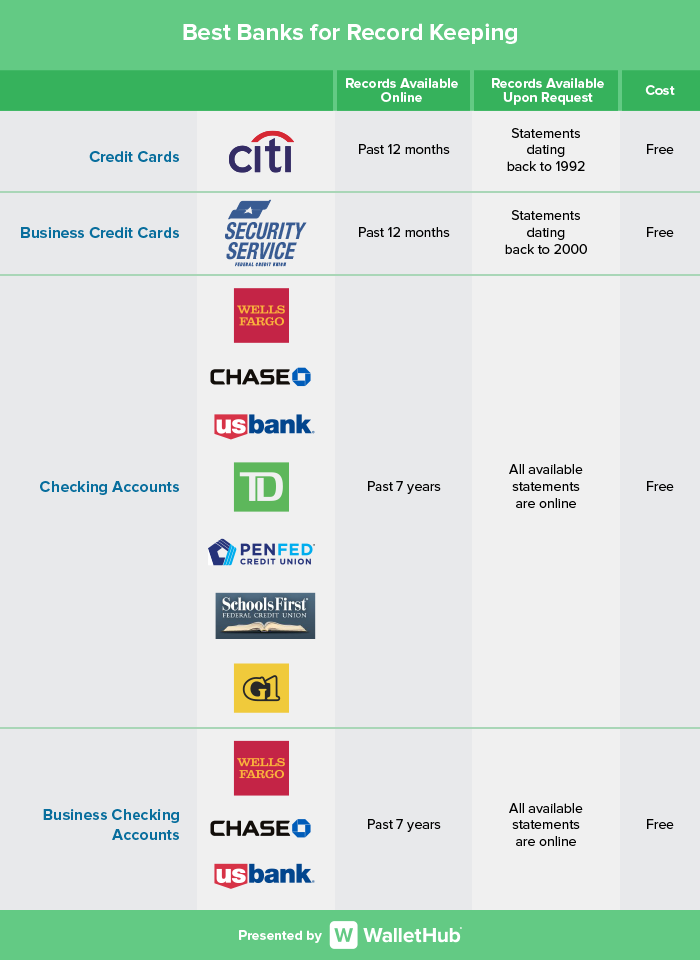
These are the household names with extensive branch networks, vast ATM access, and a wide array of products and services—from consumer banking to investment banking and wealth management.
- Pros: Widespread physical presence, comprehensive product offerings (e.g., checking, savings, mortgages, credit cards, investments, business loans), sophisticated mobile and online banking platforms, often offer global services.
- Cons: Can have higher fees, less personalized customer service due to their scale, lower interest rates on savings, and a reputation for being less flexible.
- Best for: Individuals and businesses needing a full suite of services, frequent travelers, those who value widespread physical access, or desire a one-stop-shop for all financial needs.
Community Banks and Credit Unions
These institutions are typically smaller, locally focused, and often emphasize personalized service and community engagement. Credit unions, in particular, are non-profit organizations owned by their members, which often translates to better rates and lower fees.
- Pros: Personalized customer service, lower fees, higher interest rates on savings (especially credit unions), community-focused lending, democratic member ownership (credit unions), easier access to loans for local businesses and individuals.
- Cons: Limited branch and ATM networks (though credit unions often participate in shared ATM networks), potentially less advanced digital banking features compared to national banks, product offerings might be less extensive.
- Best for: Individuals seeking personalized service, those prioritizing community support, small businesses, and anyone looking for lower fees and better rates on savings and loans.
Online-Only Banks
These banks operate exclusively online, without physical branches. Their lower overhead costs often translate into significant benefits for customers.
- Pros: Typically offer the highest interest rates on savings accounts, very low or no fees, cutting-edge mobile and online banking technology, 24/7 access.
- Cons: No physical branches for in-person transactions or advice, can be challenging for cash deposits (often relying on third-party networks or money orders), less personalized service.
- Best for: Tech-savvy individuals, those prioritizing high interest rates and low fees, individuals comfortable managing their finances entirely digitally, and those who rarely need cash or in-person assistance.
Neo-banks/Fintechs
These are technology-driven financial companies, often not traditional banks themselves but partners with existing banks, offering innovative features through sleek apps. They focus on specific niches or pain points.
- Pros: Highly innovative features (e.g., early direct deposit, round-up savings, advanced budgeting tools, fractional investing), extremely user-friendly mobile apps, often cater to specific demographics.
- Cons: Still relatively new, may have a limited range of traditional banking products, some may not be directly FDIC-insured (though they usually partner with an FDIC-insured bank), customer service can vary.
- Best for: Early adopters of technology, those looking for highly specialized features, individuals who want to manage their money with modern tools, or those underserved by traditional banking.
The Role of Technology and Security in Banking
In the modern financial world, technology and robust security are no longer optional extras but fundamental pillars of a “better” banking experience. Your chosen institution must not only facilitate your financial activities but also safeguard your assets and data.
Digital Banking Features
The quality and breadth of a bank’s digital offerings significantly impact daily convenience. A superior mobile app should offer intuitive navigation, mobile check deposit, bill pay, peer-to-peer payment integration (like Zelle), balance alerts, and perhaps even budgeting tools or credit score tracking. Online banking portals should provide clear statements, tax documents, easy fund transfers, and the ability to manage various accounts from a single dashboard. Features like card lock/unlock, travel notifications, and instant alerts for transactions add layers of control and security. Banks that consistently invest in their digital platforms enhance the user experience and make managing finances more efficient and engaging.
Security Measures
The security of your money and personal information is paramount. Ensure your chosen bank is federally insured (FDIC for banks, NCUA for credit unions) up to the legal limit ($250,000 per depositor, per institution). Beyond insurance, look for robust fraud protection measures, including real-time transaction monitoring, zero-liability policies for unauthorized transactions, and strong encryption protocols for online and mobile access. Multi-factor authentication (MFA), such as requiring a code sent to your phone in addition to your password, is a crucial security layer that should be standard. Transparency about their data privacy policies and clear channels for reporting suspicious activity are also indicators of a bank’s commitment to security.
Customer Service Channels
Even with the best technology, issues can arise, making effective customer service indispensable. Evaluate the various channels available: phone support (are wait times reasonable?), live chat (is it available 24/7 and with real agents?), email support, and in-person assistance (if branches are important to you). Some banks even offer in-app messaging or video calls with financial advisors. A bank that offers multiple, responsive, and helpful customer service options demonstrates a commitment to its clients, ensuring you can get assistance when you need it most. Reading reviews regarding customer service experiences can provide valuable insights into a bank’s responsiveness and problem-solving capabilities.
Making Your Decision: A Step-by-Step Approach
Choosing the “better” bank is a deliberate process that requires research and self-reflection. By following a structured approach, you can make a confident and well-informed decision.
Self-Assessment and Prioritization
Revisit the first section of this article. Clearly list your banking needs, financial goals, and transaction habits. Then, prioritize these factors. Is a high APY on savings your absolute top priority, even if it means no physical branches? Or is personalized service and a local branch more critical, even with slightly higher fees? Understanding your non-negotiables versus your nice-to-haves will significantly streamline your search. For instance, if you regularly deal with cash, an online-only bank might be a poor fit regardless of its high interest rates.
Research and Comparison
Once you have your prioritized list, begin your research. Utilize online comparison tools that allow you to filter banks by specific features, fees, and interest rates. Visit the websites of prospective banks, paying close attention to their fee schedules, product details, and digital banking features. Read independent reviews from financial publications and customer testimonials. Don’t just look at the overall star rating; delve into the specifics of what customers praise and complain about regarding service, technology, and fees. Consider opening a spreadsheet to track and compare features side-by-side for your top contenders.
Test the Waters
For major financial transitions, sometimes the best approach is to “test drive” a new bank. Consider opening a secondary checking or savings account with a top contender before fully committing. This allows you to experience their mobile app, customer service, and transaction processes without the immediate hassle of switching direct deposits and automatic payments. You can transfer a small amount of money and see how easily you can manage your funds, pay bills, or deposit checks. This low-risk approach provides invaluable real-world insights.
Review and Re-evaluate Periodically
The banking landscape is constantly evolving, as are your financial needs. What was the “better” bank for you five years ago might not be today. Make it a practice to periodically review your banking relationship. Are the fees still competitive? Are the interest rates still favorable? Has your income, spending, or financial goals changed significantly? Are new, innovative banking solutions available that better suit your current needs? A proactive approach to reviewing your banking choices ensures that your financial partner continues to serve your best interests throughout your financial journey.
In conclusion, the quest for “what bank is better” is a deeply personal expedition, not a search for a single, objective answer. By understanding your unique financial profile, meticulously evaluating key banking attributes, recognizing the strengths of diverse financial institutions, and embracing the power of technology and security, you empower yourself to make a choice that genuinely supports and enhances your financial life. The best bank isn’t just a place to hold your money; it’s a strategic partner in achieving your financial goals.
aViewFromTheCave is a participant in the Amazon Services LLC Associates Program, an affiliate advertising program designed to provide a means for sites to earn advertising fees by advertising and linking to Amazon.com. Amazon, the Amazon logo, AmazonSupply, and the AmazonSupply logo are trademarks of Amazon.com, Inc. or its affiliates. As an Amazon Associate we earn affiliate commissions from qualifying purchases.