
In an era where every penny counts, the idea of paying a monthly fee just to access your own money can feel like an unnecessary burden. Many consumers are tired of the constant vigilance required to avoid these charges, whether it’s maintaining a minimum balance, setting up direct deposits, or making a certain number of debit card transactions. The good news is that fee-free banking is not only possible but increasingly common, thanks to a dynamic financial landscape shaped by challenger banks, online-only institutions, and even some traditional players adapting to consumer demand. Understanding where to find these elusive, truly free accounts and what factors to consider beyond just the monthly charge is crucial for optimizing your personal finances. This comprehensive guide will dissect the world of banking to help you identify institutions that align with your financial goals without nickel-and-diming you for basic services.

Understanding Bank Fees and Why They Exist
Before diving into the banks that offer fee-free services, it’s essential to grasp the various types of fees that typically exist and the underlying reasons why financial institutions levy them. Awareness of these charges empowers you to avoid them, even if you don’t choose a completely fee-free bank.
The Common Culprits: What You’re Often Paying For
The most infamous charge, and the subject of our quest, is the monthly maintenance fee. This is a recurring charge simply for having an account open, and it can range from a few dollars to upwards of $25 per month, often waived if certain conditions are met. Beyond this, a myriad of other fees can erode your balance:
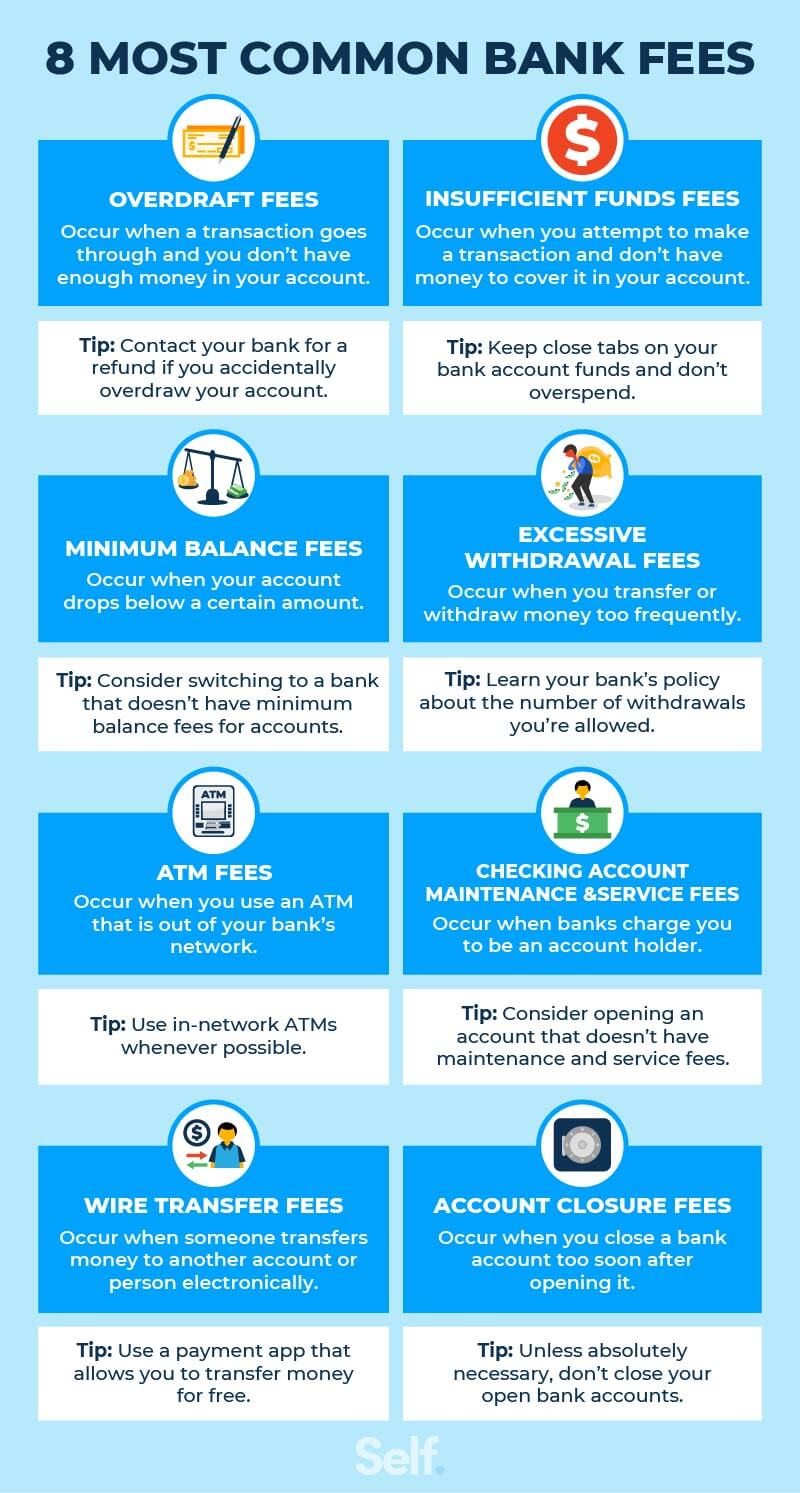
- ATM Fees: These come in two forms: charges from your bank for using an out-of-network ATM, and charges from the owner of the ATM itself.
- Overdraft Fees: If you spend more money than you have in your account, your bank might cover the transaction but hit you with a hefty fee, sometimes multiple times in a single day.
- Wire Transfer Fees: Sending or receiving money quickly through a wire transfer often incurs a charge, especially for international transfers.
- Minimum Balance Fees: Some accounts charge a fee if your daily or monthly balance falls below a specified threshold.
- Paper Statement Fees: Many banks now charge for sending physical statements, encouraging customers to opt for digital delivery.
- Foreign Transaction Fees: Using your debit card abroad can result in a percentage-based fee on each transaction.
These fees, while seemingly small individually, can add up significantly over time, impacting your ability to save and invest effectively.
Why Banks Charge Fees: The Business Model
Financial institutions are businesses, and like any business, they need to generate revenue to cover operational costs and make a profit. Bank fees are a significant component of this revenue model. They help cover expenses such as:
- Physical Infrastructure: Maintaining a network of branches, ATMs, and back-office operations.
- Personnel Costs: Salaries for tellers, financial advisors, customer service representatives, and IT staff.
- Technology and Security: Investing in robust online banking platforms, mobile apps, cybersecurity measures, and compliance with regulations.
- Risk Management: Covering potential losses from fraud, loan defaults, and other financial risks.
Additionally, fees can act as an incentive for certain customer behaviors, such as maintaining higher balances, which banks can then leverage for lending or investments. For instance, a bank might waive a monthly fee if you maintain a high average daily balance because they can earn interest on that larger pool of deposits. Understanding this dynamic helps demystify why fees exist and sets the stage for appreciating the alternatives.
The Rise of Fee-Free Banking: Online Banks Leading the Charge
The digital revolution has fundamentally reshaped the banking industry, giving rise to a new generation of financial institutions that operate with a vastly different cost structure. These online-only banks and fintech companies are at the forefront of the fee-free movement, offering compelling alternatives to traditional banking.
The Online Bank Advantage: Lower Overheads, Greater Savings
Online banks inherently possess a significant competitive advantage when it comes to offering fee-free services: a dramatically lower overhead. Without the need to maintain a vast network of physical branches, pay for utilities, or staff a storefront, these institutions save billions of dollars annually. These savings are often passed on to customers in the form of:
- No monthly maintenance fees: A standard offering for most reputable online banks.
- Higher interest rates on deposits: Especially for savings accounts, online banks can often offer APYs (Annual Percentage Yields) that are significantly more competitive than their brick-and-mortar counterparts.
- Fewer miscellaneous fees: Many online banks also reduce or eliminate common charges like foreign transaction fees, overdraft fees (or offer alternative services to prevent them), and out-of-network ATM fees (through reimbursements or extensive networks).
Their digital-first approach also allows for streamlined operations, efficient customer service via chat or phone, and rapid adoption of new technologies, enhancing the overall user experience.
Key Online Players Offering No-Fee Accounts
Many online banks have built strong reputations for their fee-free models and robust digital services. Here are some prominent examples:
- Ally Bank: A pioneer in online banking, Ally offers a checking account (Interest Checking) with no monthly maintenance fees, no minimum balance requirements, and access to over 43,000 fee-free ATMs nationwide through the Allpoint network. It’s also known for its competitive interest rates on savings accounts, seamless integration between checking and savings, and 24/7 customer support.
- Discover Bank: While famous for its credit cards, Discover also offers an excellent checking account with no monthly fees, no minimum balance, and unique features like 1% cashback on debit card purchases (up to $3,000 in purchases monthly). They also provide access to a large fee-free ATM network and don’t charge for standard checks or overdrafts (instead, they simply decline transactions if you don’t have funds).
- Capital One 360: Capital One’s online division, 360, provides checking and savings accounts with no monthly fees or minimums. Their 360 Checking account offers interest on balances, a robust mobile app, and access to over 70,000 fee-free ATMs, including those at Target and CVS locations. They also integrate well with their credit card and investment products.
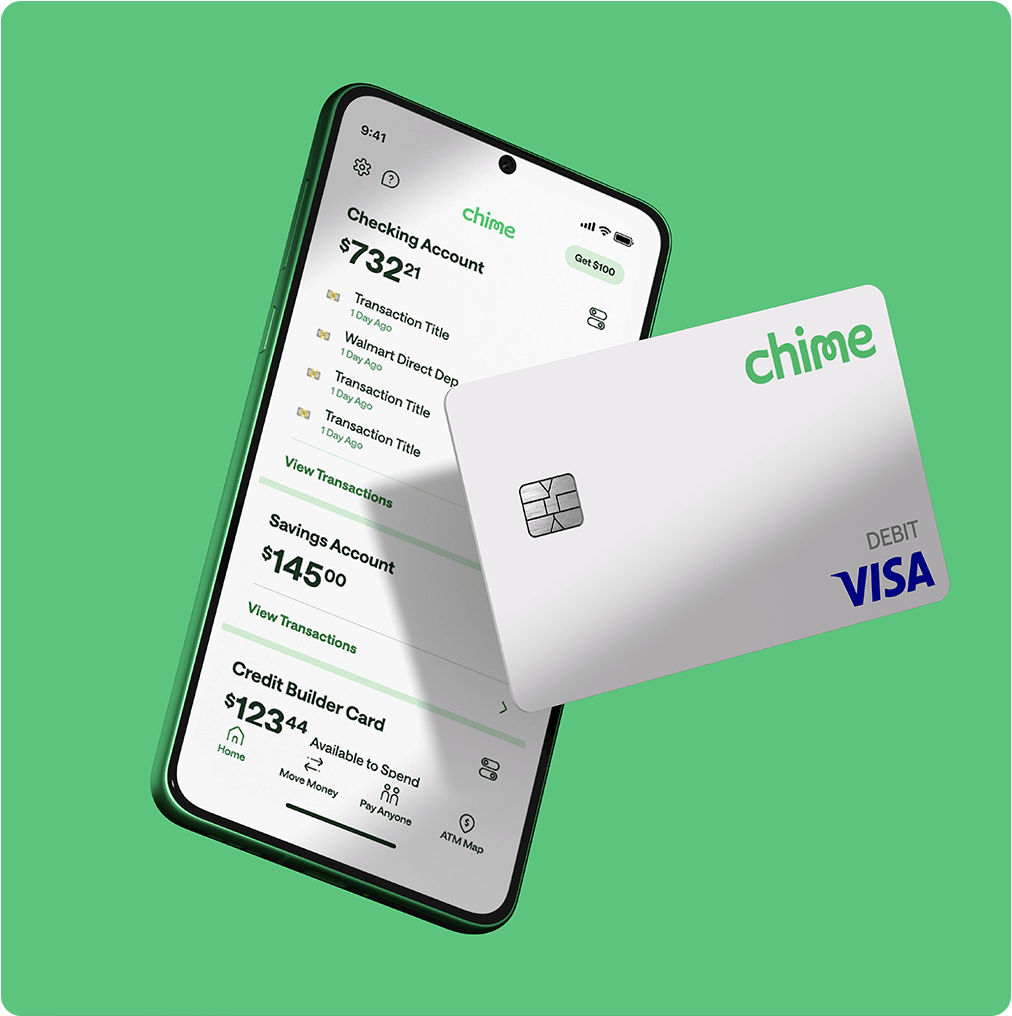
- Chime: A popular choice among younger demographics and those looking for a fully mobile banking experience. Chime offers a checking account (Spending Account) with no monthly fees, no minimum balance, and early access to direct deposit funds (up to two days earlier). They boast an extensive fee-free ATM network (over 60,000 through MoneyPass and Visa Plus Alliance) and features like automatic savings and Credit Builder to help improve credit scores.
- SoFi Money: SoFi, primarily known for lending and investing, also offers a hybrid checking and savings account with no monthly fees or minimums. It often provides a high APY on balances, unlimited fee reimbursements for out-of-network ATMs, and perks like early direct deposit and cashback rewards. Its integration with SoFi’s investing platform can be a significant draw for those looking to consolidate their finances.
These examples illustrate that fee-free banking doesn’t mean sacrificing features; in many cases, it means gaining access to more competitive rates and cutting-edge digital tools.
Traditional Banks: Finding Fee-Free Options (and Their Catches)
While online banks lead the charge, many traditional brick-and-mortar institutions have also adapted, offering fee-free checking accounts or ways to waive monthly maintenance fees. However, these options often come with specific requirements that customers must meet.
The Conditional Free Account: Meeting Requirements
Most major national and regional banks don’t offer truly unconditional fee-free checking accounts. Instead, they provide ways to waive their monthly maintenance fees. Common conditions include:
- Direct Deposit Requirements: This is perhaps the most common waiver condition. You might need to set up a recurring direct deposit (e.g., from your paycheck or government benefits) that meets a minimum monthly amount (e.g., $500 or more).
- Minimum Daily/Monthly Balance: Maintaining a specific average daily balance or a minimum balance at all times can waive the fee. This could range from $1,500 to $5,000 or more, depending on the bank and account type.
- Minimum Number of Debit Card Transactions: Some banks waive fees if you make a certain number of qualifying debit card purchases within a statement cycle (e.g., 10-15 transactions).
- Linked Accounts: Having other accounts with the bank, such as a savings account, investment account, or a mortgage, can sometimes qualify you for a fee waiver on your checking account.
- Student Accounts: Many banks offer specific checking accounts designed for students, which typically waive monthly fees with minimal or no requirements, understanding that students often have limited funds. These usually expire after a certain age or graduation.
- Senior Accounts: Similar to student accounts, some banks provide fee-free options for older customers, often for those aged 55 or 60 and above.
It’s crucial to read the fine print for these accounts. Missing a condition even once can trigger the fee, so understanding your habits and the account’s requirements is key to truly avoiding charges.
Big Banks vs. Community Banks/Credit Unions
The landscape of traditional banking includes a wide spectrum of institutions, each with its own approach to fees:
- Big National Banks (e.g., Chase, Bank of America, Wells Fargo): These institutions typically have higher monthly fees and more stringent requirements for waivers due to their extensive branch networks and complex operational structures. While they offer convenience and a broad range of services, avoiding fees often requires more effort on the customer’s part.
- Regional Banks: Often operating in a specific state or region, these banks might have slightly more flexible fee structures than their national counterparts, but still largely follow the conditional waiver model.
- Community Banks and Credit Unions: These smaller, locally focused institutions often present excellent fee-free alternatives. Credit unions, in particular, are member-owned, non-profit organizations. This structure means their primary goal isn’t profit maximization but serving their members. Consequently, they are often more likely to offer accounts with no monthly fees, lower minimum balance requirements, or more forgiving fee structures overall. They also tend to have a strong focus on personalized customer service. While their ATM networks might be smaller than national banks, many participate in shared branching networks (like Co-op Network for credit unions) that provide widespread fee-free access.
When considering a traditional institution, especially if you value face-to-face service, exploring community banks and credit unions in your area can often yield more genuinely fee-free or easily manageable options.
Beyond Monthly Fees: Other Financial Considerations for Your Bank Choice
While eliminating monthly maintenance fees is a top priority, choosing the right bank involves a holistic evaluation of your financial needs and habits. A bank that is “free” in terms of monthly fees might still not be the best fit if it charges heavily for other services you frequently use or lacks essential features.
ATM Access and Fees: Navigating the Cash Conundrum
Even in an increasingly cashless society, having convenient and fee-free access to ATMs remains important for many.
- Extensive Networks: Online banks often partner with large ATM networks like Allpoint or MoneyPass, providing access to tens of thousands of fee-free machines in common retail locations. Verify if your chosen online bank is part of such a network.
- Fee Reimbursements: Some challenger banks and online institutions go a step further, offering unlimited or a certain number of monthly reimbursements for fees charged by out-of-network ATMs. This offers unparalleled flexibility.
- Digital Alternatives: Consider if you genuinely need physical cash often. Mobile payment apps (Apple Pay, Google Pay, Samsung Pay), peer-to-peer payment services (Venmo, Zelle), and debit card payments have reduced the reliance on cash for many everyday transactions.
Interest Rates and Account Yields: Making Your Money Work for You
A truly smart banking choice isn’t just about avoiding losses from fees; it’s also about maximizing gains.
- Competitive APY on Checking: While checking accounts are primarily for transactional use, some online banks offer a modest APY on checking balances, which is a nice bonus.
- High-Yield Savings Integration: Many of the same online banks that offer fee-free checking also provide industry-leading interest rates on their linked savings accounts. This allows you to keep your emergency fund or short-term savings growing at a much faster rate than with traditional banks, without incurring fees for the convenience. Look for seamless transfers between checking and savings to make managing your money effortless.
Digital Tools and Customer Service: The Modern Banking Experience
The quality of a bank’s digital offerings and customer support can significantly impact your day-to-day financial management.
- Mobile App Functionality: A robust mobile app is non-negotiable for modern banking. Look for features like mobile check deposit, bill pay, person-to-person payments, transaction categorization, budgeting tools, instant alerts, and biometric login.
- Online Banking Interface: The web platform should be intuitive, secure, and offer comprehensive control over your accounts, including statement access, transfer options, and account customization.
- Customer Support Channels: While online banks lack branches, they should compensate with excellent digital and phone support. Look for 24/7 availability via chat, phone, or email, with responsive and knowledgeable representatives.
- Security Features: Ensure the bank offers strong security measures, including FDIC insurance (up to $250,000 per depositor), multi-factor authentication, fraud monitoring, and the ability to lock/unlock your debit card instantly from the app.
Additional Perks and Integration
Some banks offer unique features that can add significant value:
- Early Direct Deposit: As mentioned with Chime and SoFi, getting your paycheck up to two days earlier can be a substantial benefit for managing cash flow.
- Budgeting and Financial Planning Tools: Some banks integrate sophisticated budgeting, saving, and investment tools directly into their platforms, helping you gain better control over your money.
- Credit Building Features: Accounts like Chime’s Credit Builder can help those looking to improve their credit score responsibly.
- Investment Platform Integration: For those who prefer to keep their banking and investing under one roof, some institutions offer integrated platforms that allow for seamless transfers and management of both checking and investment accounts.
By evaluating these factors in addition to monthly fees, you can select a banking partner that not only saves you money but also enhances your overall financial well-being and convenience.
Conclusion
The days of passively accepting monthly bank fees are long gone. The financial landscape has evolved dramatically, offering a wealth of options for consumers seeking to keep more of their hard-earned money. From the pioneering, low-overhead models of online-only banks like Ally, Discover, Capital One 360, Chime, and SoFi, to the more conditional fee-waiver programs at traditional institutions and the member-focused approach of credit unions, truly fee-free checking is accessible to virtually everyone.
The key lies in understanding your own financial habits and needs, then meticulously researching the options available. Don’t just look for “no monthly fee” but delve into the nuances of other potential charges, ATM access, interest rate opportunities, digital tools, and customer service quality. By taking a proactive approach, you can select a banking partner that not only eliminates unnecessary fees but also empowers you with robust features and excellent support, ultimately setting a stronger foundation for your financial health. Embracing fee-free banking isn’t just about saving a few dollars; it’s about making an informed choice that optimizes your personal finance strategy for the modern world.
aViewFromTheCave is a participant in the Amazon Services LLC Associates Program, an affiliate advertising program designed to provide a means for sites to earn advertising fees by advertising and linking to Amazon.com. Amazon, the Amazon logo, AmazonSupply, and the AmazonSupply logo are trademarks of Amazon.com, Inc. or its affiliates. As an Amazon Associate we earn affiliate commissions from qualifying purchases.