
Understanding the financial mechanics behind your tax preparation software is crucial for managing your personal finances effectively. When you file your taxes with TurboTax, a common question arises: “What bank does TurboTax use?” This isn’t just a matter of idle curiosity; it delves into the intricate financial ecosystem that processes refunds, handles payments, and ultimately ensures your money reaches its intended destination. While TurboTax, a product of Intuit, is a software provider, it relies on a network of banking partners and financial service providers to facilitate the monetary aspects of tax filing. This article will demystify these partnerships, explain how your refunds and payments are processed, and provide insights into making informed financial decisions during tax season.
The Core Banking Partnerships Powering TurboTax Transactions
TurboTax itself is not a bank. Instead, it collaborates with various financial institutions to manage the flow of funds related to tax refunds and service payments. These partnerships are essential for the seamless operation of features like direct deposit, refund transfers, and refund advance loans.
Intuit’s Primary Financial Partners
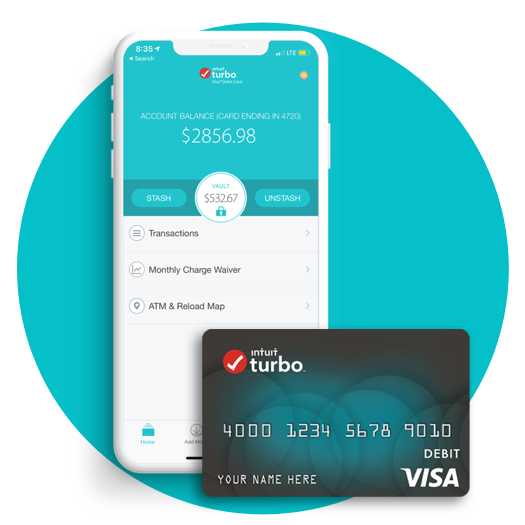
Intuit, the parent company of TurboTax, typically partners with large, reputable federally insured banks to handle the significant volume of financial transactions during tax season. While specific partnerships can evolve, banks like Green Dot Bank and Sutton Bank have historically played a prominent role, especially concerning products such as TurboTax’s prepaid debit cards (like the Turbo® Visa® Debit Card) and certain refund advance programs. For standard direct deposits of refunds, the process is largely intermediated by the IRS directly to the taxpayer’s chosen bank. However, when additional services are involved—such as paying TurboTax fees out of your refund—these third-party banks become critical players in the transaction chain. They act as a temporary holding ground for your refund while the fees are deducted, before the remaining balance is disbursed to your personal bank account. This arrangement leverages the regulated financial infrastructure of these banks to ensure compliance and security for all financial movements.
The Role of Refund Transfer Services
A key service that brings specific banks into play is the “refund transfer” or “pay with your refund” option. This feature allows taxpayers to defer payment for TurboTax’s services until their federal or state refund is issued. When you opt for this, your full refund is typically sent by the IRS (or state tax authority) to a designated third-party bank chosen by TurboTax’s financial partners. This bank then deducts the TurboTax filing fees, along with any applicable refund transfer fees, and remits the remaining balance to your personal bank account. This process adds an extra step and a temporary intermediary bank account, which is distinct from your own. It’s a convenient option for those who prefer not to pay upfront but comes with an additional service fee. Understanding this mechanism is vital for accurately tracking your refund and knowing precisely when and how your funds are being handled.
Beyond Direct Deposits: Other Financial Products
Beyond basic refund processing, TurboTax’s banking partnerships extend to other financial products designed to offer taxpayers more flexibility or quicker access to funds. Refund Advance loans are a prime example. These short-term, no-interest loans are often issued by partner banks (like First Century Bank or Credit Karma Money™ through MVB Bank, Inc.) against the anticipated amount of your federal tax refund. While convenient for those needing immediate cash, it’s crucial to understand that these are loans, not your actual refund, and are repaid directly from your federal tax refund when it’s processed. Similarly, the Turbo® Visa® Debit Card (often issued by Green Dot Bank) provides an option for those who prefer not to use a traditional bank account or want a dedicated card for their refund. These products underscore how TurboTax integrates with a broader financial services ecosystem to cater to diverse taxpayer needs.
Understanding How Your Tax Refund is Processed
The journey of your tax refund, from the moment you hit “file” to when the money lands in your account, involves several stages and entities. Understanding this process is key to managing expectations and troubleshooting potential issues.
The Journey from IRS to Your Bank Account
Once you’ve filed your tax return and it’s accepted by the IRS (or state tax authority), your refund enters the government’s processing pipeline. The IRS validates your return, calculates the refund amount, and then initiates a direct deposit to the bank account information you provided. If you opted for a direct deposit directly to your own bank account, the IRS communicates with the Federal Reserve system, which then transmits the funds to your specific financial institution (e.g., Chase, Bank of America, Wells Fargo, local credit union). This is the fastest and most secure method for receiving your refund. The “What’s My Refund?” tool on the IRS website is your primary resource for tracking this process, providing updates from accepted to approved to sent. State refunds follow a similar, albeit separate, process through their respective revenue departments.
The Mechanism of “Pay With Your Refund”
When you choose to “pay with your refund” for TurboTax’s services, an additional step is introduced. Instead of your refund going directly from the IRS to your personal bank account, it first goes to a temporary account held by TurboTax’s designated partner bank (as mentioned, often institutions like Green Dot Bank or Sutton Bank for specific services). This intermediary bank receives the full refund from the IRS, deducts the TurboTax fees (and any associated refund transfer fees), and then electronically transmits the remaining balance to the personal bank account details you provided during filing. This process, while convenient, can sometimes add a day or two to the overall refund timeline compared to a direct deposit straight to your own bank account. It’s important to be aware of these additional fees and the slight delay they might entail.
Addressing Potential Delays and Discrepancies
While the tax refund process is largely efficient, delays and discrepancies can occur. Common causes for delays include errors on the tax return, identity verification requirements, or choosing a less direct refund method like “pay with your refund.” If your refund is taking longer than expected, the first step is always to check the IRS’s “Where’s My Refund?” tool or your state’s equivalent. If you used a refund transfer service, the financial institution facilitating that service (often via Santa Barbara Tax Products Group or similar) will also have a tracking portal for your refund once it leaves the IRS. Discrepancies, such as receiving a different amount than expected, usually stem from IRS adjustments due to missing information, errors, or offsets for overdue federal or state debts. It’s crucial to keep all tax documentation and communications from TurboTax and the IRS to reconcile any differences.

Security and Transparency in TurboTax’s Financial Operations
Dealing with sensitive financial information requires robust security measures and transparency. TurboTax and its banking partners prioritize these aspects to protect taxpayer data and funds.
Safeguarding Your Sensitive Financial Data
Intuit employs industry-standard encryption protocols (such as SSL/TLS) to protect data transmitted between your computer and their servers. This ensures that your personal information, including bank account numbers, social security numbers, and income details, is secured against unauthorized access during the filing process. Furthermore, TurboTax adheres to stringent security practices, including multi-factor authentication, to safeguard your account. When it comes to their banking partners, these institutions are subject to federal banking regulations and employ sophisticated fraud detection systems and security measures to protect funds and account information. They are FDIC-insured, meaning your money is protected up to the legal limits in the unlikely event of bank failure. Understanding these layers of security can provide peace of mind when sharing your financial details for tax purposes.
Regulatory Compliance and Consumer Protections
All banks partnering with TurboTax, as well as Intuit itself, operate under strict regulatory frameworks. For banks, this includes oversight by federal agencies like the FDIC, the Federal Reserve, and the Consumer Financial Protection Bureau (CFPB). These regulations mandate robust consumer protection measures, fair lending practices, and clear disclosures about fees and terms. Intuit, as a financial technology company, is also subject to various state and federal laws concerning data privacy, consumer consent, and accurate representation of services. This regulatory environment ensures that financial transactions are handled responsibly, and taxpayers have avenues for recourse should issues arise. It’s always advisable to review the terms and conditions of any service, especially those involving financial transfers or loans, to fully understand your rights and obligations.
What to Look For: Identifying Legitimate Communications
During tax season, taxpayers become targets for scams. It’s crucial to differentiate legitimate communications from phishing attempts or fraudulent schemes. Neither TurboTax nor its banking partners will typically contact you via unsolicited emails or texts asking for sensitive information like your Social Security number, bank account details, or password. Any official communication regarding your refund or account should come through secure channels, such as within your TurboTax account dashboard or via mail from the IRS or state tax authorities. Always verify the sender of emails or texts before clicking on links or providing information. If in doubt, log directly into your TurboTax account or the official IRS website to check your status, rather than using links from suspicious messages. Being vigilant and informed is your best defense against tax-related fraud.
Making Informed Choices: Managing Your Tax-Related Finances
Your tax refund can be a significant financial event, and how you choose to receive and manage it can have a real impact on your personal financial health. Making informed decisions about payment options and financial products is essential.
Pros and Cons of Various Payment Options
When filing with TurboTax, you typically have three main options for handling service fees:
- Pay upfront with a credit/debit card: This is often the simplest and most cost-effective method. You pay TurboTax directly at the time of filing, avoiding any additional refund transfer fees. Your refund is then sent directly from the IRS to your personal bank account.
- Pay with your refund: This option is convenient if you prefer not to pay out-of-pocket immediately. However, it incurs an additional refund transfer fee on top of TurboTax’s filing fees. It also introduces an intermediary bank, which can add a slight delay to your refund’s arrival.
- Refund Advance loan: This provides quick access to a portion of your refund, often within hours of IRS acceptance. While typically interest-free, it’s a loan that must be repaid from your actual refund. It can be a useful bridge for urgent needs but should be considered carefully.
Evaluate your financial situation and urgency to choose the option that best aligns with your needs, weighing convenience against potential costs and processing times.
The Impact of Refund Advances and Prepaid Cards
Refund advance loans and prepaid debit cards (like the Turbo® Visa® Debit Card) serve specific needs but come with their own set of considerations. Refund advances, while interest-free, are loans. They can impact your credit profile if not managed correctly (though generally, these types of loans are short-term and less impactful than traditional loans). The primary benefit is speed, but taxpayers should ensure they truly need the funds immediately, as waiting for a direct deposit is often simpler and incurs no additional fees or loan obligations. Prepaid debit cards offer a convenient way to receive refunds for those without traditional bank accounts or who prefer to keep tax refunds separate. However, they may have associated fees for certain transactions (e.g., ATM withdrawals, monthly maintenance), which should be reviewed carefully. While these products provide flexibility, always compare them against traditional banking options to ensure they align with your long-term financial goals.

Best Practices for Receiving Your Refund Promptly
To ensure you receive your tax refund as quickly and smoothly as possible, consider these best practices:
- File electronically and choose direct deposit: This is universally recognized as the fastest and most secure method.
- Double-check all banking information: A single incorrect digit in your routing or account number can significantly delay your refund or send it to the wrong place.
- Review your return thoroughly: Errors on your return are a common cause for processing delays by the IRS.
- Avoid “pay with your refund” if speed is paramount: While convenient, the additional processing steps can add a day or two.
- Monitor your refund status: Regularly check the IRS “Where’s My Refund?” tool and any specific tracking portals provided by refund transfer services.
- Be wary of scams: Do not respond to unsolicited requests for financial information related to your refund.
By understanding the banks and financial processes TurboTax leverages, and by making deliberate choices about how you manage your tax-related finances, you can navigate tax season with greater confidence and efficiency. Your financial well-being hinges on informed decisions, even down to the seemingly simple question of “what bank does TurboTax use?”
aViewFromTheCave is a participant in the Amazon Services LLC Associates Program, an affiliate advertising program designed to provide a means for sites to earn advertising fees by advertising and linking to Amazon.com. Amazon, the Amazon logo, AmazonSupply, and the AmazonSupply logo are trademarks of Amazon.com, Inc. or its affiliates. As an Amazon Associate we earn affiliate commissions from qualifying purchases.