
In the rapidly evolving landscape of personal finance, understanding the underlying infrastructure of the platforms we trust with our money is paramount. SoFi (Social Finance, Inc.) has emerged as a significant player, transitioning from its roots as a student loan refinancing company to a comprehensive financial services provider. For many users and prospective customers, a fundamental question often arises: “What bank does SoFi use?” This query, seemingly simple, uncovers a fascinating journey of strategic evolution, regulatory navigation, and a commitment to providing a secure and integrated financial experience, placing it firmly within the realm of Money – specifically, how financial tools are structured and operate.
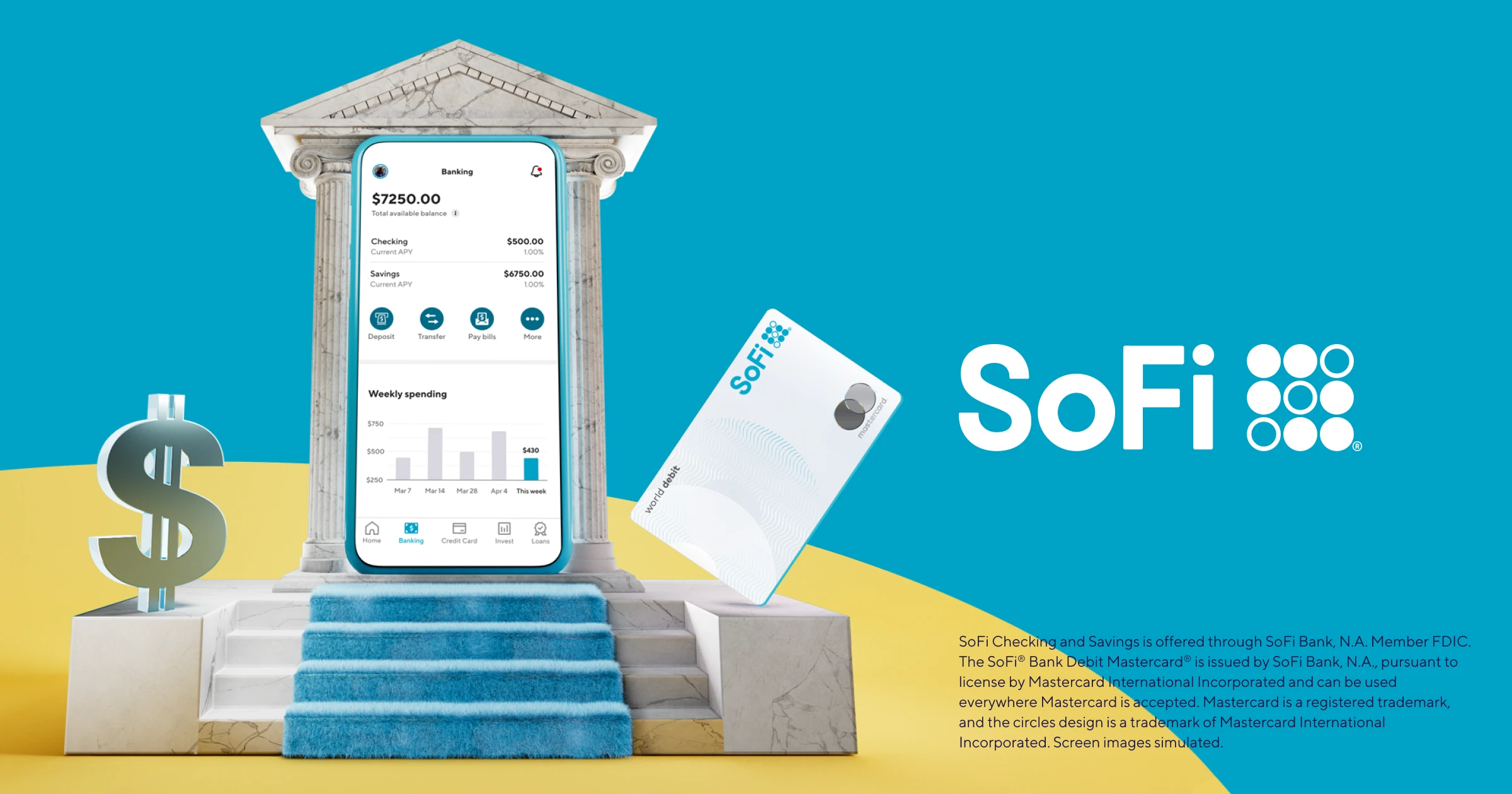
The answer to this question isn’t static, nor is it a simple referral to a third-party institution. Instead, it reflects SoFi’s strategic pivot to become a more vertically integrated and robust financial entity. As of early 2022, SoFi took a monumental step, acquiring a national bank charter and officially launching SoFi Bank, N.A. This transformation means that SoFi no longer primarily relies on external banking partners for its core banking services; instead, it is the bank. This shift has profound implications for how SoFi operates, the products it offers, and, most importantly, the financial security and benefits it provides to its members.
The Hybrid Model: SoFi’s Evolution from Lender to Bank Holding Company
The journey of many fintech companies illustrates a common trajectory: begin with innovative technology, offer specific financial solutions, and then incrementally build towards a more comprehensive suite of services. SoFi’s path is a prime example, demonstrating a strategic evolution that culminates in establishing its own fully regulated bank.
The Early Days: Partnering for Financial Services
Before obtaining its bank charter, SoFi, like many nascent financial technology companies, operated through strategic partnerships with existing, FDIC-insured banks. This model is common for fintechs because it allows them to bring innovative digital services to market quickly without the immense capital requirements and regulatory hurdles associated with becoming a full-fledged bank themselves. These “sponsor banks” or “partner banks” would hold customer deposits, issue debit cards, and manage the underlying banking infrastructure, while SoFi focused on its user-facing technology, marketing, and customer experience.
For consumers, this meant that while they interacted with the SoFi app and brand, their money was technically held by one or more partner banks. The advantage was that customer deposits still benefited from FDIC insurance through the partner bank, offering a layer of security. However, this structure also introduced complexities: SoFi had less direct control over certain aspects of its financial products, faced potential revenue-sharing arrangements, and was reliant on the partner bank’s operational capabilities and risk appetite. It was an effective way to enter the market and demonstrate viability, but ultimately limited the scope and depth of services SoFi could offer directly.
The Strategic Shift: Acquiring a Bank Charter
Recognizing the limitations and the immense potential of greater control, SoFi made a decisive move to acquire a national bank charter. This was achieved through the acquisition of Golden Pacific Bank in February 2022, subsequently rebranding it as SoFi Bank, N.A. This move was not merely an operational tweak; it was a fundamental redefinition of SoFi’s business model. By becoming a bank holding company and operating its own bank, SoFi achieved several critical strategic objectives.
Firstly, it gained direct control over its deposit-taking capabilities and lending operations. This vertical integration allows SoFi to streamline processes, reduce reliance on third-party banking services, and potentially lower operational costs. Secondly, it unlocked new revenue streams and increased financial flexibility. With its own balance sheet, SoFi can retain deposits, fund its own loans, and expand its product offerings without the constraints of partner bank relationships. Finally, and perhaps most importantly, acquiring a bank charter signaled a deep commitment to stability and regulatory compliance. It demonstrated SoFi’s intent to operate as a full-spectrum financial institution under direct federal oversight, fostering greater trust among consumers and regulators alike.
Implications for Members: Enhanced Stability and Trust
The transition to SoFi Bank, N.A., directly translates into tangible benefits for its members. The most immediate and significant advantage is the clarity and security of direct FDIC insurance. Now, customer deposits held with SoFi Bank, N.A., are directly insured by the Federal Deposit Insurance Corporation (FDIC) up to $250,000 per depositor, per insured bank, for each account ownership category. This provides a robust layer of protection, equivalent to what customers receive at any traditional bank.
Beyond insurance, this strategic shift means SoFi can offer more seamless and integrated financial services. The friction often inherent in a partner-bank model is eliminated, leading to faster transaction processing, potentially better interest rates on deposits due to reduced intermediary costs, and a more cohesive user experience across SoFi’s diverse product suite—from banking and investing to lending. This integration builds a stronger foundation of trust, as members know their funds are managed directly by the same entity providing their digital interface and other financial tools.
The Regulatory Landscape and Consumer Protection
Operating as a chartered bank places SoFi under a stringent regulatory framework designed specifically to protect consumers and maintain the stability of the financial system. This oversight is a cornerstone of the trust consumers place in financial institutions, and SoFi’s embrace of this framework solidifies its position as a legitimate and secure player in the financial services sector.
Understanding FDIC Insurance and Its Role
The Federal Deposit Insurance Corporation (FDIC) is an independent agency of the United States government that protects depositors of insured banks and thrifts in the case of bank failure. Its role is pivotal in maintaining public confidence in the nation’s financial system. When a bank holds a national charter and operates as an FDIC-insured institution, it means that customer deposits are protected, providing an essential safety net for individuals’ savings.
For SoFi members, the direct FDIC insurance provided by SoFi Bank, N.A., means their checking and savings account balances, money market accounts, and certificates of deposit (CDs) are safeguarded up to the standard limit of $250,000. This is crucial for personal finance, as it ensures that even in the unlikely event of SoFi Bank’s failure, depositors would not lose their insured funds. This level of protection is a non-negotiable standard for any entity positioning itself as a primary financial institution.
Navigating State and Federal Regulations
As SoFi Bank, N.A., a nationally chartered bank, SoFi operates under the direct supervision of federal regulatory bodies. Key among these are the Office of the Comptroller of the Currency (OCC), which charters, regulates, and supervises all national banks and federal savings associations, and the Federal Reserve, which plays a critical role in supervising bank holding companies and maintaining financial stability. Additionally, like all financial institutions, SoFi is subject to oversight by the Consumer Financial Protection Bureau (CFPB) regarding fair lending practices and consumer protection.
This multi-layered regulatory environment ensures that SoFi adheres to rigorous standards concerning capital adequacy, risk management, consumer privacy, anti-money laundering (AML) regulations, and fair business practices. Navigating this complex web of regulations is a significant undertaking, requiring substantial investment in compliance infrastructure and expertise. However, it provides a robust framework that ultimately benefits consumers by ensuring responsible and ethical operations. For personal finance, this translates into greater peace of mind knowing that the institution handling one’s money is held to the highest industry standards.
Transparency and Accountability in Financial Services
Operating as its own bank directly under federal scrutiny fosters a higher degree of transparency and accountability within SoFi’s operations. Unlike arrangements with partner banks where regulatory responsibility might be somewhat diffused, SoFi Bank, N.A., is directly answerable for its practices to its regulators and, by extension, to its customers.

This increased accountability manifests in various ways: clearer disclosures about fees and terms, robust complaint resolution processes, and stricter adherence to data privacy and security protocols. For individuals managing their personal finances, this transparency is invaluable. It allows them to make informed decisions, understand exactly how their money is being handled, and have confidence that their financial data is protected. SoFi’s direct banking status thus enhances its credibility as a trustworthy financial partner, moving beyond just being a tech platform to a fully integrated and accountable financial institution.
Beyond the Basics: How SoFi’s Banking Status Shapes Its Financial Product Ecosystem
SoFi’s evolution into a full-fledged bank isn’t merely about regulatory compliance; it’s a strategic move to unlock greater potential in its product development and service offerings. This transformation allows SoFi to craft a more cohesive, competitive, and innovative financial ecosystem for its members.
Integrated Financial Planning and Wealth Management
With its own bank, SoFi can now offer a truly integrated suite of financial services. Instead of disparate products managed by different entities, members can now access banking, lending, investing, and wealth management tools all under the SoFi Bank, N.A., umbrella. This means a SoFi checking account can seamlessly interact with a SoFi investment portfolio, and a SoFi personal loan application can be directly informed by a member’s banking activity.
This integration is a significant advantage for personal finance, enabling more holistic financial planning. Users can view their complete financial picture—deposits, investments, loans—in one place, facilitating easier budgeting, goal setting, and overall wealth management. SoFi’s ability to cross-reference data across its own services can also lead to more personalized financial insights and product recommendations, helping members optimize their financial health.
Competitive Edge in Interest Rates and Fees
One of the most immediate financial benefits of being its own bank is the potential to offer more competitive rates and lower fees. When operating through partner banks, a portion of the revenue or margin is typically shared with the partner institution. By internalizing these functions, SoFi Bank, N.A., can capture the full economic benefit, allowing it to pass on some of those savings to its members.
This can translate into higher Annual Percentage Yields (APYs) on savings accounts and checking accounts, more attractive interest rates on loans (such as personal loans, student loan refinancing, and mortgages), and potentially lower or no fees for common banking services. For individuals seeking to maximize their savings and minimize their banking costs, SoFi’s direct banking model positions it as a highly competitive option in the digital finance space. This directly impacts personal income and expenses, crucial elements of sound financial management.
Innovation in Digital Banking
Direct control over its banking infrastructure empowers SoFi to innovate at a faster pace and with greater flexibility. Without the need to coordinate product development and feature rollouts with external banking partners, SoFi can design and implement new digital banking features, payment solutions, and personalized financial tools more efficiently. This agility is a hallmark of successful fintechs.
Examples might include advanced mobile banking features, real-time payment processing enhancements, sophisticated budgeting tools powered by AI, or unique reward programs tied to spending and saving. This focus on digital innovation ensures that SoFi Bank, N.A., remains at the forefront of modern banking, continually enhancing the user experience and providing cutting-edge financial tools that cater to the evolving needs of its digitally native customer base.
The Future of Fintech and Traditional Banking: A SoFi Case Study
SoFi’s journey is not just about its own growth; it’s a powerful case study in the broader evolution of the financial industry. It exemplifies how the lines between traditional banking and agile financial technology are blurring, creating new paradigms for consumer finance.
Bridging the Gap: Fintech Agility Meets Banking Stability
SoFi’s model represents a compelling bridge between the best of both worlds: the technological agility and customer-centric design of fintech, combined with the regulatory stability and trust traditionally associated with established banks. Fintechs initially disrupted the market by offering niche, innovative solutions with superior user experiences. However, they often lacked the foundational trust and regulatory oversight of traditional banks.
By acquiring a bank charter, SoFi has effectively married these two formerly distinct spheres. It can maintain its rapid innovation cycle and commitment to digital excellence while simultaneously providing the rock-solid security, comprehensive regulatory compliance, and direct FDIC insurance that consumers expect from a primary financial institution. This convergence is likely to be a defining trend in the future of finance, with more fintechs seeking to become regulated banks or traditional banks adopting fintech-like agility.
The Customer-Centric Approach Redefined
This hybrid model allows SoFi to redefine the customer-centric approach in financial services. It’s not just about a slick app; it’s about providing a complete financial toolkit that is secure, reliable, and integrated. SoFi aims to be a “one-stop shop” for its members’ financial lives, offering everything from checking and savings to investments, loans, and even credit cards, all managed through a unified platform.
This holistic approach caters to the modern consumer who values convenience, transparency, and personalization. By owning the entire banking stack, SoFi can gather deeper insights into its members’ financial behaviors (with appropriate privacy safeguards), enabling it to offer more tailored advice, proactive solutions, and truly integrated experiences that simplify personal finance.

Challenges and Opportunities for Integrated Financial Platforms
While the benefits are substantial, this integrated model also presents challenges. The regulatory burden and ongoing compliance costs for a chartered bank are significant. Competition from both incumbent banks enhancing their digital offerings and other fintechs pursuing similar strategies remains fierce. Moreover, managing the complex operations of a full-service bank while maintaining the agility of a tech company requires continuous strategic balancing.
However, the opportunities are immense. SoFi’s integrated platform allows for deeper customer relationships, increased “share of wallet,” and the potential to become the primary financial institution for a growing segment of the population. By providing a secure, comprehensive, and technologically advanced banking experience, SoFi is well-positioned to capture significant market share and shape the future of personal finance for years to come.
In conclusion, the question “what bank does SoFi use?” now has a definitive and empowering answer: SoFi is the bank. Through the establishment of SoFi Bank, N.A., the company has strategically positioned itself as a comprehensive, federally regulated financial institution. This crucial development not only enhances the security of member deposits through direct FDIC insurance but also enables SoFi to offer a more integrated, innovative, and competitive suite of financial products. For anyone engaging with SoFi, this evolution signifies a robust commitment to financial security, transparency, and a modern banking experience, firmly anchoring SoFi within the core fabric of personal finance and the broader money ecosystem.
aViewFromTheCave is a participant in the Amazon Services LLC Associates Program, an affiliate advertising program designed to provide a means for sites to earn advertising fees by advertising and linking to Amazon.com. Amazon, the Amazon logo, AmazonSupply, and the AmazonSupply logo are trademarks of Amazon.com, Inc. or its affiliates. As an Amazon Associate we earn affiliate commissions from qualifying purchases.