
For millions of homeowners and professionals embarking on renovation projects, the Home Depot credit card stands as a familiar financial tool. Yet, behind this widely recognized store card, there’s a crucial financial institution that underpins its very existence and operation. Understanding which bank issues the Home Depot credit card is not merely a matter of trivia; it’s fundamental to grasping the terms, benefits, and financial implications associated with carrying and using such a card. This insight offers a deeper dive into the world of co-branded credit cards, retail finance, and the strategic alliances that shape consumer spending and business operations in the modern economy.
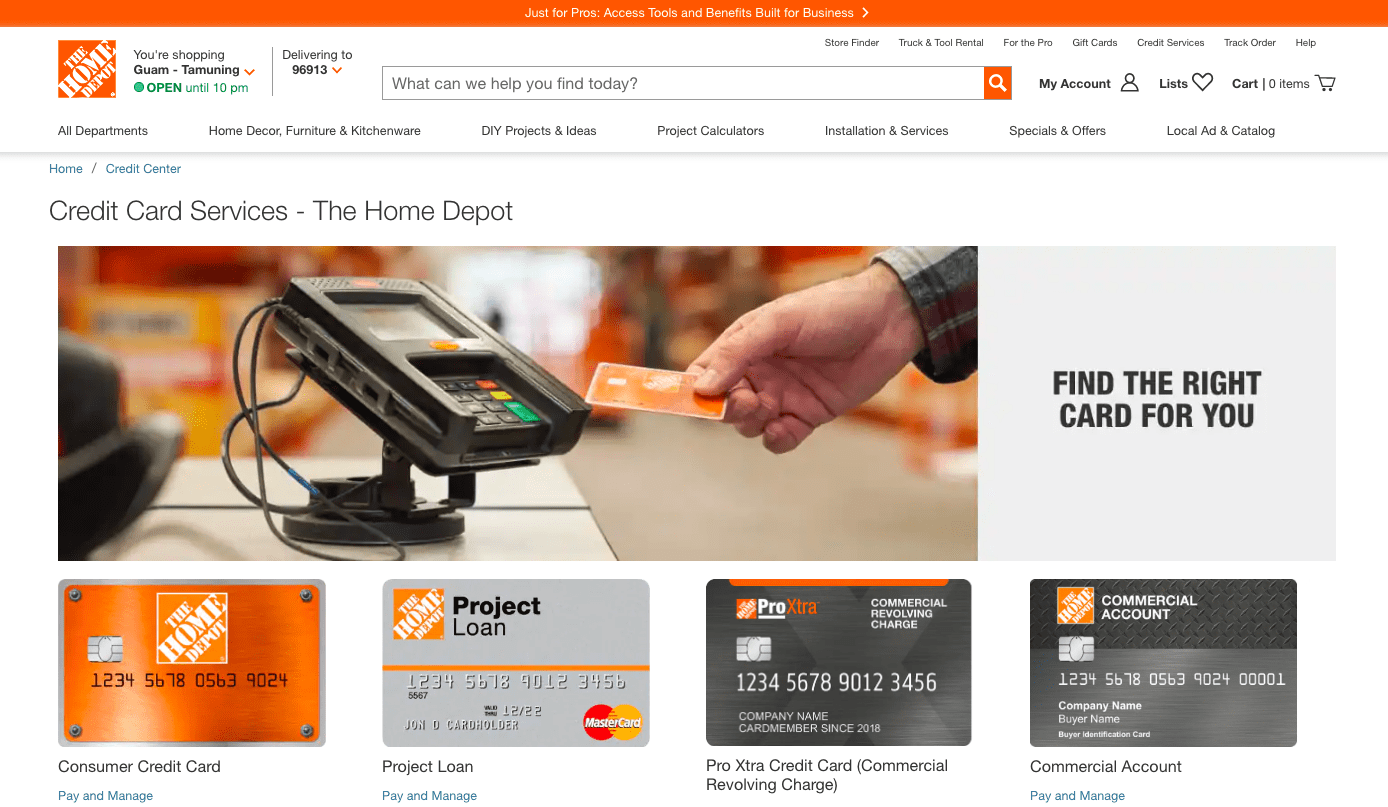
The financial partner behind the Home Depot credit card is Synchrony Bank. This partnership is a prime example of how major retailers leverage specialized financial institutions to offer tailored credit solutions to their customer base, thereby enhancing loyalty, facilitating larger purchases, and streamlining financial management for both consumers and businesses. Synchrony Bank, a leading issuer of private label and co-branded credit cards, plays a pivotal role in the retail credit landscape, and its collaboration with Home Depot is a testament to its expertise in this niche.
The Issuer Revealed: Synchrony Bank and Home Depot’s Alliance
The relationship between Home Depot and Synchrony Bank is a cornerstone of Home Depot’s financial services offerings. Synchrony Bank, formerly GE Capital Retail Bank, has carved out a significant market share in the retail credit space, specializing in providing financing options directly at the point of sale for a vast array of retailers, including many in the home improvement sector. This strategic alliance allows Home Depot to focus on its core business of selling products and services, while Synchrony Bank handles the complexities of credit underwriting, account management, and customer service for the credit cards.
The Role of Synchrony Bank in Retail Credit
Synchrony Bank’s business model is built on forming partnerships with retailers to offer credit products that are tailored to the specific needs and purchasing habits of their customers. For retailers like Home Depot, partnering with Synchrony means accessing a robust credit platform without needing to develop and maintain their own banking infrastructure. This arrangement provides several benefits:
-
Specialized Expertise: Synchrony Bank possesses deep knowledge in consumer lending, risk assessment, and regulatory compliance, areas that are often outside the primary expertise of a retail company.
-
Enhanced Customer Experience: By providing immediate credit decisions and seamless account management, Synchrony helps Home Depot offer a frictionless purchasing experience, especially for larger, project-based expenditures.
-
Increased Sales and Loyalty: Accessible credit options often encourage customers to make larger purchases or complete projects they might otherwise defer, thereby boosting sales and fostering customer loyalty through exclusive financing offers.
For the consumer, knowing Synchrony Bank is the issuer means that their account will be managed by a bank specializing in retail financing. This often translates into promotional financing options, such as deferred interest plans, which are characteristic of store credit cards and are managed directly by Synchrony’s systems.
Understanding Co-Branded Credit Cards
The Home Depot credit card is a classic example of a “co-branded” or “private label” credit card. Unlike general-purpose credit cards (e.g., Visa, Mastercard) that can be used almost anywhere, the primary Home Depot Consumer Credit Card is typically only usable at Home Depot stores and online. This exclusivity is a key feature of private label cards.
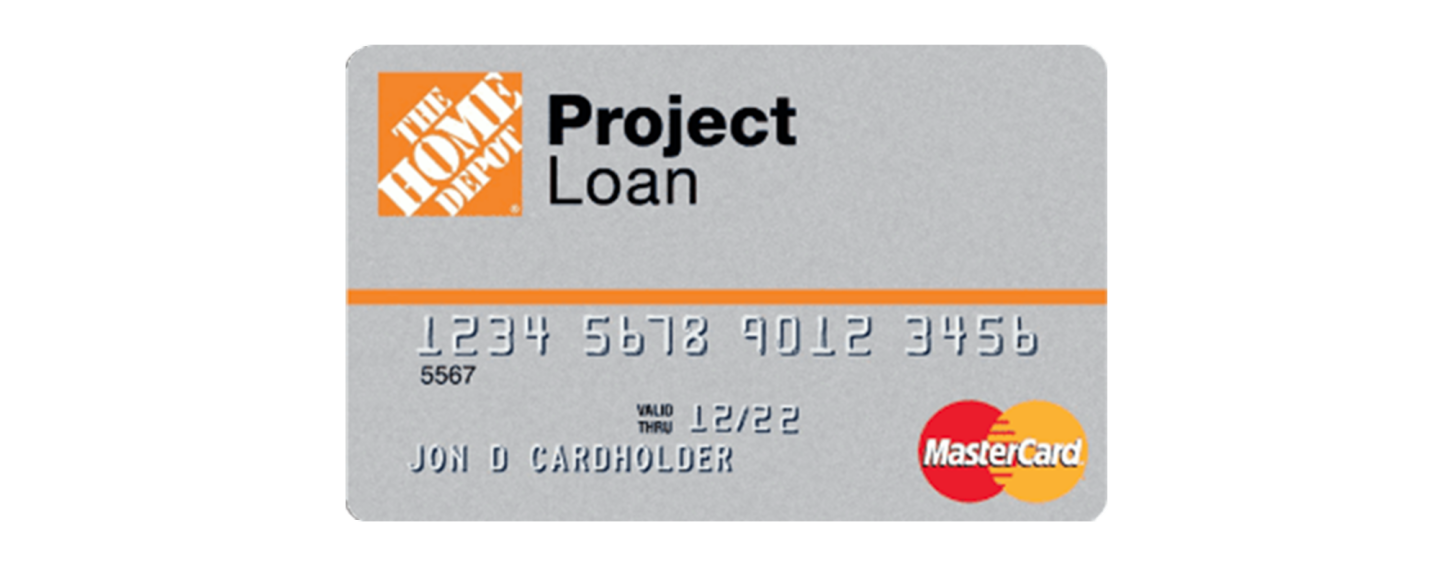
Co-branded cards, like the Home Depot Project Loan card which is part of the Mastercard network, offer broader acceptance but still retain specific benefits tied to the retailer. The financial dynamics are simple: the retailer (Home Depot) benefits from increased sales and customer loyalty, while the bank (Synchrony) earns revenue from interest charges, fees, and processing transactions. For consumers, these cards offer a targeted financial tool that often comes with specific discounts, financing deals, or reward structures designed to incentivize spending at the partner retailer. It’s a symbiotic relationship designed to benefit all parties involved, provided the cardholder manages their finances responsibly.
Types of Home Depot Credit Cards and Their Financial Nuances
Home Depot, in partnership with Synchrony Bank, offers a suite of credit solutions designed to cater to different segments of its customer base. Each card type has distinct features, benefits, and financial structures, making it crucial for users to understand which card aligns best with their purchasing habits and financial goals.
The Consumer Credit Card: Benefits and Financial Responsibilities
The Home Depot Consumer Credit Card is the most common offering, primarily targeting individual homeowners and DIY enthusiasts. Its main draw is often special financing offers, such as 0% interest for a certain period on qualifying purchases. These offers can be incredibly beneficial for managing the costs of large home improvement projects, allowing customers to pay for items over time without incurring immediate interest.
However, these promotional financing offers typically come with a significant caveat: deferred interest. This means if the full promotional balance is not paid off by the end of the promotional period, interest will be charged from the original purchase date on the entire balance. This financial nuance requires careful budgeting and disciplined repayment to avoid substantial interest charges, which can often be high on store credit cards compared to traditional bank cards. Understanding the APR, minimum payment requirements, and the specific terms of promotional offers is paramount for responsible use.
The Commercial Credit Card: Empowering Business Finance
For professional contractors, renovators, and small businesses, Home Depot offers commercial credit solutions, also issued by Synchrony Bank. These include:
-
The Commercial Revolving Charge Card: Designed for flexibility, this card allows businesses to manage daily purchases and offers benefits like purchase tracking, itemized statements, and the ability to add authorized users. It helps streamline accounting and expense management for business operations, providing a clear financial record of purchases.
-
The Commercial Account: Similar to the revolving card but often with more robust reporting features, suited for larger businesses with multiple employees and ongoing projects.
These commercial cards are financial tools tailored to the unique demands of business operations. They can help businesses manage cash flow, track expenses for tax purposes, and ensure employees have access to necessary supplies. The financial benefits often extend beyond interest rates to encompass detailed reporting that aids in financial planning and project budgeting.
Project Loan Card: Financing Larger Home Improvement Endeavors
For very large projects, Home Depot and Synchrony offer the Project Loan Card. This card is typically a separate line of credit with specific terms designed for substantial investments like kitchen remodels, roof replacements, or major landscaping work. Unlike the standard consumer card, which might offer short-term promotional financing, the Project Loan card often provides longer repayment terms with fixed monthly payments, making it more akin to a personal loan or a dedicated project financing solution.
The financial structure of the Project Loan card is distinct, often featuring a fixed interest rate and a clear repayment schedule. This transparency can be beneficial for long-term financial planning, allowing homeowners to budget for significant expenses without the uncertainty of variable interest rates or the pressure of deferred interest deadlines. It serves as a specialized financial instrument for specific, high-value purchases that align with Home Depot’s core business offerings.
The Financial Implications for Cardholders
Understanding the issuer and the specifics of each Home Depot credit card is crucial for navigating its financial implications effectively. These cards, while convenient, require diligent financial management to truly benefit from their offerings.
Navigating Special Financing Offers and Interest Rates
The allure of “0% interest for 6, 12, or 24 months” is a primary motivator for many to open a Home Depot credit card. However, as previously mentioned, these are typically deferred interest promotions. If the entire promotional balance is not paid off by the deadline, all deferred interest from the purchase date is retroactively applied to the account. This can turn an initially attractive offer into a costly mistake.
Responsible cardholders must:
-
Calculate Payments: Determine the monthly payment required to pay off the promotional balance in full before the deadline.
-
Set Reminders: Keep track of the promotional end date to ensure timely payment.
-
Understand the APR: Be aware of the standard Annual Percentage Rate (APR) that applies after the promotional period or to balances not subject to special financing. Store cards often have higher standard APRs compared to general-purpose credit cards, making carrying a balance costly.
Building Credit and Managing Debt Responsibly
Like any credit product, the Home Depot credit card can impact a cardholder’s credit score.
-
Positive Impact: Making on-time payments and keeping credit utilization low can help build a positive credit history, which is beneficial for future loan applications (e.g., mortgages, auto loans).
-
Negative Impact: Missed payments, late payments, or high credit utilization can damage a credit score significantly. Given the deferred interest structure, falling behind can quickly escalate debt.
Effective debt management involves:
-
Budgeting: Incorporating credit card payments into a personal or business budget.
-
Paying More Than the Minimum: Especially on deferred interest plans, paying only the minimum will likely not clear the balance before the promotional period ends.
-
Monitoring Account Statements: Regularly reviewing statements for accuracy and to track progress towards paying off balances.
Leveraging Card Benefits for Savings and Project Management
Beyond special financing, Home Depot credit cards often come with other benefits that, when utilized correctly, can lead to real savings and improved project management. These might include:
-
Exclusive Discounts: Cardholders may receive special coupons or discounts on specific items.
-
Return Policy Enhancements: Some cards offer extended return periods, providing greater flexibility.
-
Detailed Purchase Records: Commercial cards, in particular, provide detailed statements that simplify expense tracking, inventory management, and tax preparation for businesses.
For homeowners, strategic use of these benefits can mean better value for their money and a smoother experience during large projects. For businesses, they represent tools for operational efficiency and cost control.
Strategic Partnerships in Retail Finance
The Home Depot-Synchrony Bank alliance is not an isolated case but rather a standard practice in modern retail. Understanding the motivations behind these partnerships provides insight into the broader financial ecosystem that supports consumer spending and business growth.
Why Retailers Partner with Banks: A Business Perspective
For retailers like Home Depot, forming partnerships with specialized banks like Synchrony offers several compelling advantages:
-
Focus on Core Competency: Retailers can concentrate on merchandising, customer service, and store operations, leaving the complex and highly regulated world of consumer credit to financial experts.
-
Access to Capital and Expertise: Banks provide the capital to fund credit lines and the sophisticated infrastructure for credit underwriting, fraud detection, and regulatory compliance.
-
Increased Sales and Average Transaction Value: By offering flexible payment options, retailers can remove financial barriers to purchase, encouraging customers to buy more or undertake larger projects.
-
Customer Loyalty and Data: Credit card programs often come with loyalty components and provide valuable data on customer purchasing behavior, which retailers can use to refine marketing strategies and product offerings.
The Consumer’s Advantage: Loyalty Programs and Accessibility
From a consumer perspective, these partnerships make credit more accessible and often more rewarding within specific retail environments.
-
Targeted Benefits: Loyalty programs and financing offers are designed to be highly relevant to purchases made at that particular retailer.
-
Convenience: Applying for and managing credit at the point of sale simplifies the purchasing process for large items.
-
Building Credit: For individuals with limited credit history, store cards can sometimes be an entry point into the credit market, provided they are managed responsibly.
The Evolving Landscape of Financial Tools in Retail
The landscape of retail finance is continuously evolving. Beyond traditional credit cards, we are seeing the rise of “Buy Now, Pay Later” (BNPL) services, digital wallets, and increasingly sophisticated loyalty programs. Financial institutions like Synchrony Bank are at the forefront of adapting to these changes, ensuring that their retail partners can offer competitive and convenient payment solutions. The enduring partnership between Home Depot and Synchrony Bank demonstrates the continued relevance of dedicated retail credit cards as a powerful financial tool within this dynamic environment.
Maximizing Your Home Depot Credit Card: Best Practices for Financial Health
Armed with the knowledge that Synchrony Bank issues the Home Depot credit card and understanding its various types and financial implications, cardholders can adopt best practices to ensure these tools enhance rather than hinder their financial health.
Understanding Terms and Conditions
The most critical step is to thoroughly read and understand the terms and conditions of your specific Home Depot credit card. Pay close attention to:
-
APR (Annual Percentage Rate): Both the standard purchase APR and any promotional APRs.
-
Deferred Interest Clauses: Fully comprehend how and when deferred interest might be applied.
-
Fees: Annual fees (if any), late payment fees, and other potential charges.
-
Minimum Payment Calculation: Understand how minimum payments are determined and what percentage of your balance they represent.
This proactive approach prevents unpleasant surprises and empowers you to make informed financial decisions.
Budgeting for Home Improvement Purchases
Using a Home Depot credit card, especially for large projects, demands meticulous budgeting.
-
Project Cost Estimation: Accurately estimate the total cost of your project before making purchases.
-
Payment Planning: Develop a clear plan for how you will pay off the credit card balance, particularly if utilizing a deferred interest promotion. This might involve setting aside a fixed amount each month or planning for a lump sum payment.
-
Emergency Fund: Ensure you have an emergency fund to cover unexpected expenses, preventing reliance on credit for unforeseen costs that could derail your repayment plan.

Alternatives and Complementary Financial Strategies
While the Home Depot credit card can be a valuable tool, it’s wise to consider it within a broader financial strategy.
-
Compare Financing Options: For large projects, compare the Home Depot Project Loan with personal loans from other banks, home equity lines of credit (HELOCs), or even refinancing options, which might offer lower interest rates or more favorable terms.
-
General Purpose Credit Cards: For everyday small purchases at Home Depot, a general-purpose credit card with a good rewards program (e.g., cash back on all purchases) might offer more consistent benefits than a store card.
-
Cash Savings: Whenever possible, saving up cash for home improvement projects eliminates interest costs entirely and provides financial peace of mind.
By thoughtfully evaluating these options and integrating the Home Depot credit card into a sound financial plan, individuals and businesses can effectively leverage this partnership to achieve their home improvement and operational goals while maintaining robust financial health. The partnership between Home Depot and Synchrony Bank offers a specialized financial ecosystem, and understanding its intricacies is key to unlocking its full potential responsibly.
aViewFromTheCave is a participant in the Amazon Services LLC Associates Program, an affiliate advertising program designed to provide a means for sites to earn advertising fees by advertising and linking to Amazon.com. Amazon, the Amazon logo, AmazonSupply, and the AmazonSupply logo are trademarks of Amazon.com, Inc. or its affiliates. As an Amazon Associate we earn affiliate commissions from qualifying purchases.