
Bacterial Vaginosis (BV) stands as one of the most common gynecological infections globally, affecting millions of women each year. Characterized by an imbalance in the vaginal microbiome, BV is not caused by a single pathogen but rather by a complex shift from a lactobacilli-dominant environment to one teeming with a diverse array of anaerobic bacteria. For decades, pinpointing the precise bacterial culprits and understanding their interplay has been a significant challenge for medical science. However, the relentless march of technological innovation, particularly in genomics, bioinformatics, and digital health, is now offering unprecedented insights into the intricate microbial world of BV, revolutionizing our diagnostic capabilities and paving the way for more effective, personalized treatments.
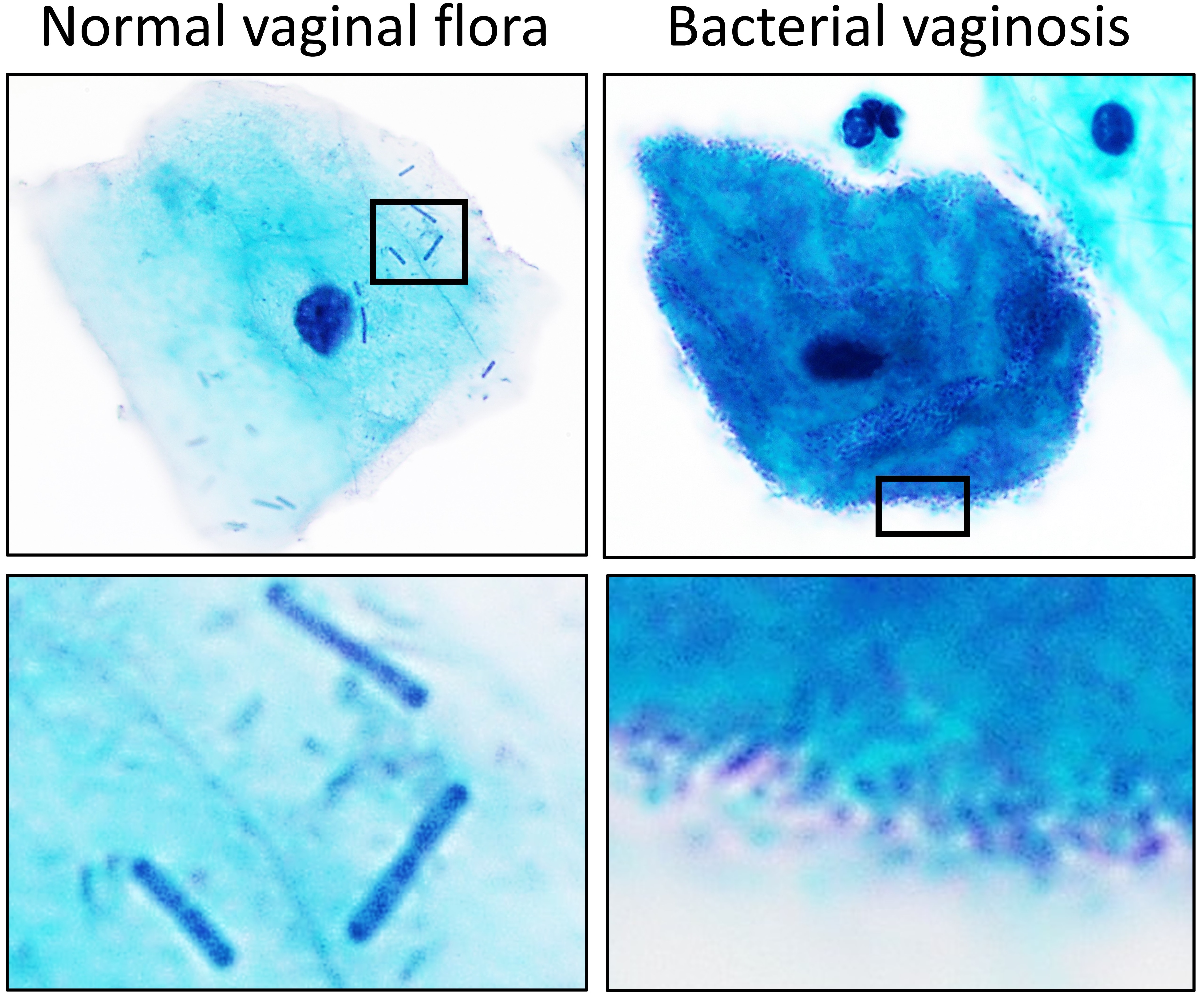
This article delves into how technology is transforming our understanding of what bacteria causes BV, moving beyond traditional methods to embrace advanced diagnostic tools, AI-driven analytics, and digital health platforms that promise a clearer picture of this pervasive condition.
The Complex Microbial Landscape of BV and Diagnostic Challenges
Understanding BV begins with appreciating the delicate ecosystem of the vaginal microbiome. In a healthy state, the vagina is typically dominated by various species of Lactobacillus, which produce lactic acid, maintaining an acidic pH that inhibits the growth of harmful bacteria. BV occurs when this balance is disrupted, leading to a decrease in beneficial lactobacilli and an overgrowth of anaerobic bacteria.
Beyond Simple Pathogens: The Polymicrobial Nature of BV
Unlike infections caused by a single, identifiable bacterium, BV is a polymicrobial condition. Researchers have implicated numerous bacterial species in its development, including Gardnerella vaginalis, Atopobium vaginae, Prevotella species, Mycoplasma hominis, and Mobiluncus species. The challenge lies in that many of these bacteria can be present in asymptomatic women, and it’s their collective presence and abundance, rather than the sole existence of one species, that characterizes BV. This complexity makes traditional diagnostic approaches, which often focus on identifying single pathogens, inherently limited in fully capturing the scope of BV. The question isn’t just what bacteria are present, but how much of each, and how do they interact?
Limitations of Traditional Diagnostics in Identifying BV’s True Culprits
Historically, diagnosing BV has relied on clinical criteria such as Amsel’s criteria (vaginal discharge, pH > 4.5, clue cells, positive whiff test) or Nugent scoring (microscopic evaluation of Gram-stained vaginal smears). While useful, these methods have significant limitations. They are subjective, lack sensitivity and specificity in many cases, and provide little insight into the specific bacterial species or their concentrations. They offer a snapshot of the microbial shift but fail to identify the precise bacterial “causes” or their pathogenic mechanisms, hindering the development of targeted therapies. This is where technological advancements step in, offering a deeper, more objective, and comprehensive view.
Genomic Technologies: Pinpointing the Bacterial Drivers of BV
The advent of genomic technologies has been a game-changer in microbiology, allowing scientists to identify and quantify bacterial species with unprecedented precision, regardless of their culturability. These tools are fundamentally reshaping our understanding of the vaginal microbiome and BV.
Next-Generation Sequencing (NGS) and 16S rRNA Gene Sequencing
One of the most powerful tools in this regard is Next-Generation Sequencing (NGS), particularly 16S rRNA gene sequencing. The 16S rRNA gene is a conserved gene present in all bacteria, containing hypervariable regions that are unique to different species. By sequencing these regions from a vaginal sample, researchers can identify virtually every bacterial species present and their relative abundances, without needing to culture them in a lab.
This technology has allowed for the identification of previously unknown or unculturable bacteria associated with BV. It has confirmed the polymicrobial nature of the condition and helped identify specific bacterial “clusters” or community types that are strongly correlated with BV presence and recurrence. For example, 16S rRNA sequencing has shown that while Gardnerella vaginalis is often abundant, it’s frequently accompanied by a host of other anaerobic bacteria, suggesting a synergistic pathogenic effect rather than Gardnerella acting alone. This depth of information is crucial for moving beyond descriptive epidemiology to understanding the functional roles of different bacterial groups in BV pathogenesis.
Metagenomics: Decoding the Entire Vaginal Microbiome
Taking a step further, metagenomic sequencing involves sequencing all DNA present in a sample, not just the 16S rRNA gene. This approach provides an even more comprehensive view, identifying not only the bacterial species but also their genes, including those involved in virulence, antibiotic resistance, and metabolic pathways. Metagenomics allows scientists to understand the functional potential of the BV-associated microbiome—what metabolic activities these bacteria are capable of, and how these activities contribute to the symptoms and pathology of BV.

For instance, metagenomics can reveal genes associated with biofilm formation, a known characteristic of BV where bacteria adhere to the vaginal lining in a protective matrix. It can also highlight pathways for producing compounds like succinate, which have been implicated in promoting the growth of BV-associated bacteria. By understanding these functional aspects, technology provides critical clues not just about what bacteria cause BV, but how they cause it, opening new avenues for targeted drug development and prevention strategies.
Artificial Intelligence and Machine Learning in Microbiome Research
The sheer volume and complexity of genomic data generated by NGS and metagenomics necessitate advanced computational tools for analysis. This is where artificial intelligence (AI) and machine learning (ML) algorithms become indispensable, transforming raw data into actionable insights.
Predictive Analytics for BV Risk and Recurrence
AI/ML models can be trained on large datasets of microbiome profiles and clinical outcomes to identify patterns indicative of BV risk, development, and recurrence. These algorithms can process thousands of bacterial species and their relative abundances, identifying subtle shifts or unique microbial signatures that precede or predict BV episodes. For example, machine learning could identify a specific ratio of certain anaerobic bacteria to lactobacilli that strongly predicts future BV onset, even when traditional diagnostic markers are not yet present.
Such predictive analytics hold immense promise for early intervention and personalized prevention strategies. Imagine an AI model that, based on a woman’s individual vaginal microbiome profile, can assess her risk of BV recurrence and recommend specific probiotic interventions or lifestyle adjustments before symptoms even manifest.
AI-Powered Diagnostics and Personalized Treatment Strategies
Beyond prediction, AI is poised to enhance BV diagnostics themselves. Automated image analysis of Gram-stained smears using AI can provide more objective and consistent Nugent scores, reducing inter-observer variability. Furthermore, AI algorithms can integrate data from genomic sequencing with clinical symptoms and patient history to provide a more accurate and comprehensive diagnosis than any single method alone.
Crucially, AI can aid in developing personalized treatment strategies. By analyzing a patient’s unique microbiome and comparing it to vast datasets, AI could recommend the most effective antibiotic regimen or probiotic strain tailored to the specific bacterial composition driving their BV. This move towards precision medicine, driven by AI, promises to reduce treatment failures and recurrence rates, a significant challenge in current BV management.
Digital Health Tools and Data Security in BV Management
The technological landscape extends beyond the lab, reaching patients through digital health tools and applications that empower self-management and enhance communication with healthcare providers. However, this also brings forth critical considerations regarding data privacy and security.
Wearable Tech and Health Apps for Symptom Monitoring
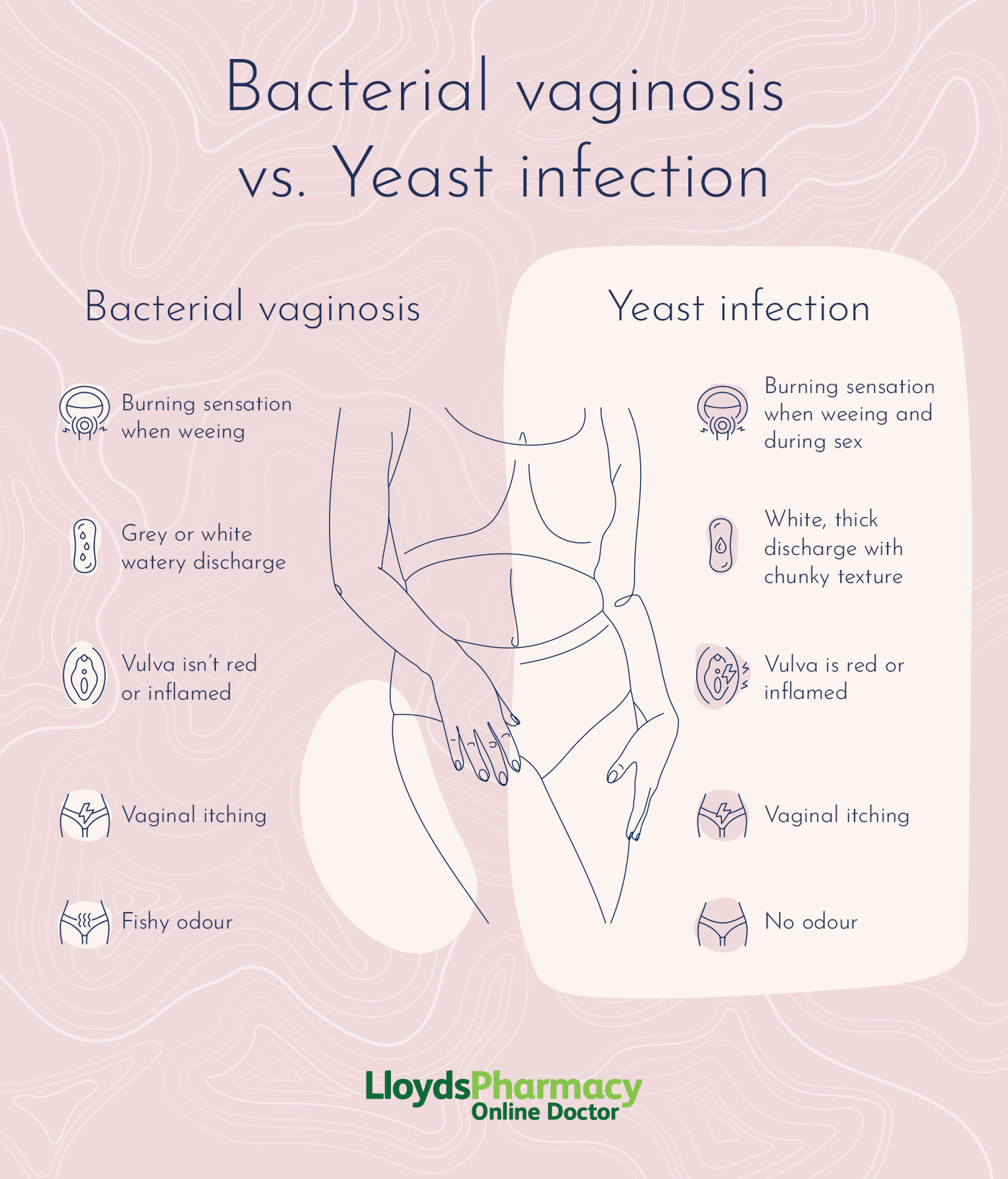
The proliferation of wearable technology and health apps offers new avenues for individuals to monitor symptoms associated with BV. While not directly identifying bacteria, these tools can track menstrual cycles, discharge characteristics, pH levels (via smart pH strips), and symptom severity over time. Coupled with educational content, these apps can help users understand their bodies better, identify potential BV episodes early, and decide when to seek professional medical advice. For research, aggregated, anonymized data from these apps could provide valuable epidemiological insights into BV prevalence and symptom patterns in real-world settings.
Ensuring Privacy in Sensitive Health Data Management
As technology enables more detailed collection and analysis of health data, especially sensitive information like microbiome profiles, the importance of digital security cannot be overstated. Protecting patient privacy and ensuring the secure handling of genetic and health information is paramount. Robust encryption, compliance with regulations like GDPR and HIPAA, and ethical data governance frameworks are essential to build trust and prevent misuse of highly personal health insights derived from technological analyses of BV. Innovators in health tech must prioritize privacy-by-design principles to ensure that advancements in understanding BV’s bacterial causes do not come at the cost of individual data sovereignty.
Conclusion
The question “what bacteria causes BV” is no longer a simple search for a single culprit but an exploration into a complex, dynamic microbial ecosystem. Technology has emerged as the most powerful tool in this exploration, transforming our ability to diagnose, understand, and potentially treat Bacterial Vaginosis. From the precision of genomic sequencing that maps every bacterial inhabitant, to the analytical power of AI that predicts risk and personalizes care, and the accessibility of digital health tools that empower patients, technology is painting an increasingly clear picture of BV’s bacterial underpinnings. As these advancements continue to evolve, we can anticipate a future where BV is not just managed but truly understood, leading to more effective prevention, more accurate diagnosis, and ultimately, a better quality of life for millions of women worldwide. The integration of cutting-edge tech into women’s health is not just an advancement; it’s a revolution in how we tackle one of its most persistent and perplexing challenges.
aViewFromTheCave is a participant in the Amazon Services LLC Associates Program, an affiliate advertising program designed to provide a means for sites to earn advertising fees by advertising and linking to Amazon.com. Amazon, the Amazon logo, AmazonSupply, and the AmazonSupply logo are trademarks of Amazon.com, Inc. or its affiliates. As an Amazon Associate we earn affiliate commissions from qualifying purchases.