
The 2024 awards season marked a historic milestone for Mattel, Greta Gerwig, and the global toy industry. While the question “what award did Barbie win” is often met with a list of accolades from the Oscars, Golden Globes, and Grammys, the true victory lies in the brand strategy that propelled these wins. The Barbie film did not just win trophies; it won a permanent place in the modern cultural zeitgeist by executing one of the most sophisticated brand transformations in corporate history.
From the “Cinematic and Box Office Achievement” award at the 81st Golden Globes to the Academy Award for Best Original Song, the film’s accolades are symptoms of a larger success: the strategic pivot of Mattel from a toy manufacturer to a dominant intellectual property (IP) powerhouse. This article explores how these awards validate a masterclass in brand strategy, visual identity, and emotional marketing.

1. The Strategic Pivot: How the Barbie Movie Redefined Mattel’s Corporate Identity
Before the film’s release, Barbie faced a complex brand challenge. After decades of fluctuating relevance and criticisms regarding diversity and body image, the brand needed more than just a new product line—it needed a narrative overhaul. The awards won by the film are the ultimate validation of Mattel’s decision to embrace self-awareness and radical transparency.
From Toy Manufacturer to Intellectual Property Giant
The primary goal of the Barbie project, led by Mattel CEO Ynon Kreiz, was to transition the company into an IP-driven machine. By securing awards in categories that bridge technical excellence and commercial success, Mattel proved that a “toy movie” could hold the same cultural weight as high-brow cinema. This shift is critical for corporate identity; it signals to investors and consumers alike that Mattel is no longer just selling plastic dolls, but is a curator of world-class storytelling. The awards serve as a “seal of quality” that elevates the brand’s perceived value in the global marketplace.
Navigating Cultural Relevance and Brand Sentiment
Winning awards like the Golden Globe for Cinematic and Box Office Achievement is a direct reflection of brand sentiment. The strategy involved leaning into the “problematic” history of the doll rather than ignoring it. By addressing the brand’s legacy head-on through Greta Gerwig’s screenplay, Mattel successfully repositioned Barbie as a feminist icon of self-discovery. This strategic vulnerability transformed a corporate asset into a relatable protagonist, a move that is now a textbook case study in brand evolution.
2. Award-Winning Marketing: The Cinematic Campaign That Won the Golden Globe
The “Cinematic and Box Office Achievement” award is a relatively new category, and its inaugural win by Barbie is significant. It recognizes films that have achieved both a high level of excellence and immense popularity. For a brand, this is the “holy grail”—achieving critical acclaim without sacrificing commercial dominance.
The Power of the “Barbiecore” Phenomenon
The marketing campaign for Barbie was an omni-channel masterstroke that utilized over 100 brand partnerships. From Airbnb’s real-life Malibu DreamHouse to collaborations with brands like Zara, Xbox, and Burger King, the “Barbiecore” aesthetic became a global movement. This wasn’t just advertising; it was an ecosystem of brand experiences. The award for box office achievement recognizes that the marketing was so pervasive and effective that the film became an “event” rather than just a movie.
Strategic Partnerships and Market Saturation
The branding strategy relied on “controlled saturation.” By carefully selecting partners that aligned with different facets of the Barbie identity—fashion, home decor, tech, and travel—the marketing team ensured that the brand was inescapable. This strategy paid off at the box office, grossing over $1.4 billion. The awards received in the “achievement” categories validate this aggressive yet calculated approach to market penetration, showing that a brand can be everywhere at once if the creative execution remains consistent.
3. Visual Identity and Aesthetic Consistency: Designing an Award-Winning World
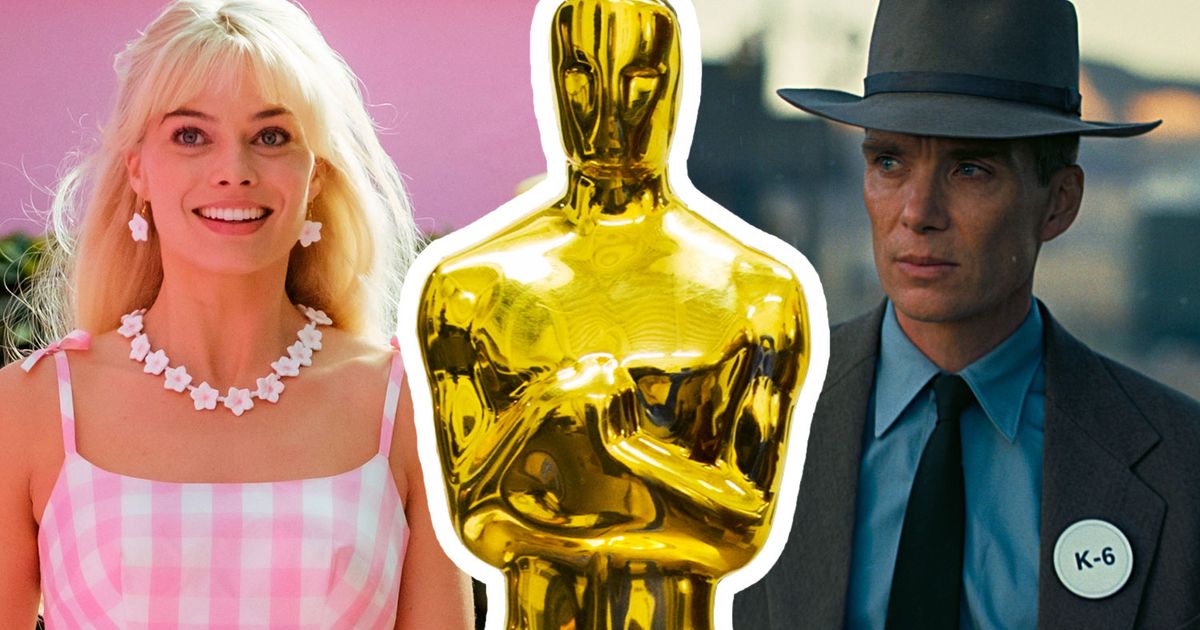
One of the most significant awards Barbie received across various ceremonies (including the Critics’ Choice and BAFTAs) was for Production Design and Costume Design. From a branding perspective, these wins are a testament to the power of a cohesive visual identity.
Production Design as a Branding Tool
The “Barbieland” set was more than a movie backdrop; it was a physical manifestation of the brand’s visual guidelines. The use of specific shades of pink—famously causing a global shortage of Rosco fluorescent paint—reinforced the brand’s “ownership” of the color. In branding, visual consistency is paramount. By winning awards for its visual world, Barbie solidified its aesthetic as a premium, recognizable asset that transcends the screen and translates directly to retail environments.
The Power of Color Psychology: Owning “Barbie Pink”
The decision to use a specific, vibrant palette was a psychological play to evoke nostalgia while feeling modern. The awards for costume and production design highlight how a brand can use color to build an emotional bridge with its audience. When people see that specific shade of pink, they no longer just think of a toy; they think of the award-winning, high-quality production of the film. This “halo effect” increases the brand’s equity, making any product associated with that color feel more valuable.
4. Narrative Branding: Using Storytelling to Secure Critical Acclaim
At the 96th Academy Awards, the film won “Best Original Song” for Billie Eilish’s “What Was I Made For?” while receiving nominations for Best Picture and Best Adapted Screenplay. These honors speak to the power of narrative branding—the ability to tell a story that resonates on a human level.
Deconstructing the “I’m Just Ken” and “What Was I Made For?” Success
Music is a potent branding tool. The success of the Barbie soundtrack, which won multiple Grammys and an Oscar, provided a secondary layer of brand engagement. “I’m Just Ken” became a viral sensation, while “What Was I Made For?” provided the emotional heartbeat of the campaign. These songs served as “brand anthems,” articulating the film’s themes of identity and existentialism. Winning awards in music categories allowed Barbie to penetrate the music industry, further expanding its brand footprint.
Lessons in Emotional Branding and Audience Connection
The nominations for screenplay and acting (specifically for Ryan Gosling and America Ferrera) highlight the brand’s move into “emotional branding.” By creating characters with depth and flaws, Mattel humanized its products. The awards and nominations prove that the audience didn’t just see a commercial for a doll; they saw themselves. This emotional connection is the ultimate goal of any brand strategy, as it fosters long-term loyalty and shifts the brand from being a “commodity” to a “companion.”
5. The Financial Ripple Effect: How Awards Influence Brand Equity
The awards won by Barbie have a direct impact on Mattel’s bottom line and future brand strategy. In the world of business and brand management, awards are not just vanity metrics; they are catalysts for financial growth and market stability.
Increasing the Value of the Mattel Cinematic Universe
The success of Barbie has cleared the path for dozens of other Mattel-owned IPs (such as Hot Wheels, Polly Pocket, and Barney) to be developed into films. The awards won by Barbie act as a proof of concept. They signal to studios, directors, and top-tier talent that working with Mattel brands is a path to critical and commercial success. This increases the licensing value of Mattel’s entire portfolio, creating a “brand ecosystem” where the success of one product elevates the others.
Long-Term ROI of a Narrative-First Strategy
The investment in a high-budget, auteur-driven film was a risk for Mattel. However, the subsequent awards and the $1.4 billion box office return demonstrate a massive Return on Investment (ROI). Beyond the immediate revenue, the “Barbie” brand has seen a significant lift in stock value and retail sales. The awards provide a lasting legacy that will influence Barbie sales for decades, proving that a narrative-first brand strategy—backed by award-winning execution—is the most effective way to future-proof a legacy brand.

Conclusion: The Award-Winning Future of Branding
So, what award did Barbie win? It won the Golden Globe for Cinematic and Box Office Achievement, the Oscar for Best Original Song, and dozens of accolades for design, acting, and music. But more importantly, it won the battle for brand relevance in the 21st century.
Through a combination of strategic IP management, a revolutionary marketing campaign, and a commitment to visual and narrative excellence, Barbie transformed from a stagnant toy line into an award-winning cultural powerhouse. For brand managers and corporate leaders, the lesson is clear: when you invest in high-quality storytelling and stay true to a cohesive visual identity, the world (and the award academies) will take notice. Barbie’s trophy shelf is now a testament to the fact that with the right strategy, any brand can be “Ken-ough” to conquer the world.
aViewFromTheCave is a participant in the Amazon Services LLC Associates Program, an affiliate advertising program designed to provide a means for sites to earn advertising fees by advertising and linking to Amazon.com. Amazon, the Amazon logo, AmazonSupply, and the AmazonSupply logo are trademarks of Amazon.com, Inc. or its affiliates. As an Amazon Associate we earn affiliate commissions from qualifying purchases.