
The question “What are your hobbies?” might seem deceptively simple, often posed in casual conversation or as an icebreaker. However, when viewed through the lens of personal branding and professional development, this seemingly innocuous inquiry reveals a powerful opportunity. Hobbies are not merely time-fillers; they are extensions of our personalities, indicators of our curiosity, and often, unacknowledged assets in our professional lives. In today’s increasingly interconnected and competitive landscape, understanding and articulating your hobbies effectively can significantly enhance your personal brand, open doors to new opportunities, and foster deeper, more meaningful professional relationships.
This exploration delves into the strategic importance of hobbies within the realm of personal branding. We will uncover how cultivating and communicating your passions can differentiate you, showcase valuable transferable skills, and ultimately, build a more compelling and authentic professional identity.
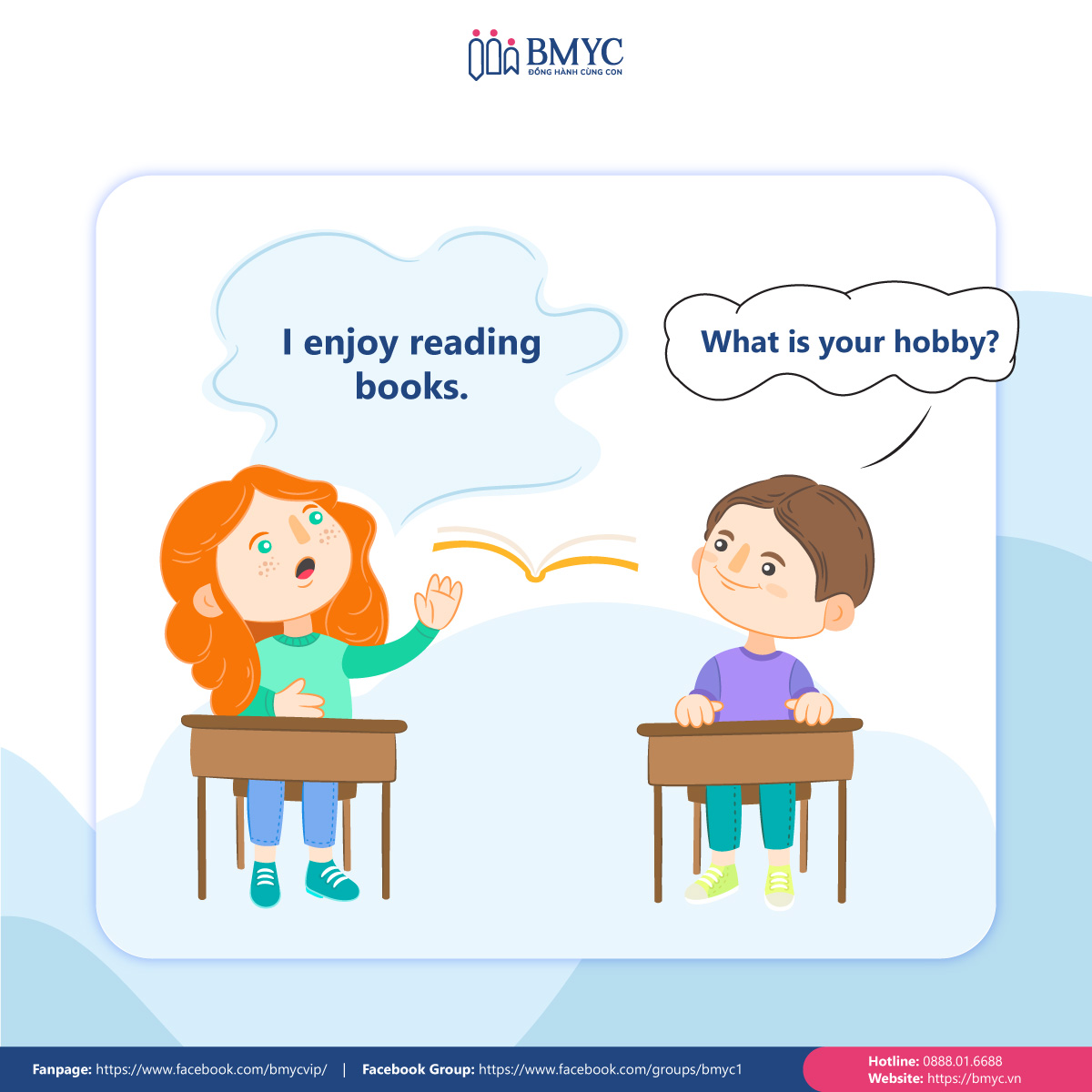
The Strategic Power of Passion: Beyond the Pastime
Hobbies, when strategically considered, transcend simple leisure activities. They represent areas of genuine interest that often lead to the acquisition of skills, knowledge, and unique perspectives that can be invaluable in a professional context. The modern professional is no longer expected to be a one-dimensional specialist; rather, a well-rounded individual with diverse interests and experiences is often more adaptable, innovative, and relatable.
Identifying Your Unique Value Proposition Through Hobbies
Your hobbies are fertile ground for identifying your unique value proposition. What do you gravitate towards in your free time? Do you spend hours meticulously building intricate models? This could suggest an aptitude for detail, patience, and spatial reasoning. Are you an avid reader of historical non-fiction? This might indicate a strong analytical mind, a capacity for deep research, and an understanding of cause and effect. Perhaps you are deeply involved in amateur astronomy, which points to a fascination with complex systems, a long-term perspective, and a scientific inclination.
These inherent qualities, honed through dedicated practice and personal investment in your hobbies, are directly transferable to professional settings. A hobbyist who excels at coding personal projects demonstrates problem-solving abilities and a command of digital tools. An individual who leads a local hiking group showcases leadership, organizational skills, and the ability to motivate others. The key is to recognize these latent professional attributes and learn how to articulate them effectively.
Hobbies as Skill Development Arenas
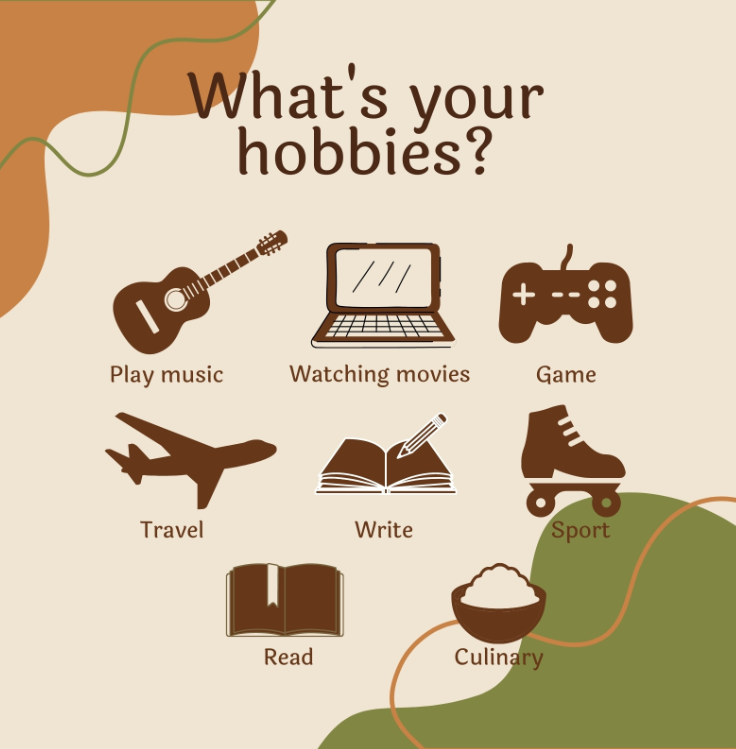
Many hobbies function as informal learning environments. Consider the individual who learns to play a musical instrument. Beyond the aesthetic enjoyment, this pursuit cultivates discipline, pattern recognition, fine motor skills, and the ability to interpret complex notation. These are all skills that can translate to fields requiring precision, analytical thinking, or even strategic planning. Similarly, the person who engages in competitive gaming develops rapid decision-making capabilities, strategic thinking, teamwork under pressure, and an understanding of complex digital environments – skills highly sought after in many tech-related industries.
The commitment required to master a hobby often mirrors the dedication needed for professional growth. The process of learning, practicing, failing, and refining is universal. By framing your hobby experience as a journey of skill development, you can present yourself as a proactive learner and a persistent individual, qualities that are universally admired by employers and collaborators.
Showcasing Personality and Cultural Fit
In an era where company culture is increasingly prioritized, hobbies offer a glimpse into your personality, values, and potential cultural fit. Knowing that a candidate volunteers at an animal shelter might suggest compassion and a dedication to community. Discovering a passion for photography could indicate an eye for detail and creativity. These are not just superficial details; they contribute to a holistic understanding of who you are beyond your resume.
When asked about your hobbies, consider how they reflect your core values and your approach to life. Do your hobbies involve collaboration? This suggests you are a team player. Are they individual pursuits that require self-motivation? This highlights your independence. By strategically sharing your hobbies, you can communicate who you are as a person, making yourself more relatable and memorable. This can be particularly impactful in interviews and networking situations, helping you forge genuine connections.
The Art of Articulation: Translating Passion into Professional Language
Simply listing your hobbies is not enough. The true power lies in your ability to articulate them in a way that resonates with a professional audience. This involves understanding the context in which you are sharing this information and tailoring your message accordingly.
Crafting Your “Hobby Elevator Pitch”
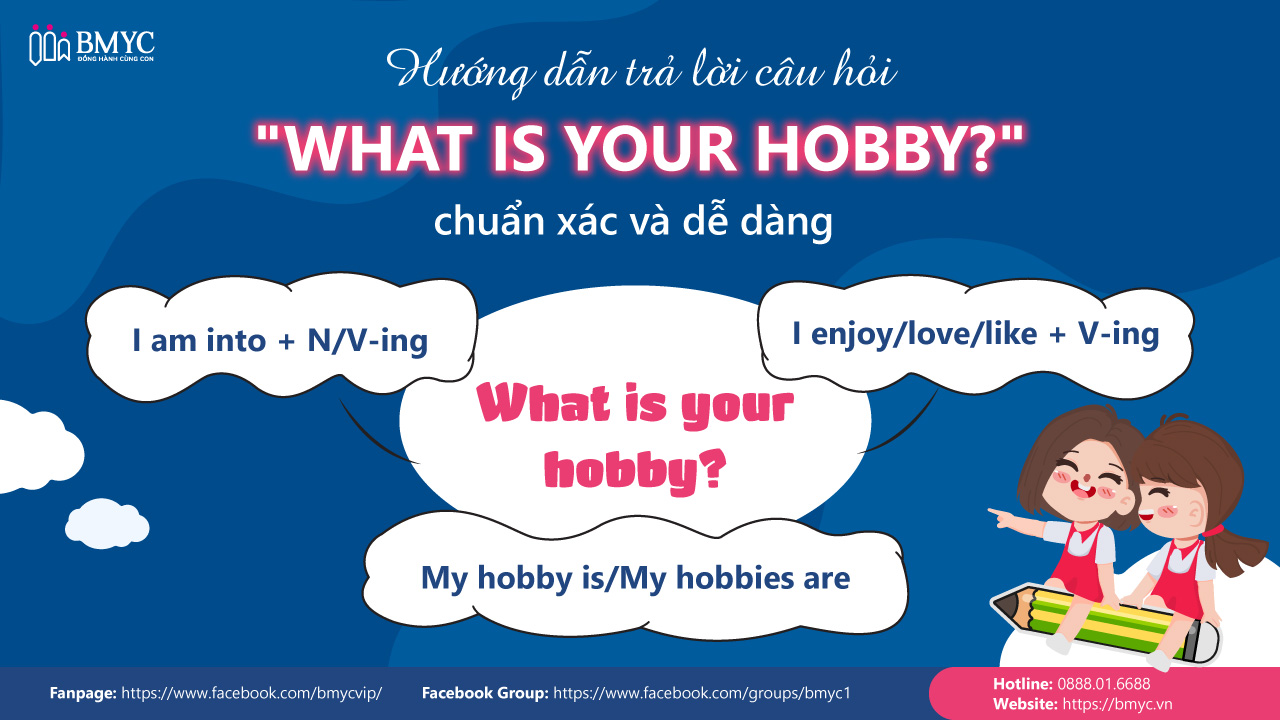
Imagine being asked about your hobbies during a networking event or a job interview. Your response should be concise, engaging, and professionally relevant. This is where your “hobby elevator pitch” comes into play. Instead of saying, “I like to play video games,” consider framing it as: “In my free time, I enjoy engaging in strategy-based video games. This has really honed my ability to think several steps ahead, anticipate potential challenges, and adapt my plans on the fly – skills that are incredibly useful when tackling complex project management tasks.”
The key is to connect the activities and skills developed through your hobby to tangible professional benefits. Think about the underlying abilities: problem-solving, strategic thinking, teamwork, communication, creativity, patience, discipline, and leadership. Identify which of these are most relevant to the professional context you are in.
Demonstrating Transferable Skills Through Anecdotes
Specific anecdotes can bring your hobbies to life and provide concrete evidence of your skills. For example, if your hobby is cooking or baking, you might share a story about a time you had to improvise a dish with limited ingredients. This highlights your resourcefulness, problem-solving skills, and ability to think under pressure. If you’re involved in amateur theatre, you could describe how you learned to project your voice and engage an audience, demonstrating public speaking and communication skills.
These stories serve as mini case studies of your personal capabilities. They make your skills tangible and believable, rather than just abstract claims on a resume. They also showcase your ability to learn, adapt, and overcome challenges, all of which are crucial for professional success.
Leveraging Hobbies for Networking and Relationship Building
Your hobbies can be powerful tools for expanding your professional network and building rapport. Shared interests create natural points of connection and conversation. Attending industry-specific meetups that align with your hobbies, or even general interest groups, can lead to unexpected professional opportunities. For instance, a shared passion for photography might lead to connections with designers, marketers, or event planners. A hobby in coding could lead to discussions with software developers or tech entrepreneurs.
When you engage in conversations about your hobbies, remember to listen actively to others’ interests as well. This reciprocity fosters genuine connection and demonstrates your interpersonal skills. Furthermore, sharing your hobbies can make you more approachable and memorable, increasing the likelihood of others thinking of you when opportunities arise.
The Digital Canvas: Showcasing Your Hobbies Online
In today’s digital age, your online presence is an extension of your personal brand. Strategically showcasing your hobbies online can amplify their impact and reach a wider audience.
Optimizing Your LinkedIn Profile
Your LinkedIn profile is a prime location to highlight your hobbies. Beyond the “Interests” section, consider weaving references to your passions into your “About” section, your experience descriptions (where relevant), and even in project portfolios. If your hobby involves creating content, such as writing blog posts about a particular niche or showcasing photography, create a dedicated section or link to it.
For example, if you’re a software developer with a passion for open-source contributions, prominently feature your GitHub profile. If you’re a marketer who enjoys graphic design, showcase a portfolio of your personal design projects. The goal is to integrate your hobbies seamlessly into your professional narrative, demonstrating a well-rounded and dynamic individual.
Content Creation as a Brand-Building Exercise
Engaging in content creation related to your hobbies can significantly boost your personal brand. This could involve writing blog posts, creating video tutorials, starting a podcast, or sharing insights on social media platforms. For instance, a financial advisor who is passionate about personal finance can write articles on budgeting for young professionals. A project manager with a love for crafting can share DIY project tutorials, demonstrating their organizational and step-by-step planning abilities.
This type of content not only showcases your expertise and passion but also establishes you as a thought leader within your chosen niche. It provides tangible evidence of your skills, your willingness to share knowledge, and your dedication to your interests. This can attract like-minded individuals, potential collaborators, and even future employers.
Social Media Etiquette for Hobbyists
While social media offers a fantastic platform to share your passions, it’s crucial to maintain professional etiquette. Be mindful of what you post and how it might be perceived by potential employers or professional contacts. While it’s important to be authentic, consider the potential implications of sharing overly personal or controversial content. Focus on showcasing the positive aspects of your hobbies that demonstrate valuable skills and personality traits.
Think of your social media as a curated portfolio. Highlight the achievements, learnings, and positive experiences associated with your hobbies. Engage respectfully with others, and use these platforms to build a professional community around your interests. By being strategic and thoughtful, your online presence can become a powerful asset in your personal branding journey.
Conclusion: Hobbies as the Architects of Authentic Professional Identity
In conclusion, the question “What are your hobbies?” is far more than a conversational prompt; it is an invitation to reveal the depth and breadth of your capabilities, personality, and potential. By recognizing the strategic power of your passions, mastering the art of articulating their professional relevance, and leveraging the digital landscape to showcase them, you can construct a personal brand that is not only compelling but also profoundly authentic.
Hobbies are not distractions from professional life; they are integral components that enrich it. They offer unique arenas for skill development, serve as powerful differentiators, and foster genuine connections. In a world that increasingly values well-rounded individuals, embracing and articulating your hobbies is not just beneficial – it is essential for building a robust, memorable, and ultimately, successful personal brand. Make your passions work for you, and watch your professional identity flourish.
aViewFromTheCave is a participant in the Amazon Services LLC Associates Program, an affiliate advertising program designed to provide a means for sites to earn advertising fees by advertising and linking to Amazon.com. Amazon, the Amazon logo, AmazonSupply, and the AmazonSupply logo are trademarks of Amazon.com, Inc. or its affiliates. As an Amazon Associate we earn affiliate commissions from qualifying purchases.