
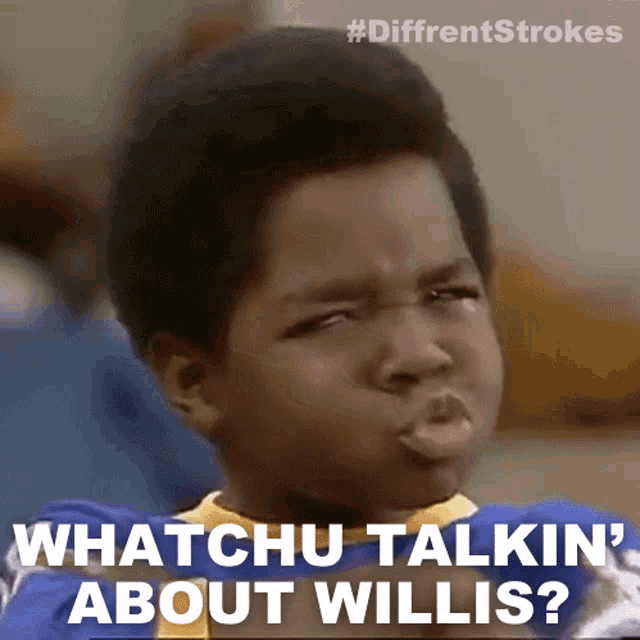
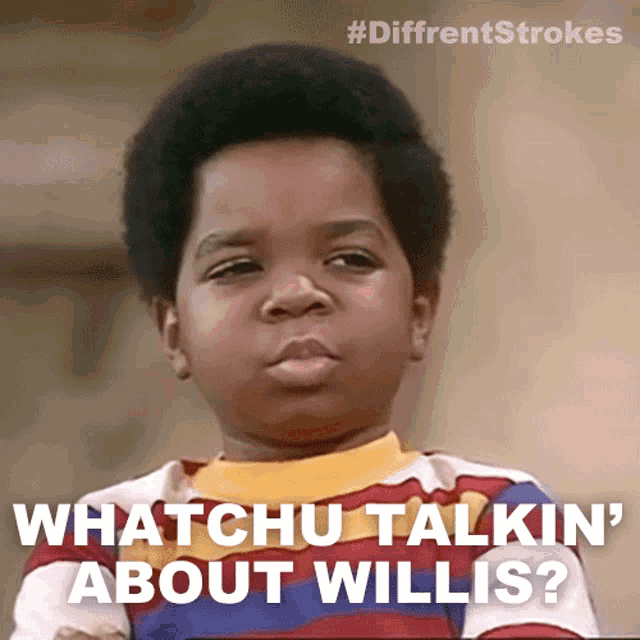
The phrase “What you talkin’ ’bout, Willis?” is more than just a memorable line from a classic sitcom; it’s a cultural touchstone that has transcended its origins to become a ubiquitous internet meme. For marketers and brand strategists, the enduring popularity and adaptability of such phenomena offer profound insights into effective communication, audience engagement, and the delicate art of crafting a recognizable brand voice. Understanding how a seemingly simple phrase can maintain relevance for decades, evolving from a television catchphrase to a digital shorthand for confusion, skepticism, or playful dismissal, provides a compelling case study in the power of cultural context and shared understanding in branding.

The Enduring Power of Cultural Shorthand in Branding
In the crowded digital landscape, where attention spans are fleeting and information overload is the norm, brands constantly seek ways to cut through the noise. Cultural shorthands, like the “What you talkin’ ’bout, Willis?” meme, offer an incredibly potent mechanism for achieving this. They represent a shared language, a communal understanding that allows for instant connection and the efficient communication of complex ideas or emotions.
From Sitcom Catchphrase to Digital Phenomenon
Originating from the 1970s and 80s American sitcom Diff’rent Strokes, uttered by the character Arnold Jackson (played by Gary Coleman) to his brother Willis, the phrase became an iconic part of pop culture. Its original context was usually Arnold’s bewildered response to Willis’s often convoluted or mature ideas. This inherent sense of playful bewilderment, slightly exasperated but ultimately endearing, became the meme’s emotional core.
Fast forward to the internet age, and this specific emotional nuance found fertile ground. The phrase, often accompanied by a still image of Coleman’s character, was perfectly suited to express incredulity, confusion, or a humorous dismissal of an absurd statement in online forums, social media, and comment sections. Its brevity, distinctiveness, and immediate recognition ensured its viral spread, cementing its place as a digital communication staple long after its television run concluded.
The Anatomy of a Brand-Relevant Meme
What makes a meme like “What you talkin’ ’bout, Willis?” particularly relevant for branding?
Firstly, its universality. While rooted in American culture, the emotion it conveys – mild confusion or disbelief – is globally understood. Secondly, its adaptability. It can be applied to a myriad of situations, from personal anecdotes to political commentary, and crucially, to brand messaging. Thirdly, its nostalgia factor. For a significant demographic, it evokes positive memories, fostering a sense of warmth and familiarity. Lastly, its conciseness. In an era of short-form content, a meme provides an entire emotional narrative in a single, digestible package. Brands that can tap into such universally understood, emotionally resonant, and concise cultural artifacts gain an almost unfair advantage in communicating their message.
Leveraging Nostalgia and Recognizability in Marketing
The strategic deployment of established memes offers brands a unique pathway to connect with audiences, particularly those who share a collective cultural memory. The “Willis” meme, for instance, doesn’t just convey a specific emotion; it carries layers of cultural baggage and nostalgic sentiment that can be powerful assets in a brand’s communication arsenal.
Tapping into Shared Cultural Memory
When a brand uses a meme like “What you talkin’ ’bout, Willis?”, it’s not just borrowing a phrase; it’s borrowing a piece of collective cultural memory. This immediately establishes a common ground with the audience. For consumers who grew up with Diff’rent Strokes, the meme can evoke a sense of shared experience, nostalgia, and even lightheartedness. This emotional resonance is invaluable. It helps humanize the brand, making it appear more relatable and less like a sterile corporate entity.
This strategy is particularly effective for brands targeting demographics that would recognize the meme. It signals that the brand is ‘in the know,’ understands their audience’s cultural landscape, and speaks their language. This can significantly enhance engagement rates, improve brand recall, and foster a sense of community around the brand. However, this also highlights the critical need for audience research – a meme that resonates with one demographic might alienate or be completely lost on another.
Authenticity Versus Appropriation
The line between authentic engagement and cynical appropriation is fine when it comes to meme marketing. Brands must approach the use of cultural artifacts like the “Willis” meme with genuine understanding and respect for its context. Inauthenticity is quickly detected by digitally savvy audiences and can lead to backlash, damaging brand reputation rather than enhancing it.
To maintain authenticity, brands should:
- Understand the Meme’s Nuance: Grasp the exact sentiment, humor, and implicit meanings associated with the meme. Misusing it can make the brand seem out of touch.
- Align with Brand Voice: Ensure the meme’s tone and message complement the brand’s established voice and values. A luxury brand using a meme colloquially might clash with its sophisticated image, for example.
- Integrate Organically: Memes should feel like a natural part of the conversation, not forced or tacked on. They work best when they genuinely add value or humor to the message.
- Be Timely and Relevant: While the “Willis” meme is enduring, some memes are fleeting. Brands need to stay current without chasing every trend indiscriminately.
When executed authentically, leveraging a cultural touchstone like “What you talkin’ ’bout, Willis?” can make a brand feel current, witty, and deeply connected to its audience.
Strategic Integration: When and How Brands Use Memes
Integrating memes into a brand’s marketing strategy is a nuanced process that requires careful consideration. It’s not simply about dropping a popular phrase into a tweet; it’s about strategic alignment with overall brand objectives and audience expectations.
Understanding Your Audience and the Meme’s Context
Before deploying any meme, brands must undertake thorough audience analysis. Who are they trying to reach? What are their cultural references? Will they understand the meme’s specific context and humor? For the “Willis” meme, its primary audience is likely those who have a nostalgic connection to 70s and 80s pop culture, or younger demographics who have adopted it through its pervasive internet usage. A brand targeting Gen Z exclusively might find this meme less impactful than one targeting a broader millennial and Gen X audience, unless the Gen Z audience has specifically re-appropriated it.
Beyond audience, understanding the meme’s historical and current usage is crucial. The “Willis” meme primarily conveys bewilderment or gentle skepticism. Brands should use it in situations where they genuinely want to express a relatable moment of confusion, question a status quo playfully, or even poke fun at their own product’s complexity in a self-deprecating way. For instance, a tech company launching a revolutionary but hard-to-grasp feature might humorously caption a tutorial with the meme, acknowledging the user’s potential initial confusion before offering clarity.
Risks and Rewards: Navigating Meme Marketing
The rewards of effective meme marketing are significant: increased engagement, virality, improved brand perception, and deeper audience connection. However, the risks are equally substantial.
Risks include:
- Misinterpretation: The meme’s intended meaning might not be understood, or it might be perceived differently than intended, leading to confusion or offense.
- Irrelevance: Using an outdated meme or one that doesn’t resonate with the target audience can make a brand appear out of touch.
- Offense: Some memes have problematic origins or associations. While “Willis” is generally benign, brands must always check for hidden negative connotations.
- Legal Issues: While memes are often public domain in practice, using specific images or likenesses without permission can pose legal risks, especially for commercial purposes.
- Diminished Brand Authority: Overuse or misuse of memes can make a brand seem unserious or desperate for attention, eroding trust and authority.
To mitigate these risks, brands should employ a dedicated social media and content team with a strong pulse on internet culture, robust content review processes, and a clear understanding of brand guidelines for tone and voice. When done right, the reward is a dynamic, relatable brand that effectively engages its audience on a deeply cultural level.
Beyond Virality: Building Brand Equity Through Relatability
Ultimately, the goal of incorporating cultural phenomena like the “What you talkin’ ’bout, Willis?” meme into a branding strategy extends beyond mere virality or fleeting attention. It’s about building lasting brand equity through sustained relatability and a nuanced understanding of the human element in communication.
Brands that successfully leverage memes don’t just go viral; they foster an ongoing dialogue with their audience. By speaking in a language that resonates culturally, they demonstrate empathy, humor, and a shared perspective. This cultivates loyalty, encouraging customers to feel understood and valued. When a brand can consistently evoke a smile, a nod of recognition, or a sense of shared amusement through its content, it moves beyond transactional interactions to build an emotional connection. This emotional connection is the bedrock of strong brand equity, leading to greater customer retention, advocacy, and a more robust brand identity in the long term. The “Willis” meme, in its simple yet profound ability to capture a universal human experience, offers a timeless lesson in how cultural insight can fuel powerful, relatable, and enduring brand communication.
aViewFromTheCave is a participant in the Amazon Services LLC Associates Program, an affiliate advertising program designed to provide a means for sites to earn advertising fees by advertising and linking to Amazon.com. Amazon, the Amazon logo, AmazonSupply, and the AmazonSupply logo are trademarks of Amazon.com, Inc. or its affiliates. As an Amazon Associate we earn affiliate commissions from qualifying purchases.