
The turn of the year is a powerful moment, a collective exhale and inhale as humanity pivots from the past into the future. More than just a calendar flip, New Year’s is a deeply ingrained cultural phenomenon, a mosaic of rituals and traditions that bind communities and families together. At the heart of many of these celebrations lies a question, seemingly simple yet profoundly complex: “What are you supposed to eat for New Year’s?” This isn’t merely about satisfying hunger; it’s about engaging with a potent form of cultural branding, where specific foods are imbued with symbolic meaning, marketing messages, and historical narratives that reinforce identity, foster hope, and drive economic activity.
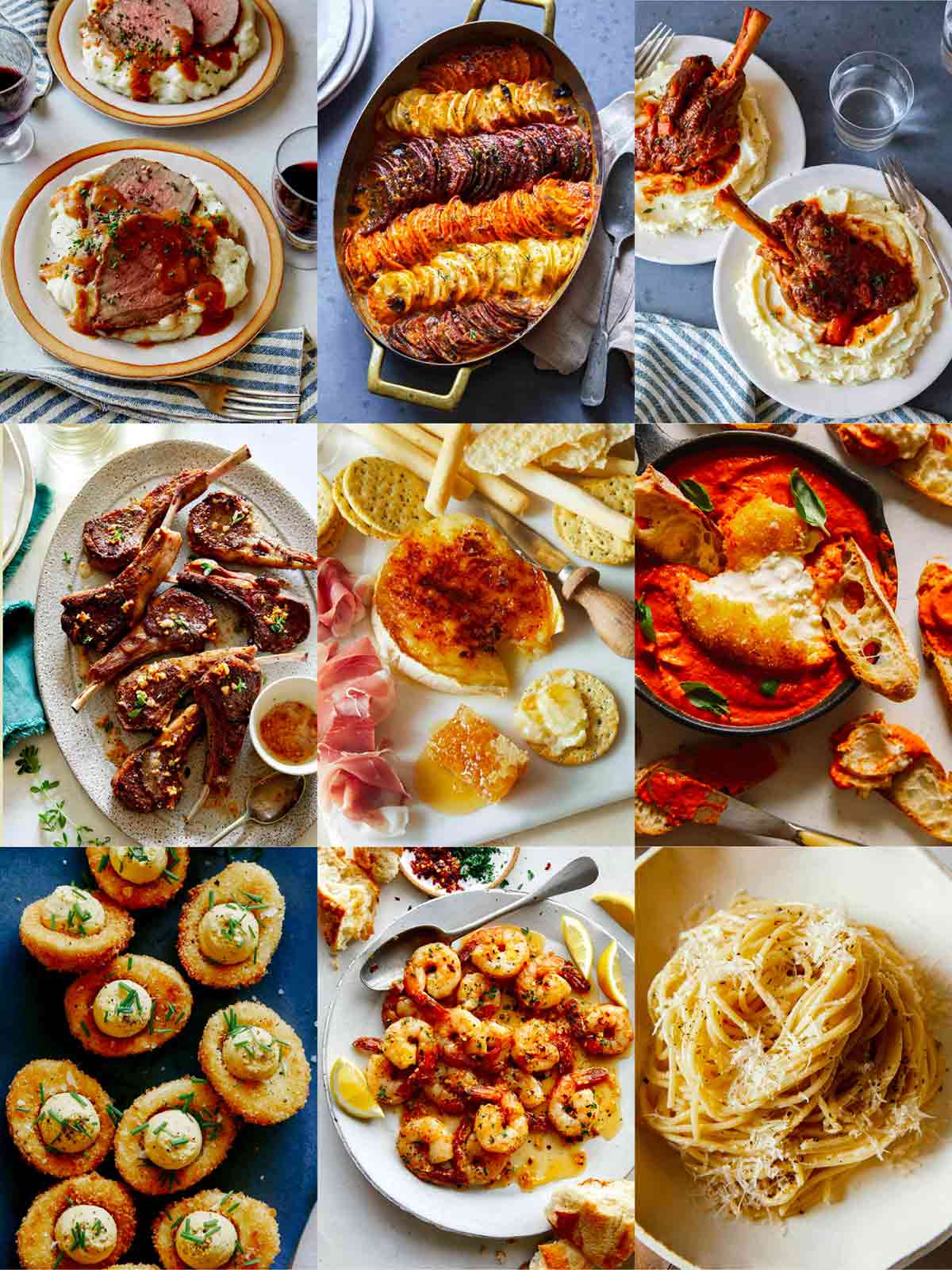
The concept of “supposed to eat” implies an expectation, a tacit agreement within a cultural group about what constitutes appropriate celebratory fare. These expectations are not accidental; they are the result of centuries of tradition, storytelling, and, increasingly, deliberate marketing efforts. From the humble lentil to the elaborate multi-course meal, New Year’s foods function as powerful brand signifiers, acting as edible emblems of good luck, prosperity, longevity, and health for the year ahead. Understanding these traditions reveals how food becomes a vehicle for cultural messaging, solidifying collective identities and influencing consumer behavior on a grand scale.
The Symbolic Language of New Year’s Cuisine: A Brand Narrative of Hope and Prosperity
New Year’s foods are not selected at random. Each dish, ingredient, and even the way it’s prepared carries a distinct symbolic weight, meticulously crafted over generations to convey specific aspirations. These symbolic narratives function like brand stories, resonating with consumers on an emotional level and encouraging the adoption of these culinary traditions. The underlying message is consistently one of optimism and a desire for a better future, making these foods potent cultural brands that transcend borders.
Round Foods: The Emblem of Abundance and Continuity
In many cultures, round foods are paramount for New Year’s celebrations, representing a cyclical continuation and the promise of financial abundance. Think of the “Twelve Grapes” in Spain and Portugal, where participants eat a grape for each stroke of midnight, symbolizing good luck for each month of the coming year. This tradition, while seemingly spontaneous, has become a powerful national brand, instantly recognizable and eagerly anticipated. The circularity of the grapes mirrors the cyclical nature of time and the unending flow of good fortune.
Similarly, pancakes and crêpes, with their inherent round shape, are a popular choice in various European countries. In France, for instance, making and flipping crêpes on New Year’s Day is a tradition believed to bring good luck and prosperity throughout the year. The visual of a perfectly round pancake is a direct metaphor for a full purse or a bountiful harvest. This symbolism is amplified by the act of flipping the crêpe, often with a coin in the hand, further cementing the association with wealth. The branding here is sophisticated; the roundness itself becomes a visual keyword for prosperity.
Legumes: The Currency of Good Fortune
Legumes, particularly lentils and beans, are another staple in the New Year’s culinary lexicon, especially in Italy and parts of Latin America. The resemblance of lentils to coins is the primary driver of this tradition. Consuming lentils on New Year’s Eve or Day is believed to attract wealth and financial prosperity in the coming year. The humble lentil transforms into a powerful symbol of financial growth, a tangible representation of the wish for a “rich” year.
The “Cotechino con Lenticchie” in Italy is a prime example of this branded culinary tradition. The hearty, slow-cooked sausage (cotechino) paired with lentils is more than just a meal; it’s a potent brand promise of abundance and good fortune. The richness of the sausage symbolizes a full and satisfying life, while the lentils directly represent monetary gain. This dish has become a national New Year’s brand, its consumption deeply intertwined with cultural identity and aspirational desires. The narrative is simple but effective: eat these specific foods, and your year will be prosperous.
Greens: The Color of Cash
The color green, universally associated with money and growth, also plays a significant role in New Year’s eating habits. Dishes featuring leafy greens, such as collard greens, kale, or spinach, are consumed in the hope of financial prosperity. The logic is straightforward: the more leaves you eat, the more money you will have. This visual metaphor is so potent that it has become a widespread tradition across various cultures, particularly in the Southern United States.
In the American South, collard greens are a quintessential New Year’s Day dish. Often served alongside pork (another symbol of good luck in some traditions), the greens are meticulously prepared, symbolizing the hope for a year filled with financial “greens.” This culinary tradition is a powerful example of how a simple color association can be amplified into a deeply ingrained cultural practice, a brand that signals a specific aspiration. The branding isn’t just about the food; it’s about the collective act of consuming it with a shared intention.
Historical Roots and Cultural Reinforcement: Building Enduring Food Brands

The New Year’s food traditions we observe today are not ephemeral trends; they are the result of centuries of cultural reinforcement, often tied to historical events, religious beliefs, and evolving societal values. These deep roots give these culinary practices their enduring power and transform them into recognizable and trusted cultural brands.
Ancient Omens and Modern Marketing: The Evolution of Tradition
Many New Year’s food traditions can be traced back to ancient practices aimed at warding off evil spirits, appeasing deities, or simply ensuring a favorable start to the agricultural year. For example, the Roman festival of Saturnalia, celebrated in late December, involved feasting and gift-giving, setting a precedent for celebratory meals at the year’s end. Over time, these ancient omens and rituals have been adapted and transformed, often through storytelling and oral tradition, solidifying their place in the cultural consciousness.
As societies industrialized and globalized, these traditions also became subject to commercialization. Food manufacturers and marketers recognized the power of these deeply held beliefs and began to actively promote specific foods as New Year’s essentials. Think of the ubiquitous presence of “lucky” food items in supermarkets around the holiday season. This is a clear case of brand leveraging tradition for commercial gain. While the authenticity of the tradition might be debated, its effectiveness as a brand narrative remains undeniable. The marketing of specific products as “New Year’s must-haves” reinforces their status as culturally significant items, further embedding them in the collective identity.
National Identity and Familial Bonds: The Brand of Belonging
New Year’s food traditions are powerful tools for reinforcing national and familial identities. The act of preparing and sharing these specific dishes creates a sense of belonging and continuity. For individuals living abroad, these foods can serve as a poignant reminder of their heritage and a way to connect with their cultural roots. The taste, smell, and shared experience become potent sensory markers of identity, akin to a personal brand that connects them to their origins.
Consider the Vietnamese tradition of eating Bánh Chưng (sticky rice cakes) during Tết (Vietnamese Lunar New Year). These square or round cakes, often filled with mung beans and pork, are a central symbol of the holiday. Their preparation is a communal activity, and their consumption signifies gratitude to ancestors and a wish for prosperity. Bánh Chưng is more than just a food; it’s a brand that embodies Vietnamese culture, history, and family values. Similarly, the diverse array of foods consumed during celebrations worldwide – from black-eyed peas in the US to dumplings in China – all serve as culinary brand ambassadors for their respective cultures. They are the tangible embodiment of shared beliefs and collective aspirations, solidifying a sense of unity and belonging.
The Global Brand Appeal of New Year’s Foods: Marketing Dreams of a Better Tomorrow
The global appeal of New Year’s foods lies in their shared human desire for a fresh start and a brighter future. While the specific dishes may vary, the underlying message of hope, prosperity, and good fortune is universal. This universality allows these food traditions to transcend cultural boundaries and become globally recognized brands of aspiration.
From Local Rituals to Global Food Brands: The Power of Transnational Narratives
Many New Year’s food traditions, originally rooted in specific localities, have gained global recognition through migration, media, and the internet. The stories associated with these foods travel with people, and the internet provides a platform for these narratives to be shared and adopted by new audiences. This creates a form of transnational food branding, where a dish’s symbolic meaning can resonate across diverse populations.
For example, the tradition of eating pork for good luck, prevalent in several European cultures and adopted in various forms globally, is a testament to this. The association of pork with abundance and prosperity, often linked to pigs being seen as fattening animals and their ability to root for food, has made it a widely recognized symbol. While the specific preparations differ – from pork roasts to cured meats – the underlying brand message of good fortune remains consistent. This global spread signifies the power of simple, resonant symbols to build a recognizable brand across diverse cultural landscapes.

The Economic Impact of Festive Feasting: Brands Driving Consumer Behavior
The symbolic power of New Year’s foods also translates into significant economic impact. The demand for specific ingredients and dishes surges around the holiday, creating lucrative opportunities for food businesses. From specialty grocery stores to restaurants offering New Year’s Eve menus, the culinary landscape becomes a vibrant marketplace driven by the branded expectations of consumers.
The marketing surrounding these foods often plays on the desire to secure good luck and prosperity for the coming year. Advertisements might feature families joyfully sharing a specific meal, reinforcing the idea that consuming these items is essential for a successful start to the year. This is a masterful application of brand marketing, where the product is not just sold for its taste or nutritional value, but for its perceived ability to influence future outcomes. The success of these branded food traditions highlights how deeply intertwined our aspirations are with our culinary choices, making New Year’s a powerful testament to the enduring influence of culturally branded foods. These edible promises are, in essence, the brands we choose to believe in for a better tomorrow.
aViewFromTheCave is a participant in the Amazon Services LLC Associates Program, an affiliate advertising program designed to provide a means for sites to earn advertising fees by advertising and linking to Amazon.com. Amazon, the Amazon logo, AmazonSupply, and the AmazonSupply logo are trademarks of Amazon.com, Inc. or its affiliates. As an Amazon Associate we earn affiliate commissions from qualifying purchases.