
In the contemporary era of travel, the average passenger is no longer just carrying a suitcase of clothes; they are transporting a mobile command center. From high-capacity power banks and professional-grade drones to “smart” luggage and sophisticated digital storage devices, our carry-ons are more technologically dense than ever before. However, the intersection of rapid technological advancement and stringent aviation safety protocols has created a complex landscape of regulations.
Understanding what technology is—and isn’t—allowed on a plane is no longer just about avoiding a minor inconvenience at security. It is about protecting expensive equipment, ensuring the safety of the aircraft, and navigating the digital security laws of international borders. This guide provides a deep dive into the technical restrictions of modern air travel, focusing on the hardware and software that define the 21st-century traveler.
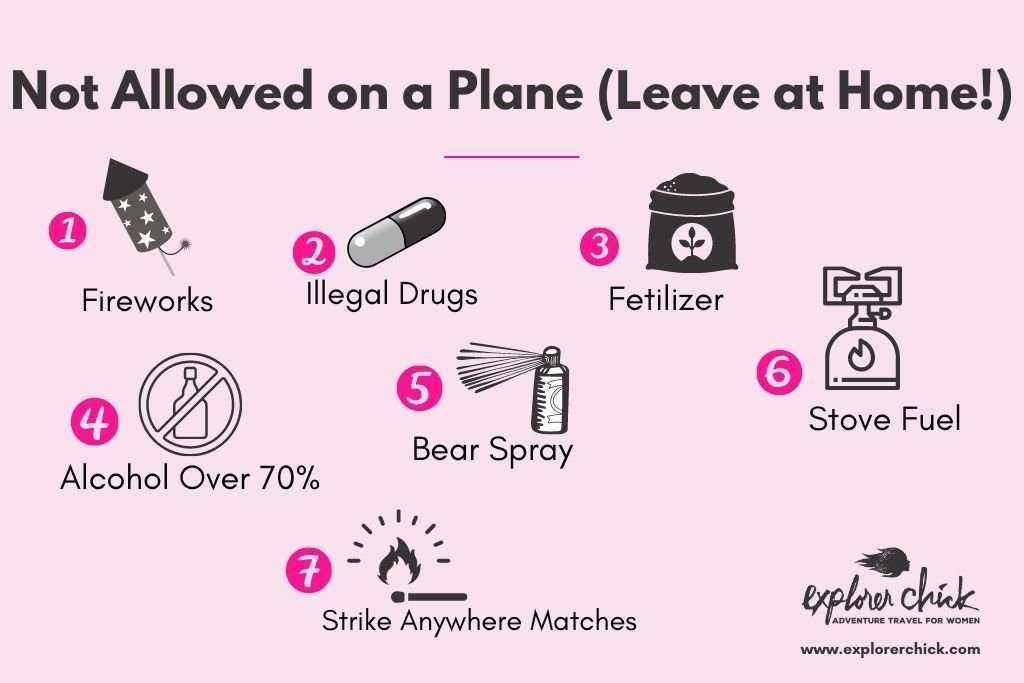
The Lithium-Ion Dilemma: Power Banks and Battery Limits
The most common “forbidden” items in the aviation world today revolve around energy storage. Lithium-ion (Li-ion) batteries are the lifeblood of our tech, powering everything from smartphones to laptops. Yet, because they are prone to “thermal runaway”—a chain reaction where a battery overheats and catches fire—they are subject to some of the strictest regulations in the sky.
Understanding Wh (Watt-hour) Ratings
Aviation authorities, such as the FAA and EASA, do not measure battery capacity in milliampere-hours (mAh), which is the standard consumer metric. Instead, they use Watt-hours (Wh). To calculate this, you multiply the mAh by the voltage (V) and divide by 1,000.
Generally, passengers are allowed to carry batteries up to 100Wh without prior approval. This typically covers smartphones, tablets, and most standard laptops. However, high-performance “power stations” or professional cinematography batteries often exceed this limit. Batteries between 100Wh and 160Wh usually require explicit airline approval, and anything over 160Wh is strictly prohibited on passenger aircraft.
Why Your Spare Batteries Can’t Go in Checked Luggage
One of the most frequent mistakes tech-savvy travelers make is packing spare batteries in their checked bags. Regulations mandate that all spare (uninstalled) lithium batteries must be in carry-on baggage. The logic is simple: if a battery catches fire in the cabin, the crew can use a fire extinguisher or a thermal containment bag to manage it. If a battery ignites in the cargo hold, it may go undetected until it is too late. This rule extends to external power banks, which are classified as spare batteries. If you are forced to gate-check a bag because the overhead bins are full, you must remove your power banks and keep them with you in the cabin.
E-Cigarettes and Vaping Tech
Electronic nicotine delivery systems (ENDS) fall under the same category as high-drain tech gadgets. Due to their heating elements and lithium batteries, they are banned from checked luggage globally. Furthermore, while you can carry them on the plane, the “liquids” (e-liquids) must comply with standard TSA volume limits, and the act of charging these devices is strictly prohibited during the flight to prevent overheating.
Smart Luggage and Integrated Technology
The “smart luggage” revolution promised a future where your suitcase could charge your phone, track itself via GPS, and even follow you through the terminal. However, the tech industry moved faster than aviation safety regulators, leading to a massive crackdown on integrated electronics in 2018 that remains in effect today.
The Removable Battery Mandate
The primary reason a piece of smart luggage might be “not allowed” on a plane is the battery’s installation method. Most airlines now mandate that the battery in a smart suitcase must be removable. If the battery is permanently installed and cannot be taken out, the bag is typically banned from both the cabin and the cargo hold. This is because “smart” bags are often checked at the gate if the flight is full; if the battery isn’t removable, it becomes a fire hazard in the hold.
GPS Trackers and Bluetooth Interference
While low-energy Bluetooth trackers like Apple AirTags or Tile are generally permitted and encouraged for peace of mind, more powerful GPS tracking systems built into older smart bags can be problematic. Devices that utilize cellular data (GSM) to report their location must be capable of entering a “flight mode.” If the suitcase tech cannot disable its cellular transmission, it technically violates regulations regarding radio frequency interference with aircraft navigation systems.
Drones and High-Tech Specialized Equipment

For content creators, photographers, and engineers, traveling with specialized hardware is a necessity. However, drones and high-tech sensors are often flagged because they combine complex electronics, powerful batteries, and specialized optics.
Flying with Your UAV: Regulatory Tech Hurdles
A drone itself is generally allowed in either carry-on or checked baggage. However, the batteries are the sticking point. Most prosumer drones (like the DJI Mavic series) use high-energy-density Intelligent Flight Batteries. Because these are lithium-polymer (LiPo) batteries, they are more volatile than standard Li-ion cells.
Professional drone pilots often use “LiPo bags”—fire-retardant pouches—to store their batteries during transit. While not always legally required, they are highly recommended by tech experts to prevent short circuits. Additionally, some countries have “tech bans” on specific drone brands for security reasons, meaning your hardware might be allowed on the plane but confiscated at your destination’s customs.
High-Powered Lasers and Measuring Tools
Distance measuring tools and high-powered lasers used in engineering are often restricted. Lasers above Class 3R are frequently banned from the cabin because they can be used to distract or temporarily blind pilots. If you are a technician traveling with high-intensity optical equipment, documentation of the device’s wattage and intended use is essential to avoid it being classified as a “prohibited weapon.”
Digital Security and Restricted Software Across Borders
When we ask “what are you not allowed to take on a plane,” we usually think of physical objects. However, in the digital age, the data and software you carry on your laptop or smartphone can be just as problematic as a physical liquid.
Hardware Encryption and Border Inspections
While not a “flight safety” issue in the sense of a fire, certain types of encryption technology are legally restricted in various jurisdictions. Some countries have strict laws regarding the “importation” of strong encryption. If you are a cybersecurity professional carrying hardware-level encryption keys or specialized “penetration testing” gadgets (like Flipper Zero or specialized WiFi pineapples), you may face interrogation or confiscation. In some regions, having these tools in your carry-on is treated with the same severity as carrying a physical lock-picking kit or a weapon.
Prohibited “Spy Tech” and Surveillance Gadgets
Hidden cameras, signal jammers, and high-frequency scanners are often banned by both airlines and international customs. Signal jammers, in particular, are illegal to possess in many countries and are strictly prohibited on aircraft as they can interfere with the plane’s internal communication networks and the cellular connectivity of other passengers.
Future Tech: The Evolution of Airport Scanners
The list of what you are not allowed to take is constantly shifting as the technology used to inspect our bags evolves. We are currently in a transition period where the “tech at the checkpoint” is changing what we can bring through.
CT Scanners and the End of the “3-1-1” Rule
Many major airports are upgrading to Computed Tomography (CT) scanners. These are essentially medical-grade 3D imaging machines for your luggage. This technology allows security officers to rotate a 3D image of your bag, meaning you no longer have to remove your laptop or liquids in some airports. As this tech becomes global, the “hardware” restrictions may loosen, as security will have a clearer view of the internal components of complex gadgets, reducing the “false alarm” rate for dense electronics.
AI-Driven Threat Detection
The next phase of aviation security is the integration of Artificial Intelligence. AI algorithms are being trained to recognize the specific “digital signatures” of prohibited items, from the density of a specific type of lithium battery to the shape of 3D-printed plastic components. As AI tech becomes the gatekeeper, the accuracy of what is identified as “prohibited” will increase, likely leading to more granular rules about custom-built electronics and “maker” projects (like Arduino or Raspberry Pi setups), which can often look like improvised explosive devices to an untrained eye.

Conclusion
Navigating the rules of what you can bring on a plane requires a modern understanding of energy density, radio frequencies, and digital security. For the tech-forward traveler, the “forbidden list” isn’t just about pocket knives and aerosols—it’s about the Watt-hours of your laptop, the removability of your suitcase’s battery, and the encryption on your hard drive. By staying informed on the technical specifications of your gear, you can ensure that your technology serves as an asset to your journey rather than a liability at the security gate.
aViewFromTheCave is a participant in the Amazon Services LLC Associates Program, an affiliate advertising program designed to provide a means for sites to earn advertising fees by advertising and linking to Amazon.com. Amazon, the Amazon logo, AmazonSupply, and the AmazonSupply logo are trademarks of Amazon.com, Inc. or its affiliates. As an Amazon Associate we earn affiliate commissions from qualifying purchases.