
Yellow dog contracts represent a controversial chapter in American labor history, profoundly impacting the dynamics between employers and employees, and by extension, the financial landscape of businesses and individual workers. At their core, these were agreements where an employee, as a condition of employment, pledged not to join or remain a member of a labor union. Understanding these contracts requires delving into their origins, the economic motivations behind their use, their legal trajectory, and their lasting legacy on labor relations and business finance.
The Genesis and Nature of Yellow Dog Contracts
The concept of a yellow dog contract emerged during an era of significant industrialization and intense labor strife in the late 19th and early 20th centuries. As factories and large corporations grew, so did the nascent labor movement, seeking to improve working conditions, wages, and job security through collective bargaining. Employers, often prioritizing cost control and operational autonomy, resisted these efforts.
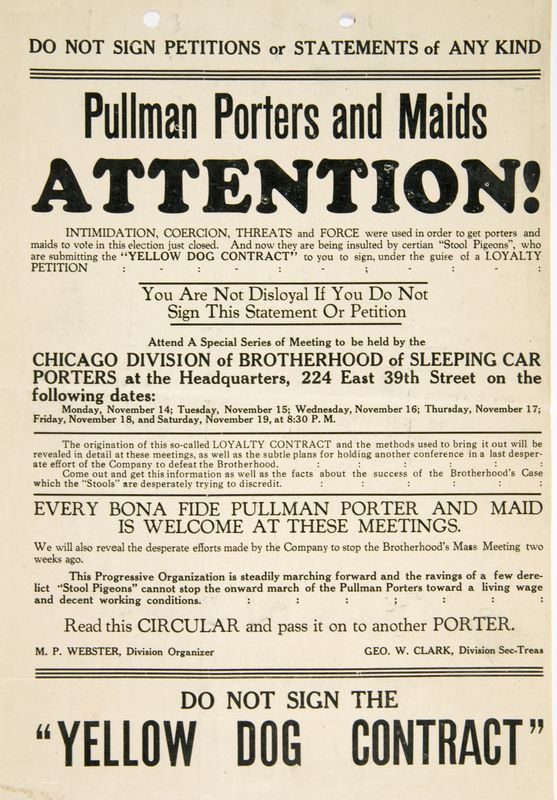
Origins in Industrial America
The term “yellow dog contract” itself is thought to derive from the derogatory perception of workers who signed them as “traitors” or “cowards” for renouncing their right to unionize. These contracts were not always formal, written documents; sometimes they were implied conditions of employment, but their binding nature was clear: union affiliation meant termination. The rise of industrial capitalism, with its emphasis on efficiency and profit maximization, created an environment where employers sought every tool available to control labor costs and prevent disruptions to production. Unions were seen as a direct threat to this model, demanding higher wages, better benefits, and imposing work rules that could reduce management’s flexibility.
The Fundamental Premise: Anti-Union Pledges
The core of a yellow dog contract was a direct and explicit renunciation of an employee’s right to participate in collective action. It typically involved several key provisions:
- Non-Membership Clause: The employee explicitly agrees not to join any labor union while employed by the company.
- Withdrawal Clause: If the employee is already a union member, they agree to withdraw from the union.
- Acknowledgement of Non-Union Status: The employee acknowledges that the employer operates as a non-union shop and that their employment is contingent upon this status.
- Termination Clause: Breach of these conditions would result in immediate dismissal.
From a business finance perspective, these contracts were designed to maintain absolute control over the cost of labor, which is often a significant line item for many enterprises. By preventing unionization, employers could unilaterally set wages, hours, and working conditions, thereby optimizing their balance sheets and profit margins without the pressure of collective bargaining negotiations.
Economic Motivations: Why Employers Utilized Them
The proliferation of yellow dog contracts was not merely ideological; it was deeply rooted in economic strategy. Employers saw these agreements as a vital tool to secure a competitive advantage and maintain financial stability in a cutthroat industrial environment.
Cost Control and Wage Management
Perhaps the most significant motivation for employers was the ability to control labor costs. Unions typically advocated for higher wages, better benefits (such as health insurance and retirement plans), and stricter rules regarding overtime pay. By preventing unionization through yellow dog contracts, companies could:
- Set Wages Unilaterally: Without collective bargaining, employers could determine wage rates based on market conditions or their own internal compensation structures, often keeping them lower than what a union might negotiate.
- Limit Benefit Expenditures: Avoid costly employee benefits packages that unions often demanded, directly impacting the company’s bottom line.
- Manage Productivity and Work Rules: Maintain greater flexibility in assigning tasks, scheduling shifts, and implementing new production methods without union resistance or negotiation, thereby enhancing operational efficiency and output.
These cost-saving measures directly contributed to higher profit margins and increased shareholder value, making yellow dog contracts an attractive, albeit ethically questionable, instrument for business leaders.
Maintaining Operational Flexibility
Beyond direct costs, yellow dog contracts allowed employers to maintain maximum operational flexibility. Union contracts often include detailed provisions regarding job classifications, seniority rules, grievance procedures, and restrictions on outsourcing. While these provisions protect workers, they can also limit management’s ability to:
- Reassign Workers: Shift employees between departments or job functions as business needs changed.
- Implement New Technologies: Introduce automation or new processes without needing to negotiate with a union over job displacement or retraining.
- Respond to Market Fluctuations: Adjust staffing levels quickly in response to economic downturns or shifts in demand without complex union-mandated severance packages or layoff protocols.
This flexibility was perceived as crucial for agile business management, allowing companies to adapt quickly to market demands and maintain a competitive edge.
Preventing Collective Bargaining Power
Ultimately, the goal was to disempower collective action. A union’s strength lies in its ability to collectively withhold labor or negotiate on behalf of a unified workforce. By individually contracting with employees to foreswear union membership, employers aimed to:
- Fragment the Workforce: Prevent employees from forming a united front, thus reducing their individual bargaining power to virtually nil.
- Avoid Strikes and Lockouts: Mitigate the risk of costly strikes that could halt production, damage reputation, and lead to significant financial losses.
- Dictate Terms of Employment: Maintain complete control over the terms and conditions of employment, ensuring that management’s decisions were not subject to employee negotiation or veto.
For businesses, this meant a more predictable and controlled labor environment, allowing for clearer financial forecasting and reduced risk associated with labor disputes.
Financial and Legal Ramifications for Employees
While advantageous for employers, yellow dog contracts had severe financial and personal consequences for employees, effectively stripping them of economic agency.
Suppressed Wages and Limited Bargaining
Employees under yellow dog contracts were often forced to accept wages and working conditions dictated solely by the employer. Without the power of collective bargaining:
- Individual Weakness: Each employee, facing the threat of termination if they challenged the employer, had little leverage to negotiate for higher pay, better benefits, or improved safety measures.
- Downward Pressure on Wages: The absence of union competition and the explicit anti-union stance could lead to overall lower wage levels across industries where these contracts were prevalent, impacting the personal finances and economic mobility of countless workers.
- Lack of Job Security: Employees could be dismissed for attempting to unionize, meaning their financial stability was always precarious.

This created a workforce with significantly diminished economic power, impacting their ability to save, invest, and build personal wealth.
Precarious Employment and Lack of Security
Beyond wages, yellow dog contracts contributed to an environment of precarious employment. Workers often lacked:
- Due Process: Dismissals could occur without formal grievance procedures or justification, leading to sudden income loss.
- Safety Protections: Without a collective voice, individual complaints about unsafe working conditions could be ignored, potentially leading to injuries and lost income.
- Benefit Disparity: Access to essential benefits like health insurance, sick leave, or pensions was entirely at the employer’s discretion, often resulting in less comprehensive coverage than unionized workplaces.
The absence of union protections meant that individual workers bore all the risk associated with their employment, with significant financial implications in case of illness, injury, or economic downturns.
The Ethical and Economic Dilemma
For employees, signing a yellow dog contract presented a profound ethical and economic dilemma. They were often faced with a choice: sign the contract and accept the terms to secure employment and an income, or refuse and face unemployment. This coercive nature meant that the “agreement” was rarely truly voluntary, especially in industries where such contracts were widespread, limiting workers’ ability to find alternative employment without making the same concession. This situation exacerbated income inequality and undermined the principle of free association for economic betterment.
The Legal Battle and Eventual Prohibition
The legal battle over yellow dog contracts was protracted, pitting employers’ rights to contract against workers’ rights to organize, and ultimately shaped modern labor law.
Early Court Interpretations and Injunctions
Initially, American courts, particularly the Supreme Court, largely upheld yellow dog contracts based on the principle of “freedom of contract.” In cases like Hitchman Coal & Coke Co. v. Mitchell (1917), the Supreme Court ruled that employers could legally require employees to agree not to unionize and could obtain injunctions to prevent union organizers from inducing workers to breach these contracts. These judicial decisions provided powerful legal backing for employers, allowing them to use the courts to suppress unionization efforts. Injunctions, often issued quickly by judges, could halt organizing activities, freeze union funds, and even lead to the arrest of union leaders, making it incredibly difficult for unions to gain traction and for workers to exercise their right to collective action.
Legislative Intervention: The Norris-LaGuardia Act
The tide began to turn with increasing public awareness of the harsh realities faced by industrial workers and growing political pressure for labor reform. The crucial legislative turning point was the Norris-LaGuardia Act of 1932. This landmark federal law:
- Prohibited Federal Courts from Enforcing Yellow Dog Contracts: It declared such contracts unenforceable in federal courts, effectively stripping them of their legal power.
- Limited Injunctions in Labor Disputes: It severely restricted the ability of federal courts to issue injunctions against striking workers, boycotts, and other union activities.
The Norris-LaGuardia Act was a pivotal victory for the labor movement, recognizing the inherent power imbalance between employers and individual employees and affirming the public policy interest in protecting workers’ right to organize. It laid the groundwork for further pro-labor legislation, most notably the National Labor Relations Act (Wagner Act) of 1935, which explicitly protected workers’ rights to form unions and engage in collective bargaining, making yellow dog contracts unequivocally illegal.
Modern Legality and Relevance
Today, yellow dog contracts are illegal and unenforceable in the United States. Federal labor law, primarily through the National Labor Relations Act, protects employees’ rights to organize, join, or assist a labor organization, and to engage in concerted activities for collective bargaining or other mutual aid or protection. Any employer attempt to coerce an employee into renouncing union membership or activity as a condition of employment is considered an unfair labor practice.
While direct yellow dog contracts are a relic of the past, the underlying tensions they represented — employer desires for cost control and operational flexibility versus employee demands for fair wages and working conditions — continue to shape modern labor relations and business finance.
Legacy and Lessons for Modern Business
The history of yellow dog contracts offers crucial lessons for contemporary businesses regarding labor relations, employee engagement, and long-term financial health.
The Shifting Landscape of Labor Relations
The prohibition of yellow dog contracts marked a fundamental shift in the legal and social framework governing labor. It moved away from a purely contractual view that treated labor as a commodity to a recognition of employees as stakeholders with fundamental rights. Modern businesses, even those operating in non-union environments, must navigate a complex web of labor laws, including minimum wage, anti-discrimination, and worker safety regulations, all of which have financial implications. The financial strategies of companies today must account for the legal necessity of fair labor practices and the increasing focus on ESG (Environmental, Social, Governance) factors, where employee treatment is a key metric.
Financial Implications of Employee Engagement
The historical struggle against yellow dog contracts underscores the idea that a disempowered and poorly compensated workforce can lead to long-term financial and social instability. Conversely, businesses that invest in fair wages, good working conditions, and respect for employee rights often benefit from:
- Higher Productivity: Engaged and satisfied employees are typically more productive.
- Reduced Turnover: Lower turnover reduces recruitment and training costs, directly impacting the bottom line.
- Improved Reputation: Strong labor practices can enhance a company’s brand image, attracting talent and customers.
- Avoidance of Legal Costs: Compliance with labor laws mitigates the risk of costly lawsuits and penalties.
These factors demonstrate that while controlling labor costs is a valid business objective, achieving it through coercive means ultimately proved unsustainable and counterproductive. Sustainable financial growth often correlates with positive employee relations, not their suppression.

Understanding Labor Law in Contemporary Business Finance
For financial professionals, business owners, and investors, understanding the history and evolution of labor law, including the lessons from yellow dog contracts, is essential. It provides context for current regulations and highlights the risks associated with non-compliance or attempts to circumvent workers’ rights. Modern financial models must factor in not just direct labor costs but also the potential costs of labor disputes, regulatory fines, and reputational damage stemming from poor labor practices. The “yellow dog” era reminds us that an employee’s financial well-being and their freedom to organize are intrinsically linked, and neglecting these aspects can have profound and lasting financial consequences for both individuals and the organizations that employ them.
aViewFromTheCave is a participant in the Amazon Services LLC Associates Program, an affiliate advertising program designed to provide a means for sites to earn advertising fees by advertising and linking to Amazon.com. Amazon, the Amazon logo, AmazonSupply, and the AmazonSupply logo are trademarks of Amazon.com, Inc. or its affiliates. As an Amazon Associate we earn affiliate commissions from qualifying purchases.