
Wooden shoes, an iconic form of footwear with a history spanning centuries, hold a unique place in global cultural identity. While the most straightforward answer to their appellation might be “wooden shoes,” this term barely scratches the surface of their rich nomenclature and the profound brand identity they represent across different cultures and eras. Understanding what they are called requires delving into their design, purpose, and the specific regional contexts that have shaped their enduring legacy as a cultural and, indeed, a marketing phenomenon.
The Enduring Identity of Wooden Footwear
The names given to wooden shoes are not merely labels; they are embedded with historical significance, reflecting the craft, utility, and cultural resonance of these distinctive items. From their origins as practical workwear to their modern-day status as cultural symbols, the lexicon surrounding wooden shoes is a testament to their powerful, albeit often unconscious, branding over centuries.
Beyond “Wooden Shoes”: The Global Lexicon
While “wooden shoes” is a perfectly descriptive general term, it lacks the specificity and cultural nuance of the many names these shoes have acquired. Across Europe and beyond, different cultures developed their own versions of wooden footwear, each with its own designation, contributing to a diverse global “brand portfolio” of wooden shoes:
- Clogs: This is arguably the most recognized and widely used term, especially in English-speaking countries, to describe a variety of wooden-soled or entirely wooden shoes. The term “clog” itself has a broad application, encompassing everything from traditional Dutch wooden shoes to shoes with thick wooden platforms and flexible uppers. It’s a powerful, almost genericized brand name for this type of footwear.
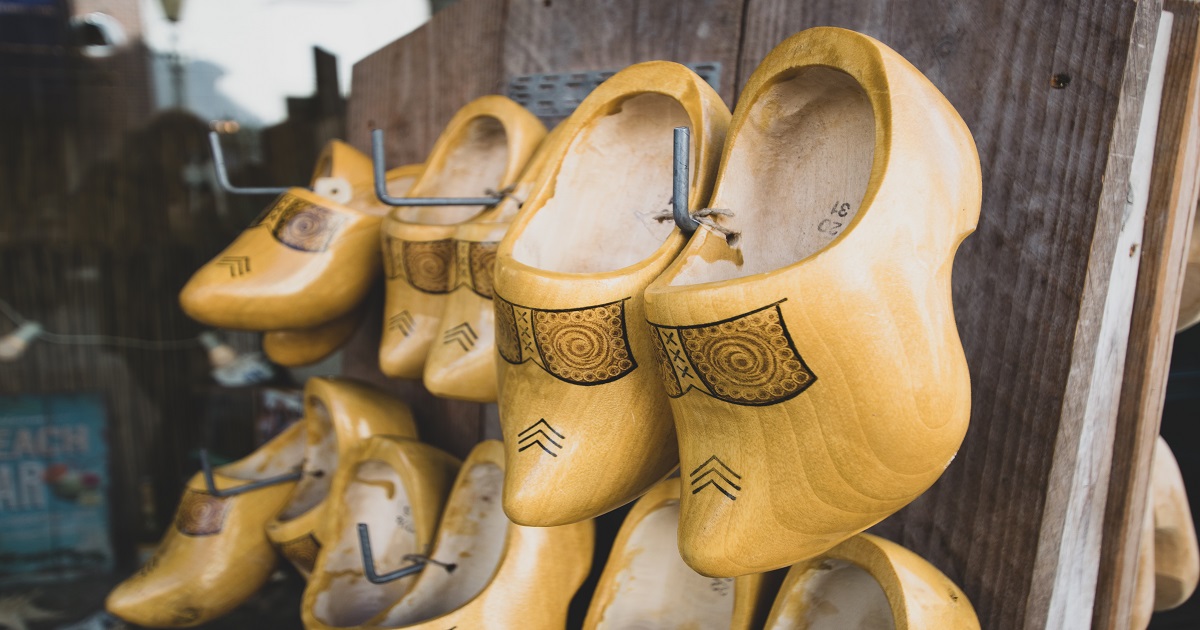
- Klomp (Dutch): In the Netherlands, the most famous wooden shoes are called klompen (plural of klomp). This specific term is intrinsically linked to Dutch national identity, signifying a particular style of fully enclosed wooden shoe meticulously carved from a single block of wood. The klomp is not just a shoe; it’s a national emblem, a key piece of the country’s brand narrative, instantly recognizable worldwide.
- Træsko (Danish): Similar to the Dutch klomp, the Danish træsko refers to traditional wooden clogs, often featuring a wooden sole and a leather upper. The distinction in name highlights regional design variations and local craftsmanship traditions, creating distinct sub-brands within the broader wooden shoe category.
- Sabot (French): In France, sabots were traditionally worn by peasants and workers. These could be entirely wooden or have wooden soles with leather uppers, similar to some clogs. The term sabot even lends its root to words like “sabotage,” reflecting their use by disgruntled workers to disrupt machinery – a fascinating, albeit dark, aspect of their historical brand story.
- Zoccolo (Italian): In Italy, particularly in certain regions, zoccoli refer to wooden clogs, often with a more refined design and sometimes used as fashion items, especially in the 20th century. This demonstrates how a traditional item can evolve its brand positioning from utility to fashion.
- Pattens (Medieval English): Historically, in medieval Europe, pattens were protective overshoes, often with wooden soles or platforms, worn to elevate footwear above mud and dirt. While not strictly “wooden shoes” in the modern sense, they represent an early form of wooden-soled footwear used for practical purposes, contributing to the historical arc of this footwear segment.
Clogs: A Name Synonymous with Heritage
The term “clogs” has transcended its origins to become the most prevalent umbrella term for wooden shoes, particularly those with a wooden sole. This widespread adoption has effectively “branded” the entire category, making “clogs” almost synonymous with the concept of wooden footwear. This linguistic success is a testament to the enduring simplicity and recognizability of the design, which has adapted and evolved across cultures while retaining its core identity. The very word evokes images of tradition, craftsmanship, and a certain rustic charm, all powerful elements of a heritage brand.
Design as a Cornerstone of Brand Identity
The physical design of wooden shoes is arguably their most potent branding tool. Unlike conventional footwear, the distinct material and construction methods imbue them with an unmistakable character that communicates utility, heritage, and often, a connection to specific regional identities.
Functional Aesthetics and Regional Variations
The inherent strength and insulating properties of wood dictated the initial designs of wooden shoes, making them ideal for protection against cold, damp conditions and physical hazards. This functional imperative directly shaped their aesthetic:
- Dutch Klompen: Carved from a single piece of wood, their enclosed, rounded shape is instantly identifiable. This singular design is a powerful brand signifier, signaling authenticity and tradition. The vibrant hand-painted decorations often applied to klompen further personalize and regionalize their brand.
- Swedish Träskor (Swedish Clogs): Characterized by a solid wooden sole and a flexible leather or synthetic upper attached with staples, Swedish clogs offer a different silhouette and comfort profile. This hybrid design allows for greater mobility and has successfully transitioned Swedish clogs into mainstream fashion, demonstrating a flexible brand strategy.
- French Sabots: Often more robust and less ornate than their Dutch counterparts, French sabots reflected the arduous lives of their wearers. Their utilitarian design was their brand message: practical, durable, and unpretentious.
These regional design variations are not just aesthetic choices; they represent distinct product lines, each with its unique selling proposition and target audience, contributing to a rich global brand ecosystem of wooden footwear.

Craftsmanship and Authenticity
The brand appeal of wooden shoes is inextricably linked to the artisanal skill involved in their creation. Traditionally hand-carved, each pair represented hours of meticulous labor, imbuing them with a sense of authenticity and heritage that resonates deeply with consumers seeking genuine, handcrafted goods. Even in modern manufacturing, the emphasis often remains on traditional methods or at least on designs that evoke this history, leveraging the brand equity of “handmade” and “authentic.” This focus on craftsmanship acts as a powerful brand differentiator in a world often dominated by mass-produced items.
Cultural Resonance and Marketing Through Time
The marketing of wooden shoes has rarely been a conscious, capitalistic endeavor in the modern sense. Instead, their “brand” has been built organically through cultural association, symbolism, and the slow accretion of meaning over centuries.
Symbolism and National Identity
The klomp in the Netherlands is a prime example of a product that has become a national symbol. It is featured in souvenirs, postcards, and tourist imagery, effectively serving as a cultural ambassador. This powerful association means that merely seeing a pair of klompen instantly conjures images of windmills, tulips, and Dutch heritage. This is an unparalleled form of cultural branding, where the product becomes an indispensable part of a nation’s identity. Similarly, other wooden shoes have served as markers of specific rural or working-class identities within their respective cultures, offering a glimpse into the brand values of resilience and hard work.
Modern Interpretations and Niche Markets
While their traditional roles have diminished, wooden shoes have found new life in contemporary fashion and niche markets. Designers frequently reinterpret clogs, incorporating modern materials, colors, and stylistic elements. This rebranding effort has propelled clogs onto international runways and into mainstream fashion cycles, demonstrating their versatility and timeless appeal.
- Fashion Statement: Modern clogs are often marketed as fashionable, comfortable, and unique alternatives to conventional footwear, appealing to consumers looking for distinctive style and a nod to retro trends.
- Comfort Footwear: Brands like Birkenstock have popularized cork and wood-based footbeds, drawing on the comfort credentials historically associated with traditional wooden shoes. This highlights the ability of core “brand features” (comfort, durability) to be adapted and marketed in new ways.
- Souvenirs and Decor: Traditional wooden shoes, particularly the Dutch klompen, are highly sought-after tourist souvenirs. They are not merely shoes but decorative items, serving as tangible reminders of a cultural experience. This taps into the emotional aspect of branding, connecting the product to memories and experiences.
Preserving a Unique Brand Legacy
The continued relevance of wooden shoes, despite their practical obsolescence in many contexts, is a testament to the strength of their brand legacy. Efforts to preserve their history and adapt them for modern tastes ensure their story continues to be told.
The Role of Education and Tourism
Museums, heritage sites, and traditional craft workshops play a crucial role in preserving the knowledge and skills associated with making wooden shoes. These institutions educate the public about the history, craftsmanship, and cultural significance of these items, reinforcing their brand values of tradition and authenticity. Tourism, in particular, acts as a global marketing channel, introducing visitors to wooden shoes as cultural artifacts and desirable souvenirs, transforming them from footwear into cultural commodities.
From Utility to Fashion Statement
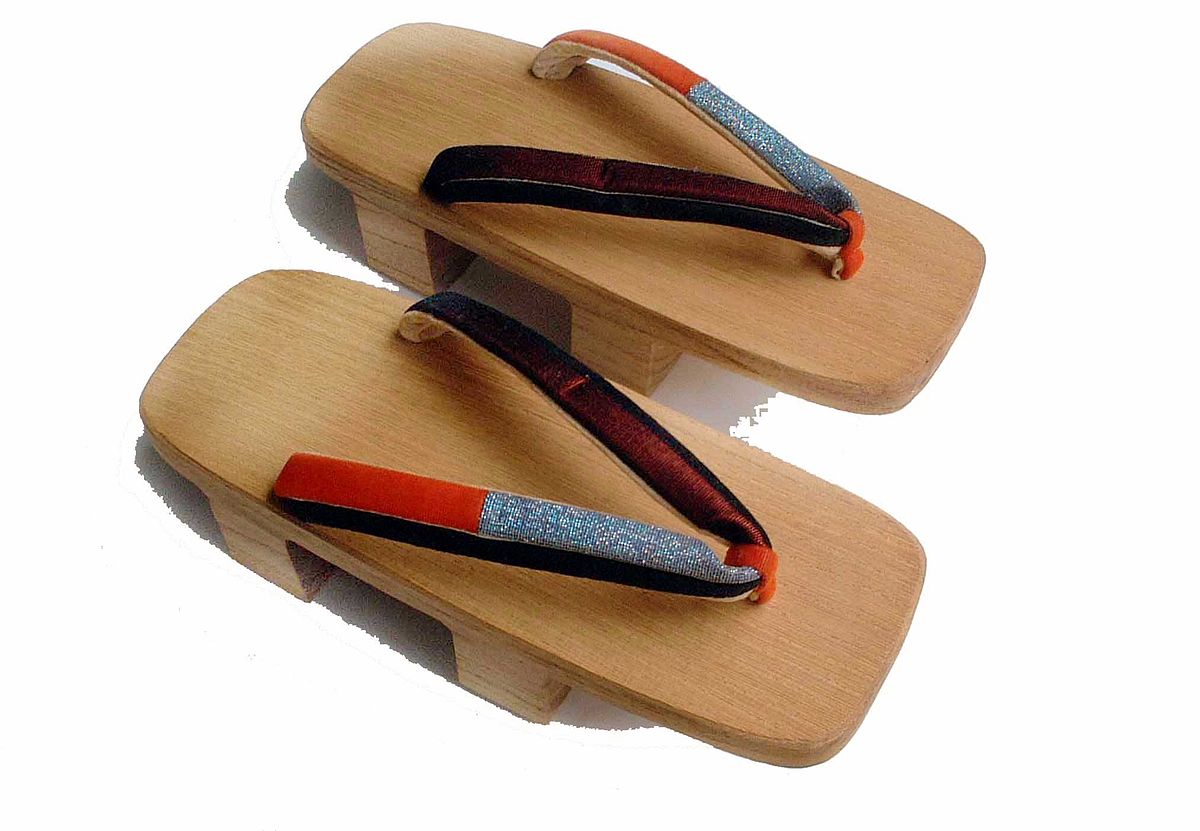
The evolution of wooden shoes from purely utilitarian items to fashion accessories and cultural symbols showcases a remarkable brand transformation. This shift required adapting designs, embracing new materials (for uppers), and repositioning the product in the minds of consumers. The underlying strength of the “wooden shoe” brand lies in its unique aesthetic, its connection to nature and craftsmanship, and its ability to evoke a sense of history and nostalgia. Whether called klompen, sabots, or simply “clogs,” these distinctive shoes continue to carve out a compelling niche in the global market, proving that some brands, built on heritage and identity, are truly timeless.
aViewFromTheCave is a participant in the Amazon Services LLC Associates Program, an affiliate advertising program designed to provide a means for sites to earn advertising fees by advertising and linking to Amazon.com. Amazon, the Amazon logo, AmazonSupply, and the AmazonSupply logo are trademarks of Amazon.com, Inc. or its affiliates. As an Amazon Associate we earn affiliate commissions from qualifying purchases.