
Watercolor pencils represent a fascinating intersection of drawing and painting, offering artists a unique medium that combines the precision of a pencil with the fluidity and vibrancy of watercolors. At their core, watercolor pencils are essentially colored pencils made with a water-soluble binder. This means they can be used dry, just like regular colored pencils, to lay down sharp lines, subtle shading, or intense blocks of color. However, their true magic unfolds when water is introduced, transforming the dry pigment into a paint-like consistency that can be blended, layered, and manipulated with a brush, sponge, or even a water brush.
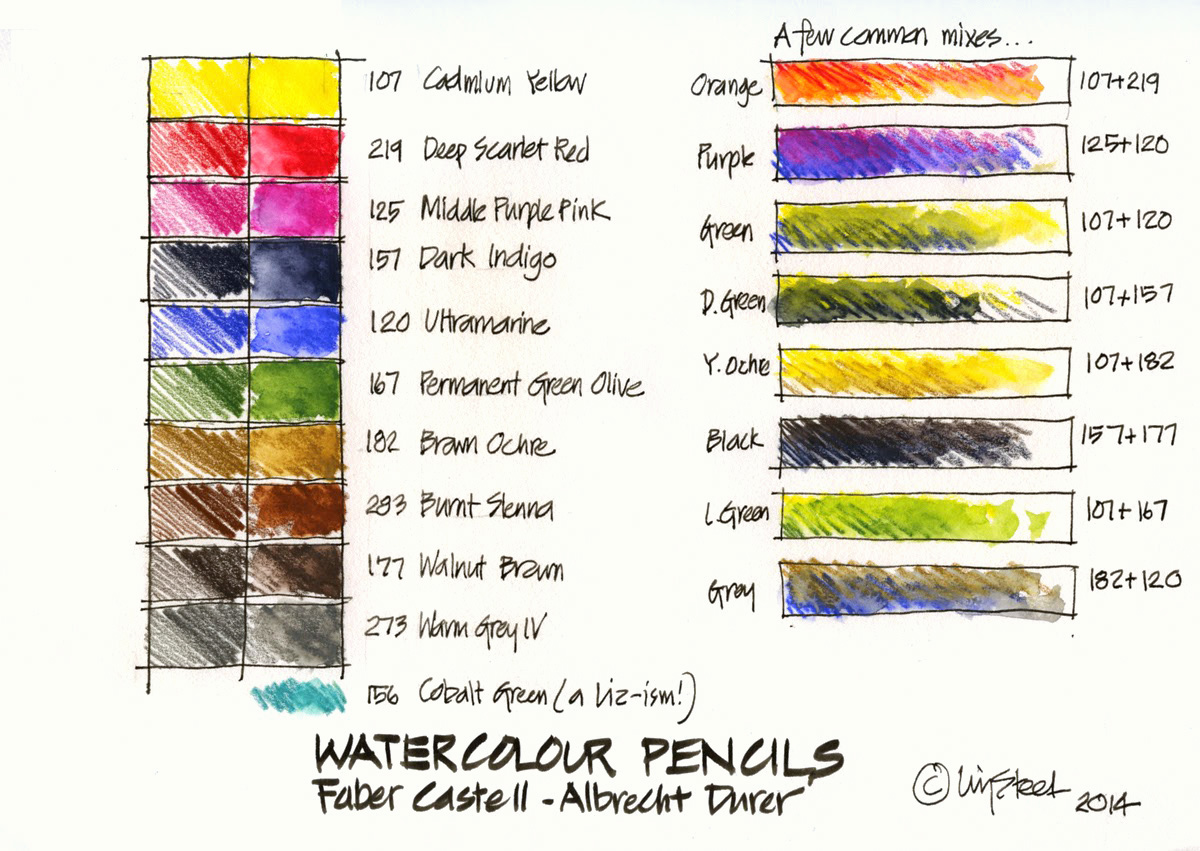
The versatility of watercolor pencils makes them a beloved tool for artists of all skill levels. They offer unparalleled control, allowing for intricate details that are often challenging to achieve with traditional pan or tube watercolors. Yet, they also provide the expansive possibilities of washes, gradients, and soft transitions that define the watercolor aesthetic. This dual nature makes them an ideal choice for a wide range of applications, from detailed illustrations and expressive sketches to vibrant mixed-media projects. But in an increasingly digital world, dominated by discussions of AI, brand strategy, and online income, how do these seemingly traditional art tools remain relevant? The answer lies in their surprising synergy with technology, their potent role in personal and corporate branding, and their undeniable potential as a source of creative income.
The Core of Creativity: Understanding Watercolor Pencils
Before delving into their modern applications, it’s essential to grasp the fundamental nature and operational mechanics of watercolor pencils. They consist of a pigment, a binder (usually a gum-based substance), and fillers, all encased in a wooden barrel. The key differentiator from standard colored pencils is that water-soluble binder, which allows the pigment to react with water.
When used dry, watercolor pencils behave much like high-quality colored pencils. They allow for precise linework, cross-hatching, and layering of colors to build up intensity. Artists can create intricate patterns, define shapes, and add texture with remarkable control. The ability to vary pressure allows for a spectrum of opacity, from light, airy marks to deep, saturated hues.
The transformative moment occurs when water is applied. A damp brush drawn over a dry area of pigment will activate the binder, dissolving the pigment and allowing it to spread and blend as if it were liquid watercolor paint. This opens up a world of possibilities:
- Washes: Lay down a dry layer of color and then apply water over it to create a smooth, even wash.
- Layering: Apply multiple dry layers, then activate them one by one, or combine activation with further dry drawing for rich, complex effects.
- Blending: Mix colors directly on the paper by applying one color, activating it, and then applying another, allowing them to merge seamlessly.
- Lifting: With a damp brush, areas of color can be gently lifted to create highlights or soften edges.
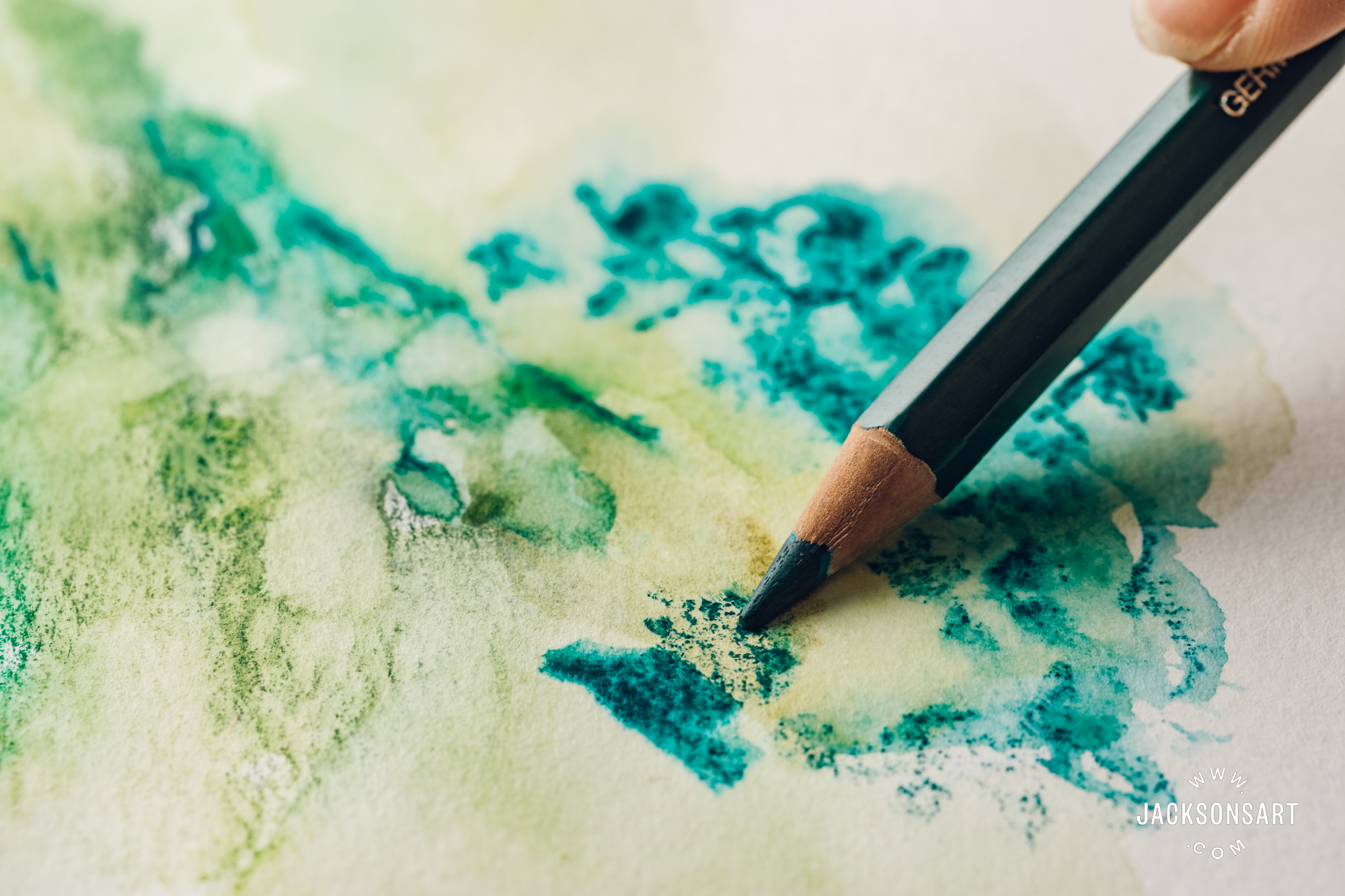
- Wet-on-wet techniques: Drawing directly onto wet paper, or dipping the pencil tip in water before drawing, creates intense, fluid lines and vibrant puddles of color.
This unique combination of precision and fluidity makes watercolor pencils incredibly versatile for a multitude of artistic endeavors. From botanical illustrations that demand meticulous detail to abstract compositions that revel in organic flow, these pencils empower artists to bridge the gap between drawing and painting with ease and innovation.
Tech-Enabled Artistry: Integrating Watercolor Pencils into the Digital Age
In an era defined by Tech advancements, one might assume traditional art mediums like watercolor pencils would fade into obsolescence. On the contrary, technology has amplified their utility, offering new avenues for creation, enhancement, and dissemination. Far from being mutually exclusive, the analog charm of watercolor pencils and the cutting-edge capabilities of digital tools often form a powerful synergy.
Enhancing Workflow with Software and Apps
The modern artist’s toolkit is incomplete without various software and apps that streamline the creative process. Watercolor pencil artists leverage technology trends and software at multiple stages:
- Digital Planning and Mood Boards: Before even touching a pencil, artists can use apps like Pinterest, Milanote, or even simple image editors to gather inspiration, create mood boards, and plan color palettes. Digital tools allow for quick experimentation with composition and visual themes, saving time and materials.
- Scanning and Digital Refinement: Once a physical piece is complete, high-quality scanners (often considered gadgets themselves) are indispensable. They allow artists to capture their watercolor pencil work with incredible fidelity, transforming the physical art into a digital asset. From there, software like Adobe Photoshop, Procreate, or Affinity Photo can be used for subtle enhancements – adjusting colors, correcting minor imperfections, adding digital textures, or even preparing files for print. This digital translation ensures that the intricate details and vibrant colors achieved with pencils are preserved and optimized for various digital and print applications.
- Online Collaboration Tools: For artists working on commissions or collaborative projects, apps like Slack, Asana, or even shared cloud documents facilitate communication and feedback. Clients can review digital mock-ups of watercolor pencil concepts, provide annotations, and track progress, making the creative process more efficient and transparent.
- AI for Inspiration and Analysis: While AI tools might not directly draw with watercolor pencils (yet!), they can serve as powerful conceptual assistants. Artists can use AI to generate prompts, explore various stylistic interpretations of a subject, or analyze color theory. For instance, an AI could suggest unique animal poses for an illustration, or provide a palette derived from specific emotional keywords, which the artist then interprets and executes using their watercolor pencils. This doesn’t replace creativity but augments it, pushing the boundaries of what’s possible.
Gadgets for Optimal Output
Beyond software, several gadgets play a crucial role in bringing watercolor pencil art to a wider audience and enhancing the creation process itself:
- High-Resolution Scanners: As mentioned, these are vital for converting physical artwork into digital files suitable for reproduction, online portfolios, and client delivery. A good scanner ensures accurate color representation and sharp detail capture.
- Specialized Lighting Equipment: For artists who photograph their work instead of scanning, professional lighting setups (softboxes, ring lights) are essential to minimize glare, ensure true color reproduction, and capture the texture of the paper.
- Digital Cameras: High-quality DSLRs or mirrorless cameras are used for documenting process shots, creating video tutorials, or capturing large artworks that exceed scanner bed sizes.
- Graphics Tablets and Styluses: For artists who blend traditional and digital techniques, a graphics tablet allows for seamless integration. They might sketch digitally, print a light outline, paint with watercolor pencils, and then scan the piece back into the computer for final digital touch-ups with the tablet.
- Portable Power Banks: For artists who take their watercolor pencils out into nature or to different locations, a power bank for charging phones, tablets, or even portable lights ensures their digital support system remains operational.
Online Learning and Community
The proliferation of online platforms has transformed how artists learn and connect. Tutorials, workshops, and vibrant art communities are now readily accessible:
- Platforms like YouTube, Skillshare, Domestika, and Patreon host countless tutorials dedicated to watercolor pencil techniques. Artists can learn from global experts, explore diverse styles, and hone their skills at their own pace, often for a fraction of the cost of traditional art schools.
- Digital communities on platforms like Instagram, DeviantArt, Reddit, and dedicated art forums provide spaces for watercolor pencil artists to share their work, receive feedback, engage in critiques, and build networks. These online spaces foster a sense of belonging and provide valuable exposure, proving that traditional mediums thrive within modern digital ecosystems. This connectivity directly impacts productivity and skill development.
Building Your Brand with the Brushstroke: Watercolor Pencils in Branding and Design
In a competitive market saturated with digital imagery, the unique aesthetic of watercolor pencil art offers a distinctive edge for brand strategy and personal branding. The tactile quality and inherent “human touch” of hand-drawn elements stand out, fostering authenticity and emotional connection.
Personal Branding for Artists
For individual artists, watercolor pencils are more than just tools; they are instruments for forging a unique identity:
- Developing a Distinctive Style: The nuanced textures, subtle blends, and vibrant washes achievable with watercolor pencils can become hallmarks of an artist’s signature style. Whether it’s hyper-realistic animal portraits, whimsical fantasy scenes, or abstract color studies, the medium allows for a highly personalized aesthetic that distinguishes an artist from their peers. This consistent visual language is fundamental to effective personal branding.
- Showcasing Unique Art in Digital Portfolios: Artists leverage platforms like Behance, ArtStation, Dribbble, or their own professional websites to curate and display their watercolor pencil portfolios. High-quality scans and photographs, enhanced using digital security practices to protect their work, present their unique style to a global audience of potential clients and collaborators.
- Crafting a Consistent Visual Identity: Beyond just the artwork itself, an artist’s personal brand extends to their online presence, social media graphics, and even business cards. Watercolor pencil elements can be incorporated into these aspects, ensuring a cohesive and authentic visual corporate identity that reflects their artistic ethos.
Corporate Identity and Marketing Appeal
Beyond individual artists, businesses are increasingly turning to bespoke, hand-crafted visuals to differentiate their brand in a crowded marketplace. Watercolor pencil illustrations offer a refreshing alternative to generic stock photos or overly slick digital graphics:
- Illustrations for Logos, Packaging, and Social Media: Companies, particularly those in niche markets like artisanal food, organic beauty, or boutique fashion, find that watercolor pencil illustrations evoke a sense of craftsmanship, authenticity, and natural beauty. A watercolor-illustrated logo, product packaging, or a series of social media graphics can convey warmth, creativity, and a human-centric approach that resonates deeply with target audiences. This directly impacts marketing effectiveness.
- The “Human Touch” in a Digital World: In an era dominated by AI-generated content and highly polished digital visuals, hand-drawn elements stand out. They communicate authenticity and a bespoke quality that generic digital assets often lack. This differentiation is a powerful brand strategy tool, helping businesses build a memorable and reputable image.
- Case Studies: Consider independent coffee shops using hand-drawn menus, small batch distilleries featuring watercolor labels, or even major brands launching campaigns with illustrated components. These case studies highlight how a personalized, artistic approach can cut through the noise and foster genuine connections with consumers, bolstering brand reputation.
Design Applications
The aesthetic qualities of watercolor pencils lend themselves to a myriad of design applications:
- Editorial Illustration: Bringing articles and stories to life in magazines, newspapers, and online publications with expressive and evocative imagery.
- Children’s Books: The soft textures and vibrant colors are perfectly suited for captivating young readers and creating whimsical worlds.
- Surface Pattern Design: Creating unique patterns for textiles, wallpapers, stationery, and home decor, adding an artistic flourish to everyday objects.
- Concept Art and Visual Development: In fields like gaming or animation, watercolor pencils can be used for rapid ideation, character development, and mood painting, offering a distinct visual style before moving to digital execution.
Monetizing Your Masterpiece: Watercolor Pencils as a Source of Income
The intersection of creative skill and strategic business thinking transforms watercolor pencil artistry into a viable source of money. With the right approach and leveraging online financial tools and platforms, artists can turn their passion into a sustainable career or a lucrative side hustle.
Diverse Income Streams for Artists
The versatility of watercolor pencils directly translates into multiple avenues for generating online income:
- Selling Original Artwork: Artists can sell their finished watercolor pencil pieces directly to collectors through online galleries (e.g., Etsy, Saatchi Art, Artfinder), their own e-commerce websites, or at local art fairs. Pricing strategies are crucial here, considering time, materials, and perceived market value.
- Prints and Merchandise: Once an original piece is digitized (using tech like high-resolution scanners), it can be reproduced as high-quality prints (giclée prints), greeting cards, posters, or even incorporated into merchandise like mugs, phone cases, and apparel through print-on-demand services. This allows for scalable income with minimal upfront investment.
- Commissions and Client Work: Businesses, individuals, and publishers regularly commission artists for custom illustrations. This could range from creating unique character designs for a game, illustrating a book, designing custom wedding invitations, or painting a bespoke portrait. Effective marketing and a strong portfolio are key to attracting these opportunities.
- Licensing Artwork: Artists can license the use of their watercolor pencil designs to companies for various products or marketing campaigns. This generates passive income each time the design is used, expanding the reach and earning potential of a single piece of art.
Leveraging Online Platforms and Tools
The digital landscape offers unprecedented opportunities for artists to connect with their audience and manage their online income streams:
- Patreon for Recurring Income: Artists can build a community of patrons who provide monthly financial support in exchange for exclusive content, behind-the-scenes glimpses into their creative process, tutorials, or early access to new work. This model fosters direct artist-supporter relationships and provides a more predictable income stream.
- Social Media for Marketing and Audience Building: Platforms like Instagram, TikTok, and YouTube are powerful marketing tools for artists. By consistently sharing their work, process videos, and engaging with their audience, artists can build a following that translates into sales, commissions, and workshop attendees. Strong personal branding is crucial here.
- Online Course Creation: Artists skilled with watercolor pencils can package their expertise into tutorials and sell online courses on platforms like Skillshare, Udemy, or their own websites. This allows them to teach others and generate income from their knowledge.
- E-commerce Platforms and Payment Gateways: Setting up an online shop through platforms like Shopify, Etsy, or Squarespace (which integrate seamlessly with financial tools for payment processing like PayPal or Stripe) makes selling artwork and merchandise accessible to a global audience.
Financial Savvy for the Creative Entrepreneur
Success as an artist, particularly in the realm of online income and side hustles, requires more than just artistic talent; it demands business finance acumen:
- Pricing Strategies: Learning how to price artwork and services appropriately, considering material costs, time invested, skill level, and market demand, is critical for profitability.
- Managing Expenses and Taxes: Tracking supplies, studio costs, software subscriptions, and other business finance expenses is vital for budgeting and tax purposes. Understanding tax obligations for artists and small business owners is non-negotiable.
- Understanding Market Value: Researching what similar artists charge and understanding the value of unique artistic skills within different markets helps artists position themselves competitively and negotiate effectively. Financial tools like simple spreadsheets or accounting software can greatly assist in tracking these elements and enhancing overall productivity.
In conclusion, watercolor pencils are far from being mere relics of traditional art. They are dynamic tools that, when paired with strategic thinking and the vast capabilities of modern tech, brand development, and money-making avenues, empower artists to carve out thriving creative careers. Their enduring charm and versatile nature ensure that they will continue to inspire, innovate, and provide a vibrant artistic voice in our increasingly digital world.
aViewFromTheCave is a participant in the Amazon Services LLC Associates Program, an affiliate advertising program designed to provide a means for sites to earn advertising fees by advertising and linking to Amazon.com. Amazon, the Amazon logo, AmazonSupply, and the AmazonSupply logo are trademarks of Amazon.com, Inc. or its affiliates. As an Amazon Associate we earn affiliate commissions from qualifying purchases.