
In the ever-evolving landscape of digital communication, understanding the fundamental elements of language is not merely an academic pursuit but a practical necessity. Whether you’re crafting a persuasive marketing email, optimizing website content for search engines, or developing user-friendly software interfaces, a firm grasp of grammatical principles, particularly the roles of verbs and nouns, is paramount. These two word classes form the bedrock upon which all coherent expression is built. In the digital realm, where conciseness and clarity are prized, recognizing and effectively utilizing verbs and nouns can significantly impact how your message is received, understood, and acted upon. This exploration delves into the essence of verbs and nouns, illuminating their functions and demonstrating their critical importance in various technological and marketing contexts.
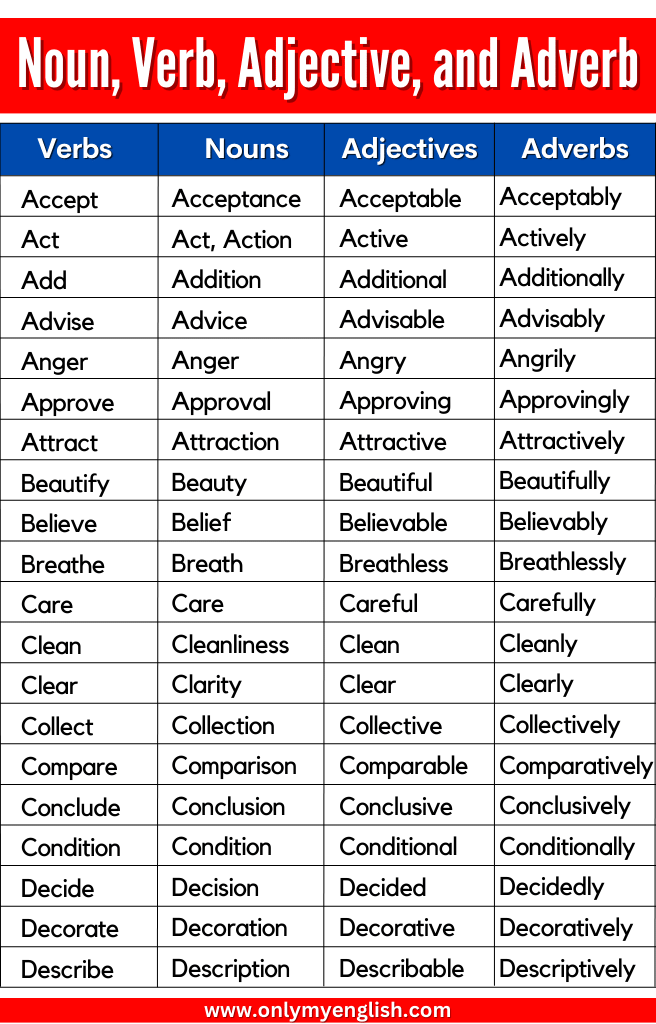
The Foundation: Understanding Nouns
Nouns are the cornerstones of any sentence, serving as the labels for the people, places, things, and ideas that populate our world and our digital interfaces. Without nouns, communication would be a jumble of actions and descriptions with no subjects to anchor them. In the context of technology and branding, nouns are crucial for identifying products, services, concepts, and audiences.
Identifying and Classifying Nouns
The first step to mastering nouns is recognizing them. Generally, a noun can be identified by its ability to answer questions like “Who?” or “What?”. For instance, in the phrase “the application crashed,” “application” is a noun because it answers “What crashed?”. Similarly, “The CEO announced the new strategy” features “CEO” (who) and “strategy” (what).
Nouns can be further categorized to refine their meaning and application:
-
Common Nouns vs. Proper Nouns: Common nouns refer to general categories, like “city,” “country,” or “software.” Proper nouns, on the other hand, name specific entities and are capitalized, such as “New York,” “France,” or “Microsoft Word.” In branding, proper nouns are essential for establishing brand identity and recognition. Using “Acme Widget” instead of “a widget” immediately directs attention to a specific product.
-
Concrete Nouns vs. Abstract Nouns: Concrete nouns represent tangible things that can be perceived by the senses, like “computer,” “screen,” or “keyboard.” Abstract nouns represent ideas, qualities, or states that cannot be physically touched, such as “innovation,” “trust,” or “efficiency.” In marketing, abstract nouns are often used to evoke emotions and aspirations, while concrete nouns are vital for describing product features.
-
Countable Nouns vs. Uncountable Nouns: Countable nouns can be enumerated, having both singular and plural forms (e.g., “one user,” “two users“). Uncountable nouns, also known as mass nouns, cannot typically be counted individually and often refer to substances or concepts (e.g., “information,” “water,” “progress”). Understanding this distinction is crucial for correct article and verb agreement, particularly in technical documentation and user interfaces where precise language is key.
The Role of Nouns in Digital Content
In the digital sphere, nouns are indispensable for several reasons:
-
Product and Service Identification: Every app, gadget, or service has a name – a proper noun. “Google Search,” “iPhone 15,” and “ChatGPT” are all nouns that immediately identify what is being discussed. In marketing materials, the precise naming of products and services is the first step in creating a distinct market presence.
-
Concept and Idea Representation: Abstract nouns allow for the communication of complex ideas. Terms like “user experience,” “scalability,” “artificial intelligence,” and “brand loyalty” are critical for discussing technological advancements and marketing strategies. The effective use of these nouns shapes perception and understanding.
-
Search Engine Optimization (SEO): Search engines rely heavily on nouns to understand the content of web pages. Keywords, which are often nouns or noun phrases, are the primary way users find information. Optimizing content with relevant nouns helps businesses ensure their products and services are discoverable. For example, a website selling “ergonomic keyboards” should prominently feature these nouns.
-
User Interface Design: In software and app development, nouns are used to label buttons, menus, and features. Words like “Settings,” “Profile,” “Inbox,” and “Dashboard” are all nouns that guide users through digital interfaces. Clarity and consistency in noun usage are vital for creating intuitive user experiences.
The Action: Understanding Verbs
Verbs are the engines of language, describing actions, occurrences, or states of being. They bring sentences to life, indicating what the nouns are doing, experiencing, or becoming. In technology and branding, verbs convey functionality, benefits, and calls to action, making them indispensable for dynamic and persuasive communication.
Identifying and Classifying Verbs
Verbs are typically the most dynamic part of a sentence, answering questions like “What is happening?” or “What is the subject doing?”. For instance, in “The system processes data,” “processes” is a verb describing the action of the system. In “She is a developer,” “is” is a linking verb, connecting the subject to its state of being.
Verbs can be classified into several important types:
-
Action Verbs: These verbs describe a physical or mental action. Examples include “run,” “read,” “think,” “develop,” “deploy,” and “analyze.” In tech, verbs like “optimize,” “integrate,” “streamline,” and “innovate” are frequently used to describe processes and achievements.
-
Linking Verbs: These verbs connect the subject to a noun or adjective that renames or describes it. The most common linking verb is “to be” (is, am, are, was, were, be, being, been), but others include “seem,” “appear,” “become,” and “feel.” For example, “The software is reliable” uses “is” as a linking verb.
-
Helping (Auxiliary) Verbs: These verbs work with main verbs to form verb tenses, moods, or voices. Common helping verbs include “have,” “has,” “had,” “do,” “does,” “did,” “will,” “would,” “can,” “could,” “may,” “might,” and “shall.” For example, in “They will launch the new product,” “will” is a helping verb.
-
Transitive vs. Intransitive Verbs: Transitive verbs require a direct object to complete their meaning (e.g., “She reads the manual“). Intransitive verbs do not take a direct object (e.g., “He slept“). This distinction is important for sentence structure and clarity, especially in technical manuals.
The Power of Verbs in Digital Communication
Verbs are crucial for injecting dynamism and clarity into digital content:
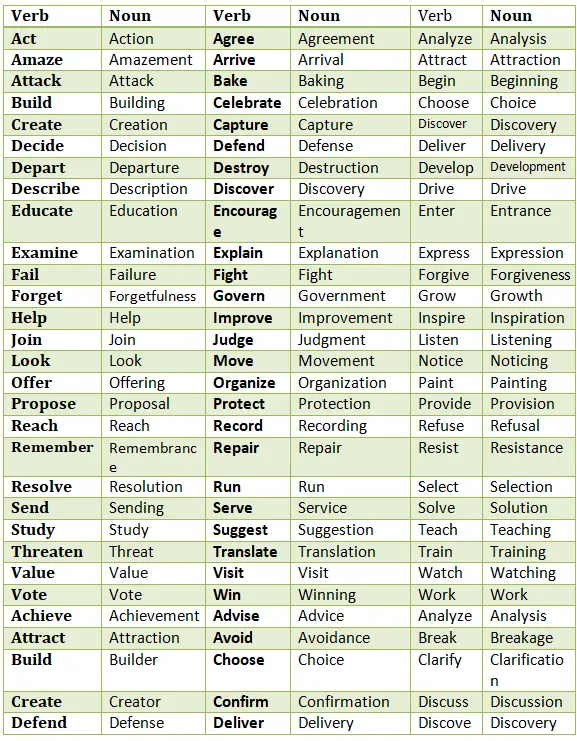
- Describing Functionality and Features: Verbs are used to explain what a product or service does. “This app syncs your data across devices,” “Our platform monitors performance,” and “Users can customize their profiles.” These verbs clearly communicate capabilities.
-
Driving Action and Engagement: In marketing and user interface design, verbs are essential for creating calls to action (CTAs). Phrases like “Sign Up Now,” “Learn More,” “Download the Report,” and “Submit Your Request” use imperative verbs to prompt user interaction.
-
Conveying Benefits and Value: Verbs help articulate the positive outcomes of using a product or service. “This solution reduces costs,” “It enhances productivity,” and “Our service streamlines your workflow.” These verbs highlight the value proposition.
-
Technical Documentation and Instructions: Clear, concise verbs are vital in technical writing. They provide direct instructions and explanations. “Click the button,” “Enter your credentials,” and “The system will restart.”
The Symbiotic Relationship: Nouns and Verbs in Action
The true power of language emerges when nouns and verbs work in tandem. They form the essential subject-verb pairs that drive meaning and create complete thoughts. In digital contexts, this synergy is amplified, impacting everything from user engagement to brand perception.
Crafting Clear and Compelling Sentences
A well-formed sentence typically includes a subject (often a noun or pronoun) and a predicate (which contains the verb). The interplay between these two elements dictates the clarity and impact of a message.
-
Subject-Verb Agreement: A fundamental rule is that the verb must agree in number with its subject. “The user clicks the button” (singular subject, singular verb). “The users click the button” (plural subject, plural verb). Errors in agreement can lead to confusion and unprofessionalism, especially in professional communications.
-
Active vs. Passive Voice:
- Active Voice: The subject performs the action. This is generally preferred for its directness and conciseness. Example: “The developer wrote the code.”
- Passive Voice: The subject receives the action. This can be useful when the action or the receiver of the action is more important than the performer, or when the performer is unknown or irrelevant. Example: “The code was written by the developer.” In technical writing, passive voice can sometimes be used to maintain objectivity, but overuse can make content feel distant and less engaging.
Application in Technology and Branding
The principles of noun and verb usage are directly applicable to various digital domains:
-
Website Copy and Content Marketing:
- Nouns: Accurately describe products, services, features, and target audiences. Keywords are often nouns. Example: “Our CRM software empowers small businesses to manage customer relationships.” (Nouns: CRM software, businesses, customer relationships)
- Verbs: Convey functionality, benefits, and encourage action. Example: “Streamline your sales process, boost productivity, and close more deals.” (Verbs: Streamline, boost, close)
-
Software and App Development:
- Nouns: Label interface elements, features, and data. Example: “User profile, notification settings, data storage.”
- Verbs: Describe user actions and system functions. Example: “Edit your profile, manage notifications, sync data.”
-
Brand Messaging and Storytelling:
- Nouns: Define the brand’s purpose, values, and offerings. Example: “We are a company dedicated to innovation, sustainability, and customer success.”
- Verbs: Communicate the brand’s mission, actions, and impact. Example: “We create, we inspire, we empower.”
-
Advertising and Digital Campaigns:
- Nouns: Identify the product and its key attributes. Example: “The new Smartwatch: Fitness, connectivity, style.”
- Verbs: Drive urgency and desire. Example: “Transform your day. Experience the future. Shop now!”
Mastering the Art of Digital Language
In the dynamic world of technology and branding, the ability to wield nouns and verbs effectively is not just a matter of grammar; it’s a strategic advantage. These fundamental building blocks of language empower you to communicate with precision, persuade with impact, and connect with your audience on a deeper level.
The Impact of Precision and Clarity
-
For Technology Professionals: Developers, engineers, and product managers rely on precise nouns to define specifications, features, and components. Verbs are essential for describing functionality, user flows, and system processes. Clear subject-verb agreement and appropriate verb tenses ensure that technical documentation, code comments, and user manuals are unambiguous and easy to follow. Misunderstandings can lead to costly errors, so meticulous attention to these details is crucial.
-
For Marketing and Branding Experts: Marketers and brand strategists use nouns to encapsulate the essence of a product or service, its benefits, and its target audience. Abstract nouns like “trust,” “reliability,” and “innovation” are vital for shaping brand perception. Verbs are the catalysts for action, driving engagement through calls to action and conveying the dynamic value proposition of a brand. The choice of verbs can evoke specific emotions, from urgency to aspiration.
Enhancing User Experience and Engagement
-
Intuitive Interfaces: In software and app design, consistent and clear labeling (nouns) and actionable descriptions (verbs) are the cornerstones of a positive user experience. When users can easily identify what elements are and what actions they can perform, their interaction with the technology becomes seamless and enjoyable. For example, consistently using “Save” (verb) for the action of preserving data and “Settings” (noun) for configuration options creates a predictable and efficient interface.
-
Persuasive Content: Website copy, blog posts, and marketing materials that effectively leverage nouns and verbs are more likely to capture attention, convey information, and convert readers into customers. Strong verbs paint a vivid picture of what a product or service can do, while descriptive nouns clearly articulate what is being offered. The right combination makes content not only informative but also engaging and persuasive.
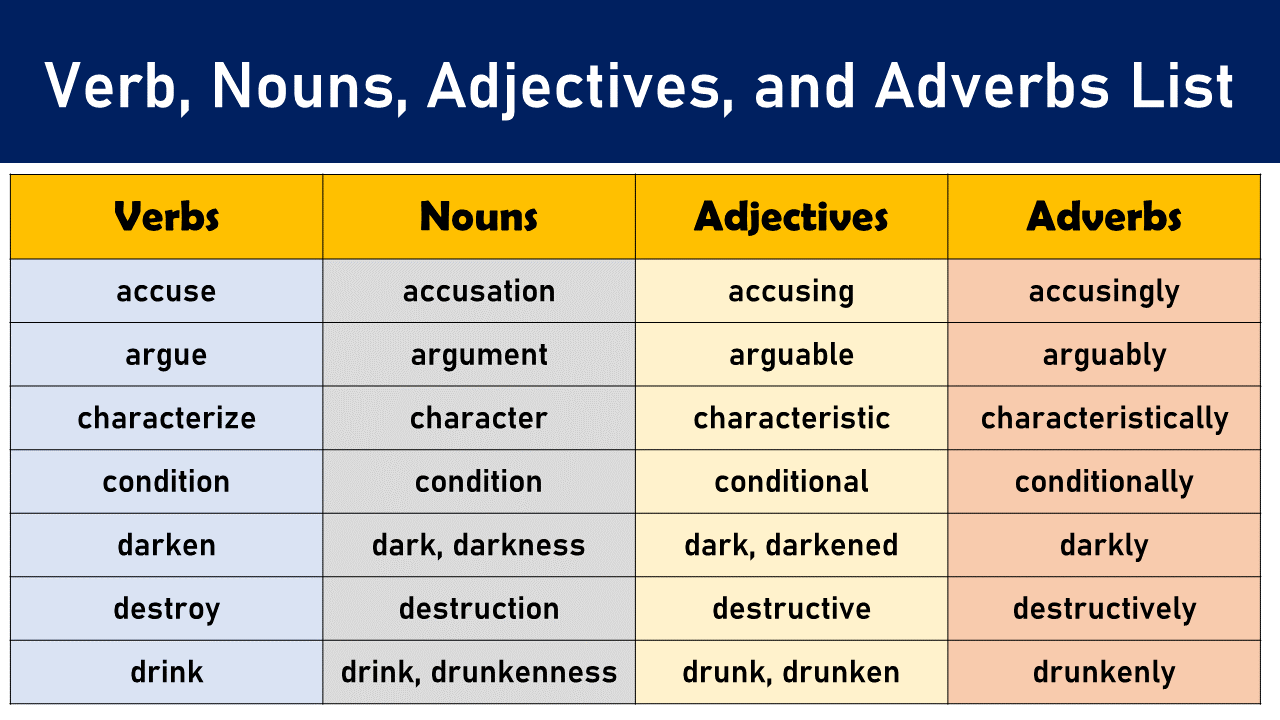
Continuous Learning and Adaptation
The digital landscape is constantly evolving, and so is the language we use within it. Staying abreast of emerging terminology (new nouns) and the most effective ways to describe new functionalities (new or repurposed verbs) is an ongoing process.
-
Industry-Specific Lexicon: Each sector within technology and branding develops its own specialized vocabulary. Understanding these industry-specific nouns and their appropriate usage is vital for credibility. Similarly, recognizing the most impactful verbs for describing particular processes or benefits within that industry is key.
-
The Power of Concise Language: In an age of information overload, conciseness is a virtue. Mastering the art of using the right nouns and verbs to convey maximum meaning with minimum words is a significant skill. This involves avoiding jargon where possible, choosing strong, active verbs, and ensuring that nouns are specific and relevant.
In conclusion, the seemingly simple concepts of verbs and nouns are, in reality, the sophisticated tools that enable meaningful communication in our digital world. By understanding their individual roles and their powerful synergy, professionals in technology, marketing, and beyond can craft messages that are clear, compelling, and ultimately, effective in achieving their objectives. Mastering these linguistic fundamentals is not just about correct grammar; it’s about mastering the art of digital influence and connection.
aViewFromTheCave is a participant in the Amazon Services LLC Associates Program, an affiliate advertising program designed to provide a means for sites to earn advertising fees by advertising and linking to Amazon.com. Amazon, the Amazon logo, AmazonSupply, and the AmazonSupply logo are trademarks of Amazon.com, Inc. or its affiliates. As an Amazon Associate we earn affiliate commissions from qualifying purchases.