
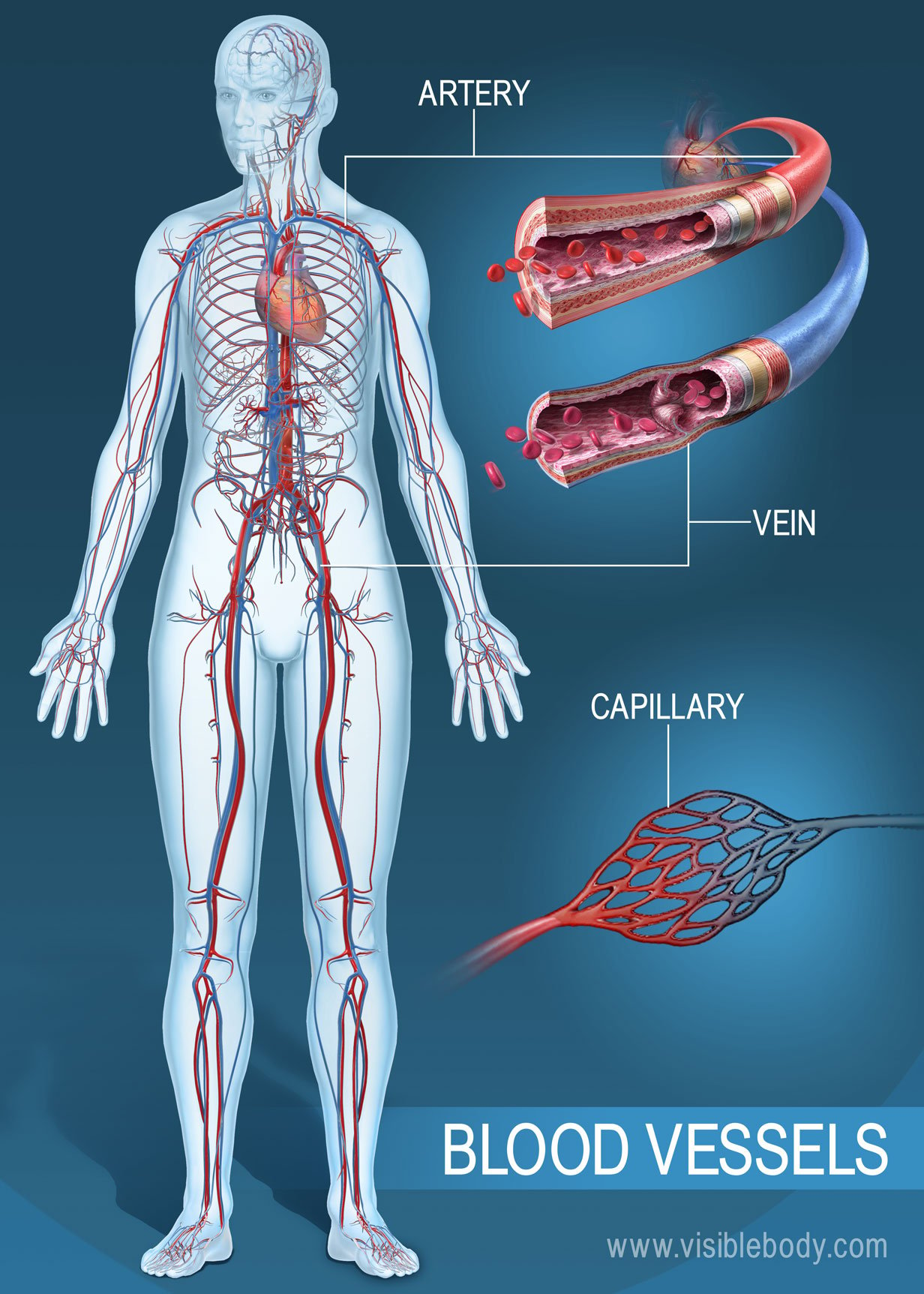
In the dynamic world of technology, understanding the fundamental systems that enable data, power, and information to flow seamlessly is paramount. While the term “vascular” typically conjures images of biological circulatory systems, its metaphorical application in technology offers a powerful lens through which to comprehend the interconnectedness and vital pathways that sustain our digital lives. Just as a biological vascular system transports nutrients and oxygen to every cell, technological “vascular” systems are the intricate networks, pipelines, and architectures that ensure the continuous movement of essential digital resources, making modern innovation possible. This article delves into what constitutes these vital technological vascular systems, exploring their various manifestations and their critical role in the digital age.
The Metaphorical Foundation: Understanding ‘Vascularity’ in Tech
The leap from biology to bytes might seem significant, but the underlying principles of flow, distribution, and systemic health are remarkably similar. To truly grasp the essence of “vascular” in technology, we must first establish this conceptual bridge.
From Biology to Bytes: A Conceptual Bridge
At its core, a biological vascular system is about transportation – moving vital substances to where they are needed and removing waste. In technology, this translates directly to the movement of data packets, electrical currents, and computational instructions across complex digital landscapes. Consider the human body: without a functioning vascular system, organs fail, and life ceases. Similarly, without robust and efficient “vascular” tech systems, our digital applications would stall, our data centers would go dark, and our AI models would remain inert. The metaphor helps us appreciate the interconnected, life-sustaining nature of these often-invisible technological components. It’s about the underlying infrastructure that breathes life into software and hardware, ensuring every component receives what it needs to function.
The Essence of Flow: Data, Power, and Information
The “flow” is the critical element of technological vascularity. This isn’t just about moving data from point A to point B; it’s about the efficiency, security, and integrity of that movement.
-
Data Flow: This encompasses everything from internet traffic traversing continents to information moving between microservices within a single application. It’s the lifeblood of nearly all digital operations.
-
Power Flow: Our gadgets and data centers wouldn’t exist without a constant, stable supply of electricity. The power grids and internal power management systems are fundamental vascular networks that deliver the energy required for computation.
-
Information Flow: Beyond raw data, information flow involves the processing, interpretation, and utilization of data, enabling intelligent decision-making by AI algorithms or human users. It’s the processed ‘oxygen’ that empowers action and insight.
Understanding these flows is crucial because disruptions, much like blockages in a biological system, can have cascading and potentially catastrophic effects across entire technological ecosystems.
The Arteries and Veins of Digital Infrastructure
The most palpable examples of technological vascularity are found within the physical and logical infrastructure that underpins the internet and vast computing networks. These are the literal arteries and veins of our digital world.
Network Architecture: The Internet’s Lifeblood
The internet itself is the quintessential “vascular system” of global technology. From undersea fiber optic cables spanning oceans to local Wi-Fi networks in our homes, this intricate web of connections enables instantaneous communication and data exchange across the planet.
-
Backbones: These high-capacity data transmission lines form the core “arteries” of the internet, carrying massive volumes of traffic between major geographical regions and internet exchange points (IXPs).
-
Routers and Switches: Acting like the heart and valves, these devices direct traffic, ensuring data packets reach their intended destinations efficiently and without collision.
-
Last Mile Connectivity: The connections from service providers to individual homes and businesses represent the capillaries, delivering data directly to the end-users. A robust and resilient network architecture is vital for minimizing latency, preventing outages, and ensuring reliable access to digital services worldwide.
Data Pipelines: Ensuring Seamless Information Flow
Within modern software ecosystems, especially in big data and AI, “data pipelines” are specialized vascular systems designed to ingest, process, and deliver data reliably and efficiently.
-
ETL/ELT Processes: Extract, Transform, Load (or Load, Transform) pipelines are designed to move data from various sources (e.g., databases, sensors, user interactions) into data warehouses or data lakes, often cleaning and structuring it along the way.
-
Streaming Data Architectures: For real-time applications (e.g., stock market analysis, fraud detection, IoT monitoring), streaming pipelines ensure that data is processed and acted upon milliseconds after it’s generated. These are high-velocity vascular systems.
-
API Gateways: Application Programming Interfaces (APIs) act as controlled access points, allowing different software components to communicate and exchange data, effectively forming inter-application vascular connections.
Efficient data pipelines are critical for generating timely insights, powering machine learning models, and ensuring the responsiveness of complex applications.
Power Grids: The Energy Sustaining Digital Ecosystems
No amount of data flow can occur without power. The electrical grids that deliver energy to our data centers, cell towers, and personal devices are foundational “vascular” systems.
-
National and Regional Grids: These macroscopic systems deliver electricity from power plants to consumers, including large-scale tech infrastructure.
-
Data Center Power Management: Within data centers, sophisticated internal power distribution networks, backed by redundant power supplies (UPS, generators), ensure uninterrupted operation, preventing the digital equivalent of organ failure due to energy deprivation.
-
Device Power Management: From the batteries in our smartphones to the power management units (PMUs) in microprocessors, these smaller-scale vascular systems ensure that individual components receive the precise amount of power needed for optimal function and longevity.
Reliable power is the ultimate enabler; without it, the most sophisticated digital systems become inert.
AI and Machine Learning: The Neural Networks of Intelligence
The concept of vascularity extends beyond physical infrastructure into the abstract realms of artificial intelligence and machine learning, particularly within the architectures of neural networks themselves.
Data Ingestion and Processing: Fueling AI Brains
For an AI model to learn and perform intelligently, it needs a continuous, high-quality supply of data – its ‘nutrients’.
-
Training Data Pipelines: These are specialized data pipelines that feed vast datasets to AI models for training. The quality and diversity of this data are paramount; poor data quality is akin to a blocked artery, starving the AI of the information it needs to develop.
-
Feature Engineering: The process of selecting and transforming raw data into features that can be understood by machine learning models is crucial, ensuring the ‘blood’ supplied to the AI is rich with relevant ‘oxygen’.
-
Real-time Inference Data: Once trained, AI models often require real-time data for making predictions or classifications. Efficient data ingestion systems ensure that the AI receives fresh ‘sensory input’ to operate effectively in dynamic environments.

Model Interconnections: The Synapses of AI Systems
Within complex AI architectures, particularly in distributed AI or multi-agent systems, the way different models communicate and share information forms a neural-like vascular system.
-
API Integrations: Different AI services (e.g., natural language processing, computer vision, recommendation engines) often interact via APIs, forming interconnected pathways for exchanging insights and data.
-
Orchestration Layers: Platforms like Kubernetes help manage and connect various microservices, including AI models, ensuring they work in concert and that information flows correctly between them.
-
Federated Learning: In this paradigm, AI models are trained on decentralized datasets at the ‘edge’ (e.g., on individual devices), and only model updates (not raw data) are exchanged, creating a distributed, yet interconnected, learning vascular system.
These interconnections are the synapses, ensuring that the collective intelligence of an AI system is greater than the sum of its parts.
Edge Computing: Extending the Network’s Reach
Edge computing pushes computation and data storage closer to the source of data generation (e.g., IoT devices, sensors), essentially extending the AI’s vascular system to the farthest reaches.
-
Localized Processing: By processing data at the edge, bandwidth requirements are reduced, and real-time decision-making is enabled, crucial for applications like autonomous vehicles or smart factories.
-
Distributed Intelligence: Edge devices can run smaller AI models, acting as local ‘nerve endings’ that can respond immediately to local stimuli, feeding crucial insights back to central cloud systems when necessary.
-
Reduced Latency: Minimizing the travel distance for data reduces latency, improving the responsiveness and efficiency of AI-powered applications, making the entire system more agile and effective.
Digital Security: Protecting the Circulatory System
Just as biological vascular systems are vulnerable to disease and injury, technological vascular systems are constant targets for cyber threats. Protecting these pathways is paramount to maintaining the health and functionality of our digital world.
Threats and Blockages: Malicious Intrusions and Data Congestion
Cyber threats are the digital equivalent of pathogens or blockages that can cripple technological vascular systems.
-
DDoS Attacks: Distributed Denial of Service attacks flood networks with traffic, creating severe congestion that prevents legitimate data from flowing, akin to a massive traffic jam or a severe embolism.
-
Malware and Viruses: These malicious programs can infect network components, steal data, or corrupt systems, compromising the integrity and health of the data flow.
-
Data Breaches: Unauthorized access to data repositories or pipelines leads to sensitive information leakage, disrupting trust and potentially causing significant financial and reputational damage.
Understanding these threats is the first step in building resilient defenses.
Firewalls and Encryption: Immune Responses to Cyber Attacks
Digital security measures act as the immune system, designed to detect, prevent, and mitigate threats.
-
Firewalls: These act as gatekeepers, monitoring and controlling incoming and outgoing network traffic based on predefined security rules, preventing unauthorized access and filtering out malicious data.
-
Encryption: Data encryption scrambles information, making it unreadable to unauthorized parties even if intercepted. It’s like encoding the ‘blood’ so that only authorized ‘organs’ can understand and utilize it.
-
Intrusion Detection/Prevention Systems (IDPS): These systems actively monitor network and system activities for malicious policies or violations, acting like white blood cells that identify and neutralize threats.
Robust security protocols are non-negotiable for safeguarding the integrity and continuity of tech’s vascular systems.
Resilient Architectures: Ensuring Continuous Flow
Building resilience into tech infrastructure is about designing systems that can withstand and recover from disruptions, ensuring continuous flow even under duress.
-
Redundancy: Implementing duplicate components (e.g., redundant servers, multiple network paths, backup power supplies) ensures that if one part fails, another can take over, preventing single points of failure.
-
Failover and Load Balancing: Systems are designed to automatically switch to backup components or distribute traffic evenly across multiple resources to prevent overload and maintain service availability.
-
Disaster Recovery Plans: Comprehensive strategies for restoring operations after a major incident are crucial for rapidly healing ‘wounds’ and resuming normal function.
These measures are essential for the long-term health and stability of our increasingly complex digital ecosystems.
The Future of ‘Vascular’ Tech: Smarter, Faster, More Resilient
The evolution of technological vascular systems is a continuous journey towards greater efficiency, intelligence, and robustness. The future promises even more sophisticated ways to manage and optimize these critical flows.
Quantum Networking: Ultra-Fast Information Channels
The advent of quantum computing promises to revolutionize network architecture.
-
Quantum Internet: A future quantum internet would use quantum entanglement to transmit information, potentially offering unprecedented levels of security and dramatically faster communication for specific applications.
-
Quantum Key Distribution (QKD): This technology uses quantum mechanics to establish cryptographic keys that are theoretically unhackable, creating incredibly secure data transmission channels.
These developments represent a new frontier in creating unblockable, ultra-secure vascular pathways for data.
Self-Optimizing Networks: AI-Driven Efficiency
Leveraging AI and machine learning will allow networks to become self-aware and self-optimizing.
-
Software-Defined Networking (SDN): This approach separates the network’s control plane from the data plane, allowing for centralized, intelligent management and dynamic configuration of network resources.
-
AI-Powered Network Management: AI algorithms can analyze real-time network traffic patterns, predict congestion, and automatically reroute data, preventing bottlenecks and optimizing performance without human intervention.
-
Proactive Threat Detection: AI can identify anomalous patterns indicative of cyberattacks with greater speed and accuracy, enabling proactive defense and real-time response to threats.
These intelligent systems will make technological vascularity more efficient, responsive, and adaptive than ever before.

Sustainable Infrastructure: Greening the Tech Flow
As technology grows, so does its energy footprint. Future vascular tech systems must prioritize sustainability.
-
Energy-Efficient Hardware: Developing processors, storage devices, and networking equipment that consume less power.
-
Renewable Energy Sources: Powering data centers and network infrastructure with solar, wind, and geothermal energy to reduce carbon emissions.
-
Optimized Cooling Systems: Implementing more efficient cooling technologies in data centers to reduce the massive energy consumption associated with temperature regulation.
Ensuring a sustainable “flow” of energy and data is not just an environmental imperative but also a key to the long-term viability and ethical growth of the tech industry.
In conclusion, understanding “what are vascular” systems in technology means recognizing the intricate, indispensable networks that transport data, power, and information, much like the life-sustaining circulatory system in biology. From the global internet backbone to the data pipelines fueling AI, and the robust security measures protecting them, these systems are the unsung heroes of the digital age. As technology continues to evolve, the development of smarter, faster, and more resilient vascular infrastructure will remain at the core of innovation, ensuring that our digital future is robust, secure, and continuously flowing with potential.
aViewFromTheCave is a participant in the Amazon Services LLC Associates Program, an affiliate advertising program designed to provide a means for sites to earn advertising fees by advertising and linking to Amazon.com. Amazon, the Amazon logo, AmazonSupply, and the AmazonSupply logo are trademarks of Amazon.com, Inc. or its affiliates. As an Amazon Associate we earn affiliate commissions from qualifying purchases.