
Vaping has rapidly evolved from a niche alternative to a significant technological phenomenon, impacting countless individuals and sparking extensive debate. At its core, a vape, often referred to as an e-cigarette, e-vaporizer, or simply a “vape pen,” is an electronic device designed to heat a liquid solution to create an aerosol, which is then inhaled. Far from being simple gadgets, modern vapes embody a complex interplay of electrical engineering, material science, and chemical innovation. Understanding “what vapes are” necessitates a deep dive into the intricate technological systems that underpin their function, their historical evolution, and the ongoing advancements shaping their future. This article will deconstruct the fundamental technology behind vaping, explore the diverse range of devices available, and touch upon the technological considerations for safety and the future trajectory of this dynamic industry.

The Core Technology of Vaping: Principles and Components
At its heart, every vape device operates on a singular principle: atomization through heating. Unlike traditional combustion, which burns material to produce smoke, vaping employs a controlled heating process to vaporize a liquid. This fundamental difference is where the technological sophistication truly lies.
Components of a Vape Device
A typical vape device, regardless of its form factor or sophistication, comprises several key technological components that work in concert:
-
Battery: The power source for the entire device. Modern vapes primarily use rechargeable lithium-ion batteries, ranging from small, integrated cells in disposable devices to powerful, removable 18650 or 21700 cells in advanced mods. Battery management systems are crucial for safety and performance, regulating power output and preventing overheating or short circuits.
-
Atomizer (or Heating Element): This is the component responsible for vaporizing the e-liquid. It typically consists of a coil (often made from resistance wire like Kanthal, stainless steel, or nichrome) wrapped around a wicking material (usually cotton). When electrical current from the battery passes through the coil, it heats up rapidly, vaporizing the e-liquid absorbed by the wick. Advanced atomizers might feature mesh coils for larger surface area heating or ceramic wicks for improved flavor and longevity.
-
Tank/Pod (E-liquid Reservoir): This component holds the e-liquid. Tanks are typically made of glass or robust plastics (like PCTG) and are refillable, often featuring adjustable airflow systems. Pods, common in smaller devices, are pre-filled or refillable cartridges that often integrate the atomizer, simplifying the user experience.
-
Sensor/Activation Mechanism: Most vapes activate when the user inhales (auto-draw) via an air-pressure sensor, or through the pressing of a manual firing button. The sensor detects the airflow, signaling the circuit to deliver power to the atomizer. Manual buttons offer more direct control over power delivery and are common in larger, more customizable devices.
-
Microcontroller/Chipset: In all but the most basic devices, a sophisticated chipset manages the device’s operations. This includes regulating voltage/wattage output, monitoring battery levels, displaying information on screens (OLED or LED), providing safety protections (e.g., short circuit protection, overcharge protection, temperature control), and sometimes even allowing for firmware updates or custom power curves.
The Vaporization Process Explained
The vaporization process is a precisely orchestrated sequence. When activated, the battery sends an electrical current through the atomizer coil. The coil’s electrical resistance causes it to heat up almost instantaneously to temperatures typically ranging from 100°C to 250°C (212°F to 482°F). The e-liquid, which has been drawn into the wicking material surrounding the coil by capillary action, comes into contact with the superheated coil. This rapid heat transfer converts the liquid into a fine aerosol, which is then drawn through a mouthpiece and inhaled. The speed and efficiency of this process are critical for delivering a consistent and satisfying vapor experience.
E-Liquid Science: More Than Just Flavor
While often overlooked in discussions of vape technology, the e-liquid itself is a critical technological component. It’s a precisely formulated solution, typically comprising four main ingredients:
-
Propylene Glycol (PG): A food-grade humectant that provides a “throat hit” similar to traditional tobacco smoke and effectively carries flavor.
-
Vegetable Glycerin (VG): Another food-grade humectant, thicker than PG, responsible for producing dense vapor clouds.
-
Flavorings: Food-grade concentrates specifically designed for inhalation, derived through complex chemical processes to ensure stability and safety when heated.
-
Nicotine (optional): Extracted from tobacco plants, nicotine is included in various concentrations, often as a freebase or salt formulation. Nicotine salts are a more recent technological advancement, allowing for higher nicotine concentrations to be inhaled more smoothly due to their lower pH.
The ratio of PG to VG, the type and concentration of nicotine, and the specific flavor compounds all undergo rigorous chemical engineering and testing to optimize performance within the device’s heating parameters and to ensure consumer safety within current understanding.
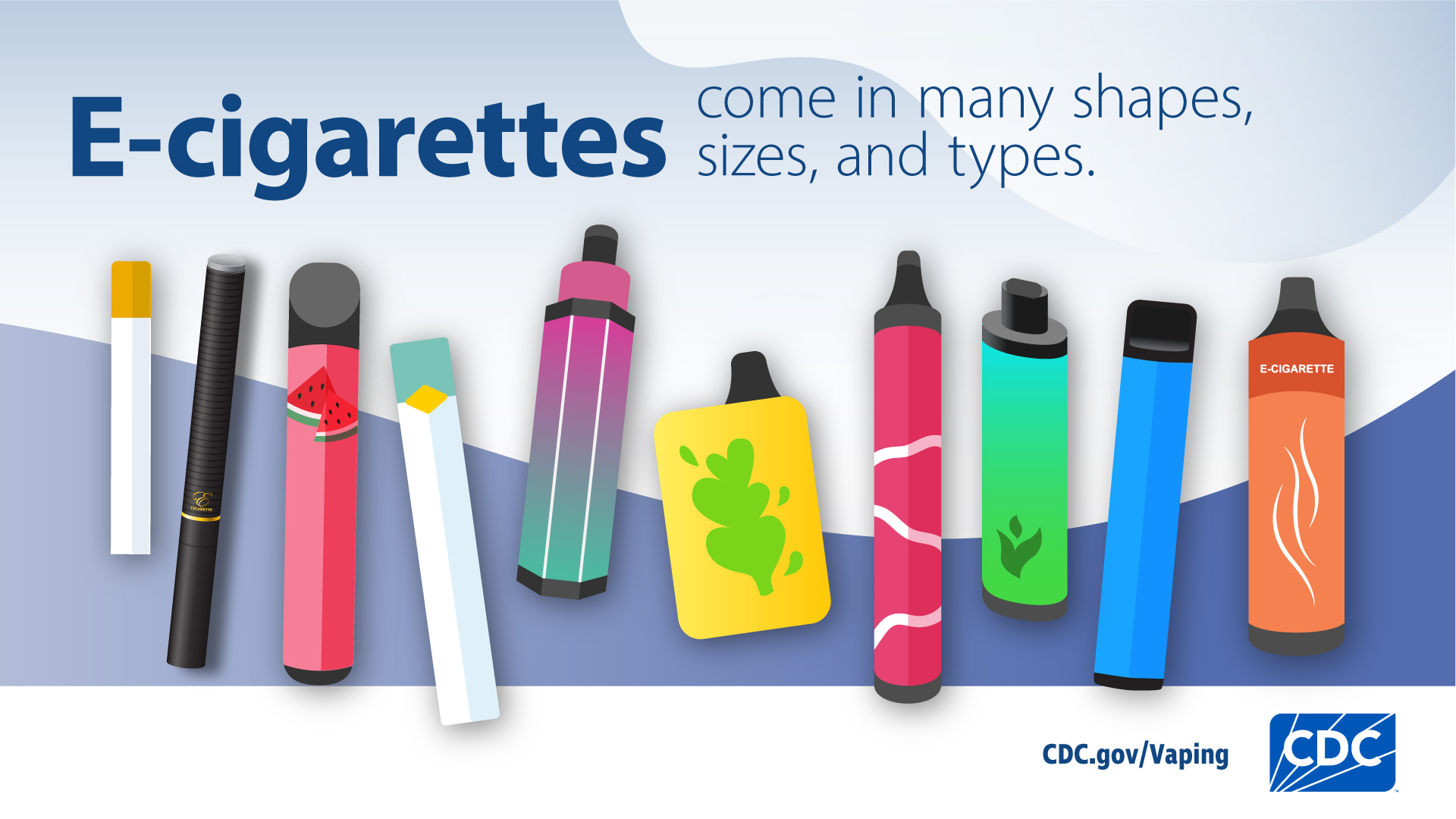
Evolution of Vaping Devices: From Ciga-likes to Advanced Systems
The technological journey of vapes is a testament to rapid innovation, mirroring trends seen in other consumer electronics. From humble beginnings, devices have undergone several generations of development, each bringing significant technological leaps in power, efficiency, customization, and user experience.
First Generation: Simplicity and Familiarity
The earliest commercial vapes, appearing in the mid-2000s, were known as “ciga-likes” due to their resemblance to traditional cigarettes. These devices were typically small, disposable, or featured simple two-piece designs (a battery and a combined cartridge/atomizer). They were characterized by:
-
Low power output: Limited battery capacity and basic heating elements.
-
Automatic activation: Often activated by a simple puff, mimicking smoking.
-
Basic closed systems: Non-refillable cartridges with integrated atomizers.
-
Limited vapor production and flavor range: Technology was rudimentary.
These devices served as proof-of-concept, introducing the idea of electronic vaporization, but offered limited performance compared to later innovations.
Second Generation: Enhanced Performance and Customization
The late 2000s and early 2010s saw the emergence of “vape pens” and early “mods” (modified devices). These represented a significant technological leap, moving away from the cigarette form factor towards more robust, powerful, and customizable systems:
-
Larger batteries: Increased capacity, often with manual firing buttons.
-
Refillable tanks: Allowing users to choose their e-liquids and extend device life.
-
Replaceable atomizers: Coils could be swapped out, reducing waste and improving maintenance.
-
Variable voltage/wattage: Early chipsets allowed users to adjust power output, impacting vapor production and flavor. This introduced a new layer of user control.
-
Clearomizers and cartomizers: Innovations in tank and atomizer design for better wicking and vapor delivery.
This generation marked the transition towards vapes as distinct electronic devices, rather than mere cigarette imitations, opening the door for greater experimentation and personalization.
Third Generation: Power, Precision, and Personalization
The current era of vaping technology, dominant since the mid-2010s, is defined by advanced “box mods,” sophisticated pod systems, and increasingly intelligent devices. This generation prioritizes high performance, extensive customization, and user-friendly interfaces:
-
High wattage output: Capable of delivering significant power (over 200W in some cases) for massive vapor production, necessitating advanced battery management and heat dissipation.
-
Temperature Control (TC) technology: Advanced chipsets allow users to set a maximum coil temperature, preventing dry hits and offering a more consistent vape. This requires specialized coil materials (nickel, titanium, stainless steel) whose resistance changes predictably with temperature.
-
Sub-ohm vaping: The use of coils with resistance below 1.0 ohm, requiring higher power to produce significantly more vapor. This necessitated redesigns of battery safety, airflow, and e-liquid formulations.
-
Integrated screens and intuitive interfaces: OLED screens display detailed information (wattage, resistance, battery life, puff counter) and allow for complex settings adjustments.
-
Advanced safety features: Multi-layer protections against short circuits, overcharging, over-discharging, and reverse battery polarity are standard.
-
Pod systems and AIOs (All-in-Ones): While box mods cater to advanced users, the miniaturization of technology has also led to sophisticated pod systems offering convenience, portability, and excellent performance in a compact form, often utilizing nicotine salt e-liquids.
These advancements demonstrate a clear technological progression, pushing the boundaries of what is possible with portable vaporization devices.
Understanding Different Vaping Technologies
Within the modern landscape, several distinct technological approaches cater to different user preferences, emphasizing either power, portability, or simplicity.
Pod Systems: Convenience and Portability

Pod systems represent a technological triumph in miniaturization and ease of use. They consist of a small battery and a detachable, often disposable, “pod” that contains the e-liquid and an integrated coil.
-
Technology focus: Optimizing power delivery for compact coils, efficient battery usage, and leak prevention in a small form factor.
-
Nicotine salt compatibility: Many pod systems are designed to work optimally with nicotine salt e-liquids, providing a smoother experience at higher nicotine concentrations, making them appealing to those transitioning from traditional cigarettes.
-
Draw activation: Many feature highly responsive air-pressure sensors for intuitive, inhale-activated use.
-
Magnetic connections: Pods often connect to the battery via secure magnetic links, simplifying replacement.
Mod Systems: Customization and Power
Mod systems, particularly “box mods,” are the workhorses of the vaping world, offering unparalleled control and performance. They are characterized by their robust construction, often housing multiple external batteries, and advanced chipsets.
-
Technology focus: Delivering high wattage, precise temperature control, and a customizable vaping experience. This involves sophisticated power regulation, advanced thermal management, and comprehensive safety features.
-
Interchangeable components: Users can swap out tanks, atomizers (including rebuildable atomizers like RDAs and RTAs), and batteries, allowing for a highly personalized setup.
-
Advanced chipsets: These microprocessors manage complex functions like variable wattage/voltage, temperature control for various coil materials, bypass mode, puff counters, and diagnostic displays.
-
Firmware updates: Some mods allow for firmware updates, extending the device’s lifespan and adding new features, akin to smartphone technology.
Disposable Vapes: Simplicity and Accessibility
Disposable vapes represent the ultimate in user convenience, offering a pre-filled, pre-charged device that is discarded once the e-liquid runs out or the battery dies.
-
Technology focus: Maximizing efficiency for a single-use lifecycle. This involves cost-effective manufacturing of internal components, optimized battery-to-e-liquid ratios, and reliable, leak-free design.
-
Integrated components: All elements (battery, e-liquid, atomizer) are sealed within a compact, non-rechargeable, non-refillable unit.
-
Draw-activated: Almost universally activated by inhaling, eliminating buttons and complex interfaces.
-
High nicotine concentration: Often pre-filled with high-strength nicotine salt e-liquids to deliver a satisfying experience in a small puff count.
Safety and Regulation in Vaping Technology
As vaping technology advanced, so too did the imperative for safety. The technological design and manufacturing of vapes are increasingly scrutinized, with a focus on mitigating potential risks associated with batteries, e-liquids, and device construction.
Battery Technology and Safety Protocols
Lithium-ion batteries, while powerful, carry inherent risks if mishandled or if devices lack proper protection. Technological advancements in battery safety include:
-
Integrated protection circuits: Most modern devices include circuitry to prevent overcharging, over-discharging, short circuits, and reverse polarity.
-
Ventilation and thermal management: Device designs often incorporate vents to safely release gas in the event of battery venting and materials chosen for efficient heat dissipation.
-
Chipset monitoring: Advanced chipsets continuously monitor battery voltage and temperature, shutting down the device if parameters exceed safe limits.
-
User education: While not a device technology, manufacturers often provide extensive guidance on safe battery handling and storage.
E-Liquid Formulation Standards
The chemical engineering behind e-liquids now involves stricter standards to ensure safety during vaporization:
-
Ingredient purity: Reputable manufacturers use pharmaceutical-grade PG, VG, and nicotine, and food-grade flavorings.
-
Diacetyl-free formulations: Research into harmful inhalants led to a push for diacetyl-free flavorings.
-
Quality control: Advanced analytical techniques (e.g., gas chromatography-mass spectrometry) are used to test for contaminants and ensure consistency.
-
Tamper-proof packaging: Technological solutions like child-resistant caps are standard to prevent accidental ingestion.
Device Construction and Material Science
The physical construction of vape devices also incorporates specific technological considerations for safety and durability:
-
High-grade materials: Use of durable, heat-resistant, and non-reactive materials like stainless steel, Pyrex glass, and high-quality plastics.
-
Precision machining: Ensures tight tolerances, preventing leaks and ensuring proper electrical connections.
-
Insulation: Proper insulation within the device protects users from electrical components and excessive heat.
-
Certifications: Adherence to international electrical safety standards (e.g., CE, FCC, RoHS) ensures devices meet baseline safety requirements.
The Future of Vaping Technology
The relentless pace of technological innovation suggests that vaping devices will continue to evolve, integrating cutting-edge features and addressing emerging user needs and environmental concerns.
Smart Vapes and IoT Integration
The future of vaping may see closer integration with the Internet of Things (IoT) and smart device functionalities:
-
Bluetooth connectivity: Devices could connect to smartphone apps for detailed usage statistics, remote control of settings, firmware updates, and even personalized vaping profiles.
-
Health monitoring: Integration of sensors for monitoring puff count, nicotine intake, or even biometric data, connecting to health apps.
-
AI-driven optimization: AI algorithms could learn user preferences and automatically adjust power settings or temperature for an optimized experience.
-
Location-based restrictions: Geofencing technology could potentially disable devices in restricted areas (e.g., schools, hospitals), though this raises privacy concerns.
Advancements in Heating Elements
The core vaporization technology is ripe for further innovation:
-
Ceramic heating: Moving beyond traditional coils to ceramic heating elements could offer more consistent heating, longer coil life, and a purer flavor profile by minimizing contact between the liquid and metal.
-
Ultrasonic atomization: Research into ultrasonic technology, which uses high-frequency vibrations to create a vapor without heat, could revolutionize safety and flavor delivery by eliminating burning altogether.
-
Advanced materials: Exploration of novel materials for coils and wicks that offer superior heat resistance, efficiency, and longevity, potentially reducing reliance on traditional metals.
Sustainable Vaping Solutions
With environmental concerns gaining prominence, future vape technology will likely focus on sustainability:
-
Biodegradable components: Development of biodegradable plastics for disposable devices and pods.
-
Enhanced recyclability: Designing devices for easier disassembly and recycling of batteries and electronic components.
-
Energy efficiency: More efficient battery technology and power management systems to extend battery life and reduce charging frequency.
-
Modular designs: Encouraging more modular and repairable devices to reduce electronic waste.
In conclusion, vapes are far more than simple nicotine delivery systems; they are sophisticated electronic devices embodying a rich tapestry of technological innovation. From their fundamental components and intricate vaporization processes to their rapid evolution and future trajectory, understanding “what vapes are” is fundamentally an exploration of applied electrical engineering, material science, and chemical technology. As the field continues to advance, the future promises even more intelligent, efficient, and potentially sustainable vaping solutions, solidifying their place within the broader landscape of consumer electronics and personal tech.
aViewFromTheCave is a participant in the Amazon Services LLC Associates Program, an affiliate advertising program designed to provide a means for sites to earn advertising fees by advertising and linking to Amazon.com. Amazon, the Amazon logo, AmazonSupply, and the AmazonSupply logo are trademarks of Amazon.com, Inc. or its affiliates. As an Amazon Associate we earn affiliate commissions from qualifying purchases.