
For veterans, active-duty service members, and eligible surviving spouses, the VA home loan program represents one of the most significant financial benefits earned through military service. Central to this benefit is the interest rate. Unlike conventional mortgages, VA loan rates are often lower, more flexible, and backed by a federal guarantee that changes the risk profile for lenders. Understanding what VA loan rates are, how they are determined, and how they impact long-term wealth is essential for any military family looking to navigate the complex landscape of personal finance.
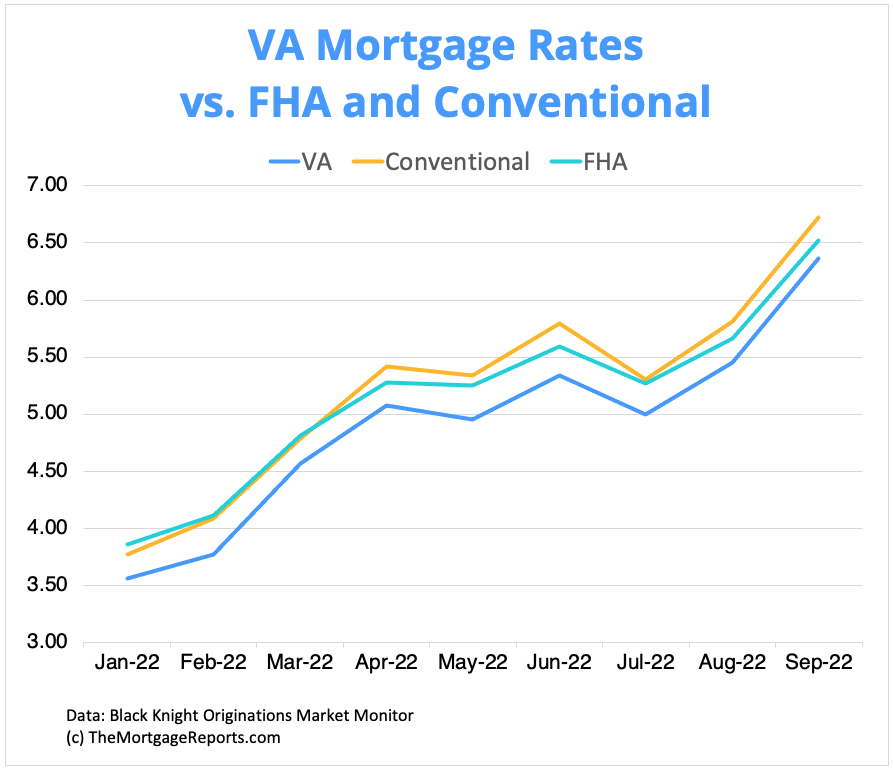
VA loan rates are the interest percentages charged by private lenders for mortgages guaranteed by the U.S. Department of Veterans Affairs. While the government provides the guarantee, it does not set the interest rates or lend the money directly. Instead, a marketplace of private banks, credit unions, and mortgage companies competes for the business of veterans, leading to a dynamic environment where rates fluctuate daily based on broader economic trends and individual borrower profiles.
The Financial Foundation of VA Mortgage Rates
To understand VA loan rates, one must first recognize that they do not exist in a vacuum. They are deeply tethered to the global financial markets, specifically the performance of mortgage-backed securities (MBS). When investors buy MBS, they are essentially buying the debt of homeowners. Because VA loans are government-backed, they are viewed as lower-risk investments. This lower risk profile often translates into lower interest rates for the borrower compared to conventional loans.
The Role of the Secondary Market and Ginnie Mae
Most VA loans are bundled into securities guaranteed by Ginnie Mae (the Government National Mortgage Association). Because Ginnie Mae securities carry the full faith and credit of the U.S. government, they are highly attractive to global investors. When demand for these securities is high, prices go up and yields (interest rates) go down. This mechanism is the primary reason why VA rates often sit 0.25% to 0.50% lower than conventional mortgage rates.
Federal Reserve Policy and Economic Indicators
While the Federal Reserve does not set mortgage rates, its monetary policy heavily influences them. When the Fed raises the federal funds rate to combat inflation, the cost of borrowing increases across the economy, pushing VA loan rates upward. Conversely, in a slowing economy, the Fed may lower rates to stimulate borrowing, which generally leads to a decrease in mortgage rates. Inflation is the greatest enemy of fixed-income investments like mortgages; when inflation expectations rise, lenders demand higher interest rates to compensate for the loss of purchasing power over the life of the loan.
Lender Overlays and Competitive Pricing
Because the VA does not dictate the final rate, each lender applies its own “overlays”—additional requirements or pricing adjustments based on their internal risk tolerance and profit margins. This is why a veteran might receive three different rate quotes from three different banks on the same day. Lenders consider their operational costs, the volume of loans they are processing, and their desire to gain market share when setting their daily VA rate sheets.
Personal Variables and Rate Sensitivity
While market forces set the baseline for VA loan rates, the specific rate a borrower receives is influenced by their unique financial profile. Even though the VA program is designed to be more accessible than conventional financing, lenders still utilize traditional risk assessment tools to determine the final pricing offered to a service member.
Credit Score and Financial History
The VA does not have a minimum credit score requirement, but almost all lenders do. Most lenders look for a “benchmark” score, often around 620, though some “specialty” lenders may go lower. A higher credit score typically unlocks lower interest rates. For example, a borrower with a 740 score may receive a significantly better rate than someone with a 640 score, as the lender perceives less risk of default. This makes credit repair and maintenance a vital component of pre-loan financial planning.
Debt-to-Income (DTI) Ratios and Residual Income
Lenders evaluate a borrower’s Debt-to-Income ratio to ensure they can manage monthly payments. While the VA is famously flexible—allowing for higher DTI ratios than conventional loans if certain “residual income” requirements are met—an exceptionally high DTI can sometimes lead to higher rates or additional scrutiny. Residual income is a unique VA calculation that ensures a veteran has enough money left over after all monthly bills are paid to cover basic living expenses like food and gasoline. Lenders view a healthy residual income as a buffer that justifies a competitive interest rate.
Loan Term and Amortization Schedules
The length of the loan also dictates the rate. Traditionally, a 15-year fixed-rate VA loan will offer a lower interest rate than a 30-year fixed-rate loan. This is because the lender is exposed to interest rate risk for a shorter period. While the monthly payment on a 15-year loan is higher due to the faster principal repayment, the total interest paid over the life of the loan is drastically reduced, making it a powerful tool for long-term wealth building.
Comparing VA Rates with the Broader Mortgage Market
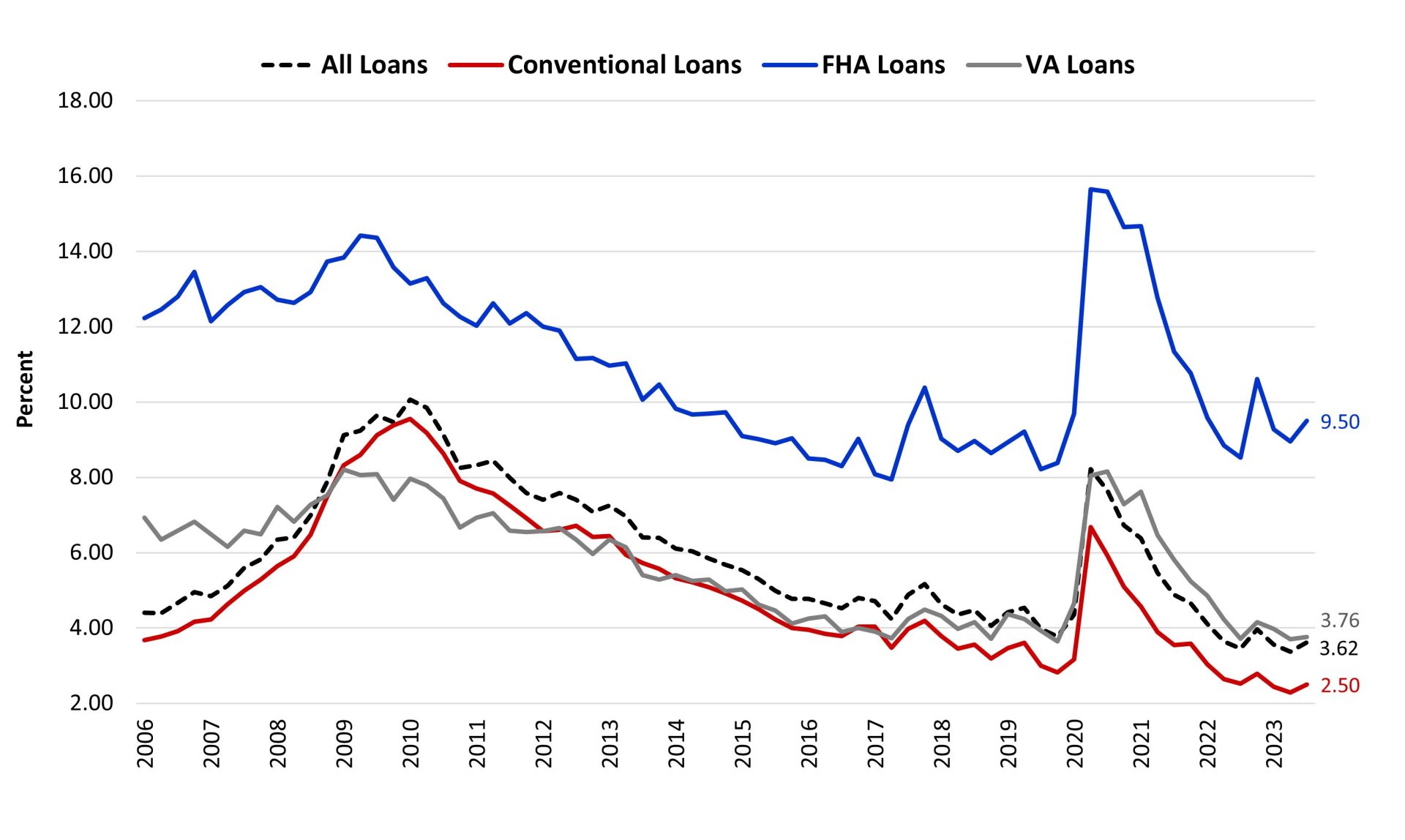
One of the most significant advantages of the VA loan program is how its rates compare to Conventional and FHA loans. For many veterans, the VA loan is the most cost-effective way to enter the housing market, not just because of the zero-down-payment requirement, but because of the underlying rate structure.
Why VA Rates Typically Underperform Conventional Rates
Conventional loans are usually governed by Fannie Mae and Freddie Mac. These entities require private mortgage insurance (PMI) if the borrower puts down less than 20%. VA loans, however, never require PMI. When you combine the absence of PMI with an interest rate that is statistically lower than conventional benchmarks, the monthly savings for a veteran can be hundreds of dollars. Over a 30-year period, this can equate to tens of thousands of dollars in saved interest and fees.
The Impact of the VA Funding Fee
While discussing rates, it is crucial to mention the VA Funding Fee. This is a one-time fee paid to the Department of Veterans Affairs to help sustain the program. While it is not part of the interest rate itself, it can be rolled into the loan amount, which slightly increases the principal and, by extension, the total interest paid. However, veterans with service-connected disabilities are typically exempt from this fee, further lowering their effective “cost of capital” and making their VA loan rate even more advantageous.
Specialized VA Loan Products and Rate Variations
The VA program offers several different types of loans, each with its own rate dynamics. Choosing the right product depends on the veteran’s financial goals and the current interest rate environment.
The Interest Rate Reduction Refinance Loan (IRRRL)
Often called a “VA Streamline Refinance,” the IRRRL is designed to help veterans lower their interest rate with minimal paperwork and no appraisal in most cases. The primary requirement is that the refinance must result in a lower interest rate (unless switching from an ARM to a fixed-rate loan) and must provide a clear “net tangible benefit.” This product allows veterans to jump on lower market rates quickly when the economy shifts.
Cash-Out Refinancing Strategies
A VA Cash-Out Refinance allows veterans to take equity out of their home to pay off high-interest debt, fund home improvements, or bolster investments. Unlike the IRRRL, the rates for a cash-out refinance may be slightly higher than a standard purchase rate because the loan-to-value ratio is higher, which represents increased risk for the lender. However, even these rates are typically much lower than credit card interest or personal loan rates.
Fixed-Rate vs. Adjustable-Rate Mortgages (ARMs)
Most veterans opt for a fixed-rate mortgage, where the interest rate remains the same for the life of the loan. This provides stability and protection against rising inflation. However, VA ARMs are available and often feature lower “teaser” rates for the first few years. These can be strategic for service members who know they will be relocated (PCS) within a short timeframe, though they carry the risk of rate increases in the future.
Proactive Steps to Secure the Lowest Possible VA Rate
Securing the best VA loan rate requires more than just checking a daily ticker. It requires a strategic approach to the lending market and an understanding of how to leverage the unique aspects of the military benefit.
Shopping Multiple Lenders and Comparison Tools
The single most effective way to lower a VA loan rate is to shop around. Because lenders have different overhead costs and risk appetites, quotes can vary wildly. Financial experts recommend obtaining at least three different Loan Estimates. When comparing these estimates, veterans should look not just at the “headline” interest rate, but also at the Annual Percentage Rate (APR), which includes the interest rate plus other loan fees, providing a more accurate picture of the total cost.
Understanding and Utilizing Discount Points
Borrowers have the option to “buy down” their interest rate by paying discount points at closing. One point typically costs 1% of the loan amount and lowers the interest rate by approximately 0.25%. For a veteran planning to stay in their home for a long time, paying points upfront can be a wise investment, as the monthly savings will eventually exceed the initial cost of the points—a calculation known as the “break-even point.”

Timing the Market and Rate Locks
Mortgage rates can change multiple times a day based on economic news or geopolitical events. Once a veteran finds a rate they are comfortable with, they should consider a “rate lock.” This agreement guarantees the interest rate for a specific period (usually 30 to 60 days) while the loan is processed. Without a lock, the rate could rise before the loan closes, potentially costing the borrower thousands of dollars over time.
In the realm of personal finance, the VA loan remains one of the most powerful instruments for building equity and securing a stable financial future. By understanding the forces that drive VA loan rates—from global bond markets to personal credit scores—veterans can make informed decisions that maximize their hard-earned benefits. Whether purchasing a first home or refinancing an existing one, staying educated on the current state of VA rates is the key to long-term fiscal health.
aViewFromTheCave is a participant in the Amazon Services LLC Associates Program, an affiliate advertising program designed to provide a means for sites to earn advertising fees by advertising and linking to Amazon.com. Amazon, the Amazon logo, AmazonSupply, and the AmazonSupply logo are trademarks of Amazon.com, Inc. or its affiliates. As an Amazon Associate we earn affiliate commissions from qualifying purchases.