
Understanding VA home loan rates is crucial for eligible service members, veterans, and surviving spouses looking to leverage one of the most powerful benefits available to them for homeownership. While often competitive, these rates are not static and are influenced by a myriad of factors, making informed decision-making paramount. A VA home loan is more than just a mortgage; it’s a government-backed program designed to provide a path to affordable housing, often with significant advantages over conventional loans.
Understanding VA Home Loans: More Than Just a Rate
A VA loan is a mortgage option issued by private lenders, such as banks and mortgage companies, and guaranteed by the U.S. Department of Veterans Affairs (VA). This guarantee protects lenders from losses if the borrower defaults, which allows them to offer more favorable terms, including competitive interest rates, often without requiring a down payment or private mortgage insurance (PMI).
Eligibility Requirements for VA Loans
Before delving into rates, it’s essential to understand who qualifies. Eligibility for a VA loan generally hinges on military service history. This includes:
- Veterans who have served a minimum period, typically 90 consecutive days during wartime or 181 days during peacetime.
- Active-duty service members meeting specific service length requirements.
- National Guard and Reserve members who have served for a specified period.
- Surviving spouses of veterans who died in service or from a service-connected disability, provided they have not remarried (or remarried after a certain age).
Eligibility is confirmed via a Certificate of Eligibility (COE), which outlines the veteran’s entitlement. While the COE confirms eligibility for the loan program, it does not guarantee approval for a loan itself, as lenders will still assess creditworthiness and other financial factors.
Key Advantages of VA Loans
Beyond the competitive rates, VA loans offer several distinct benefits that can make homeownership more accessible and affordable:
- No Down Payment Requirement: For most borrowers, a VA loan allows for 100% financing, meaning no down payment is necessary. This is a significant advantage, especially for first-time homebuyers or those with limited savings.
- No Private Mortgage Insurance (PMI): Unlike conventional loans with less than a 20% down payment, VA loans do not require PMI. This can save borrowers hundreds of dollars per month, significantly reducing the overall housing cost.
- Limited Closing Costs: The VA sets limits on the closing costs lenders can charge, and in some cases, sellers are permitted to pay for some or all of the borrower’s closing costs.
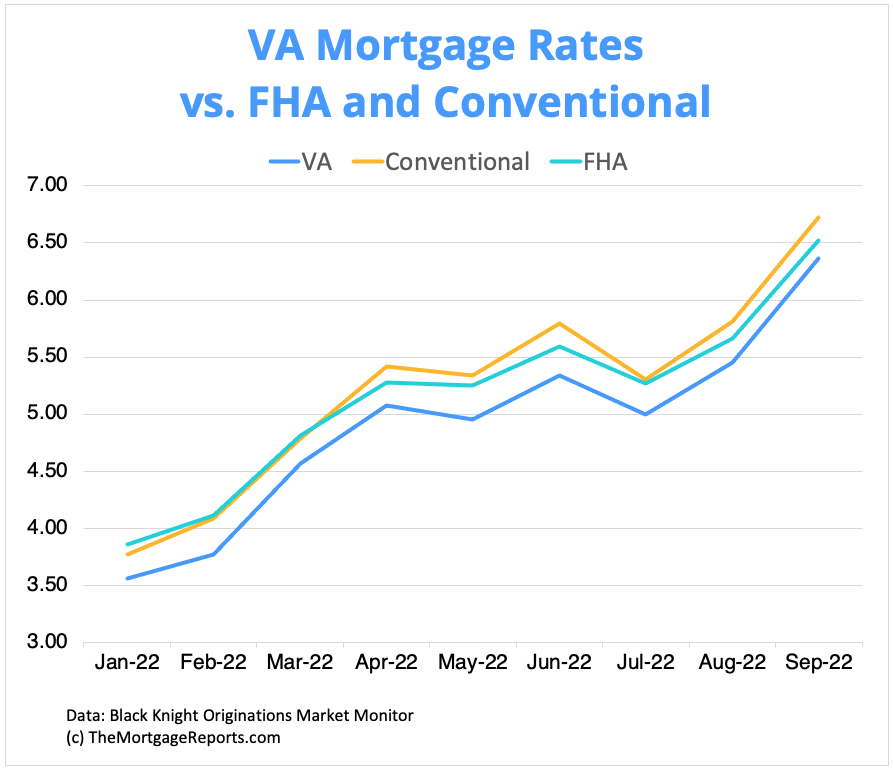
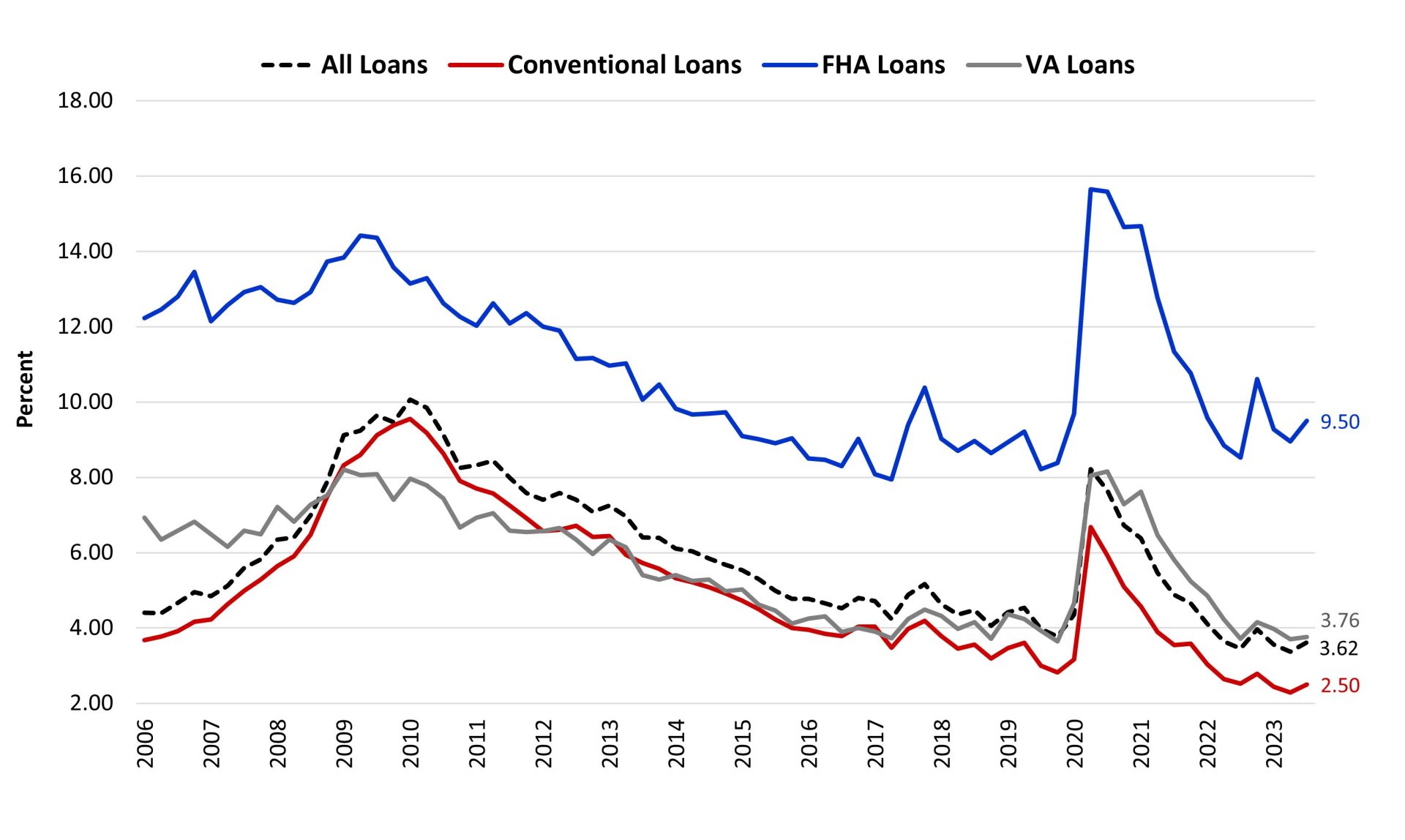
- Competitive Interest Rates: Due to the VA guarantee, lenders face less risk, often translating to lower interest rates compared to conventional and FHA loans.
- Flexible Underwriting Standards: While lenders still evaluate credit, VA loans often have more flexible credit and debt-to-income (DTI) requirements compared to other loan types.
- Assumability: VA loans are assumable, meaning a qualified buyer (who doesn’t necessarily have to be a veteran) can take over the existing mortgage with its original interest rate and terms. This can be a huge selling point in a rising interest rate environment.
Factors Influencing VA Home Loan Rates
VA home loan rates, like all mortgage rates, are dynamic and influenced by a complex interplay of economic forces and individual circumstances. Understanding these factors can help borrowers anticipate changes and plan accordingly.
Economic Indicators and Market Trends
The broader economic environment plays a significant role in determining mortgage rates:
- Federal Reserve Policy: While the Federal Reserve doesn’t directly set mortgage rates, its monetary policy decisions, such as adjusting the federal funds rate, influence the overall cost of borrowing for banks. This, in turn, affects the interest rates banks charge consumers for various loans, including mortgages.
- Inflation: High inflation can lead to higher interest rates as lenders demand greater compensation for the reduced purchasing power of future repayments.
- Bond Market Performance: Mortgage rates are closely tied to the performance of the bond market, particularly U.S. Treasury yields and mortgage-backed securities (MBS). When bond yields rise, mortgage rates tend to follow suit, and vice-versa.
- Economic Growth and Employment: A strong economy with robust job growth can lead to increased demand for housing and, potentially, higher interest rates as the market anticipates inflation or a more aggressive Fed policy.
Lender-Specific Adjustments
While the VA guarantees the loan, private lenders ultimately set the rates. Different lenders may offer slightly different rates based on several factors:
- Lender’s Cost of Funds: The cost at which a lender can borrow money influences the rates they offer to consumers.
- Overhead and Profit Margins: Lenders need to cover their operational costs and generate profit, which are factored into their rates.
- Competitive Landscape: In a competitive market, lenders may offer slightly lower rates to attract borrowers.
- Risk Assessment Models: Although the VA guarantees the loan, lenders still perform their own risk assessment based on market conditions and their internal policies.
Borrower-Specific Factors
Beyond the market, your personal financial profile significantly impacts the rate you’re offered:
- Credit Score: A higher credit score (typically FICO score) indicates lower risk to lenders, often qualifying you for the most favorable interest rates. While the VA doesn’t set a minimum credit score, most lenders require a score of 620 or higher, with the best rates going to those with scores above 740.
- Debt-to-Income (DTI) Ratio: This ratio compares your total monthly debt payments to your gross monthly income. A lower DTI signifies that you can comfortably manage your existing debts and new mortgage payments, making you a less risky borrower. While the VA has a residual income test, lenders will also look at DTI, typically preferring a ratio below 41%.
- Loan Term: Shorter loan terms (e.g., 15-year mortgages) generally come with lower interest rates than longer terms (e.g., 30-year mortgages) because the lender’s money is tied up for a shorter period.
- Loan Amount: Very large or very small loan amounts might sometimes have slightly different rates based on lender policies and risk calculations.
- Points (Discount Points): Borrowers have the option to pay discount points upfront to “buy down” their interest rate. Each point typically costs 1% of the loan amount and can reduce the interest rate by a certain fraction, leading to lower monthly payments over the life of the loan. This can be a strategic move for borrowers planning to stay in their home for many years.
Types of VA Loan Rates: Fixed vs. Adjustable
VA loans are available with both fixed and adjustable interest rates, each suiting different financial situations and risk tolerances.
Fixed-Rate VA Loans
The most common choice, a fixed-rate VA loan, means your interest rate remains the same for the entire life of the loan (typically 15 or 30 years). This provides stability and predictability in your monthly mortgage payments, regardless of market fluctuations. It’s an excellent option for borrowers who prefer consistent payments and plan to stay in their home for the long term.
Adjustable-Rate VA Loans (ARMs)
VA ARMs start with an initial fixed interest rate for a specific period (e.g., 3, 5, or 7 years). After this initial period, the rate adjusts periodically (e.g., annually) based on a specified market index plus a fixed margin. While ARMs typically offer lower initial rates than fixed-rate loans, the payments can increase or decrease over time, introducing an element of unpredictability. ARMs might be suitable for borrowers who anticipate selling or refinancing before the fixed-rate period ends or those who are comfortable with potential payment changes. The VA sets limits on how much the rate can adjust both annually and over the life of the loan, offering some protection.
Beyond the Rate: Total Cost of a VA Loan
While the interest rate is a significant component, it’s crucial to consider the overall cost of a VA loan, which includes various fees and charges.
VA Funding Fee Explained
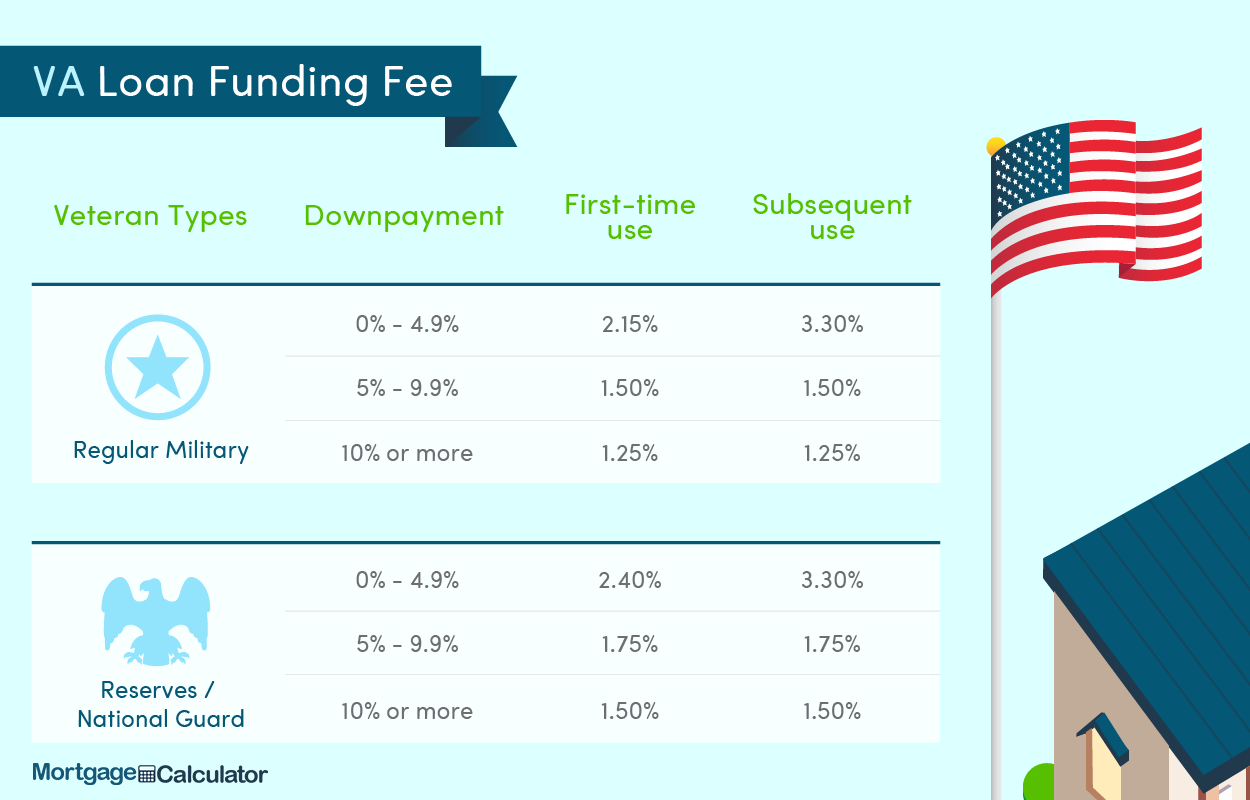
One unique cost associated with VA loans is the VA Funding Fee. This mandatory fee helps offset the cost of the VA loan program to taxpayers and reduces the risk to the VA. The amount of the funding fee varies depending on several factors:
- Down Payment Amount: Borrowers making a down payment of 5% or more typically pay a lower funding fee.
- Loan Type: The fee differs for purchase loans versus refinance loans (e.g., cash-out refinances).
- Prior Use of VA Loan Benefit: Borrowers using their VA loan benefit for the first time generally pay a lower fee than those who have used it before.
- Exemptions: Certain veterans are exempt from paying the funding fee, including those receiving VA compensation for a service-connected disability, veterans who would be entitled to compensation for a service-connected disability but for receiving retirement pay, and surviving spouses receiving Dependency and Indemnity Compensation (DIC).
The funding fee can be paid at closing or rolled into the loan amount, increasing the principal balance and, consequently, the total interest paid over the life of the loan.
Other Closing Costs
In addition to the funding fee, borrowers will incur other typical closing costs, which can include:
- Origination Fees: Charged by the lender for processing the loan.
- Appraisal Fees: For assessing the home’s value.
- Title Insurance and Services: For ensuring clear ownership of the property.
- Recording Fees: Paid to local government to record the property transfer.
- Prepaid Items: Such as property taxes and homeowner’s insurance premiums, paid upfront.
The VA limits the closing costs lenders can charge, and sellers can contribute towards a portion of these costs, which can further reduce the out-of-pocket expenses for the veteran.
The Importance of Lender Fees
Different lenders may have varying fee structures. Some might charge a higher origination fee but offer a slightly lower interest rate, while others might have lower fees but a marginally higher rate. It’s essential to compare the total cost of the loan, including all fees and the interest rate, when evaluating offers from multiple lenders. A “no-closing-cost” loan often means these costs are rolled into a higher interest rate, so always calculate the true long-term financial impact.
Navigating the Market: How to Secure the Best VA Rate
Securing the most favorable VA home loan rate requires preparation and diligence. A proactive approach can significantly impact your long-term financial outlook.
Improving Your Financial Profile
Before applying for a loan, take steps to strengthen your financial standing:
- Boost Your Credit Score: Pay bills on time, reduce credit card balances, and avoid opening new credit accounts. A higher credit score signals lower risk to lenders.
- Lower Your Debt-to-Income Ratio: Pay down existing debts, especially high-interest credit cards, to improve your DTI. This demonstrates your ability to manage additional mortgage payments.
- Save for a Down Payment (Optional but Beneficial): While not required for VA loans, even a small down payment can reduce your VA funding fee and potentially make you eligible for slightly better rates from some lenders.
- Build Cash Reserves: Having emergency savings can make your application more attractive to lenders, showing financial stability beyond just the down payment.
Shopping Around for Lenders
Do not settle for the first offer you receive. Mortgage rates can vary significantly between lenders, sometimes by as much as a quarter to half a percentage point for the same borrower profile.
- Compare Multiple Offers: Contact at least three to five different lenders (banks, credit unions, and mortgage brokers) and get personalized rate quotes. Ensure you are comparing apples to apples by requesting quotes for the same loan type, term, and date.
- Ask for a Loan Estimate: Lenders are required to provide a standardized Loan Estimate form within three business days of receiving your application. This document clearly outlines the interest rate, estimated monthly payment, and all closing costs, making it easier to compare offers.
- Inquire About Lender Fees: Beyond the interest rate, examine all fees associated with the loan. Some lenders might offer a slightly lower rate but charge higher upfront fees.
Understanding Rate Locks
Once you’ve found a favorable rate and chosen a lender, inquire about a rate lock. A rate lock guarantees your interest rate for a specific period (e.g., 30, 45, or 60 days) while your loan is being processed. This protects you from potential rate increases before closing. Discuss the terms of the rate lock, including its duration and any associated fees, with your lender.
In conclusion, VA home loan rates are a powerful benefit, offering eligible individuals a cost-effective path to homeownership. By understanding the factors that influence these rates, improving your financial profile, and diligently shopping for lenders, you can secure the best possible terms for your VA mortgage.
aViewFromTheCave is a participant in the Amazon Services LLC Associates Program, an affiliate advertising program designed to provide a means for sites to earn advertising fees by advertising and linking to Amazon.com. Amazon, the Amazon logo, AmazonSupply, and the AmazonSupply logo are trademarks of Amazon.com, Inc. or its affiliates. As an Amazon Associate we earn affiliate commissions from qualifying purchases.