
The humble US nickel, a ubiquitous fixture in daily transactions, holds a fascinating story that intertwines history, material science, and fundamental economic principles. Far from being just a piece of metal, its composition reflects strategic decisions influenced by war, resource availability, and the very nature of currency itself. Understanding what a nickel is made of offers a unique lens through which to explore concepts like intrinsic value, government finance, and the broader mechanisms of a national economy.
The Enduring Composition of the “Nickel”
For most of its existence, the five-cent coin has been synonymous with a specific metal alloy, giving the coin its popular name. This composition has been a cornerstone of its durability and acceptance, embodying a blend of practical and economic considerations.
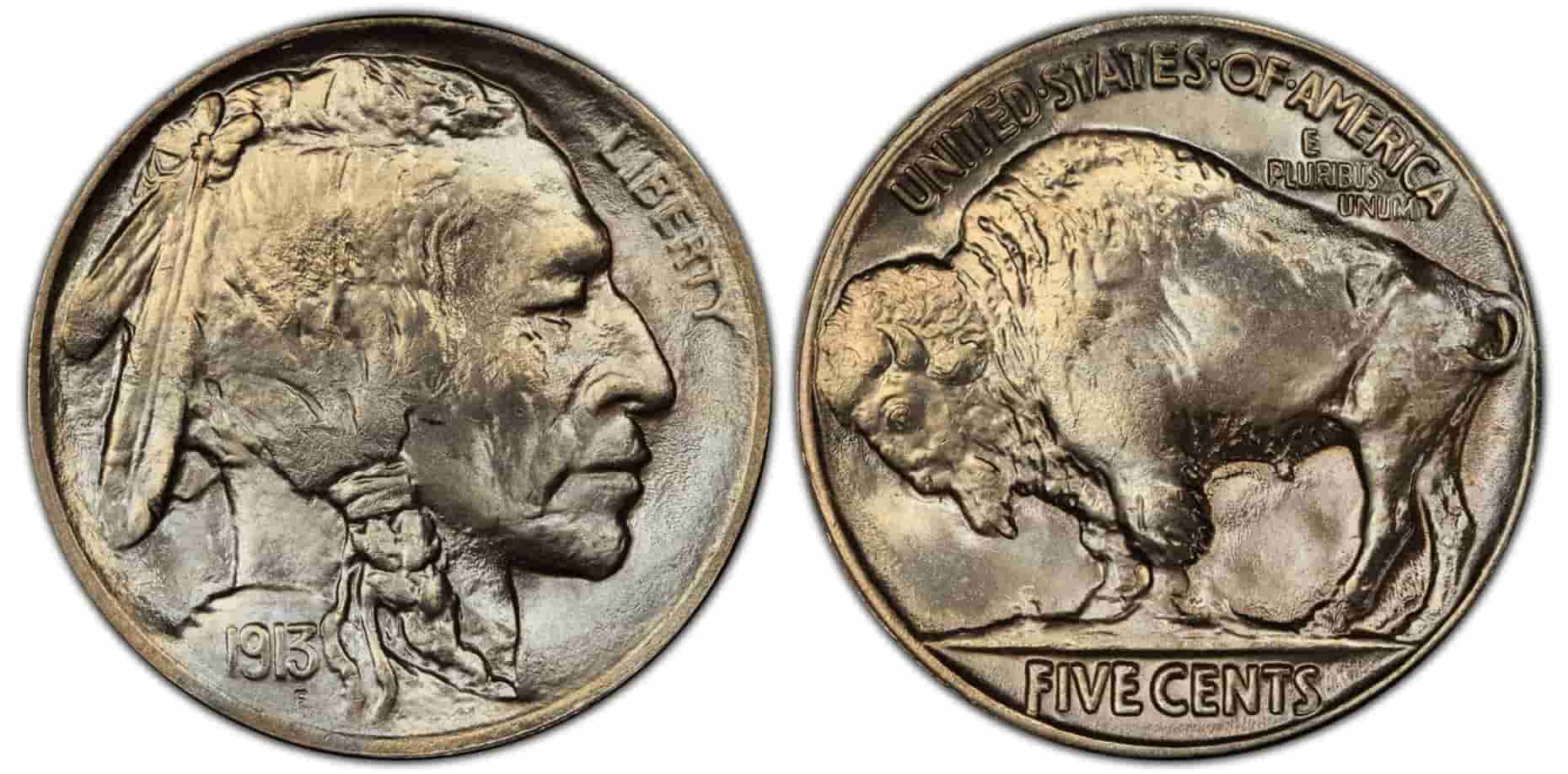
The Cupro-Nickel Standard
The vast majority of US nickels minted since 1866 have been composed of an alloy that is 75% copper and 25% nickel. This specific blend gives the coin its characteristic silvery appearance, which can sometimes be mistaken for silver, especially when new. The term “nickel” for the coin itself is a direct reference to the significant portion of nickel metal it contains. This alloy is strong, resistant to corrosion, and holds its shape well, making it ideal for high-circulation coinage.
A Legacy of Durability and Function
The choice of copper and nickel was not arbitrary. Copper provides malleability and conductivity, while nickel contributes hardness, strength, and corrosion resistance. This combination results in a coin that can withstand the rigors of daily use without degrading quickly, a crucial factor for currency intended for widespread circulation. Furthermore, nickel is a relatively inexpensive and abundant metal compared to precious metals like silver or gold, making it an economically viable choice for a low-denomination coin. The consistency of this composition has also played a role in public trust, ensuring a uniform and recognizable currency across generations.
Understanding Intrinsic vs. Face Value
Perhaps the most significant financial lesson derived from a nickel’s composition is the concept of intrinsic value versus face value. The “face value” of a nickel is five cents, meaning it is accepted as payment for that amount of goods or services. However, its “intrinsic value” refers to the market worth of the metals it contains. For the standard cupro-nickel coin, the melt value (the value of its constituent metals if melted down) is typically less than its face value. This distinction is fundamental to modern fiat currency systems, where the value of money is primarily derived from government decree and public trust rather than the inherent worth of its physical components. This allows governments to manage currency supply without being constrained by precious metal reserves, a critical aspect of contemporary monetary policy and economic stability.
A Brief History of Nickel Composition and Economic Pressures
While the cupro-nickel alloy has been the standard, the US nickel’s composition has seen changes, primarily driven by significant national economic and strategic imperatives. These historical shifts provide clear examples of how external pressures can influence even the smallest components of a financial system.
Pre-1866 Antecedents: The Half Dime
Before the introduction of the copper-nickel five-cent coin, the US equivalent was the “half dime.” These coins, first minted in the late 18th century, were made primarily of silver. Their composition reflected the bimetallic standard prevalent at the time, where currency value was tied directly to precious metals. However, as silver prices fluctuated and demand for small change increased, particularly during times of economic stress, the need for a more stable and less intrinsically valuable coin became apparent. The disappearance of silver coinage during the Civil War era, due to hoarding and melting, underscored this necessity.
The Civil War and the Birth of the Cupro-Nickel Nickel
The American Civil War proved to be a pivotal moment for US coinage. The economic upheaval and widespread hoarding of precious metal coins led to a severe shortage of circulating currency. To address this crisis and provide a stable medium for small transactions, Congress authorized the minting of a new five-cent coin in 1866. This coin, known as the “Shield Nickel,” was intentionally made of a copper-nickel alloy. This move was revolutionary at the time, establishing a precedent for a base-metal coin that derived its value from government decree rather than its metal content. It was a strategic shift that helped stabilize the economy during and after the war, ensuring that everyday commerce could continue even when precious metals were scarce or hoarded.
The Wartime Nickel (1942-1945): A Strategic Material Shift
Another significant, albeit temporary, change occurred during World War II. Nickel, a key component of the five-cent coin, was also a vital strategic metal for military production, particularly in armor plating and munitions. To conserve this critical resource for the war effort, the US Mint temporarily altered the nickel’s composition. From late 1942 to 1945, nickels were made of an alloy consisting of 35% silver, 56% copper, and 9% manganese. This “Wartime Nickel” or “Silver Nickel” is distinctive not only for its composition but also for a large mint mark (P, D, or S) located above the dome of Monticello on the reverse, indicating its special status. This period offers a clear illustration of how national emergencies can directly impact even the smallest aspects of a nation’s financial infrastructure, prioritizing wartime needs over traditional coinage practices. It also presents a unique case where the intrinsic value of the coin temporarily surpassed the typical cupro-nickel alloy due to its silver content.
The Financial Implications of Coinage Composition
Beyond its physical attributes, the composition of a nickel carries significant financial implications, affecting government revenue, economic stability, and the very psychology of monetary value.
Seigniorage: The Government’s Profit from Minting
The concept of seigniorage is directly linked to the composition and production cost of currency. Seigniorage is the profit made by a government when the face value of the money it produces is greater than the cost of producing it. For instance, if it costs 3 cents to manufacture a nickel, the government makes a profit of 2 cents on each coin. This “profit” contributes to government revenue and helps offset the costs of running the U.S. Mint and other treasury operations. The ability to generate seigniorage is a key advantage of a fiat currency system and an important, albeit often overlooked, component of national finance. The deliberate choice of inexpensive metals like copper and nickel ensures a positive seigniorage for the government under normal circumstances.
Cost of Production vs. Face Value
While seigniorage is generally positive for nickels, the cost of production is not static. Fluctuations in commodity prices can sometimes push the cost of manufacturing a coin perilously close to, or even above, its face value. This has been a recurring challenge for the U.S. Mint, particularly with the penny, but also occasionally impacts the nickel. If the cost to produce a nickel consistently exceeds five cents, the government would incur a loss on each coin minted, a situation known as “negative seigniorage.” This scenario sparks debates among policymakers and financial experts about the long-term viability of certain denominations, potential changes in composition, or even the elimination of low-value coins. Such discussions highlight the ongoing interplay between material costs, manufacturing efficiency, and the economic utility of physical currency.
The Threat of Melting and Economic Stability
When the intrinsic melt value of a coin approaches or exceeds its face value, it creates an economic incentive for individuals to hoard and melt down coins for their metal content. This phenomenon has historically affected US pennies (when copper prices soared) and could theoretically impact nickels if copper and nickel prices spiked dramatically. While large-scale melting of nickels has not been a significant issue, the potential threat underscores a crucial aspect of currency management. If coins are removed from circulation for their metal, it can lead to shortages of small change, disrupt commerce, and undermine public confidence in the currency system. Governments often impose strict penalties against melting circulating coinage to prevent such destabilization, demonstrating the importance of maintaining a healthy gap between intrinsic and face value for financial stability.
Beyond the Coin: Broader Financial Lessons
The composition of the US nickel, seemingly a minor detail, offers profound insights into the larger world of finance and economics. It serves as a tangible example of abstract financial principles that govern our daily lives and global markets.
The Power of Fiat Currency
The most significant financial lesson gleaned from the nickel’s composition is a reinforcement of the concept of fiat currency. A nickel’s value is not derived from its copper and nickel content, but from the trust placed in the US government and its economic system. This faith-based system allows central banks to manage monetary policy, control inflation, and stimulate economic growth in ways that would be impossible under a strict metallic standard. For individuals, understanding fiat currency is crucial for appreciating how modern financial instruments—from stocks and bonds to digital payments—derive their value not from inherent physical worth but from collective agreement and institutional backing. It underpins the entire framework of personal investing and capital markets.
Inflation and Purchasing Power
The changing costs of the metals in a nickel over time, even as its face value remains constant, provides a subtle illustration of inflation. As the general price level of goods and services rises, the purchasing power of that fixed five cents diminishes. What a nickel could buy a century ago is vastly different from what it buys today. This enduring truth underscores the importance of investing and financial planning to protect and grow wealth against the erosive effects of inflation. Understanding how inflation impacts fixed-value assets like cash and coins helps individuals make more informed decisions about savings, long-term investments, and business finance strategies.
Resource Management and Economic Policy
The decisions surrounding the nickel’s composition, particularly the wartime shift, highlight fundamental aspects of resource management and economic policy. Governments must balance the cost of production, the availability of materials, and the need for a durable, reliable currency. These choices reflect broader economic priorities, whether it’s conserving strategic resources during conflict, minimizing production costs, or maintaining public confidence in the monetary system. For business finance, these considerations are analogous to managing supply chains, optimizing production costs, and understanding the impact of commodity price volatility on profitability. The nickel, in its humble existence, is a constant reminder of the intricate web of decisions that shape our financial world.
aViewFromTheCave is a participant in the Amazon Services LLC Associates Program, an affiliate advertising program designed to provide a means for sites to earn advertising fees by advertising and linking to Amazon.com. Amazon, the Amazon logo, AmazonSupply, and the AmazonSupply logo are trademarks of Amazon.com, Inc. or its affiliates. As an Amazon Associate we earn affiliate commissions from qualifying purchases.