
The traditional model of doorstep delivery is undergoing a radical digital transformation. As e-commerce volume continues to surge globally, the logistics industry has turned to sophisticated technological solutions to solve the “last-mile” delivery problem. At the forefront of this evolution is the UPS Access Point network. While many see these simply as physical locations—like local convenience stores, pharmacies, or automated lockers—they are, in fact, sophisticated nodes in a global, data-driven smart logistics network.
To understand what UPS Access Points are, one must look beyond the brick-and-mortar facade and examine the software, hardware, and digital security protocols that allow this decentralized system to function seamlessly.
The Technological Framework of the UPS Access Point Network
At its core, the UPS Access Point network is a triumph of cloud-based inventory management and real-time data synchronization. When a package is redirected to an Access Point, it isn’t just physically moved; it is digitally transitioned through a complex ecosystem of APIs (Application Programming Interfaces) and proprietary software.
Cloud-Based Inventory Management
Every UPS Access Point operates on a unified cloud platform. When a driver drops off a parcel at a local partner location, they use a handheld DIAD (Delivery Information Acquisition Device). This device scans the package’s smart label, instantly updating the global UPS database via cellular or Wi-Fi networks. This triggers a cascade of automated events: the customer is notified via push notification, the local store’s inventory system logs the item, and the UPS backend prepares the digital “handshake” required for the customer to claim the package.
This level of synchronization requires massive server-side processing to ensure that thousands of locations are updated simultaneously without lag. For the consumer, this tech stack provides “live” visibility, reducing the anxiety of the “delivery attempted” notice and replacing it with precise, actionable data.
Seamless API Integration for E-Commerce
The success of Access Points is heavily dependent on how well they integrate with external digital platforms. Through the UPS Developer Kit, e-commerce retailers can integrate Access Point location searches directly into their checkout pages. This utilizes geolocation APIs to find the nearest “smart hub” to the user’s IP address or entered zip code.
By embedding this technology into the software layer of online shopping, UPS has turned the delivery choice into a data point. This integration allows for “dynamic routing,” where the delivery path of a package can be changed mid-transit based on the recipient’s digital instructions, a feat of logistics engineering that would be impossible without a robust, interconnected software architecture.
Digital Security and the Consumer App Experience
In an era where “porch piracy” and package theft are on the rise, the UPS Access Point network serves as a critical layer of digital security. This security is managed not just through physical locks, but through encrypted verification systems and advanced mobile application features.
The Role of the UPS My Choice Mobile App
The “brain” of the Access Point experience for the user is the UPS My Choice app. This application acts as a digital command center. From a technical standpoint, the app uses OAuth authentication and end-to-end encryption to ensure that only the verified recipient can manage or redirect a shipment.
The app leverages geofencing technology to alert users when they are near their designated Access Point, streamlining the pickup process. This integration of mobile software with physical logistics creates a “Phygital” (physical + digital) experience that prioritizes user agency and data transparency.
Biometrics and QR Codes: Enhancing Parcel Security
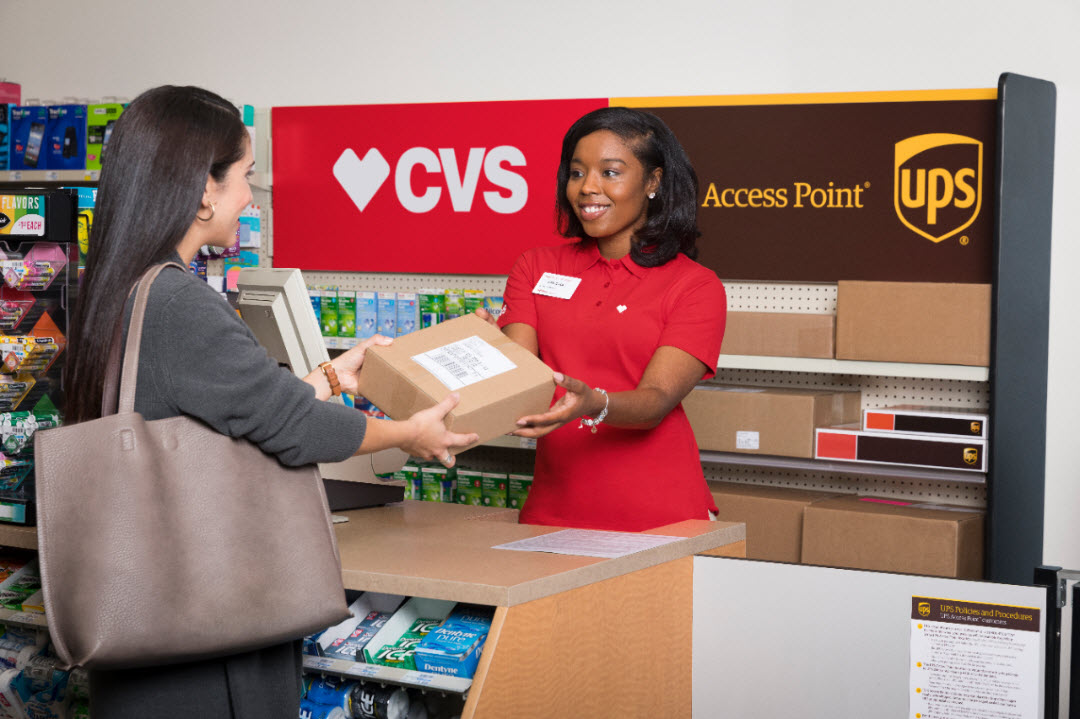
When a customer arrives at an Access Point, the verification process is entirely digitized. Rather than relying on easily forged paper slips, the system generates a unique, time-sensitive QR code within the app. The store attendant scans this code using a dedicated terminal, which cross-references the user’s digital ID with the package’s tracking number in the cloud.
For many Access Point lockers, the security is even more advanced. These kiosks often utilize high-resolution cameras and, in some regions, are experimenting with biometric verification or secondary SMS-based multi-factor authentication (MFA). By shifting the “key” to the package from a physical object to a digital token, UPS significantly reduces the risk of human error and unauthorized access.
The Impact of IoT and Data Analytics on Last-Mile Delivery
The UPS Access Point network is one of the world’s largest practical applications of the Internet of Things (IoT). Every locker and every handheld scanner is a connected device that feeds data back into an AI-driven engine designed to optimize the “last mile”—the most expensive and tech-heavy portion of the delivery cycle.
Predictive Analytics for Route Optimization
UPS uses an advanced on-road integrated optimization and navigation system known as ORION. By utilizing the data gathered from Access Points, ORION’s algorithms can determine if delivering to a single Access Point instead of twenty individual homes is more efficient.
This is not just a simple calculation; it involves predictive analytics. The software analyzes historical pickup data, traffic patterns, and even weather conditions to decide the optimal drop-off windows. This data-heavy approach reduces fuel consumption and carbon footprints, proving that green tech and logistics tech are increasingly intertwined.
Smart Lockers and Automated Retrieval Systems
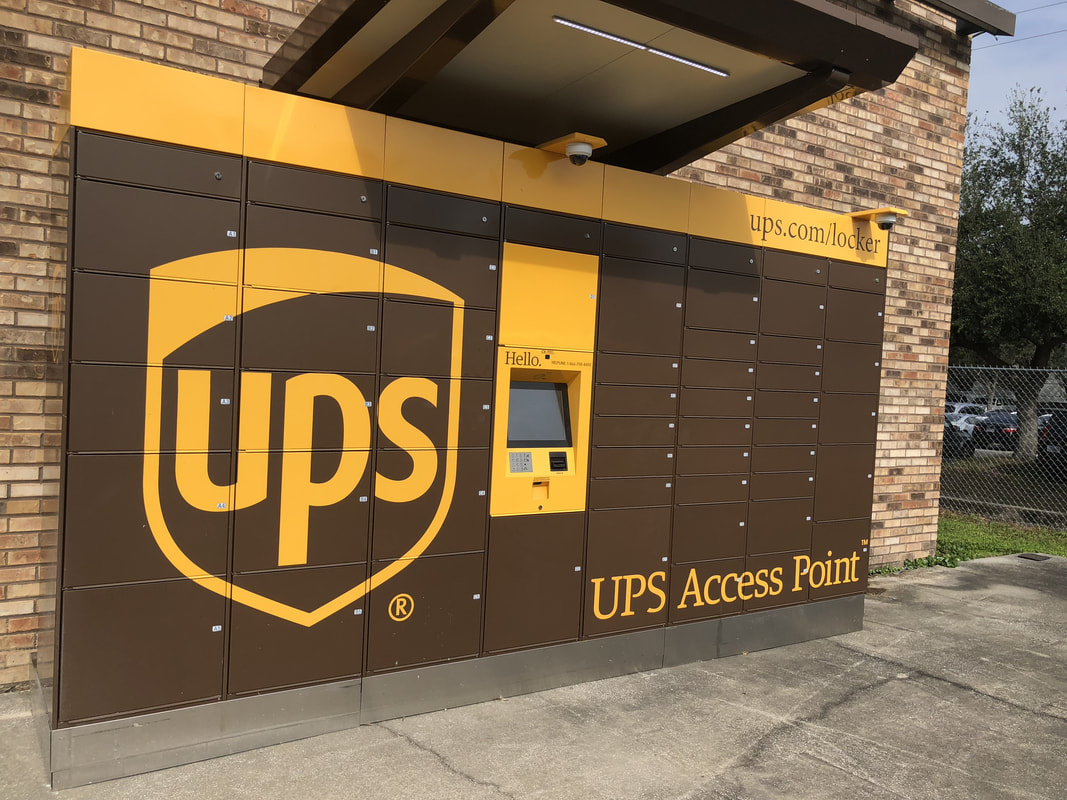
The physical UPS Access Point lockers are marvels of hardware engineering. These are not mere metal boxes; they are IoT-enabled kiosks equipped with internal sensors, embedded controllers, and persistent internet connectivity. These lockers monitor their own “health”—reporting if a door is jammed, if the internal temperature is rising, or if the storage capacity is reaching its limit.
When a locker reaches a certain percentage of occupancy, the system automatically adjusts the available options on retail websites, preventing overbooking. This automated capacity management is a classic example of how hardware and software work in tandem to create a self-regulating logistics ecosystem.
Integrating Emerging Tech: AI and Automation in UPS Access Points
As we look toward the future, the UPS Access Point network is the ideal testing ground for next-generation technology, including Artificial Intelligence (AI) and autonomous systems.
AI-Driven Demand Forecasting
UPS is increasingly employing machine learning (ML) to forecast demand at specific Access Point locations. During peak seasons like the holidays, AI models analyze years of historical delivery data to predict which Access Points will see the highest volume. This allows the company to proactively deploy “pop-up” mobile Access Points or increase the frequency of collections at high-traffic kiosks.
This shift from reactive to proactive logistics is powered by deep learning frameworks that can process millions of data points faster than any human logistics coordinator could. It transforms a static network into a fluid, responsive digital organism.
Robotic Sorting and the Next Phase of Local Hubs
In some high-tech markets, the concept of the Access Point is evolving to include automated micro-fulfillment centers. Here, small-scale robotics handle the sorting of packages within the facility, further reducing the margin for error. While still in the early stages of global rollout, the integration of robotics into the Access Point model represents the final frontier of the automated supply chain.
Imagine a future where an autonomous UPS delivery bot deposits a package into a smart locker, which then sends an AI-generated notification to your smart glasses or wearable device. This is the trajectory of the Access Point network: a fully autonomous, data-secure, and hyper-efficient node in a global digital web.
Conclusion: The Digital Backbone of Modern Commerce
What are UPS Access Points? To the casual observer, they are a convenience. To the technologist, they are a sophisticated infrastructure composed of cloud computing, IoT hardware, secure mobile software, and predictive AI.
By decentralizing the delivery process, UPS has created a resilient network that can withstand the pressures of the modern e-commerce landscape. The technology behind Access Points ensures that “delivery” is no longer a passive event where a package is dropped on a porch and left to fate. Instead, it is a dynamic, secure, and data-driven process that empowers the user and optimizes the global supply chain.
As we continue to move toward a more connected world, the UPS Access Point network will likely serve as the blueprint for how we merge physical assets with digital intelligence to solve the complex challenges of urban living and global commerce. The future of logistics is not just about moving boxes; it is about the elegant orchestration of data.
aViewFromTheCave is a participant in the Amazon Services LLC Associates Program, an affiliate advertising program designed to provide a means for sites to earn advertising fees by advertising and linking to Amazon.com. Amazon, the Amazon logo, AmazonSupply, and the AmazonSupply logo are trademarks of Amazon.com, Inc. or its affiliates. As an Amazon Associate we earn affiliate commissions from qualifying purchases.