
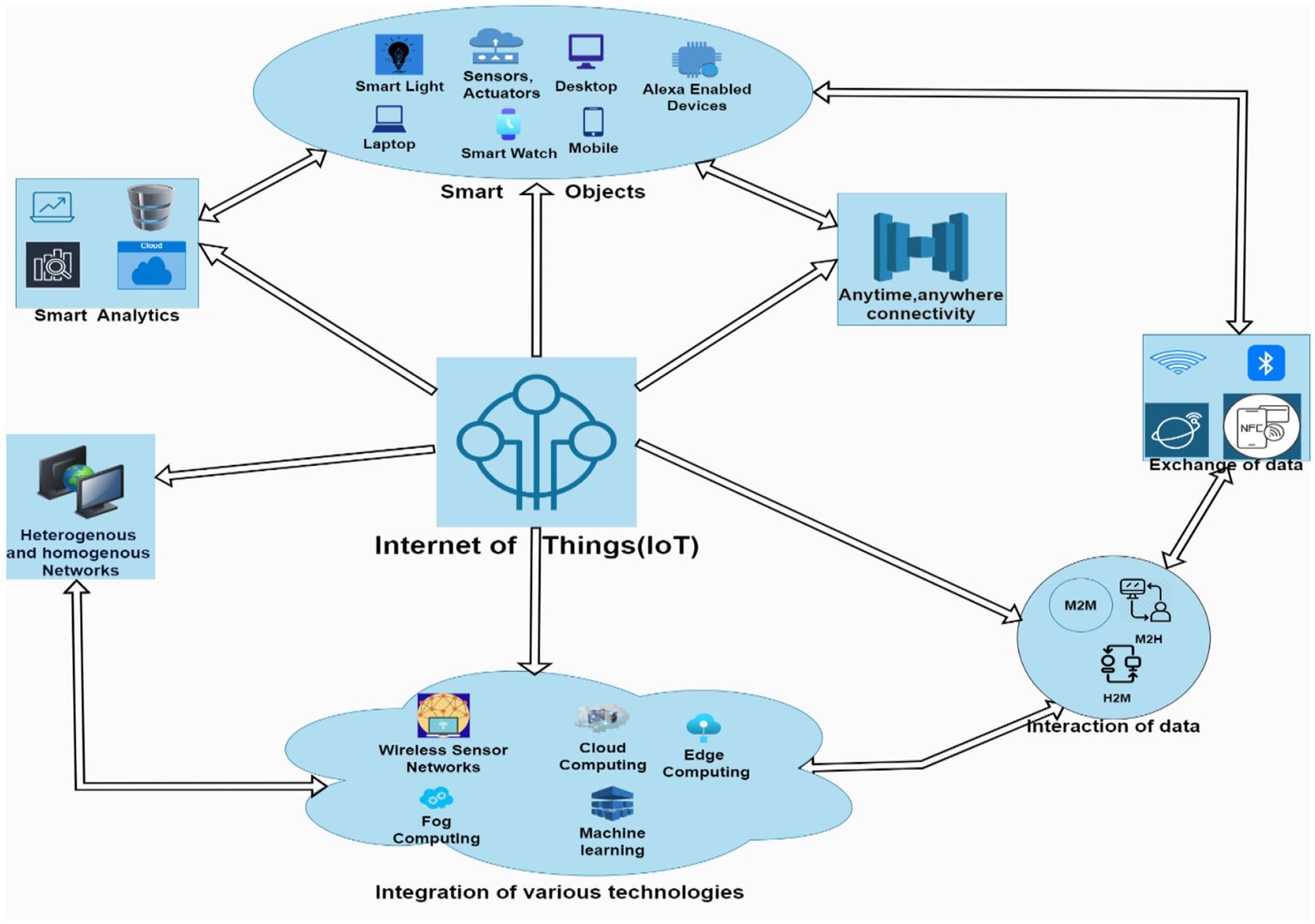
The Internet of Things (IoT) has rapidly transitioned from a futuristic concept to an omnipresent reality, embedding itself into the fabric of our daily lives. From smart home assistants and wearables to industrial sensors and connected city infrastructure, IoT devices promise unprecedented levels of convenience, efficiency, and insight. They collect data, automate tasks, and connect disparate systems, ushering in an era of intelligent environments. However, this transformative potential comes with a significant caveat: a host of complex challenges that threaten to undermine trust and compromise user safety. Among these, two concerns stand out as particularly critical and pervasive: the inherent cybersecurity vulnerabilities of IoT devices and their profound privacy implications. Understanding and addressing these twin pillars of concern is paramount for the secure and ethical evolution of the IoT landscape.

The Pervasive Threat of Cybersecurity Vulnerabilities
The sheer volume, diversity, and often limited computational power of IoT devices create a fertile ground for cybersecurity exploits. Unlike traditional computing systems, many IoT devices are designed for a single, often low-power, function and are deployed in environments where security updates are an afterthought, if they exist at all. This makes them exceptionally attractive targets for malicious actors seeking to establish botnets, launch denial-of-service (DoS) attacks, or gain unauthorized access to networks.
Weak Security Protocols and Default Settings
A fundamental flaw in many IoT devices lies in their initial security posture. Manufacturers, often driven by cost pressures and speed to market, frequently ship devices with rudimentary security features or, worse, widely known default credentials. Many devices use weak, hardcoded passwords, or allow users to keep generic defaults like “admin/admin” or “123456.” These easily guessable or publicly available credentials are a significant entry point for attackers. Once compromised, a single vulnerable device can become a gateway into an entire network. For instance, the infamous Mirai botnet, which launched massive DDoS attacks in 2016, primarily leveraged default credentials on unsecure IoT devices like IP cameras and DVRs. The impact extends beyond individual users, as these compromised devices can be weaponized against critical internet infrastructure, disrupting services for millions.
Furthermore, many IoT devices transmit data without adequate encryption, leaving sensitive information vulnerable to eavesdropping and interception. Communication protocols might lack proper authentication mechanisms, allowing unauthorized devices to join networks or spoof legitimate ones. The complexity of integrating various protocols and standards across different manufacturers often leads to fragmented security implementations, creating loopholes that sophisticated attackers can exploit.
Lack of Regular Updates and Patching
The lifecycle of an IoT device is often long, yet its security support is frequently short-lived or non-existent. Unlike smartphones or computers that receive regular operating system and application updates, many IoT devices are bought, connected, and then largely forgotten from a security perspective. Manufacturers may release a few initial patches, but sustained, long-term support is rare, especially for cheaper devices. This creates a burgeoning pool of “zombie devices” that contain known, unpatched vulnerabilities.
When a security flaw is discovered in an IoT device, the process for patching it can be cumbersome for both manufacturers and consumers. Some devices lack easy over-the-air update capabilities, requiring manual intervention, which many users are unwilling or unable to perform. This leads to a scenario where even after vulnerabilities are publicly disclosed, millions of devices remain exposed indefinitely. Attackers actively scan for these unpatched devices, as they represent low-hanging fruit for exploitation. The consequence is an ever-expanding attack surface, where legacy devices become persistent threats, silently operating as potential backdoors or launchpads for cyberattacks. The “set it and forget it” mentality, while convenient for users, is a grave security liability in the IoT world.
Supply Chain Risks and Hardware Backdoors
The globalized nature of IoT device manufacturing introduces complex supply chain risks. An IoT device is rarely built by a single entity; rather, it’s an assembly of components from various suppliers across different countries. Each link in this chain presents a potential point of compromise. Malicious actors could inject vulnerabilities at the hardware level during manufacturing, embedding backdoors that are incredibly difficult to detect or remove once deployed. These could range from compromised chips to firmware manipulated during assembly.
Such hardware-level compromises are particularly insidious because they bypass traditional software-based security measures. A device might appear secure on the surface, with strong passwords and encryption, but a hidden hardware backdoor could allow an attacker to bypass these controls entirely. Detecting these threats requires specialized hardware analysis, which is beyond the capabilities of most consumers and even many enterprise IT departments. As IoT devices become integrated into critical infrastructure, such as smart grids or healthcare systems, the integrity of the supply chain becomes a national security concern, demanding greater scrutiny and robust vetting processes for all components.
The Edge Computing Challenge
The distributed nature of IoT, relying heavily on edge computing, introduces another layer of cybersecurity complexity. Instead of sending all data to a centralized cloud for processing, many IoT devices perform computation and analysis at the “edge” – closer to the data source. While this reduces latency and bandwidth usage, it also means that sensitive data processing and security enforcement happen in environments that are often less controlled and less physically secure than central data centers.
Edge devices typically have limited computational resources, making it challenging to implement heavy-duty encryption, complex authentication protocols, or real-time threat detection systems that require significant processing power. This constraint can lead to compromises in security to maintain performance and battery life. Moreover, managing the security of a vast, geographically dispersed network of edge devices is a monumental task. Each edge node can become a potential point of failure or attack, and securing them all consistently requires innovative security architectures that balance resource constraints with robust protection.
The Looming Shadow of Privacy Implications
Beyond cybersecurity vulnerabilities, the fundamental operational principle of IoT devices – continuous data collection – gives rise to profound privacy concerns. These devices are designed to observe, listen, and record, gathering intimate details about our habits, preferences, health, and even our most private moments. While this data fuels the convenience and intelligence of IoT, it also creates an unprecedented surveillance infrastructure with significant potential for misuse.
Constant Data Collection and Surveillance
IoT devices are essentially sensors connected to the internet. Smart speakers listen for wake words and record conversations, fitness trackers monitor heart rate, sleep patterns, and location, smart cameras capture visual data, and connected cars record driving habits and destinations. This constant, granular data collection can paint an incredibly detailed and often highly sensitive picture of an individual’s life. This isn’t just about what you explicitly tell a device; it’s about what the device observes passively.

The sheer volume and intimacy of this data raise serious questions about privacy. Who has access to these recordings? How long is the data stored? What happens if this data falls into the wrong hands, or is mandated by governments or corporations? The potential for granular surveillance extends beyond individual homes to public spaces, workplaces, and cities, where networked sensors can track movements, analyze behavior, and even identify individuals without their explicit consent or knowledge. This pervasive data collection shifts the balance of power, giving unprecedented insight to device manufacturers, data brokers, advertisers, and potentially even malicious actors.
Data Ownership and Consent Issues
A significant challenge in the IoT ecosystem is the ambiguity surrounding data ownership and the inadequacy of current consent mechanisms. When you purchase an IoT device, you might assume you own the data it generates, but the reality is often far more complex. The terms of service and privacy policies, often lengthy and written in legal jargon, typically grant manufacturers and third-party partners extensive rights to collect, store, process, and even share or sell your data. Users often “consent” to these terms without fully understanding the implications, effectively signing away control over their personal information.
The concept of informed consent becomes particularly problematic with IoT. Can a user truly give informed consent when they don’t know precisely what data is being collected, how it’s being processed, or who it’s being shared with? Furthermore, revoking consent or demanding deletion of data can be incredibly difficult, if not impossible, depending on the device and its ecosystem. This lack of transparency and control fundamentally undermines personal autonomy and the right to privacy, turning individuals into products whose data is monetized without their full understanding or meaningful control.
Cross-Device Tracking and Data Aggregation
The true power, and peril, of IoT data collection emerges when data from various devices is aggregated and cross-referenced. An individual might use a smart speaker, wear a fitness tracker, drive a connected car, and have smart appliances in their home. Each of these devices collects distinct pieces of information. When combined, this fragmented data can be stitched together to create an incredibly comprehensive and predictive profile of an individual. Companies can gain insights into purchasing habits, health conditions, emotional states, daily routines, and social connections.
This aggregated data enables highly targeted advertising, but also opens the door to more concerning applications. For example, an insurance company could potentially use data from a fitness tracker and a smart car to adjust premiums based on perceived health risks or driving behavior. Data from smart home devices could be used in legal proceedings or by law enforcement. The ability to correlate data across multiple vectors amplifies privacy risks, creating a digital shadow that follows individuals everywhere, potentially influencing opportunities and exposing vulnerabilities in unforeseen ways. The anonymization of data is also often insufficient, as enough data points can frequently lead to re-identification, exposing individuals even when data is supposedly de-identified.
Anonymization Challenges and Re-identification
While companies often claim to anonymize data to protect user privacy, the effectiveness of these methods in the context of rich, multi-source IoT data is highly debatable. “Anonymized” data, when combined with other publicly available datasets or even through sophisticated analytical techniques, can often be re-identified, linking specific data back to individuals. For instance, location data, even if anonymized, can be remarkably revealing. A few data points showing someone’s home and work locations can quickly pinpoint their identity.
The challenge lies in the uniqueness of human behavior. When an IoT ecosystem collects enough distinct data points about an individual’s habits, movements, voice patterns, and preferences, these patterns become unique identifiers. Researchers have repeatedly demonstrated the ease with which supposedly anonymized datasets can be de-anonymized. This inherent difficulty in truly anonymizing IoT data means that even with the best intentions, the risk of personal exposure remains persistent, creating a false sense of security for users and potentially compromising their privacy despite efforts to protect it.
Navigating the Complexities: Mitigation and Best Practices
Addressing the twin challenges of cybersecurity vulnerabilities and privacy implications requires a multi-faceted approach involving consumers, manufacturers, developers, and regulators. A collective commitment to security by design and privacy by default is crucial for building a trustworthy IoT ecosystem.
For Consumers
Consumers play a vital role in securing their own IoT environments. The first step is informed purchasing: researching a device’s security reputation and privacy policies before buying. Once acquired, users should immediately change all default passwords to strong, unique ones. Regularly checking for and installing firmware updates is paramount, as these often contain critical security patches. Where possible, isolating IoT devices on a separate network segment (e.g., a guest Wi-Fi network or a dedicated VLAN) can prevent a compromised IoT device from infecting the entire home network. Finally, understanding the privacy implications of each device, disabling unnecessary features like always-on microphones or location tracking if not essential, and reviewing data sharing settings can significantly mitigate privacy risks.
For Manufacturers and Developers
Manufacturers bear the primary responsibility for producing secure and privacy-respecting devices. Implementing “security by design” and “privacy by design” principles from the earliest stages of development is non-negotiable. This includes using robust authentication mechanisms, end-to-end encryption for data in transit and at rest, and secure boot processes. Manufacturers must also commit to providing clear, timely, and long-term security updates for their devices, along with easy-to-use update mechanisms. Transparent privacy policies written in plain language, coupled with user-friendly consent management tools, are essential to empower consumers. Establishing bug bounty programs and collaborating with the security research community can help identify and fix vulnerabilities before they are exploited.
For Regulators and Governments
Governments and regulatory bodies have a critical role in establishing a framework that enforces accountability and protects users. This involves developing comprehensive IoT security and privacy standards, potentially through certifications or mandatory requirements for device manufacturers. Legislation similar to GDPR and CCPA, specifically tailored for the unique challenges of IoT data, can ensure stronger data ownership rights, clear consent requirements, and significant penalties for non-compliance or data breaches. Promoting consumer education campaigns about IoT risks and best practices is also crucial. Furthermore, international cooperation is necessary to address the global nature of IoT supply chains and cross-border data flows, ensuring a consistent level of protection worldwide.
Conclusion
The Internet of Things offers a tantalizing vision of a smarter, more connected future. However, for this vision to be realized without sacrificing security and personal autonomy, the industry and society at large must confront its foundational challenges head-on. The inherent cybersecurity vulnerabilities, stemming from weak security, neglected updates, and supply chain risks, present a constant threat of exploitation. Simultaneously, the pervasive data collection and ambiguous data ownership models create profound privacy implications, risking unprecedented surveillance and loss of control over personal information. Addressing these two major concerns—cybersecurity and privacy—is not merely an add-on; it is fundamental to building trust and ensuring that the vast potential of IoT serves humanity responsibly, rather than becoming a source of widespread risk and vulnerability. It requires a concerted effort from all stakeholders to prioritize security, transparency, and ethical data handling in every smart device we create and deploy.
aViewFromTheCave is a participant in the Amazon Services LLC Associates Program, an affiliate advertising program designed to provide a means for sites to earn advertising fees by advertising and linking to Amazon.com. Amazon, the Amazon logo, AmazonSupply, and the AmazonSupply logo are trademarks of Amazon.com, Inc. or its affiliates. As an Amazon Associate we earn affiliate commissions from qualifying purchases.