
The Dawn of a New Era: From Broadcast to Binge-Watching
The landscape of visual entertainment has undergone a radical transformation in recent decades. What began as sporadic broadcasts of standalone episodes has evolved into a sophisticated and deeply ingrained cultural phenomenon: the TV series. More than just a collection of shows, television series represent a fundamental shift in how stories are told, consumed, and how they impact our lives. This article will explore the multifaceted nature of TV series, delving into their historical trajectory, their technical underpinnings, their influence on audience engagement, and their significant role in the broader media ecosystem.

The Genesis of Serialized Content
The concept of serialized storytelling is not new; it has roots in literature with serialized novels published in installments, and early radio dramas that followed continuous narratives. However, television brought this format to a visual medium with unprecedented reach.
Early Television: A Weekly Ritual
In the nascent days of television, series were typically structured with self-contained episodes that often reset at the beginning of each broadcast. While some narrative arcs might have existed, the primary goal was to provide episodic entertainment that viewers could tune into on a weekly basis without necessarily needing to recall prior events. Shows like “I Love Lucy” or “The Twilight Zone” exemplify this model, where each episode offered a distinct story, contributing to a broader tapestry of the series but not demanding strict continuity. The limitations of broadcast technology and the viewing habits of the time naturally fostered this approach. The weekly schedule created anticipation and a shared cultural experience, as audiences gathered to watch the latest installment, often discussing it the following day.
The Rise of the Multi-Episode Arc
The advent of more sophisticated storytelling and the increasing desire for deeper character development led to the gradual introduction of multi-episode story arcs. This marked a significant departure from the purely episodic format. Viewers began to invest more in the journeys of characters, anticipating how plotlines would unfold over several episodes. This shift was particularly evident in genres like soap operas, which had long embraced serial narratives, but it gradually permeated other forms of television as well. The ability to build complex plots and explore character evolution over a longer period proved to be a powerful narrative tool.
The Technological Revolution: Enabling the Modern TV Series
The evolution of TV series is inextricably linked to advancements in technology. From the way content is produced and distributed to how audiences consume it, technology has been a constant driver of innovation.
Production and Distribution: From Analog to Digital
The transition from analog to digital production and broadcasting has revolutionized the quality and accessibility of TV series. High-definition (HD) and later Ultra-High Definition (UHD) formats have brought a cinematic quality to television, allowing for more intricate visual storytelling. Digital workflows have streamlined the post-production process, enabling faster turnaround times and more complex visual effects. Furthermore, the advent of digital distribution platforms has shattered the traditional gatekeepers of broadcast television.
The Internet and Streaming: A Paradigm Shift
The most profound technological impact on TV series has undoubtedly come from the internet and the rise of streaming services. Platforms like Netflix, Hulu, Amazon Prime Video, and Disney+ have fundamentally altered how we access and consume television.
- On-Demand Access: Streaming eliminated the rigid schedules of traditional broadcast. Viewers can now watch episodes at their convenience, whenever and wherever they choose. This has led to the phenomenon of “binge-watching,” where audiences consume entire seasons in a single sitting.
- Global Reach and Accessibility: Streaming services have made TV series accessible to a global audience, transcending geographical boundaries and cultural differences. This has fostered a more interconnected viewing experience and has led to the international success of shows from various countries.
- Data Analytics and Personalization: Streaming platforms leverage sophisticated data analytics to understand viewer behavior. This information influences content acquisition and production decisions, leading to highly personalized recommendations and the creation of content tailored to specific audience segments.
- Increased Production Budgets and Quality: The competitive landscape of streaming has driven massive investment in original content. This has resulted in TV series with production values comparable to feature films, attracting top talent in writing, directing, and acting.
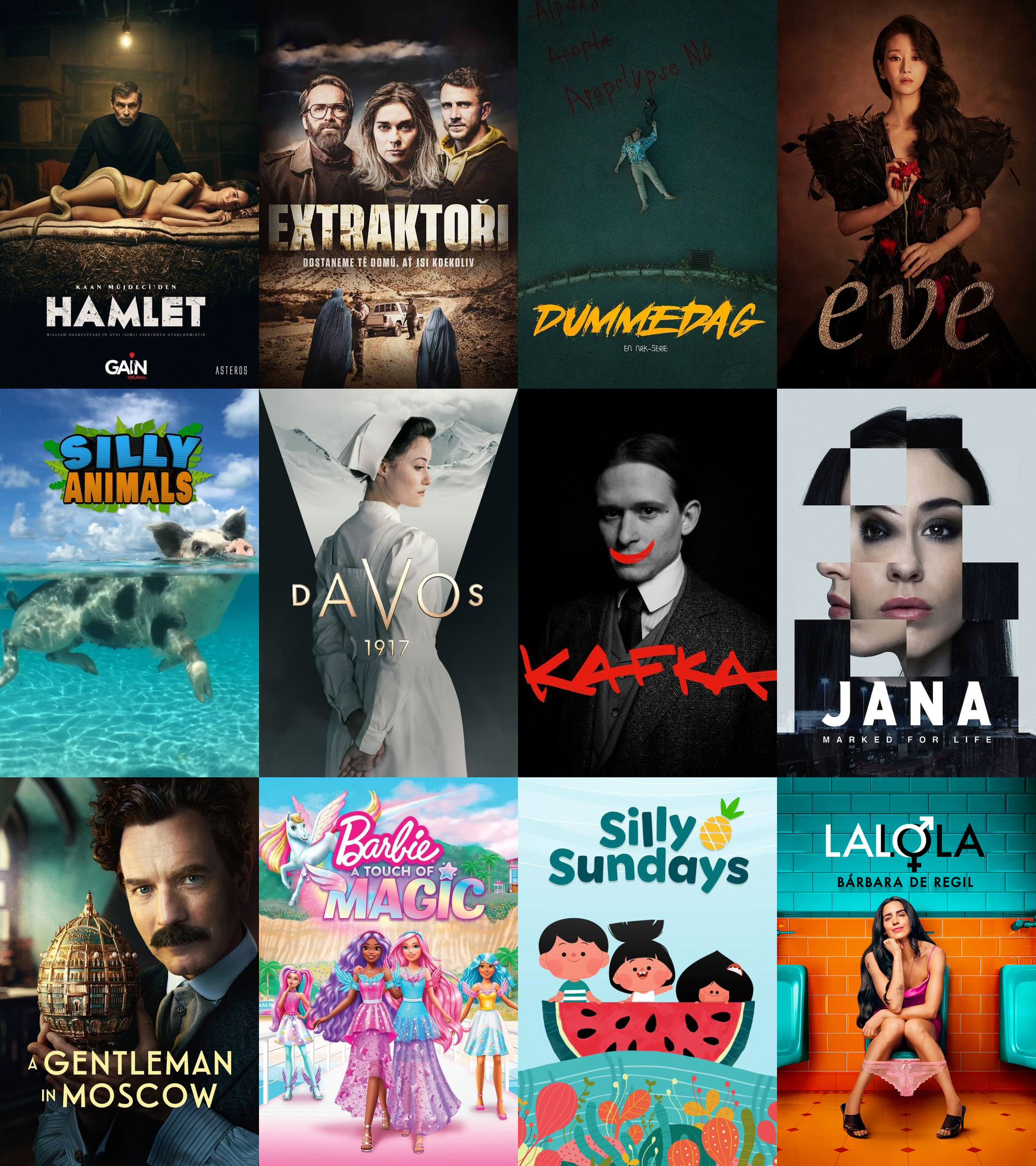
The Narrative Power of Serialization
The inherent structure of TV series allows for a depth of storytelling and character development that is often unattainable in other media. This serialized approach fosters a unique kind of audience engagement.
Deep Character Arcs and Emotional Investment
One of the defining characteristics of a well-crafted TV series is its ability to develop complex and evolving characters over multiple episodes and seasons. Unlike standalone films or episodic shows, series allow viewers to witness characters grapple with challenges, undergo personal transformations, and form intricate relationships. This sustained exposure fosters a deeper emotional investment, making audiences more invested in the characters’ fates and journeys. We become intimately familiar with their motivations, their flaws, and their triumphs, creating a bond that can last for years.
Complex Plotting and Thematic Exploration
The extended format of a TV series provides ample space for intricate plotlines, subplots, and thematic exploration. Writers can weave together multiple narrative threads, gradually revealing information, building suspense, and creating satisfying resolutions. This allows for a more nuanced examination of complex themes, social issues, and philosophical questions. The slow burn of a compelling narrative can be incredibly rewarding, as viewers piece together clues and anticipate twists and turns. This depth also allows for the exploration of character motivations and the subtle unfolding of cause and effect over time.
Building Anticipation and Sustained Engagement
The serialized nature of TV series is designed to build anticipation and maintain audience engagement over time. Cliffhangers at the end of episodes or seasons leave viewers eager for the next installment, fueling discussion and speculation. This sustained engagement creates a loyal fanbase that eagerly awaits new releases, contributing to the longevity and cultural impact of popular shows. The shared experience of following a series, discussing theories, and anticipating resolutions fosters a sense of community among viewers.
The Cultural and Economic Impact of TV Series
TV series are no longer just a form of entertainment; they have become a significant cultural force and a vital component of the global economy.
Shaping Popular Culture and Discourse
Popular TV series have a profound impact on shaping popular culture and public discourse. They can introduce new trends, spark conversations about important social issues, and influence our understanding of the world. Memorable characters become archetypes, iconic lines enter common parlance, and plotlines are debated and analyzed endlessly. From the fashion inspired by hit shows to the cultural commentary they provoke, TV series have a tangible presence in our daily lives. They can reflect societal anxieties, celebrate diverse perspectives, and even drive social change by raising awareness and fostering empathy.
The Rise of the Franchise and Ancillary Markets
Successful TV series often spawn lucrative franchises that extend beyond the screen. This includes merchandise, spin-off shows, movies, books, video games, and even theme park attractions. This expansion of a series’ intellectual property creates multiple revenue streams and solidifies its cultural presence. The economic impact is substantial, creating jobs in production, marketing, and retail, and contributing significantly to the entertainment industry’s overall revenue. The ability to leverage a successful narrative across various media platforms demonstrates the enduring power of well-told stories.

The Economics of Production and Distribution
The production of high-quality TV series involves significant financial investment, from pre-production and filming to post-production and marketing. Streaming services, in particular, have fueled a boom in original content creation, leading to increased demand for talent and resources. The distribution model has also evolved, with subscription-based models and advertising revenue forming the backbone of the industry. Understanding the economics behind the creation and dissemination of these shows is crucial to appreciating their full impact. The global nature of streaming also means that production budgets are often recouped through international sales and viewership, creating a complex and interconnected global marketplace for television content.
In conclusion, TV series have evolved from simple weekly entertainment to a sophisticated, technology-driven medium that offers deep narrative experiences and profound cultural impact. Their serialized nature, enabled by technological advancements, fosters unparalleled audience engagement, shapes popular culture, and drives a significant global economy. As technology continues to advance and storytelling techniques evolve, the future of TV series promises even more innovative and compelling forms of serialized entertainment.
aViewFromTheCave is a participant in the Amazon Services LLC Associates Program, an affiliate advertising program designed to provide a means for sites to earn advertising fees by advertising and linking to Amazon.com. Amazon, the Amazon logo, AmazonSupply, and the AmazonSupply logo are trademarks of Amazon.com, Inc. or its affiliates. As an Amazon Associate we earn affiliate commissions from qualifying purchases.