
Tremors, the involuntary rhythmic muscle contractions leading to oscillating movements in one or more body parts, represent a significant neurological challenge. While the question “what are tremors caused by?” often leads to a complex array of medical explanations, a profound shift is underway in how we approach this inquiry and subsequent management. This transformation is driven almost entirely by advancements in technology. From sophisticated diagnostic tools that pinpoint neurological origins to wearable devices that offer real-time monitoring, and innovative therapies that redefine treatment paradigms, technology is not just assisting but revolutionizing our understanding and control over tremors. This article delves into the technological innovations that are unraveling the mysteries behind tremors, moving beyond mere observation to precise identification, personalized care, and a future of enhanced patient autonomy.

The Evolving Understanding of Tremors: A Technological Perspective
For centuries, the diagnosis and classification of tremors relied heavily on clinical observation and a neurologist’s experience. While invaluable, this approach could sometimes be subjective and lack the granular detail needed for definitive causal identification. The advent of modern technology has ushered in an era of unprecedented precision, allowing for a deeper, more objective understanding of tremor characteristics and underlying mechanisms.
Classifying Tremors: Beyond Clinical Observation
Traditional classification divides tremors into categories like essential tremor, Parkinsonian tremor, dystonic tremor, and cerebellar tremor, based on their presentation, timing (rest vs. action), and associated symptoms. However, technology is enabling a far more nuanced differentiation. High-speed cameras, accelerometers, and gyroscopes, integrated into specialized diagnostic equipment, can capture the minute kinematics of tremor movements with incredible fidelity. This allows clinicians to analyze tremor frequency, amplitude, and direction across multiple planes, often revealing subtle patterns invisible to the naked eye. Software algorithms can then process this data, comparing it against vast databases of known tremor profiles to aid in more accurate classification. For instance, the distinct frequency profile of an essential tremor can be objectively differentiated from the slower, often pill-rolling tremor of Parkinson’s disease, even in early stages when clinical signs might be ambiguous. This objective data supports more confident diagnostic decisions and helps rule out confounding factors, paving the way for targeted interventions.
The Role of Digital Biomarkers in Early Detection
One of the most exciting frontiers in tremor research is the development of digital biomarkers. These are objective, quantifiable physiological and behavioral data collected through digital devices, which can indicate the presence, severity, or progression of a medical condition. For tremors, this includes data from smartwatches, smartphones, and dedicated wearable sensors that continuously track movement patterns. Instead of a single clinical assessment every few months, these devices can capture data points throughout a patient’s daily life, offering a holistic view of tremor fluctuations influenced by stress, medication efficacy, and activity levels. This continuous data stream allows for the detection of subtle changes that might predate overt clinical symptoms, opening doors for earlier diagnosis, especially for neurodegenerative conditions like Parkinson’s disease where early intervention can significantly impact disease progression. Research is actively exploring how machine learning can analyze these vast datasets to identify predictive patterns, potentially distinguishing between different tremor types even before a formal neurological evaluation.
Advanced Diagnostics: Unveiling the Root Causes with Precision
The quest to answer “what are tremors caused by?” often leads deep into the complexities of the human nervous system. Modern diagnostic technologies provide unprecedented windows into these complexities, moving beyond symptomatic observation to uncover the structural, functional, and genetic underpinnings of tremors.
Neuroimaging and Functional Scans: Peeking Inside the Brain
High-resolution neuroimaging techniques have become indispensable in diagnosing tremor causes. Magnetic Resonance Imaging (MRI) offers detailed anatomical views, helping to identify structural abnormalities such as lesions, tumors, or atrophy in brain regions like the cerebellum or basal ganglia that are critical for motor control. Beyond static images, functional MRI (fMRI) can map brain activity by detecting changes in blood flow, revealing functional circuits that might be dysregulated in tremor patients. Positron Emission Tomography (PET) and Single-Photon Emission Computed Tomography (SPECT) scans take this a step further, using radioactive tracers to visualize specific neurochemical processes. For instance, DaTscan (a type of SPECT scan) specifically targets dopamine transporters, proving invaluable in differentiating essential tremor from Parkinsonian tremor, as it can reveal the characteristic dopamine neuronal loss seen in Parkinson’s. These advanced imaging techniques provide objective evidence, helping clinicians confirm diagnoses, assess disease severity, and sometimes even predict prognosis.
Genetic Testing and Biomarker Discovery: Decoding Predispositions
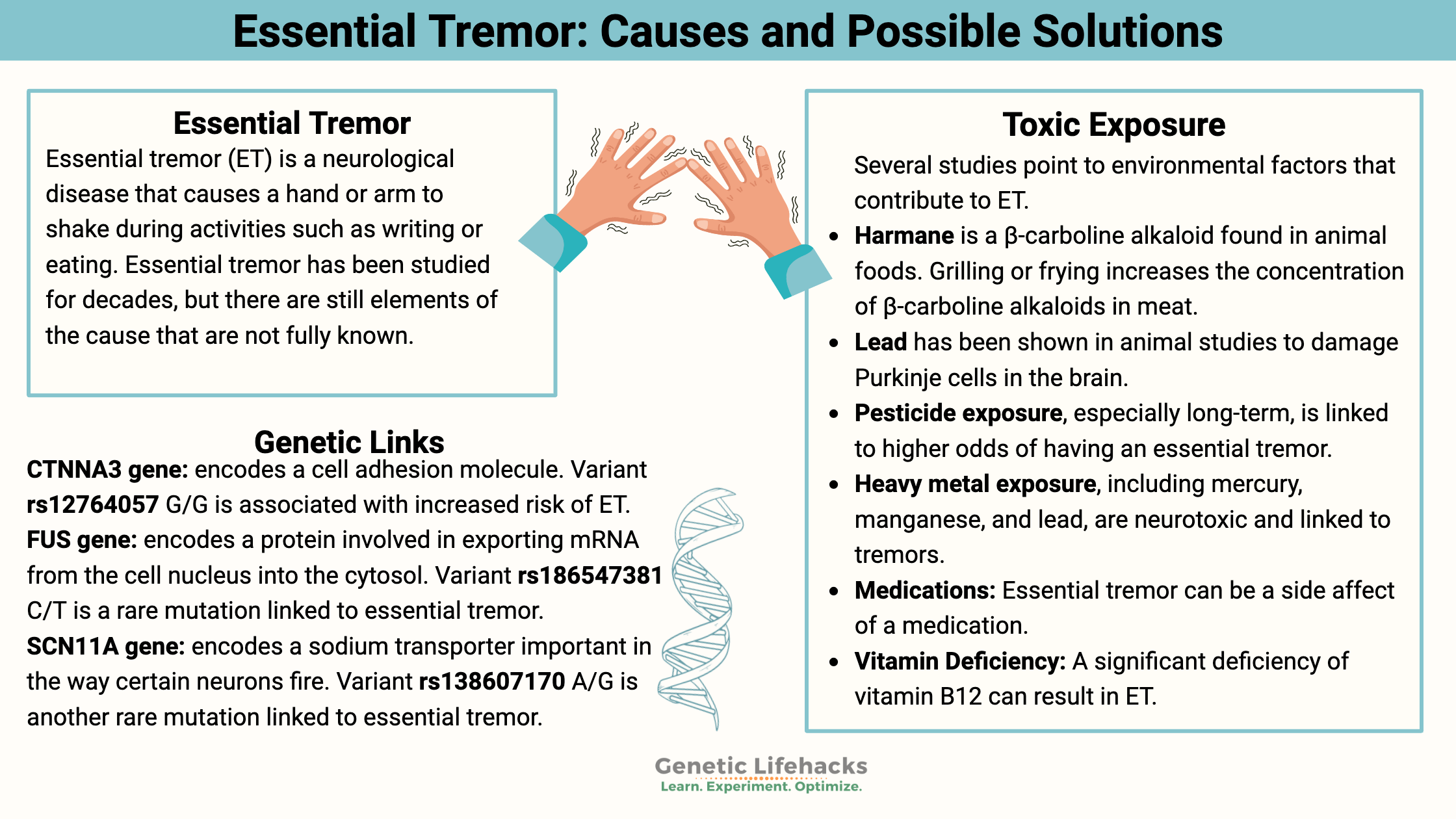
For a growing number of tremor disorders, genetics play a significant role. Technology in genetic sequencing has advanced exponentially, making it possible to screen for known gene mutations associated with conditions like essential tremor (e.g., LINGO1, FUS, or TENM4 genes under investigation), Parkinson’s disease (e.g., LRRK2, GBA, PRKN genes), and various hereditary ataxias. Next-generation sequencing (NGS) platforms can rapidly analyze entire exomes or even genomes, identifying causative or susceptibility genes. While not all tremors have a clear genetic link, for those that do, genetic testing can confirm a diagnosis, inform family planning, and even guide treatment decisions, particularly as gene-targeted therapies emerge. Beyond specific genes, the broader field of biomarker discovery, heavily reliant on advanced laboratory technology like mass spectrometry and sophisticated immunoassays, seeks to identify measurable biological indicators (e.g., proteins in cerebrospinal fluid or blood) that can signify disease presence, progression, or therapeutic response, adding another layer to our understanding of tremor etiology.
AI and Machine Learning in Diagnostic Interpretation
The sheer volume and complexity of data generated by advanced diagnostics can be overwhelming for human interpretation alone. This is where Artificial Intelligence (AI) and Machine Learning (ML) shine. AI algorithms are being trained on vast datasets of neuroimages, genetic profiles, and clinical symptomologies to identify subtle patterns and correlations that might escape human detection. In neuroimaging, AI can assist radiologists by highlighting suspicious areas on scans, segmenting brain structures with greater precision, and even predicting disease progression from baseline images. For genetic data, ML algorithms can sift through massive genomic datasets to pinpoint novel genetic variants associated with tremor phenotypes. Furthermore, AI can integrate data from multiple diagnostic sources—imaging, genetics, clinical history, and wearable sensor data—to create a comprehensive diagnostic profile, potentially leading to more accurate and earlier diagnoses than any single modality could achieve. This fusion of data and AI promises to refine our answer to “what are tremors caused by?” with unprecedented accuracy.
Wearable Technology and Remote Monitoring: Bridging the Clinic and Daily Life
The traditional model of intermittent clinic visits offers only snapshots of a patient’s condition. Tremors, however, fluctuate throughout the day, influenced by stress, fatigue, medication schedules, and various activities. Wearable technology and remote monitoring systems are revolutionizing this paradigm, providing continuous, real-world data that captures the full spectrum of a patient’s tremor experience.
Smart Devices for Continuous Tremor Tracking
The proliferation of smartwatches, fitness trackers, and specialized medical-grade wearable sensors has opened up new avenues for tremor assessment. Devices equipped with accelerometers and gyroscopes can continuously measure movement patterns, enabling objective quantification of tremor frequency, amplitude, and duration. For example, a patient with Parkinson’s disease can wear a device that logs tremor severity throughout the day, providing valuable insights into medication effectiveness (e.g., “on” and “off” periods), triggers for increased tremor, and overall disease progression. These devices can be unobtrusive, integrating seamlessly into daily life. Data collected can be transmitted wirelessly to secure cloud platforms, allowing neurologists to access longitudinal data trends. This detailed, objective data helps clinicians fine-tune medication dosages, evaluate the efficacy of interventions, and gain a more complete picture of how tremors impact a patient’s quality of life outside the controlled environment of a clinic.
Telemedicine and Virtual Consultations: Expanding Access to Expertise
Beyond data collection, technology has transformed the delivery of care itself. Telemedicine platforms enable patients to consult with neurologists remotely, reducing geographical barriers and improving access to specialized tremor expertise, particularly for those in rural areas or with mobility challenges. Virtual consultations can include video assessments where the specialist can observe tremor characteristics in real-time, augmented by the objective data provided by wearable sensors. This integrated approach allows for ongoing management and adjustments to treatment plans without the need for frequent in-person visits. For example, a neurologist might review tremor data from a patient’s wearable device before a virtual follow-up, using the objective metrics to guide questions and treatment recommendations. Telemedicine significantly enhances continuity of care and facilitates proactive management, ensuring that patients receive timely adjustments to their treatment as their condition evolves.
Personalized Feedback and Adaptive Management Systems
The next evolution of wearable technology in tremor management involves personalized feedback loops and adaptive systems. Imagine a smart device that not only tracks tremors but also learns a patient’s individual tremor patterns and triggers. This device could then provide real-time feedback, perhaps alerting the patient to take medication at an optimal time, suggesting strategies to mitigate tremor (e.g., deep breathing exercises), or even adjusting parameters of an implanted device. Some systems are being developed to integrate with “smart home” environments, providing prompts or support as needed. Furthermore, AI-powered analytical platforms can process the continuous stream of data from wearables to identify subtle changes in tremor patterns that might signal an impending exacerbation or a need for therapeutic adjustment. These adaptive systems move beyond passive monitoring, empowering patients with tools for more proactive self-management and contributing to a higher quality of life by anticipating needs and providing timely interventions.
Therapeutic Innovations: Technology’s Role in Managing Tremors
While understanding the causes of tremors is paramount, the ultimate goal is effective management and relief. Here, too, technology has made extraordinary strides, offering novel therapeutic options that range from highly precise surgical interventions to advanced rehabilitation tools and intelligent drug discovery platforms.
Deep Brain Stimulation (DBS) and Focused Ultrasound: Surgical Precision
For patients with severe, medication-resistant tremors, especially those associated with essential tremor or Parkinson’s disease, surgical interventions have become a game-changer. Deep Brain Stimulation (DBS) involves surgically implanting electrodes into specific brain regions (e.g., the thalamus or subthalamic nucleus) that regulate movement. These electrodes are connected to a neurostimulator, similar to a pacemaker, which delivers precisely controlled electrical impulses to block the abnormal brain signals causing the tremor. The programming of DBS devices is highly sophisticated, often involving iterative adjustments by a neurologist using specialized software to optimize tremor suppression with minimal side effects.
More recently, High-Intensity Focused Ultrasound (HIFU) has emerged as a non-invasive alternative for some tremor types. This technology uses precisely targeted ultrasound waves, guided by MRI, to create a tiny lesion in the thalamus, effectively disrupting the tremor-producing neural circuit without incisions or implants. Both DBS and HIFU rely on advanced imaging for precise targeting and sophisticated control systems to deliver therapeutic effects with remarkable accuracy, offering profound relief for many patients who previously had limited options.
Robotic Rehabilitation and Assistive Devices
Technology also plays a crucial role in rehabilitation and everyday assistance for tremor patients. Robotic exoskeletons and assistive devices are being developed to help stabilize limbs, reduce tremor amplitude during activities, or provide support for tasks like eating and writing. For example, tremor-canceling spoons use internal gyroscopes and motors to counteract the tremor, keeping the spoon level. Robotic rehabilitation systems offer controlled, repetitive movements that can help improve motor control and coordination, often incorporating biofeedback mechanisms to help patients refine their movements. Virtual reality (VR) environments are also being explored for therapeutic exercises, making rehabilitation more engaging and allowing for tailored programs that challenge specific motor skills affected by tremors. These technologies enhance independence, improve functional abilities, and significantly boost the quality of life for individuals living with tremors.
AI-Powered Drug Discovery and Personalized Medicine
The future of tremor treatment is also heavily reliant on AI in pharmaceutical development. AI algorithms can analyze vast chemical databases and biological pathways to identify potential drug candidates more rapidly and efficiently than traditional methods. For tremors linked to specific molecular targets or genetic mutations, AI can accelerate the discovery of novel compounds. Furthermore, AI is central to the concept of personalized medicine. By integrating a patient’s genetic profile, biomarker data, clinical history, and response to previous treatments, AI can help predict which drug, at what dosage, will be most effective for an individual. This moves away from a “one-size-fits-all” approach, leading to more targeted therapies with fewer side effects. As our understanding of the diverse causes of tremors grows, AI will be instrumental in developing and prescribing the right treatment for the right patient, revolutionizing therapeutic outcomes.
The Future Landscape: Integrated Technology and Holistic Care
The convergence of diagnostic, monitoring, and therapeutic technologies paints a promising picture for the future of tremor management. The goal is an integrated ecosystem where data flows seamlessly, informing every aspect of care, from initial diagnosis to long-term well-being.
Big Data Analytics for Population-Level Insights
Beyond individual patient care, the aggregation of de-identified data from millions of patients—collected via wearables, electronic health records, and research studies—fuels “big data” analytics. AI and machine learning algorithms can sift through these enormous datasets to identify population-level trends, discover new risk factors for tremors, uncover subtle correlations between genetics and tremor phenotypes, and even predict disease outbreaks or treatment response rates across large cohorts. This macro-level understanding can lead to more effective public health strategies, inform clinical guidelines, and accelerate the development of universally beneficial therapies. It allows researchers to answer questions about tremor prevalence, geographical distribution, and the impact of environmental factors on a scale previously unimaginable.
Ethical Considerations and Data Security
As technology becomes more pervasive in healthcare, critical ethical considerations arise. The collection of vast amounts of personal health data necessitates robust cybersecurity measures to protect patient privacy and prevent unauthorized access. Consent mechanisms must be clear and transparent, ensuring patients understand how their data is used. There are also ethical dilemmas regarding the interpretation of AI-driven diagnostics and the potential for algorithmic bias, particularly if training data sets are not diverse. Striking a balance between leveraging technological advancements for better health outcomes and upholding patient autonomy, privacy, and equity will be paramount as these technologies continue to evolve. Regulatory frameworks must adapt quickly to ensure responsible innovation.
Empowering Patients Through Digital Tools
Ultimately, the most profound impact of technology in understanding and managing tremors lies in its potential to empower patients. Digital health platforms can provide patients with secure access to their own medical data, educational resources, and communication tools to interact with their healthcare providers. Apps can help patients track symptoms, medication schedules, and lifestyle factors, fostering a more active role in their own care. Peer support networks facilitated by digital platforms can connect individuals living with tremors, offering emotional support and shared experiences. By providing transparency, knowledge, and tools for self-management, technology can transform patients from passive recipients of care into informed, engaged partners in their health journey, helping them navigate the complexities of tremors with greater confidence and control.
In conclusion, “what are tremors caused by?” is a question that technology is systematically dismantling and reassembling with a clarity and precision previously unattainable. From revealing the microscopic genetic mutations to mapping complex neural circuits, from continuous real-world monitoring to highly targeted therapies, technology is not merely a tool but the driving force behind a new era of understanding and managing tremors, promising a future of better diagnoses, more effective treatments, and significantly improved quality of life for those affected.
aViewFromTheCave is a participant in the Amazon Services LLC Associates Program, an affiliate advertising program designed to provide a means for sites to earn advertising fees by advertising and linking to Amazon.com. Amazon, the Amazon logo, AmazonSupply, and the AmazonSupply logo are trademarks of Amazon.com, Inc. or its affiliates. As an Amazon Associate we earn affiliate commissions from qualifying purchases.