
In the landscape of modern technology, we often discuss innovation in terms of silicon, circuits, and lines of code. However, one of the most profound technological shifts of the 21st century is occurring within the very building blocks of life. Transgenic species—organisms that have had DNA from another species inserted into their genome using recombinant DNA techniques—represent a convergence of biology and high-tech engineering. This isn’t just traditional cross-breeding; it is the precise, intentional programming of biological “software” to achieve specific, scalable outcomes.
As we move deeper into an era defined by synthetic biology, understanding transgenic species becomes essential for anyone tracking technology trends. From climate-resilient agriculture to the production of complex pharmaceuticals, the ability to transfer genetic information across species boundaries is a transformative tool that is reshaping global industries and the future of human health.
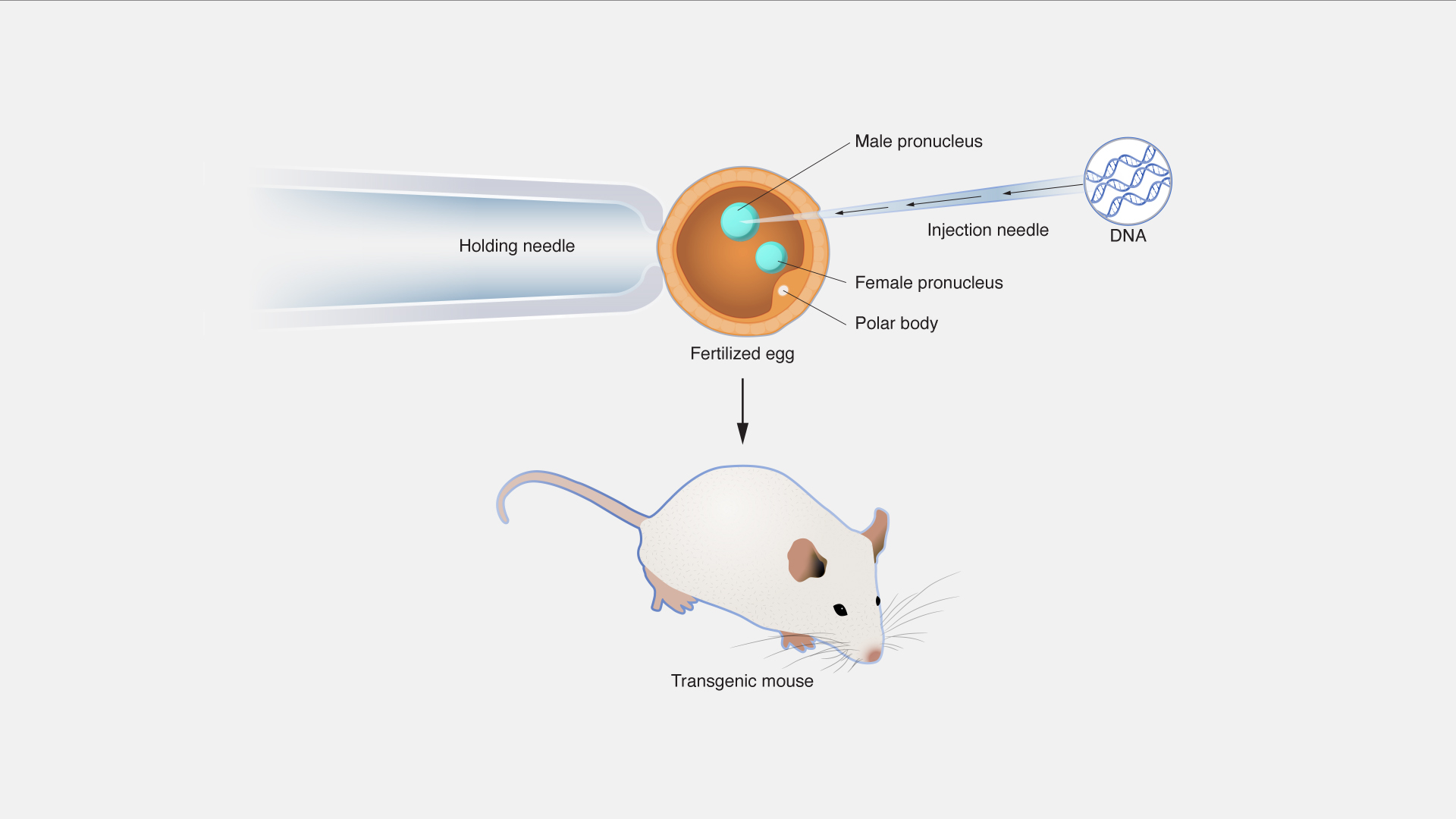
Defining Transgenic Technology: The Code of Life as Software
At its core, the creation of a transgenic species is a feat of molecular engineering. To understand this technology, one must view DNA not just as a biological blueprint, but as a sophisticated programming language. Just as a software developer can take a specific function from one application and integrate it into another to add new capabilities, biotechnologists can identify a desirable trait in one organism and “patch” it into the genetic sequence of another.
The Mechanics of Gene Splicing
The process of creating a transgenic organism begins with the identification of a specific gene of interest. For example, a gene from a bacterium that produces a natural insecticide might be targeted for insertion into a crop plant. The “tech stack” used for this process includes restriction enzymes—essentially biological scissors—that cut DNA at specific sequences. Once the desired gene is isolated, it is often combined with a “promoter” sequence that acts as a power switch, ensuring the gene is expressed correctly within the host organism.
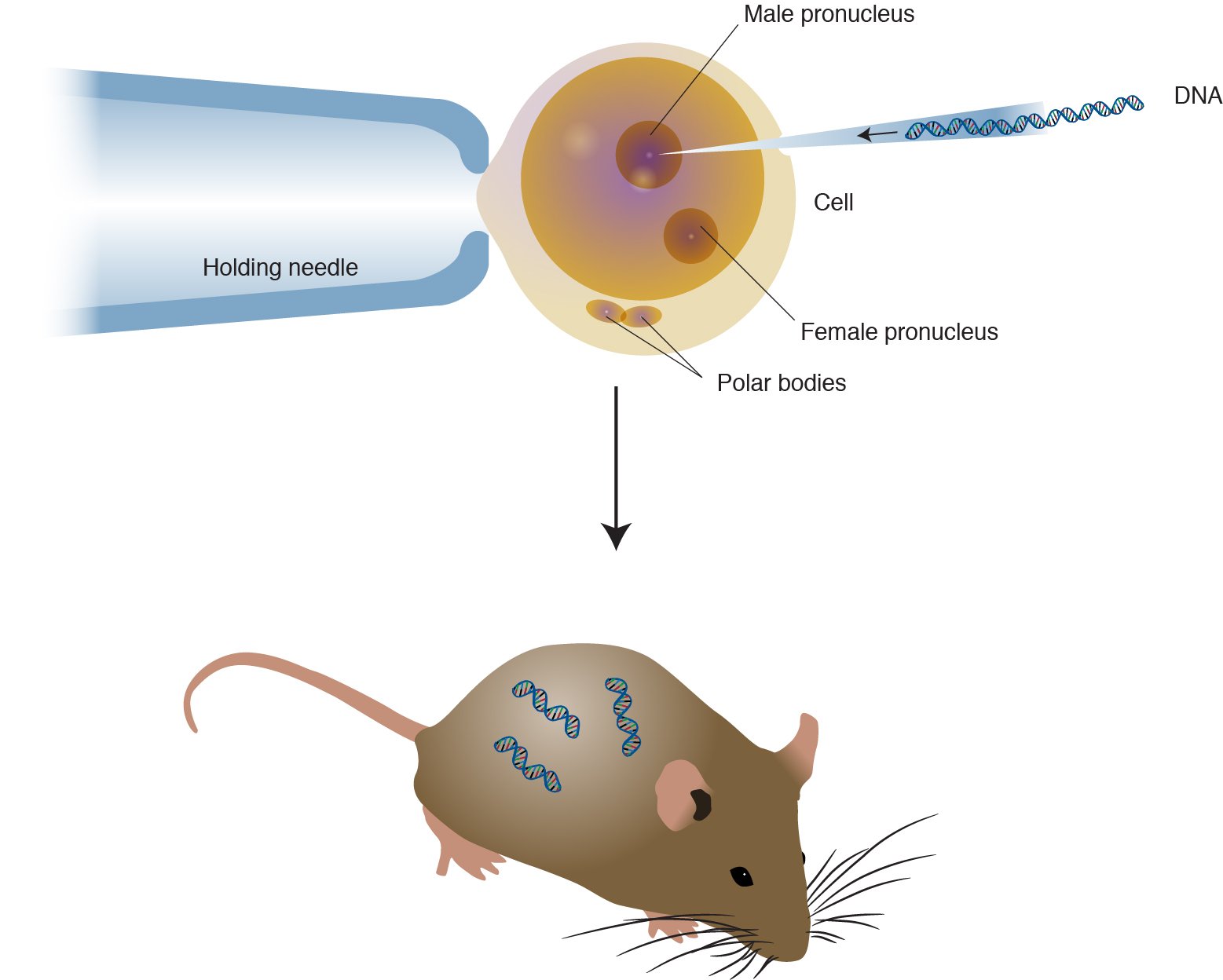
This foreign DNA is then introduced into the host’s genome using various delivery vectors. In early iterations, scientists used “gene guns” to physically fire DNA-coated particles into cells. Today, the technology has evolved toward more sophisticated biological delivery systems, such as modified agrobacteria or viral vectors, which can naturally integrate their genetic payload into the host’s cellular machinery.
The CRISPR-Cas9 Revolution
The most significant recent advancement in this field is CRISPR-Cas9 technology. Often described as the “search-and-replace” tool for the genome, CRISPR allows for unprecedented precision. While older transgenic methods were somewhat “shotgun” in their approach—placing the new DNA into the host genome somewhat randomly—CRISPR allows engineers to target specific locations with surgical accuracy.
This level of control has drastically reduced the “bugs” in the biological system, such as unintended gene disruptions. It has also accelerated the development cycle for new transgenic species, moving projects from the laboratory to field testing in a fraction of the time previously required. In the tech world, CRISPR is the equivalent of moving from assembly language to a high-level, intuitive programming interface.
The Intersection of Biotechnology and AI Trends
The development of transgenic species no longer happens in a vacuum. It is increasingly fueled by advancements in artificial intelligence and big data. The “Bio-IT” sector is one of the fastest-growing niches in the technology world, where the primary goal is to map, simulate, and predict the outcomes of genetic modifications before a single cell is ever touched in a lab.
AI-Driven Genetic Modeling
The sheer complexity of a genome makes manual trial-and-error inefficient. A single organism can have tens of thousands of genes, and their interactions are non-linear. High-performance computing and machine learning algorithms are now used to analyze massive datasets of genomic sequences (Big Data).
AI tools can predict how a specific transgenic insertion will affect the overall metabolism of a plant or animal. By running thousands of simulations, researchers can identify the most promising genetic candidates, much like how automotive engineers use digital twins to test car designs in a virtual environment. This predictive modeling is essential for creating “transgenic stacks,” where multiple foreign genes are introduced simultaneously to provide a suite of new characteristics, such as drought resistance and enhanced nutritional content.
Securing the Bio-Digital Pipeline
As genetic sequences are digitized and stored in cloud-based repositories, the line between biotechnology and digital security has blurred. The “blueprints” for transgenic species are valuable pieces of intellectual property. This has led to a surge in specialized digital security solutions tailored for biotech firms.
Protecting these digital sequences from cyber-espionage is a critical concern. If a competitor—or a malicious actor—gains access to the genomic data of a high-yield transgenic crop or a transgenic animal used for pharmaceutical production, they can effectively “pirate” years of research and development. The tech industry is responding with encrypted genomic databases and blockchain-based provenance tracking to ensure the integrity of biological data.
Real-World Applications: From Lab to Market
The technology of transgenic species is already deeply embedded in our global infrastructure. While the term may sound futuristic, the practical applications of these “engineered organisms” are driving multi-billion dollar markets and solving some of the most pressing challenges in sustainability and medicine.
Agricultural Technology and Climate Resilience
Agriculture is perhaps the most visible frontier for transgenic technology. With a growing global population and a changing climate, traditional farming methods are being augmented by “AgTech.” Transgenic crops, such as corn and soybeans, have been engineered to withstand specific herbicides or to produce their own pest-repellent proteins.
Beyond pest resistance, the next wave of transgenic innovation focuses on climate adaptation. Scientists are developing transgenic rice and wheat that can thrive in high-salinity soils or survive prolonged flooding. By pulling genes from extremophile organisms—species that live in the world’s harshest environments—engineers are building a more resilient food supply chain. This is the ultimate “hardware upgrade” for the planet’s agricultural systems.
Bio-Manufacturing and “Pharming”
One of the most fascinating technological shifts is the use of transgenic animals as “living factories.” This process, often called “pharming,” involves inserting human genes into the DNA of animals like goats, sheep, or cows. These animals then produce human proteins or antibodies in their milk, which can be harvested and refined into life-saving medicines.
For instance, transgenic goats have been engineered to produce antithrombin, a protein that prevents blood clots, which is then used in human surgeries. This method is often more scalable and cost-effective than traditional laboratory-based chemical synthesis. In this context, the transgenic species acts as a sophisticated bio-reactor, a piece of organic technology designed to manufacture complex molecules with high precision.
The Future Landscape: Ethics, Regulation, and Synthetic Biology
As we look toward the future, the technology of transgenic species is set to merge with the broader field of synthetic biology. We are moving from simply “borrowing” genes from one species to “writing” entirely new genetic sequences that do not exist in nature. This evolution presents both immense opportunities and significant challenges that the tech community must address.
The Open Source vs. Proprietary Debate
Much like the software industry, the biotech world is currently grappling with the balance between proprietary innovation and open-source collaboration. Major corporations hold extensive patents on transgenic sequences, which can limit the ability of smaller startups to innovate.
However, there is a growing “Bio-Hacking” and “Open Biotech” movement that advocates for open-source access to genetic tools and sequences. This democratization of technology could lead to a localized “app store” model for biology, where small-scale farmers or researchers can download and implement genetic modifications tailored to their specific regional needs.

Regulatory Frameworks and Public Perception
The rapid pace of transgenic technology often outstrips the ability of regulatory bodies to keep up. In the tech industry, we see similar lag times with AI and data privacy. For transgenic species, the stakes are unique because they involve the natural ecosystem.
Technological monitoring tools are being developed to track the spread of transgenic material in the wild. “Gene drives,” a technology that ensures a specific trait is passed on to all offspring, are being studied as a way to eradicate invasive species or malaria-carrying mosquitoes. However, the deployment of such powerful tools requires robust ethical frameworks and failsafe mechanisms—the biological equivalent of an “emergency kill switch.”
The story of transgenic species is a testament to human ingenuity and our ability to master the tools of nature. By viewing biology through the lens of technology, we can appreciate the complexity and potential of these engineered organisms. As we continue to refine our ability to program the code of life, the distinction between “natural” and “engineered” will continue to fade, giving rise to a new era of biological innovation that is as data-driven and transformative as the digital revolution that preceded it.
aViewFromTheCave is a participant in the Amazon Services LLC Associates Program, an affiliate advertising program designed to provide a means for sites to earn advertising fees by advertising and linking to Amazon.com. Amazon, the Amazon logo, AmazonSupply, and the AmazonSupply logo are trademarks of Amazon.com, Inc. or its affiliates. As an Amazon Associate we earn affiliate commissions from qualifying purchases.