
In today’s hyper-connected world, the relationship between a business and its customer is no longer a linear, one-way street. It’s a complex, multi-faceted ecosystem where every interaction, no matter how fleeting, plays a crucial role. These crucial interaction points are known as touchpoints. Understanding what touchpoints are, how they manifest across different domains, and how to strategically manage them is paramount for success in the realms of tech, brand building, and financial growth.
This article delves into the intricate world of touchpoints, exploring their definition, their pervasive presence in our digital and physical lives, and their profound impact on shaping customer experiences. We will dissect how businesses leverage touchpoints across technology, brand strategy, and financial services to foster loyalty, drive engagement, and ultimately, achieve their objectives.
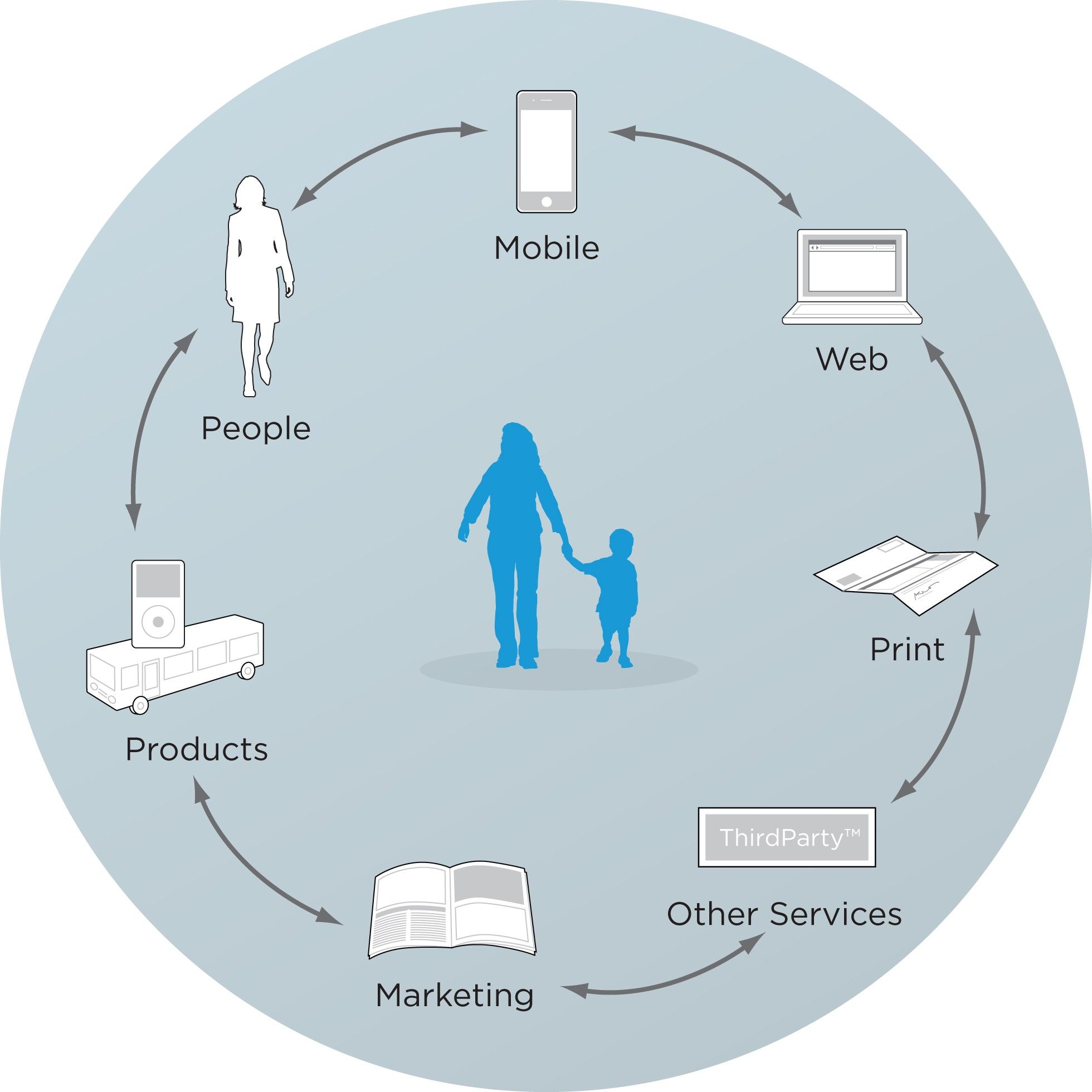
Understanding the Essence of Touchpoints
At its core, a touchpoint is any instance where a customer or potential customer comes into contact with your brand, product, or service. It’s a moment of interaction, an opportunity to engage, inform, persuade, or assist. These interactions can be intentional on the part of the business, such as an advertisement or a customer service call, or they can be more organic, like a social media mention or a review.
The evolution of technology has dramatically expanded the landscape of touchpoints. From the traditional handshake and in-store visit to digital ads, app notifications, chatbots, and virtual reality experiences, the ways in which brands connect with their audience are more diverse than ever before. Each touchpoint carries the potential to strengthen or weaken the customer’s perception of a brand.
The Multifaceted Nature of Customer Interaction
Think of the customer journey as a tapestry woven from countless threads, each thread representing a touchpoint. Some threads are thick and prominent, like a major purchase decision or a significant service interaction. Others are finer and more subtle, like seeing a brand logo on a social media feed or receiving a promotional email. Regardless of their size, each touchpoint contributes to the overall picture the customer forms of the brand.
The key takeaway is that touchpoints are not just about direct transactions. They encompass every aspect of a customer’s experience, from initial awareness and consideration to post-purchase support and advocacy. A well-designed customer journey strategically maps and optimizes each of these touchpoints to create a seamless, positive, and memorable experience.
Touchpoints in the Digital Realm: Tech’s Influence
The rapid advancement of technology has fundamentally reshaped how businesses interact with their customers. In the tech world, touchpoints are often the very conduits through which products and services are delivered and experienced. This includes a vast array of digital interactions that have become indispensable to modern commerce and communication.
Digital Channels and Interfaces
1. Websites and Landing Pages: These are often the first digital touchpoints. A well-designed, user-friendly website provides information, facilitates transactions, and can be a powerful tool for brand storytelling. Landing pages, specifically designed for particular campaigns or offers, are crucial for capturing leads and guiding users towards a desired action.
2. Mobile Applications: Apps offer a more personalized and immersive experience. Push notifications, in-app messaging, and personalized content within an app are direct touchpoints that can drive engagement and loyalty. For software companies, the app itself is the primary touchpoint.
3. Social Media Platforms: From initial discovery through targeted ads to ongoing customer engagement via comments, direct messages, and community building, social media is a critical touchpoint. Brands can leverage these platforms for marketing, customer service, and gathering feedback.
4. Email Marketing: Still a powerful tool, emails serve as direct touchpoints for nurturing leads, sharing updates, promoting offers, and building relationships. Personalized and segmented email campaigns can be highly effective.
5. Chatbots and Virtual Assistants: These AI-powered touchpoints provide instant customer support, answer FAQs, and even guide users through complex processes. They offer a scalable and efficient way to handle a large volume of inquiries.
6. Online Advertising (Display, Search, Video): These are often the initial touchpoints that bring potential customers into the brand’s orbit. Effective ad copy, relevant targeting, and compelling visuals are crucial for making a positive first impression.
7. Online Reviews and Forums: Customer-generated content on review sites and forums is a powerful, albeit often uncontrolled, touchpoint. Positive reviews build trust, while negative ones present an opportunity for service recovery and improvement.
8. Software and AI Tools: For businesses selling software or AI solutions, the product itself is the ultimate touchpoint. Intuitive design, seamless functionality, and valuable features are essential for a positive user experience. Regular updates and feature releases also represent ongoing touchpoints.
The Importance of User Experience (UX) and User Interface (UI)
Within the tech landscape, the quality of the User Interface (UI) and User Experience (UX) at each digital touchpoint is paramount. A clunky interface or a frustrating user journey can quickly lead to customers abandoning a product or service. Conversely, intuitive design, clear navigation, and seamless interactions create positive emotions and encourage repeat engagement.
The focus on productivity tools, for instance, means that every touchpoint within that software must be optimized for efficiency. Users expect to achieve their goals quickly and without friction. Similarly, in the realm of gadgets, the unboxing experience, the initial setup, and the everyday use are all critical touchpoints that contribute to overall satisfaction. Digital security features, while often invisible, are crucial touchpoints that build trust and provide peace of mind.
Brand Touchpoints: Crafting Identity and Reputation
Beyond the functional aspects of technology, touchpoints are the building blocks of a brand’s identity and reputation. They are the moments where a brand’s values, personality, and promises are communicated and experienced by the audience. Effective brand management ensures that each touchpoint reinforces the desired brand image.
Strategic Touchpoint Mapping for Brand Building
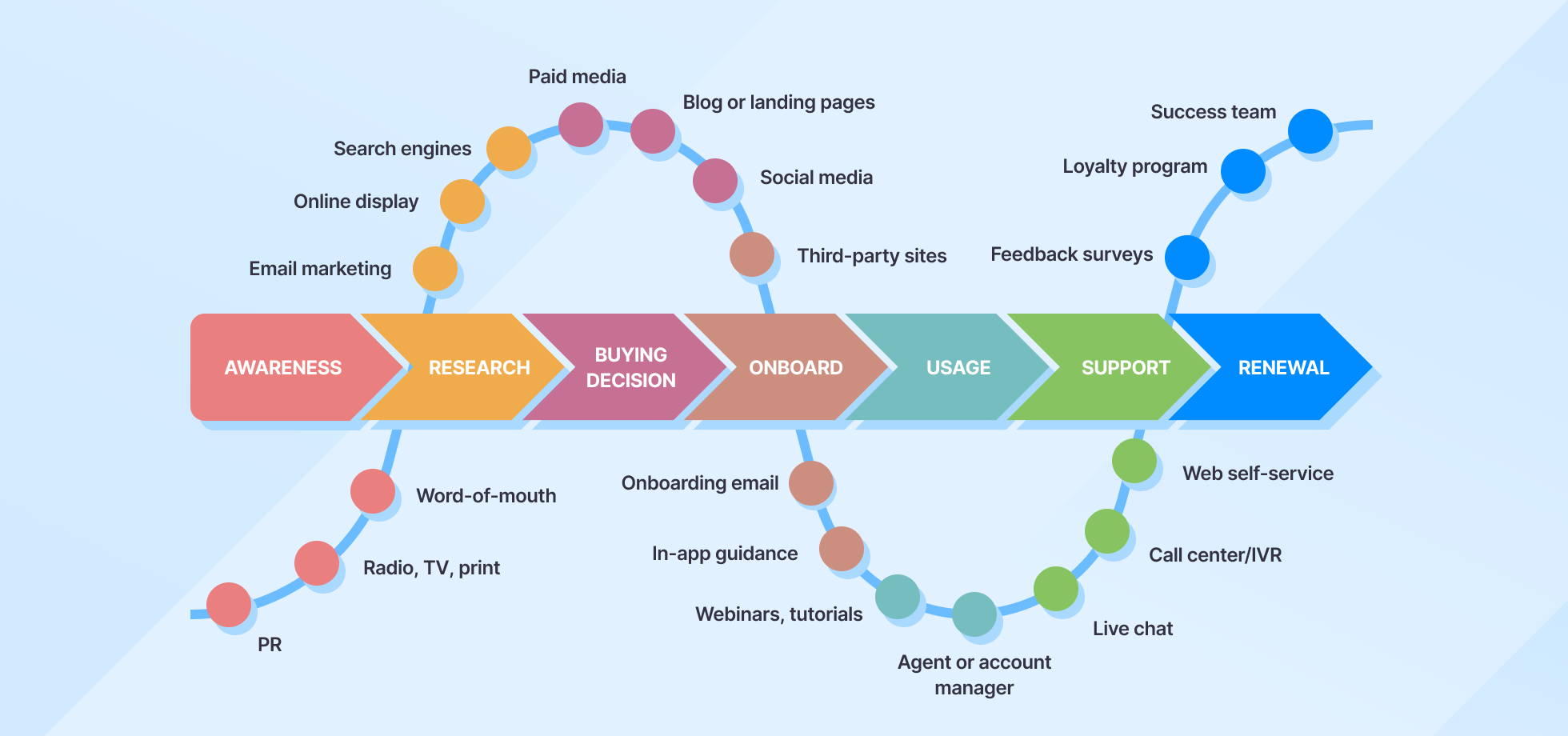
1. Brand Identity Elements: This includes the logo, color palette, typography, and overall visual language. These elements should be consistently applied across all touchpoints, from business cards and websites to product packaging and social media graphics.
2. Marketing and Advertising Campaigns: Every advertisement, whether digital or traditional, is a deliberate touchpoint designed to attract and engage potential customers. The messaging, tone, and visual style all contribute to the brand’s perception.
3. Public Relations and Media Mentions: Positive news coverage or influential endorsements serve as powerful touchpoints, building credibility and awareness. Managing these effectively involves proactive communication and relationship building with the media.
4. Customer Service Interactions: This is perhaps one of the most critical brand touchpoints. The way a brand handles inquiries, resolves complaints, and provides support directly shapes customer loyalty and perception. Excellent customer service can turn a negative situation into a positive brand experience.
5. In-Store Experience: For brick-and-mortar businesses, the physical environment, the helpfulness of staff, and the overall atmosphere are all vital touchpoints. This includes everything from the cleanliness of the store to the ease of navigation and the availability of product information.
6. Product Packaging and Presentation: The unboxing experience for physical products is a significant touchpoint. Thoughtful and aesthetically pleasing packaging can enhance the perceived value of the product and create a memorable moment.
7. Corporate Social Responsibility (CSR) Initiatives: Demonstrating a commitment to social and environmental causes can be a powerful brand touchpoint, resonating with ethically conscious consumers and building a positive reputation.
The Power of Consistency and Authenticity
The true power of brand touchpoints lies in their consistency and authenticity. When a brand consistently delivers on its promises across all interactions, it builds trust and predictability. Inconsistency, on the other hand, can lead to confusion and erode customer confidence.
Brand strategy dictates how these touchpoints are designed and deployed. Personal branding, for individuals, involves consciously managing their own touchpoints to project a specific professional image. Corporate identity is about ensuring that all company-wide interactions align with the established brand guidelines. Design plays a crucial role in creating visually appealing and memorable touchpoints. Case studies serve as valuable touchpoints that showcase a brand’s success and capabilities. Ultimately, the management of all these touchpoints contributes to the overall reputation of a brand.
Money Touchpoints: Driving Financial Engagement and Growth
The principles of touchpoints are equally applicable to the financial sector, where interactions with money, financial products, and financial advice are central to customer relationships. Businesses in this domain must meticulously design their touchpoints to build trust, facilitate transactions, and guide customers towards financial well-being.
Financial Touchpoints Across the Customer Lifecycle
1. Financial Websites and Online Banking Portals: These are the digital storefronts for financial institutions. Easy navigation, secure transactions, clear account overviews, and accessible financial tools are essential touchpoints.
2. Mobile Banking Apps: Offering convenience and accessibility, mobile apps are critical touchpoints for managing finances on the go. Features like fund transfers, bill payments, and instant alerts enhance the user experience.
3. Customer Service Channels (Phone, Chat, In-Person): Dealing with financial matters often requires sensitive and personalized support. Responsive and knowledgeable customer service at these touchpoints is crucial for resolving issues and building confidence.
4. Financial Product Marketing and Sales: Advertisements for loans, investments, insurance, and other financial products are key touchpoints that inform and persuade potential customers. The clarity and transparency of information are paramount.
5. Financial Planning and Advisory Services: Interactions with financial advisors, whether in person or through online consultations, are high-stakes touchpoints that require trust and expertise.
6. Investment Platforms and Trading Tools: For investors, the platforms used to buy and sell securities are critical touchpoints. Ease of use, access to market data, and robust trading functionalities are key.
7. Personal Finance and Budgeting Apps: These apps act as direct touchpoints for individuals seeking to manage their money. Features that offer insights, budgeting tools, and goal tracking can foster positive financial habits.
8. Educational Content and Resources: Providing articles, webinars, and tutorials on personal finance, investing, and online income opportunities are valuable touchpoints that empower customers and position the brand as a trusted source of knowledge.
The Impact of Trust and Accessibility in Finance
In the realm of personal finance, every touchpoint needs to inspire confidence. Customers are entrusting brands with their hard-earned money, so security, transparency, and reliability are non-negotiable. Investing touchpoints must provide clear information about risks and potential returns. For those seeking online income and side hustles, the platforms and resources they engage with must be legitimate and offer tangible opportunities.
Business finance touchpoints need to be efficient and supportive of operational needs. Financial tools, whether for budgeting, accounting, or investment analysis, are crucial for both individuals and businesses. The ease with which customers can access and utilize these tools directly impacts their satisfaction and the brand’s perceived value.
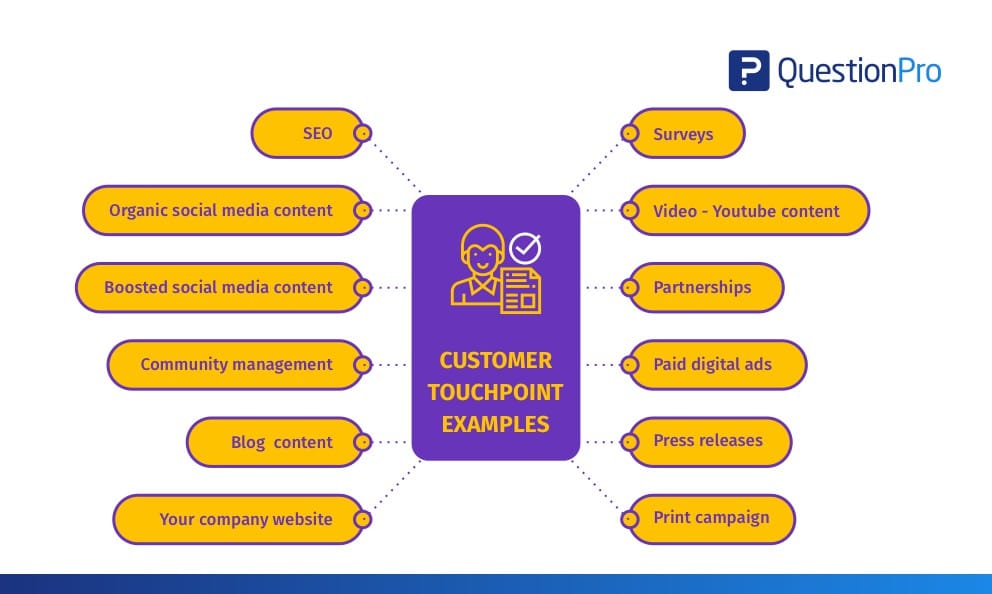
Conclusion: Orchestrating a Seamless Customer Experience
Touchpoints are the fundamental units of customer interaction, and in today’s competitive landscape, understanding, mapping, and optimizing them is no longer an option – it’s a necessity. From the initial spark of interest ignited by a tech ad to the lasting impression left by exceptional customer service, every touchpoint matters.
By strategically leveraging touchpoints across technology, brand, and money, businesses can create a cohesive and compelling customer journey. This involves not only identifying every potential interaction point but also ensuring that each one is aligned with the brand’s core values, offers a positive experience, and contributes to the ultimate goal of building lasting customer relationships and driving sustainable growth. The businesses that master the art of orchestrating their touchpoints will undoubtedly be the ones that thrive in the years to come.
aViewFromTheCave is a participant in the Amazon Services LLC Associates Program, an affiliate advertising program designed to provide a means for sites to earn advertising fees by advertising and linking to Amazon.com. Amazon, the Amazon logo, AmazonSupply, and the AmazonSupply logo are trademarks of Amazon.com, Inc. or its affiliates. As an Amazon Associate we earn affiliate commissions from qualifying purchases.