
Topical anesthetics are a class of medications that temporarily numb the skin and other surface tissues, providing relief from pain and discomfort. They work by blocking nerve signals in the area where they are applied, preventing pain sensations from reaching the brain. While often associated with medical procedures, topical anesthetics have a surprisingly broad range of applications, extending into various consumer products and even touching upon aspects of technology, branding, and financial considerations for those who use or provide them.
Understanding the Science Behind Topical Anesthetics
At their core, topical anesthetics are designed to interfere with the transmission of nerve impulses. This process is crucial for our perception of pain. When our bodies experience an injury or stimulus that could cause harm, specialized nerve cells called nociceptors detect this. These nociceptors then generate electrical signals that travel along nerve fibers towards the spinal cord and ultimately to the brain, where they are interpreted as pain.
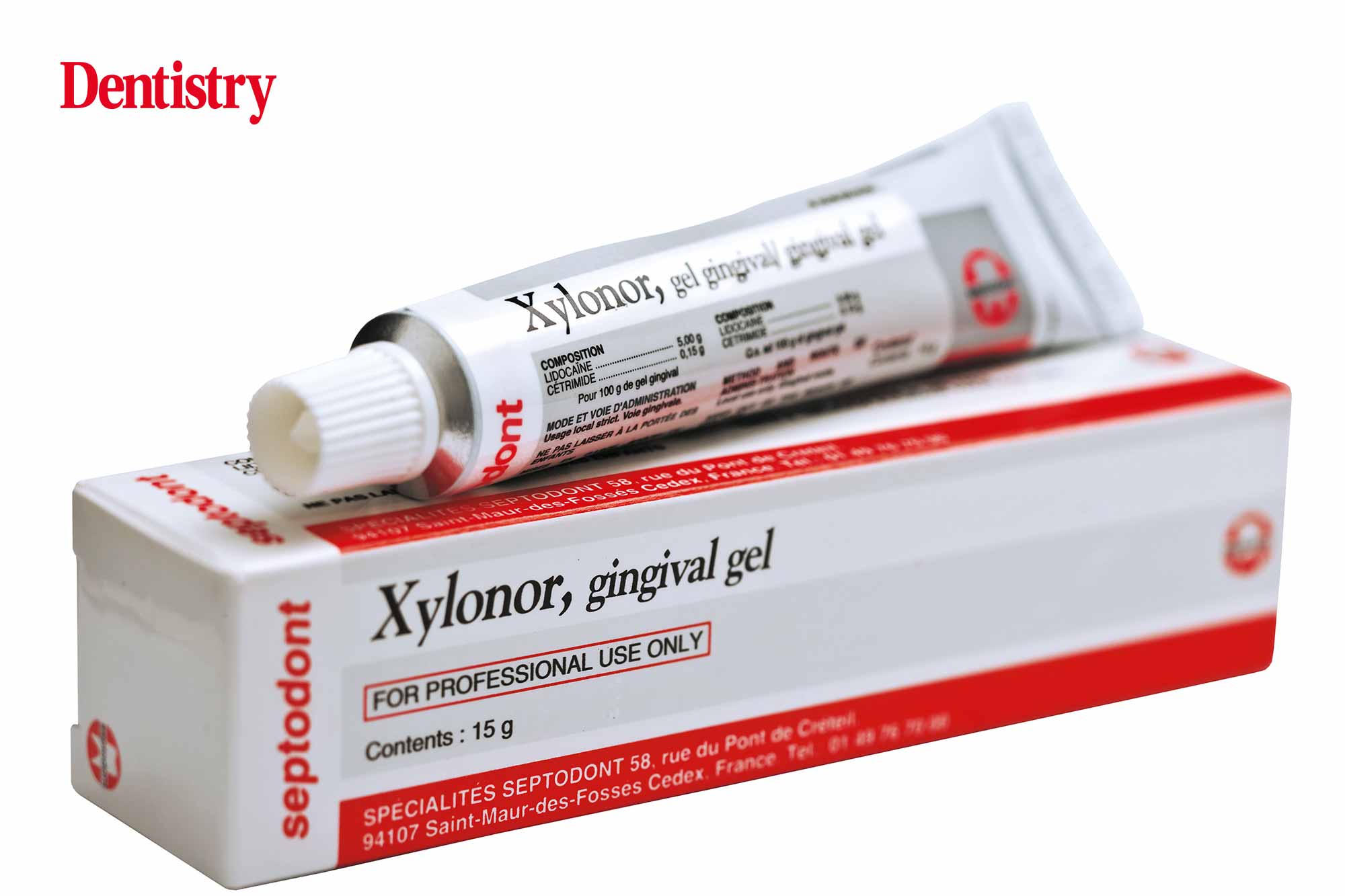
How They Block Nerve Signals
Topical anesthetics achieve their numbing effect by interacting with voltage-gated sodium channels in the membranes of nerve cells. These sodium channels are essential for the generation and propagation of electrical signals, including pain signals. When a topical anesthetic binds to these channels, it essentially “plugs them up,” preventing the influx of sodium ions that is necessary for the nerve impulse to fire and travel. This interruption of signal transmission leads to a localized loss of sensation, including pain, itching, and burning.
The specific chemical structures of different topical anesthetics vary, influencing their potency, duration of action, and potential side effects. Common classes of topical anesthetics include esters (like benzocaine) and amides (like lidocaine and prilocaine). Amides are generally considered to be more stable and less likely to cause allergic reactions compared to esters.
Factors Influencing Effectiveness
The effectiveness of a topical anesthetic depends on several factors:
- Concentration: Higher concentrations of the anesthetic generally lead to a more profound and longer-lasting numbing effect.
- Application Site: The thickness of the skin and the presence of blood vessels at the application site can influence how quickly and effectively the anesthetic is absorbed. Thinner skin, such as on the face or in mucous membranes, will absorb anesthetics more readily than thicker skin on the soles of the feet.
- Duration of Contact: Leaving the anesthetic on the skin for a longer period before a procedure or activity typically enhances its effectiveness.
- Skin Integrity: Broken or inflamed skin can lead to increased absorption of the anesthetic, potentially increasing the risk of systemic side effects.
Diverse Applications of Topical Anesthetics
The ability to temporarily desensitize nerve endings makes topical anesthetics invaluable in a wide array of situations, from routine medical care to everyday discomforts.
Medical and Dental Uses
In medical settings, topical anesthetics are a cornerstone for managing pain during minimally invasive procedures. They are frequently used to:
- Numb the skin before injections: This includes vaccinations, blood draws, and administration of medications.
- Prepare for minor surgical procedures: Such as removing skin tags, biopsies, or suturing small wounds.
- Relieve pain from burns and abrasions: Helping to ease the discomfort associated with superficial skin injuries.
- In dentistry: Numbing the gums before administering local anesthesia, performing dental cleanings, or fitting dentures.
These applications significantly improve patient comfort and compliance, making medical interventions more tolerable.

Consumer Products and Over-the-Counter Relief
Beyond clinical settings, topical anesthetics are readily available in over-the-counter (OTC) products designed for common ailments. These include:
- Pain-relieving creams and lotions: Used for muscle aches, strains, and sprains.
- Anti-itch creams: To soothe insect bites, rashes, and minor skin irritations.
- Hemorrhoid treatments: To alleviate the pain and itching associated with hemorrhoids.
- Sore throat sprays and lozenges: To provide temporary relief from throat pain.
- Sunburn relief products: To cool and numb the skin after excessive sun exposure.
The accessibility of these products allows individuals to manage minor discomforts at home, promoting self-care and reducing the need for immediate medical consultation in many cases.
Topical Anesthetics in the Context of Technology, Branding, and Money
While not directly involved in the creation of topical anesthetics, the broader landscape of technology, branding, and personal finance plays a significant role in how these products are developed, marketed, distributed, and utilized.
Leveraging Technology for Enhanced Delivery and Efficacy
Technology plays an increasingly vital role in the development and application of topical anesthetics.
- Advanced Formulation Technologies: Pharmaceutical companies are constantly innovating in how topical anesthetics are delivered. This includes developing novel formulations like liposomal delivery systems, which can enhance penetration into the skin and prolong the duration of action. Nanotechnology is also being explored to create even more targeted and efficient delivery mechanisms.
- Digital Health and Telemedicine: In the realm of digital health, technology can facilitate better management of pain relief. For example, telemedicine consultations can help patients determine the most appropriate OTC topical anesthetic for their condition. Mobile apps could be developed to track usage, set reminders for reapplication, and even provide educational content about pain management and the safe use of these products.
- AI in Drug Discovery and Formulation: Artificial intelligence (AI) is being increasingly employed in the pharmaceutical industry for drug discovery and the optimization of drug formulations. AI algorithms can analyze vast datasets to identify potential new anesthetic compounds or predict the optimal combinations of ingredients for enhanced efficacy and reduced side effects in topical applications.
- Smart Devices for Monitoring: While perhaps more nascent, future applications could involve smart devices that monitor skin conditions and suggest the use of appropriate topical anesthetics, or even devices that ensure uniform and consistent application of anesthetic creams.
The Power of Branding in Consumer Perception and Trust
The branding of topical anesthetic products is crucial in shaping consumer perception, trust, and purchasing decisions.
- Brand Differentiation and Trust: In a crowded market of OTC medications, a strong brand identity is essential. Companies invest heavily in creating brand narratives that convey efficacy, safety, and relief. A trusted brand name can be the deciding factor for consumers when choosing between multiple similar products. This involves consistent packaging, clear messaging, and a history of reliable performance.
- Marketing and Communication Strategies: Effective marketing campaigns leverage various channels, from television commercials and print advertisements to digital marketing and social media. These campaigns aim to educate consumers about the benefits of topical anesthetics, demonstrate their ease of use, and associate them with comfort and pain relief. Influencer marketing, where health and wellness personalities endorse products, is also a growing trend.
- Corporate Identity and Reputation: For pharmaceutical companies producing topical anesthetics, their overall corporate identity and reputation for quality and safety directly impact the perception of their individual product lines. A company with a strong track record in medical innovation and ethical practices will likely have greater consumer confidence in their topical anesthetic offerings.
- Case Studies and Testimonials: Highlighting successful applications through case studies and authentic testimonials can significantly build credibility and persuade potential users. This is particularly relevant for medical-grade topical anesthetics used in professional settings, where evidence of efficacy is paramount.
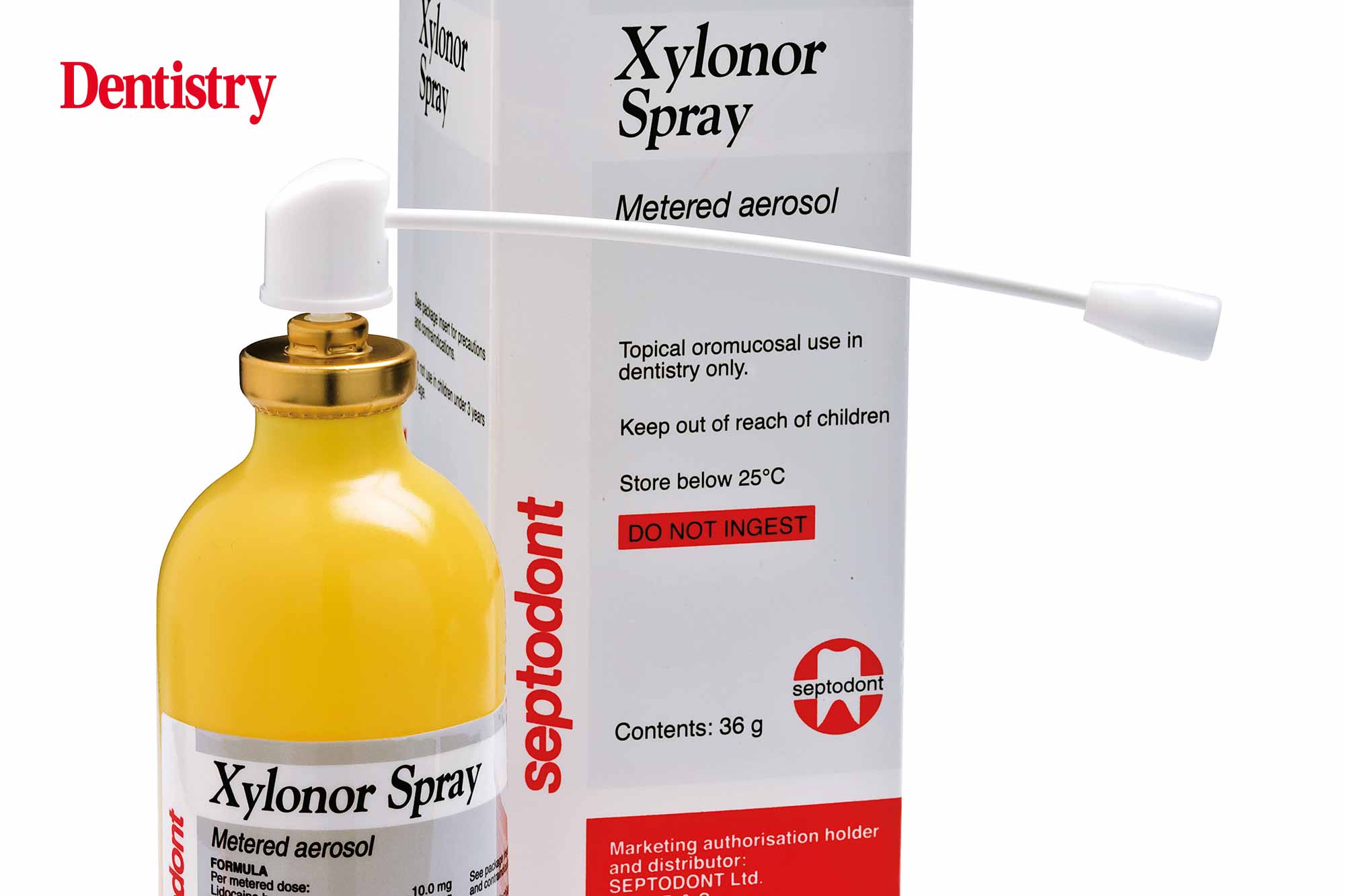
Financial Considerations: From Development Costs to Consumer Spending
The financial aspects surrounding topical anesthetics are multifaceted, encompassing research and development, manufacturing, marketing, and consumer expenditure.
- Research and Development Investment: Developing new and improved topical anesthetic formulations requires significant investment in scientific research, clinical trials, and regulatory approvals. This substantial upfront cost influences the pricing of both prescription and OTC products.
- Manufacturing and Distribution Costs: The large-scale production of topical anesthetics involves sophisticated manufacturing processes, quality control measures, and complex distribution networks to ensure products reach pharmacies and consumers efficiently. These operational costs are factored into the final retail price.
- Consumer Spending on Pain Relief: Topical anesthetics represent a significant segment of the consumer healthcare market. Individuals spend considerable amounts annually on OTC pain relief products, including creams, sprays, and lozenges containing anesthetics. This consistent demand supports the market for these products.
- Insurance Coverage and Healthcare Economics: For prescription-strength topical anesthetics or those used in medical procedures, insurance coverage plays a vital role. Understanding the economics of healthcare, including reimbursement policies and the cost-effectiveness of using topical anesthetics versus other pain management strategies, is important for healthcare providers and patients alike.
- Opportunities for Online Income and Side Hustles: For entrepreneurs, there can be opportunities related to topical anesthetics, though these are often indirect. This could involve developing educational content about pain management, creating affiliate marketing platforms for health products, or even offering consulting services to small businesses involved in the distribution or marketing of such items.
In conclusion, topical anesthetics are remarkably versatile compounds that provide essential pain relief across numerous applications. From their intricate scientific mechanism of action to their widespread availability in consumer products, they are an integral part of modern healthcare and personal well-being. Moreover, the interconnectedness with technology for enhanced delivery, strategic branding for consumer trust, and financial considerations for both producers and consumers, highlight the complex ecosystem in which these seemingly simple numbing agents operate.
aViewFromTheCave is a participant in the Amazon Services LLC Associates Program, an affiliate advertising program designed to provide a means for sites to earn advertising fees by advertising and linking to Amazon.com. Amazon, the Amazon logo, AmazonSupply, and the AmazonSupply logo are trademarks of Amazon.com, Inc. or its affiliates. As an Amazon Associate we earn affiliate commissions from qualifying purchases.