
The global financial landscape is currently defined by a “higher-for-longer” interest rate environment that has fundamentally reshaped how individuals and businesses approach their finances. Whether you are looking to buy a home, save for retirement, or manage corporate debt, understanding today’s interest rates is no longer just a task for economists—it is a vital survival skill for anyone navigating the modern economy. After a decade of historically low rates, the shift toward tighter monetary policy has created a dual-edged sword: borrowing is more expensive than it has been in a generation, but for the first time in years, savers are finally being rewarded for keeping cash in the bank.
Understanding the Landscape of Current Mortgage Rates
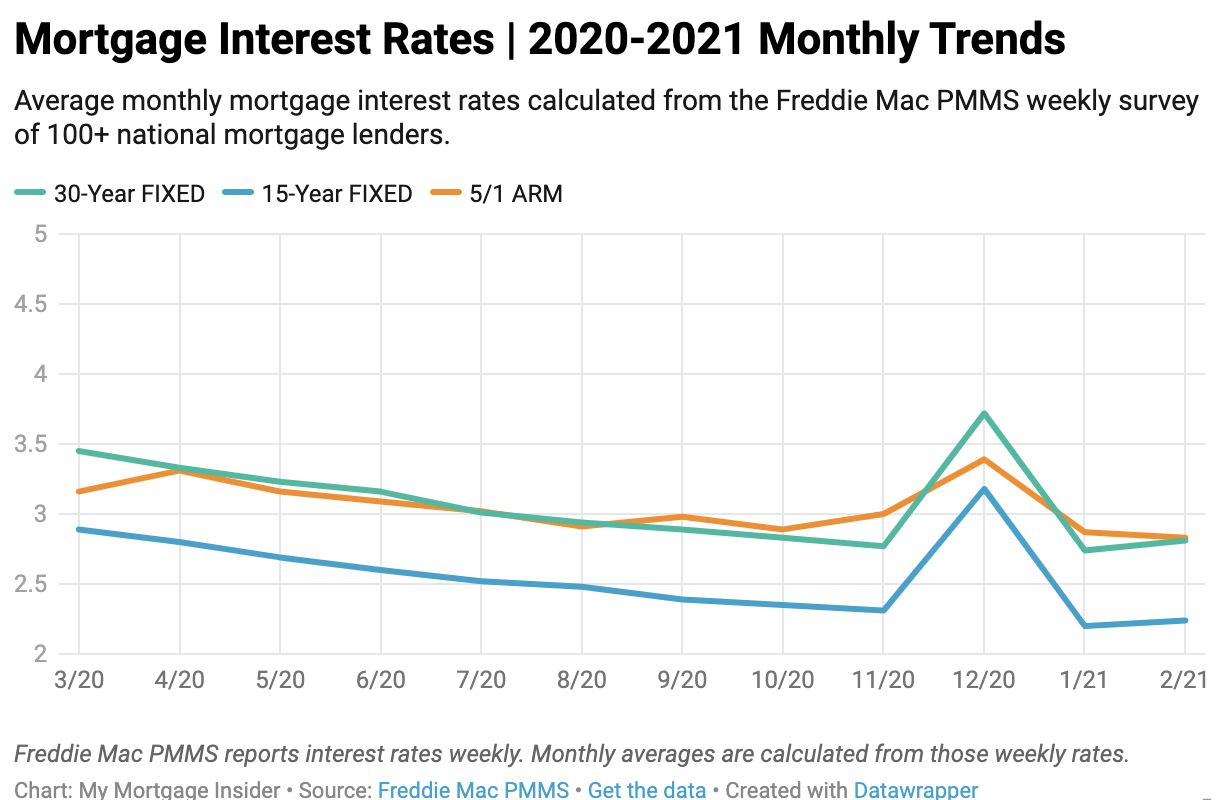
For most consumers, the most significant point of contact with interest rates is the mortgage market. Today’s mortgage rates are influenced by a complex interplay of the Federal Funds Rate, the 10-year Treasury yield, and investor appetite for mortgage-backed securities. Currently, the benchmark 30-year fixed-rate mortgage hovers in a range that feels restrictive compared to the 3% era of 2020, yet remains moderate when viewed through a 50-year historical lens.
Fixed-Rate vs. Adjustable-Rate Mortgages
In the current climate, the 30-year fixed-rate mortgage remains the gold standard for stability. Borrowers are prioritizing the certainty of a set payment, even at higher levels, over the uncertainty of future hikes. However, we are seeing a resurgence in Adjustable-Rate Mortgages (ARMs). Today’s ARMs often offer a lower introductory rate for the first five or seven years. For buyers who anticipate refinancing when the Federal Reserve eventually pivots toward rate cuts, or for those who plan to move within a few years, the ARM has become a strategic tool to maintain affordability in a high-price housing market.
Factors Influencing Mortgage Trends
It is important to recognize that the “headline” rate you see in the news is rarely the rate you receive. Today’s rates are highly individualized. Credit scores have a more profound impact now than they did during the period of easy money; a borrower with a 760 score may see a rate nearly a full percentage point lower than someone with a 660 score. Furthermore, the “spread”—the difference between the 10-year Treasury yield and mortgage rates—has remained unusually wide due to market volatility. This suggests that even if Treasury yields fall, mortgage rates may not drop as quickly as many hope, as lenders price in the risk of ongoing economic uncertainty.
Savings and Liquid Assets: The Bright Side of High Rates
While borrowers are feeling the squeeze, savers are experiencing a renaissance. For nearly fifteen years, the “real” return on savings—the interest earned minus inflation—was often negative. Today, that dynamic has flipped. High interest rates have turned boring financial vehicles into powerful wealth-building tools.
High-Yield Savings Accounts (HYSA)
The High-Yield Savings Account has become the cornerstone of the modern personal finance portfolio. Traditional “brick-and-mortar” banks have been slow to raise their interest payouts, often clinging to rates near 0.01%. In contrast, online-first banks and fintech platforms are currently offering rates between 4.00% and 5.50% APY. For a household with an emergency fund of $30,000, the difference between a traditional account and an HYSA can represent over $1,500 in “free” money annually. This has led to a massive migration of capital toward digital banking institutions that are more responsive to central bank movements.
Certificates of Deposit (CDs) and Money Market Accounts
For those with excess liquidity who do not need immediate access to their cash, Certificates of Deposit (CDs) are offering some of the best guaranteed returns in decades. We are currently seeing an “inverted” yield curve in the CD market, where short-term certificates (6 to 12 months) often offer higher yields than long-term certificates (3 to 5 years). This reflects the market’s expectation that rates may eventually decrease. Savvy investors are utilizing “CD Ladders”—staggering the maturity dates of multiple CDs—to capture today’s high yields while maintaining a degree of liquidity. Money Market Accounts (MMAs) provide a middle ground, offering competitive rates similar to HYSAs but with limited check-writing capabilities, making them ideal for large, upcoming expenses like a tax bill or a wedding.
The Cost of Consumer Debt and Business Finance
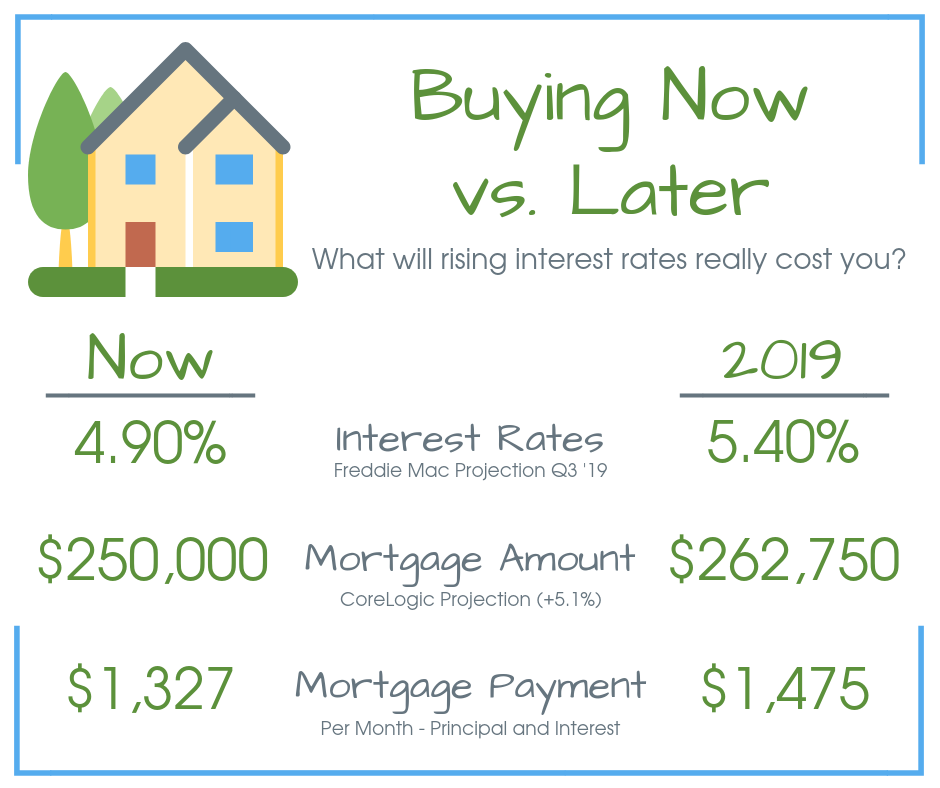
On the opposite side of the ledger, the cost of carrying debt has reached a critical threshold. As the cost of capital rises, the margin for error in personal and business budgeting shrinks. Understanding how today’s rates affect revolving debt is essential for maintaining a healthy balance sheet.
Credit Card APRs and Personal Loans
Credit card interest rates are directly tied to the Prime Rate, which moves in lockstep with the Federal Reserve’s decisions. Today, the average credit card APR is well above 20%, the highest level since tracking began. For consumers carrying a balance, these rates create a compounding effect that can make debt nearly impossible to clear without a structured intervention. This has led to a surge in the popularity of fixed-rate personal loans for debt consolidation. By locking in a personal loan at 11% or 12%, a consumer can effectively cut their interest expense in half compared to high-interest credit cards, providing a clearer path to debt freedom.
Auto Loan Trends
The automotive market is facing a dual challenge of high vehicle prices and elevated interest rates. The days of 0% or 1.9% financing from manufacturers are largely gone, reserved only for specific models or those with Tier 1 credit. Today’s average auto loan for a new vehicle sits between 7% and 9%, while used car loans can easily climb into the double digits. This has shifted the “buy vs. lease” math significantly. In a high-rate environment, leasing can sometimes offer lower monthly payments, but it lacks the equity-building component of ownership. Consumers are now keeping their vehicles longer and prioritizing larger down payments to minimize the total interest paid over the life of the loan.
How the Federal Reserve Shapes Your Financial Reality
To understand why today’s rates are where they are, one must look at the Federal Open Market Committee (FOMC). The Federal Reserve’s primary mandate is to manage inflation and maintain maximum employment. When inflation spiked to 40-year highs, the Fed responded with one of the most aggressive rate-hiking cycles in history.
The Federal Funds Rate Explained
The Federal Funds Rate is the interest rate at which commercial banks borrow and lend to each other overnight. While it isn’t the rate you pay on your mortgage or credit card, it serves as the foundation for the entire economy. When the Fed raises this rate, it becomes more expensive for banks to get money, and they pass those costs onto consumers. Today, the Fed is in a “wait and see” mode. They are looking for consistent evidence that inflation is returning to their 2% target. Until that happens, they are unlikely to lower rates significantly, meaning the current “expensive” borrowing environment is likely to persist through the near future.
Inflation and Economic Indicators
Interest rates do not exist in a vacuum; they are a reaction to the broader economy. Today’s rates are a reflection of a surprisingly resilient labor market and sticky service-sector inflation. If the economy stays strong, the Fed has little incentive to lower rates and risk a second wave of inflation. However, if unemployment begins to tick up or consumer spending craters, we may see a rapid shift in policy. For the average person, this means that tracking “Core CPI” (Consumer Price Index) and monthly jobs reports is just as important as tracking the rates themselves, as these indicators are the leading signals for where rates will go next.
Strategic Moves for Navigating Today’s Interest Rate Environment
In an environment of 7% mortgages and 5% savings accounts, the financial “rules of thumb” from five years ago no longer apply. Navigating this landscape requires a proactive and calculated approach to capital allocation.
Refinancing and “Date the Rate”
In the housing market, a popular mantra has emerged: “Marry the house, date the rate.” This philosophy suggests that buyers should purchase the home they need today, even at a higher rate, with the intention of refinancing later. While this can be a valid strategy, it carries the risk that rates may not drop as quickly as anticipated. A more robust strategy is to ensure the home is affordable at today’s rate, treating a future refinance as a potential bonus rather than a necessity for financial survival.

Investment Portfolio Adjustments
For investors, high interest rates have brought “Fixed Income” back into fashion. For years, the TINA (There Is No Alternative) acronym drove investors into the stock market because bonds paid almost nothing. Today, there is an alternative. With Treasury bonds and high-quality corporate bonds offering yields of 5% or more, investors can achieve meaningful returns with significantly less risk than the equity market. This has led to a rebalancing of portfolios, moving away from high-growth tech stocks that are sensitive to interest rates and toward value-oriented sectors and income-generating assets.
In conclusion, today’s interest rates represent a return to “normalcy” after a period of extreme intervention. While the transition has been painful for borrowers, it has restored a sense of balance to the financial system, rewarding discipline and penalizing excessive leverage. By staying informed on how these rates fluctuate and understanding the mechanisms behind them, you can position yourself to minimize the costs of debt while maximizing the growth of your hard-earned capital.
aViewFromTheCave is a participant in the Amazon Services LLC Associates Program, an affiliate advertising program designed to provide a means for sites to earn advertising fees by advertising and linking to Amazon.com. Amazon, the Amazon logo, AmazonSupply, and the AmazonSupply logo are trademarks of Amazon.com, Inc. or its affiliates. As an Amazon Associate we earn affiliate commissions from qualifying purchases.