
The 30-year fixed-rate mortgage remains the cornerstone of American homeownership. For decades, it has provided a sense of stability and predictability, allowing millions of families to budget for their primary housing expense over a three-decade horizon. However, in the current economic climate, the question of “what are today’s mortgage rates” has become increasingly complex. Rates are no longer the stagnant figures seen during the previous decade of quantitative easing; they are dynamic, sensitive to global economic shifts, and deeply tied to the broader fiscal policy of the United States.
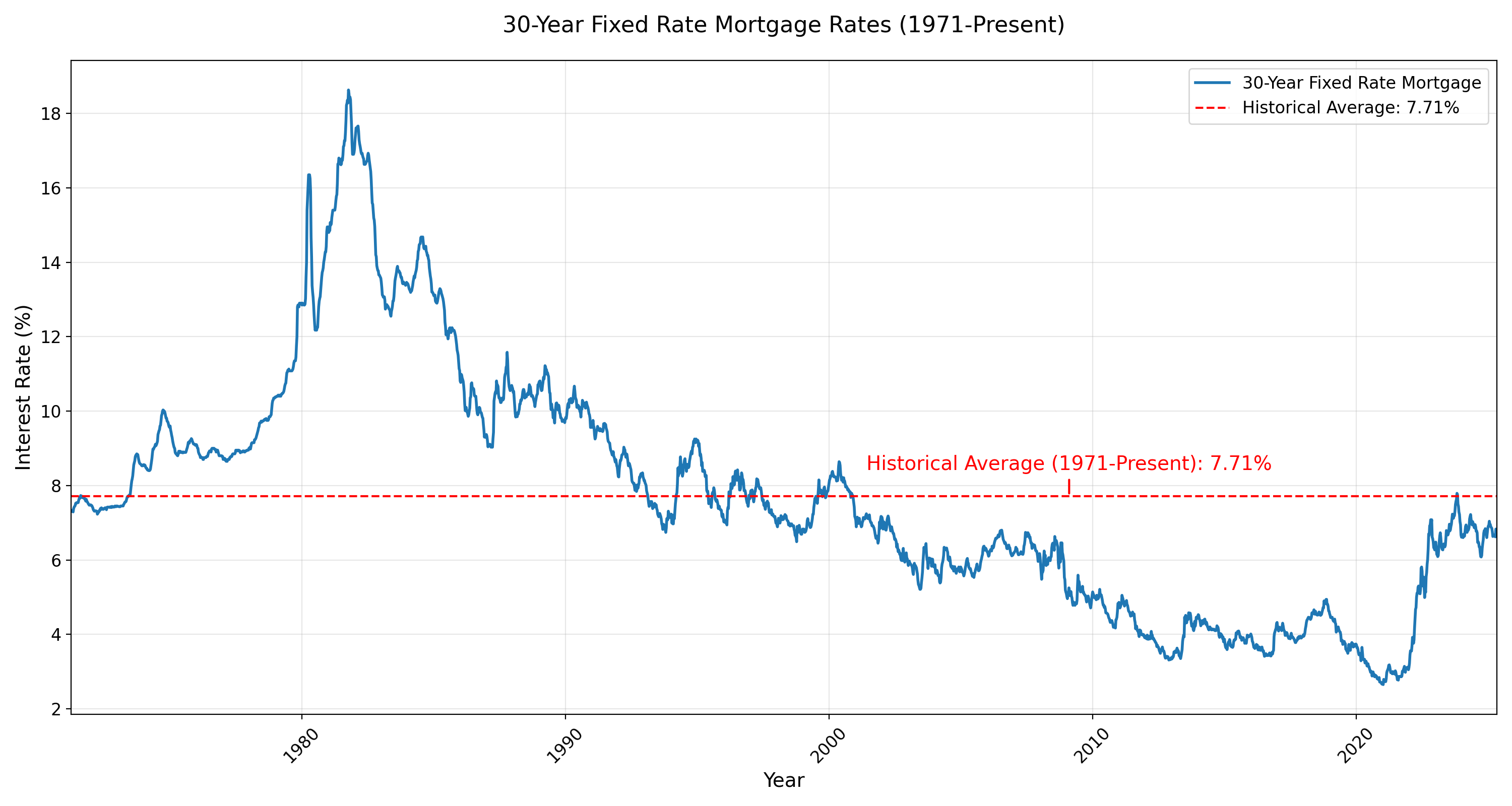
Understanding today’s 30-year mortgage rates requires more than just looking at a single number on a ticker. It requires an analysis of the macroeconomic forces at play, the personal financial metrics that lenders use to price risk, and the strategic decisions a borrower must make to secure the most favorable terms in a volatile environment.
The Mechanics Behind Current Mortgage Rate Fluctuations
Mortgage rates do not exist in a vacuum. While many consumers believe that the Federal Reserve sets mortgage rates directly, the reality is more nuanced. The Fed sets the federal funds rate—the rate at which banks lend to one another overnight. While this influences the cost of borrowing across the board, 30-year mortgage rates are more closely tethered to the 10-year Treasury yield.
The Role of the Federal Reserve and Inflation
Inflation is the primary enemy of fixed-income investments like mortgage-backed securities (MBS). When inflation rises, the purchasing power of the future interest payments on a 30-year mortgage is eroded. To compensate for this risk, investors demand higher yields. Consequently, when the Federal Reserve identifies high inflation and raises the federal funds rate to cool the economy, mortgage rates typically rise in anticipation or in response.
Conversely, when the economy shows signs of slowing or when inflation is firmly under control, the Fed may pause rate hikes or begin cutting rates. This often leads to a decrease in mortgage rates as investor confidence in the long-term value of the dollar stabilizes. Understanding today’s rates requires a close eye on the Consumer Price Index (CPI) and the Federal Open Market Committee (FOMC) meeting minutes, as these indicators signal the future trajectory of borrowing costs.
The 10-Year Treasury Yield Connection
Investors in mortgage-backed securities often view them as a slightly riskier alternative to 10-year Treasury bonds. Therefore, there is a consistent “spread” between the 10-year Treasury yield and the 30-year mortgage rate. Historically, this spread has hovered around 150 to 200 basis points (1.5% to 2.0%). In times of high market volatility or economic uncertainty, this spread can widen significantly, causing mortgage rates to stay high even if Treasury yields are falling. Monitoring the spread is crucial for timing a home purchase or a refinance, as it reflects the market’s perception of risk.
Navigating the Variables: Why Your Rate Might Differ from the National Average
When you see a “daily average” for a 30-year mortgage rate, it is typically based on a “prime” borrower—someone with exceptional credit, a significant down payment, and a standard loan amount. In reality, the rate a specific individual receives is highly customized based on a series of risk-based pricing adjustments.
Credit Score Tiers and Pricing
Your FICO score is perhaps the most significant determinant of your personalized mortgage rate. Lenders categorize borrowers into tiers. For example, a borrower with a score of 760 or higher will likely receive the lowest available rate. A borrower with a score of 660, while still eligible for a conventional loan, may face a rate that is 0.5% to 1.0% higher than the prime rate. Over 30 years, this seemingly small difference can result in tens of thousands of dollars in additional interest payments. Improving your credit score by even 20 points before applying can yield a substantial return on investment through interest savings.
Down Payment and Loan-to-Value Ratios
The amount of equity you put into a home at the start—your down payment—directly influences the lender’s risk. A higher down payment results in a lower Loan-to-Value (LTV) ratio. Generally, an LTV of 80% (a 20% down payment) is the threshold for avoiding Private Mortgage Insurance (PMI) and accessing better interest rates. If you are entering the market with a 3% or 5% down payment, expect a slightly higher interest rate and the added monthly cost of mortgage insurance, which effectively increases your “real” interest rate.
Property Type and Occupancy
Lenders also price loans based on the intended use of the property. A primary residence—the home you live in—receives the best rates because borrowers are statistically less likely to default on their own home. Investment properties and second homes carry higher risks for the lender, leading to “loan-level price adjustments” (LLPAs). If you are looking at today’s rates for an investment property, you should expect to see figures that are 0.5% to 0.875% higher than those quoted for primary residences.
Strategic Financial Planning in a High-Rate Environment

In a market where 30-year rates are higher than the historical lows of the early 2020s, borrowers must employ more sophisticated financial strategies. The goal is no longer just “getting a loan,” but rather “managing a debt portfolio” to maximize long-term wealth.
The Pros and Cons of Paying Points
One common strategy to lower a 30-year rate is the purchase of discount points. One “point” is equal to 1% of the loan amount and typically lowers the interest rate by 0.25%.
-
The Math: If you are taking out a $400,000 loan, one point costs $4,000.
-
The Breakeven Analysis: You must calculate how long it will take for the monthly savings from the lower rate to offset the $4,000 upfront cost. If the monthly savings are $50, the breakeven point is 80 months (roughly 6.6 years).
If you plan to stay in the home for 15 or 30 years, paying points can be an excellent way to lock in a lower rate for the long haul. However, if you plan to move or refinance within a few years, paying points is a sunk cost that you may never recover.
Comparing the 30-Year Fixed to Adjustable-Rate Mortgages (ARMs)
When 30-year rates are high, Adjustable-Rate Mortgages often gain popularity. An ARM typically offers a lower “teaser” rate for an initial period (usually 5, 7, or 10 years) before adjusting annually based on market indices.
For a financially disciplined borrower, a 7/1 ARM can be a strategic move. It provides a lower payment during the initial seven years, during which time the borrower can hope that market rates will fall, allowing for a refinance into a 30-year fixed rate at a lower level. However, this strategy carries the risk that rates might be even higher when the adjustment period arrives, potentially leading to a significantly higher monthly payment.
The “Lock-In” Effect and Housing Supply
An often-overlooked aspect of today’s 30-year rates is the “lock-in” effect on the broader economy. Many current homeowners have mortgages with rates between 2.5% and 4%. For these individuals, moving to a new home and taking on a new 30-year mortgage at today’s higher rates would result in a much higher monthly payment for the same—or even less—house. This has severely limited the supply of existing homes for sale, keeping home prices high despite rising interest rates. For a buyer today, this means navigating not just higher borrowing costs, but also a competitive market with limited inventory.
How to Shop for a Mortgage Like a Financial Expert
Securing the best possible 30-year rate requires proactive shopping and a clear understanding of the transparency tools provided by federal law.
The Importance of the Loan Estimate
Every lender is required to provide a standardized “Loan Estimate” (LE) within three business days of receiving your application. This document is your most powerful tool for comparison. It breaks down the interest rate, the closing costs, and the “Comparison” section, which shows how much interest and principal you will have paid off in five years. When comparing today’s rates, do not just look at the headline interest rate; look at the Annual Percentage Rate (APR), which includes the interest rate plus the fees and costs associated with the loan.
Mortgage Brokers vs. Direct Lenders
There are two primary avenues for obtaining a mortgage: direct lenders (like major banks or credit unions) and mortgage brokers.
-
Direct Lenders: Can sometimes offer “relationship pricing” if you already have significant assets with them.
-
Mortgage Brokers: Act as intermediaries and have access to dozens of different wholesale lenders. They can shop your profile across multiple institutions to find the most competitive rate for your specific credit profile and property type.
In a volatile rate environment, a broker’s ability to scan the entire market often provides a distinct advantage over a single bank’s fixed menu of products.
Timing the Rate Lock
Once you find a rate you are comfortable with, you must decide when to “lock” it. A rate lock guarantees your interest rate for a specific period (usually 30, 45, or 60 days) while your loan is processed. If rates rise during that time, you are protected. However, if rates fall, you are usually stuck with the locked rate unless your lender offers a “float-down” option. Managing this timing is a balance of risk tolerance and market observation.
Looking Ahead: Forecasting the 30-Year Mortgage Market
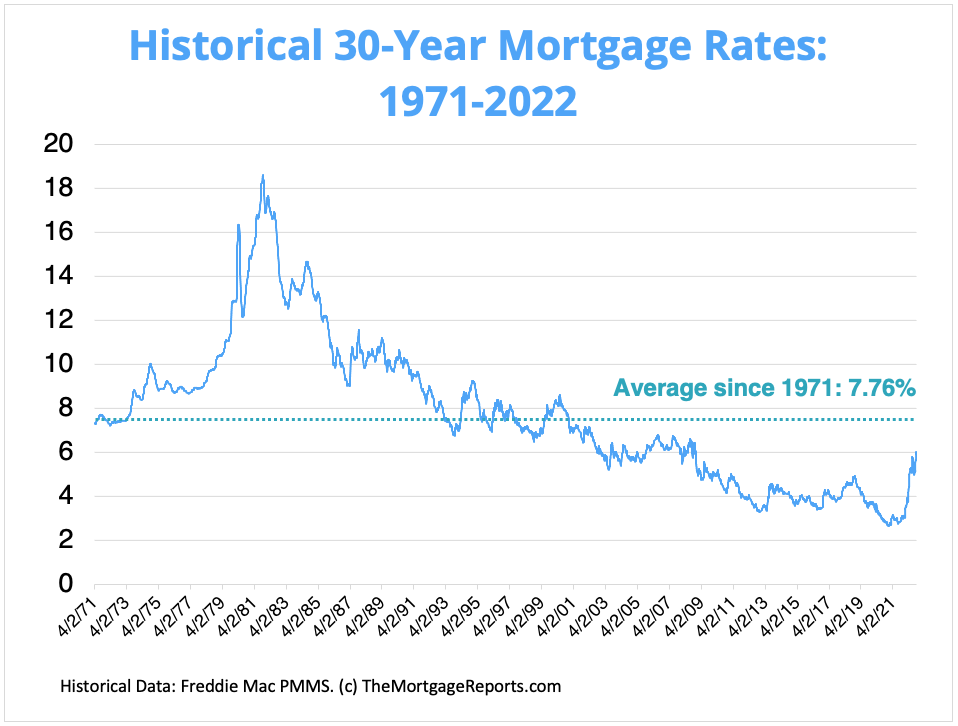
Predicting exactly where 30-year mortgage rates will be in six months or a year is an exercise in probability, not certainty. However, several key factors will dictate the direction of the market.
First, the Federal Reserve’s stance on the “neutral rate” of interest will be pivotal. If the Fed believes that the economy can handle higher interest rates without falling into a recession, 30-year rates may stay “higher for longer.” Second, global geopolitical events can trigger a “flight to quality,” where investors rush to buy U.S. Treasuries, driving down yields and, consequently, mortgage rates.
Finally, the health of the labor market is a critical variable. A strong labor market usually keeps upward pressure on inflation and rates. Conversely, any significant uptick in unemployment would likely prompt the Fed to lower rates to stimulate the economy, which would bring relief to the mortgage market.
In conclusion, while today’s 30-year mortgage rates are a reflection of complex global and domestic economic forces, the individual borrower still maintains a degree of control. By optimizing credit health, understanding the interplay between yields and spreads, and utilizing strategic comparison shopping, you can navigate this high-stakes financial landscape and secure a mortgage that aligns with your long-term wealth-building goals. Homeownership is a marathon, not a sprint, and the 30-year fixed-rate mortgage—even at today’s rates—remains one of the most effective tools for building generational stability.
aViewFromTheCave is a participant in the Amazon Services LLC Associates Program, an affiliate advertising program designed to provide a means for sites to earn advertising fees by advertising and linking to Amazon.com. Amazon, the Amazon logo, AmazonSupply, and the AmazonSupply logo are trademarks of Amazon.com, Inc. or its affiliates. As an Amazon Associate we earn affiliate commissions from qualifying purchases.